The year 2025 marks a critical inflection point in the history of Indonesia’s aquaculture fisheries, particularly for the shrimp sector, which has long served as the backbone of the nation’s non-oil and gas exports. Following a period of optimistic growth at the start of the decade, the industry now confronts the convergence of two existential threats that are shaking the foundations of global market trust: an unprecedented incident of Cesium-137 radioactive contamination and a resurgence of banned antibiotic residues, signaling a systemic failure in biosecurity protocols.
This report examines these dynamics, tracing the roots of the problem from upstream production to downstream export, and formulates the imperative for a total overhaul that can no longer be negotiated. The stakes are remarkably high, involving not just the economic balance sheets of major corporations but the livelihoods of thousands of smallholder farmers across the Indonesian archipelago.
Data regarding export performance reveals a volatility that is deeply concerning to market analysts. Although Shrimp Insights recorded a significant surge in exports in May 2025—rising 27 percent year-on-year to reach 21,288 metric tons (approximately 46.9 million pounds) with a valuation of USD 180 million—this increase does not reflect healthy, organic growth. Instead, it reflects a "strategic acceleration" of shipments, a tactical maneuver by exporters to preemptively navigate anticipated trade barriers and anti-dumping reviews by the United States.
Behind these macroeconomic figures lies a grim micro-reality: product rejections at United States ports of entry have reached their highest level in eight years, driven by the detection of radioactive substances and pharmaceutical residues. This phenomenon serves as a loud alarm for the sustainability of the industry. When the United States Food and Drug Administration (FDA)—acting as the primary gatekeeper of Indonesia’s largest shrimp market—issued specific Import Alerts targeting radionuclide and antibiotic contamination simultaneously, the risk perception of Indonesian shrimp degraded significantly.
Indonesia, which had long positioned itself as a "cleaner" alternative to competitors like India and Vietnam, has now fallen into the same high-risk category, forcing all stakeholders into a period of radical introspection. The narrative of Indonesian aquaculture, once one of rising potential, is now being rewritten by a crisis of confidence that spans from the muddy ponds of Banten to the inspection laboratories of the FDA.

FDA analyzes several shrimp products from Indonesia for possible contamination with Cesium-137: U.S. Food and Drug Administration
The case of radioactive cesium-137
The issue of radioactive contamination in seafood products is an anomaly rarely encountered outside the context of major nuclear accidents, such as the disasters at Chernobyl or Fukushima. However, in mid-2025, data from CNBC Indonesia indicated that the Indonesian shrimp industry was blindsided by the discovery of Cesium-137 (Cs-137) in frozen shrimp products exported to the United States.
Subsequent investigations revealed that this contamination did not originate from standard aquaculture inputs, such as feed or pond water, but was instead the result of negative externalities from uncontrolled heavy industrial activity in the Banten region. The contamination was not an inherent failure of the biological farming process, but rather a victim of environmental negligence in the industrial zones where processing facilities are located.
The epicenter: industrial zoning failures
The center of the crisis was identified in the Cikande Industrial Estate, Serang, Banten. Environmental forensic investigations conducted by the Ministry of Environment (Kementerian Lingkungan Hidup) and the Criminal Investigation Agency of the National Police (Bareskrim Polri) discovered that the radioactive exposure stemmed from waste generated by the scrap metal smelting industry. Specifically, the exposure was traced to the facility of PT PMT, where waste containing radioactive substances was mishandled.
Hazardous waste, which should have been managed under strict nuclear waste protocols, was exposed to the surrounding environment. This radioactive material contaminated nearby shrimp processing facilities, including PT Bahari Makmur Sejati, which is recognized as one of the national shrimp exporters. The proximity of these facilities highlighted a critical failure in urban and industrial planning.
Laboratory analysis confirmed that the isotopic characteristics found in the contaminated shrimp were identical to the radioactive trace found in the steel smelting residue at the PT PMT site. This forensic match confirmed that the incident was a case of cross-sectoral pollution, as cited by Mongabay. Investigations into 22 companies in the area exposed a fatal weakness in industrial zoning, where sensitive food-grade processing facilities operated side-by-side with heavy industries producing hazardous and toxic (B3) waste without adequate buffer zones.
The implications of this zoning failure are profound. The Ministry of Environment/Environmental Control Agency (Kementerian Lingkungan Hidup/Badan Pengendalian Lingkungan Hidup), which organizes government affairs in the environmental sector, alongside the police authorities, sealed the PT PMT facility suspected of being the source of the pollutant. The Director of PT PMT was subsequently named a suspect, emphasizing that liability extends beyond operational negligence to the highest levels of corporate management.

The Law Enforcement Unit of the Ministry of Environment (Gakkum KLH) is installing an Environmental Supervisory Official (PPLH) line at PT Peter Metal Technology: Ministry of Environment
International regulatory response
The response from international regulators was swift and uncompromising. The FDA, which holds the mandate to protect public health from carcinogens, activated its nuclear safety protocols. In the Import Alert issued, the FDA explained that Cs-137 is a nuclear reaction product that emits beta particles and gamma radiation. The agency noted that potential health concerns following Cs-137 exposure depend on the dose and duration of exposure; while high doses lead to acute radiation syndrome, long-term exposure to low doses through food consumption is linked to an increased risk of cancer due to damage to cellular DNA.
As a follow-up to these surveillance measures, the FDA published Import Alert 99-52, a specific regulation titled "Detention Without Physical Examination of Certain Human Food Products From Certain Regions In Indonesia Subject To The Requirement of Import Certification Per Section 801(q)". This rule, which became effective on October 31, 2025, mandates stricter import certification for shrimp and spices from certain regions in Indonesia.
Through this policy, every shipment of product from the affected regions, specifically the Island of Java and the Province of Lampung on the Island of Sumatra must be accompanied by a certificate declaring the product free from radioactive contamination. These certificates must be validated by the competent authorities designated by the FDA: the Fish Quarantine and Inspection Agency (BKIPM KKP) for shrimp commodities and the National Agency of Drug and Food Control (BPOM) for spices.
The implementation of Import Alert 99-52 fundamentally alters the risk profile and operational flow of exporting to the United States. It adds significant administrative and technical burdens for exporters, who must now bear the additional costs for scanning processes and isotope laboratory tests. Consequently, shipping times have lengthened, and profit margins already thin in the competitive global shrimp market are further squeezed.
The "red list" and detention protocols
Under the FDA's regulatory framework, companies placed on the strict watch list, known as the "Red List," are subject to "Detention Without Physical Examination" (DWPE) status. Under this status, their products are immediately detained at U.S. ports of entry without an initial physical inspection. The detention can only be lifted if the company proves the safety of its product through a comprehensive third-party audit that meets international standards.
Firms on the Red List identify specific entities where there is evidence of contamination with Cs-137 in product samples or the facility processing environment. To be removed from the Red List of Import Alert 99-52, a firm must first be removed from Import Alert 99-51, which covers "Detention Without Physical Examination of Human Food Products That Appear To Have Been Prepared, Packed Or Held Under Insanitary Conditions Resulting in Chemical Contamination". This requires an accredited Third-Party Certification Program audit to verify the effectiveness of controls for Cs-137.
The Indonesian government, through the Nuclear Energy Regulatory Agency (BAPETEN) and the Ministry of Marine Affairs and Fisheries (KKP), has responded with verification protocols that include scanning at key supply chain points. BAPETEN, the national authority on nuclear regulation founded in 1998, plays a critical role in this verification process, ensuring that nuclear safety standards are applied to consumer goods.

BAPETEN investigates shrimp containers suspected of Cesium-137 contamination at Tanjung Priok Port: BAPETEN
Long-term plans include the construction of independent radioactive testing laboratories in Jakarta and Surabaya during the 2025–2029 period to ensure the independence and speed of testing. However, the reputational damage has already been incurred; the stigma of "radioactive shrimp" presents a heavy challenge for trade diplomacy. The government is forced to engage in intensive lobbying to convince the global market that this contamination is localized to the industrial zones of Banten and does not reflect the overall quality of national shrimp production.
Table 1: regulatory and agency roles in the radioactive crisis

Antibiotic resurgence: a failure of biosecurity
If the issue of radioactive contamination was a sudden, external blow from an adjacent industry, the return of antibiotic residues represents a "chronic disease" that has relapsed with higher virulence. Data from the years 2024 and 2025 show a deeply concerning trend in which Indonesia is beginning to lose the "clean" predicate that formerly distinguished it from major competitors like India and Vietnam.
According to data compiled by the Southern Shrimp Alliance (SSA), a U.S.-based industry organization, the number of FDA entry line refusals for Indonesian shrimp due to antibiotics in 2025 reached the highest record in the trade history of the two nations. The historical context highlights the severity of this spike: between the years 2002 and 2023, Indonesia recorded a total of only 40 refusals. However, within just a few months in 2025, the number of refusals skyrocketed, with 23 entry lines rejected in a short period.
The collapse of certification credibility
Perhaps the most shocking aspect of this wave of rejections is the profile of the offenders. Violations were not limited to small-scale aggregators or uncertified processors; they included large corporations holding high-level global sustainability certifications.
Two major entities, PT Pabrik Lamongan BMI and PT Tamron Akuatik Produk Industri, both operating under the prestigious four-star Best Aquaculture Practices (BAP) certification, were added to FDA Import Alert 16-129 in mid-2025. Import Alert 16-129 specifically targets "Detention Without Physical Examination of Seafood Products Due to Nitrofurans," a class of antibiotics strictly banned in food production due to their carcinogenic potential.
The fact that facilities possessing four-star BAP certification—the highest level of verification, supposedly covering the entire production chain from hatchery to processing plant—failed to detect this contamination undermines the credibility of private certification schemes. It exposes gaping holes in the internal traceability systems of these corporations, suggesting that the "paper trail" of safety does not always correspond to the biological reality of the product.
Historically, India and Vietnam have dominated the FDA’s antibiotic blacklist. In 2024, the FDA rejected 81 shrimp shipments due to antibiotics, with the majority originating from India (31 cases) and Vietnam (18 cases). At that time, Indonesia, with only 1 case in 2024, was briefly considered a "safe" producer. The surge of cases in 2025 has fundamentally altered this narrative, eroding Indonesia's comparative advantage in the U.S. market.
Global market repercussions
The fallout extends beyond the United States. In the Japanese market, the Ministry of Health, Labour and Welfare (MHLW) has also increased the frequency of inspections on Indonesian shrimp. Although Vietnam still dominates violations in Japan (with 7 cases in 2024), the entry of Indonesian shrimp onto the MHLW’s strict surveillance radar due to residues of veterinary drugs narrows the options for market diversification.
Japan operates a system of "Ordered Inspection" for countries that frequently violate safety standards, which mandates 100 percent inspection for every incoming cargo. Moving from random sampling to ordered inspection drastically increases costs and delays for exporters, effectively serving as a non-tariff trade barrier.
Analysis by the Global Seafood Alliance suggests that the patterns of antibiotic use in Southeast Asia are closely linked to "poverty-driven production systems". In this economic paradigm, small-scale farmers often operate on the brink of financial ruin. When facing the risk of total bankruptcy due to imminent harvest failure caused by disease, they take decisions that are rational in the short-term economic sense saving the crop but destructive in the long term. Using antibiotics becomes an act of desperation to salvage their biological assets, even at the cost of national reputational safety.
Table 2: comparative FDA refusals and contamination data

Upstream roots: pathology and inefficiency
The crisis manifested in the downstream sector (exports) is a direct reflection of the chaos in the upstream sector (cultivation). The rampant use of antibiotics is a panicked response to increasingly uncontrollable disease pressure in the ponds of the Indonesian archipelago.
Throughout 2024 and 2025, Indonesian shrimp farmers have wrestled with three major pathogens that erode productivity and trigger the illicit use of chemicals.1 These include:
- Enterocytozoon hepatopenaei (EHP): A microsporidian parasite that causes severe growth retardation in shrimp.
- Acute Hepatopancreatic Necrosis Disease (AHPND): A bacterial disease often referred to as Early Mortality Syndrome (EMS).
- White Spot Syndrome Virus (WSSV) & White Feces Disease (WFD): Viral and syndromic conditions that cause rapid mass mortality.
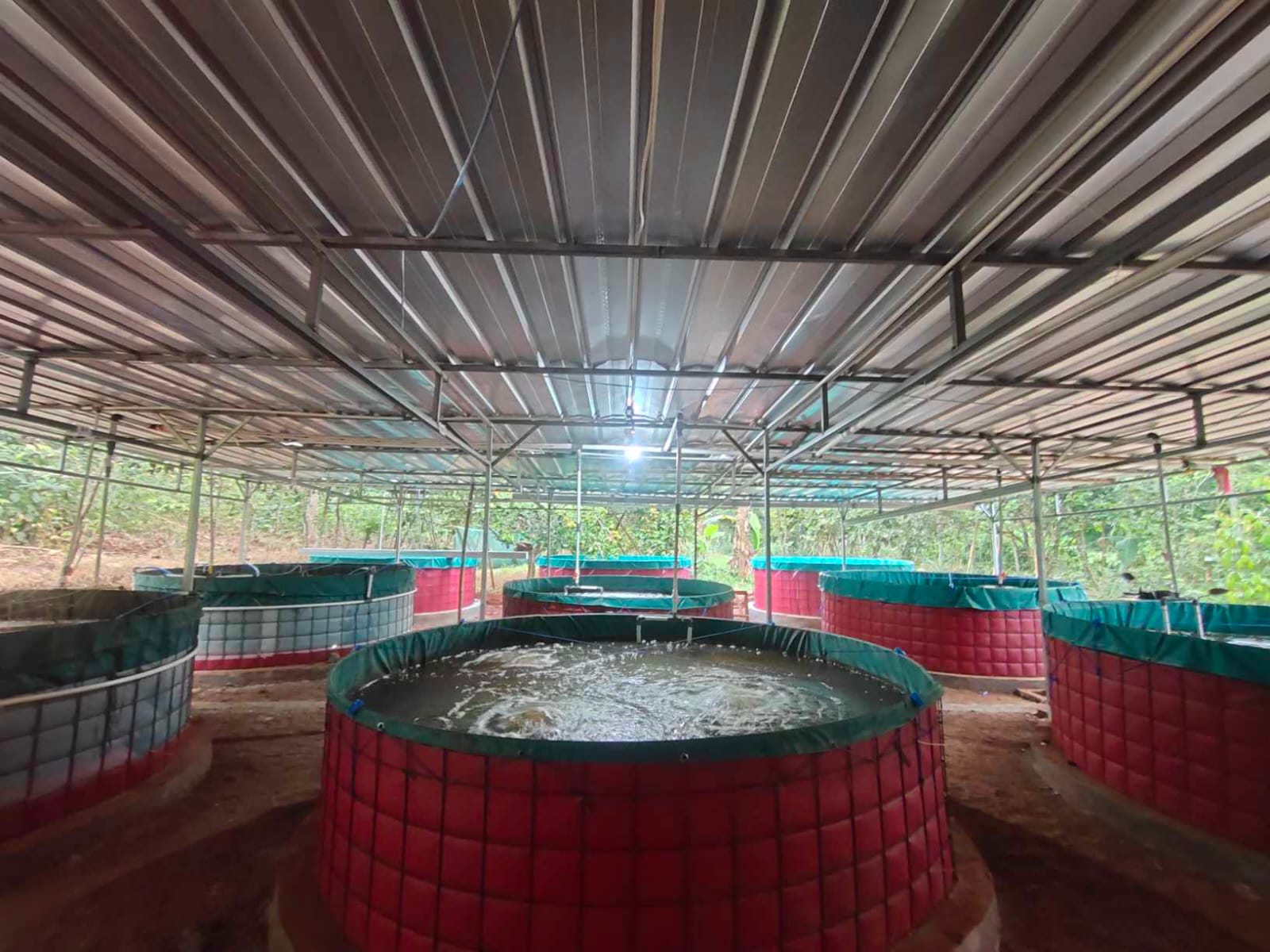
The structure of pond ownership in Indonesia significantly exacerbates these biosecurity challenges. Data indicates that of the total shrimp pond area of 300,501 hectares (742,555 acres), 82 percent (247,803 hectares) are classified as traditional ponds. Intensive and super-intensive ponds, which typically employ better technology, cover only a small portion of the production landscape.
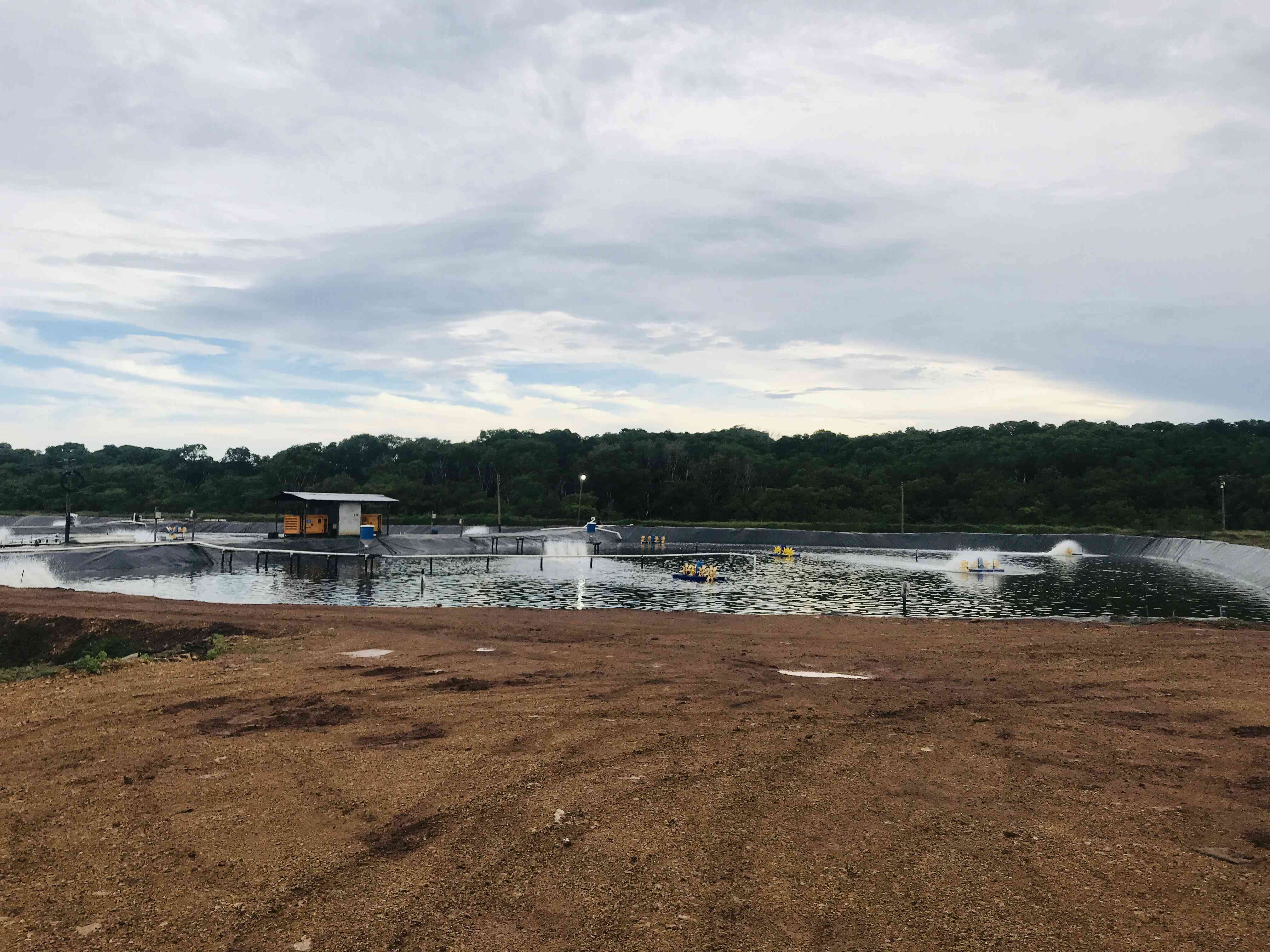
Traditional ponds generally possess minimal biosecurity infrastructure. They lack essential facilities such as water treatment reservoirs to settle pathogens before water enters the pond, and they often operate without adequate wastewater treatment plants (IPAL). Furthermore, many utilize open water management systems, which allow pathogens to spread freely between neighboring farms via shared waterways.
Compounding the infrastructure deficit is the lack of diagnostic capability. Many farmers operate without access to accurate laboratory diagnosis. They detect diseases based largely on visual symptoms—such as the appearance of white feces or changes in the shrimp's body color—by which time the infection is often too advanced to be managed effectively.
The absence of early detection based on molecular testing (PCR) in remote production centers makes outbreak management reactive and speculative. Without precise data on which pathogen is attacking their stock, farmers often resort to "cocktails" of antibiotics that are not only illegal but frequently off-target and ineffective against the specific pathogen involved.
Economic impact: price collapse and bankruptcy
The economic consequences of these export rejections are felt directly and painfully at the grassroots level. In Banten Province, the epicenter of the radioactive contamination issue, the situation has created a humanitarian crisis on a micro-scale.
Following the export refusals and the subsequent temporary freezing of operations at certain processing facilities (such as the sealing of PT PMT and the restrictions on exporters), the demand for raw shrimp plummeted. Consequently, shrimp prices at the farm level crashed to below the Cost of Production (HPP). Field reports recorded that of the 34 ponds operating in the affected region, 11 were forced to close their operations within just two weeks of the crisis breaking.
Farmers in the districts of Lebak and Pandeglang face a situation locally described as the "fruit of Simalakama" , a proverb describing an impossible dilemma. Harvesting the shrimp immediately means selling at a significant loss due to the crashed prices. However, holding the shrimp in the ponds means that feed costs continue to accrue, while the risk of disease outbreaks increases the longer the shrimp remain in the water. This market uncertainty causes cash flow to seize up, threatening the farmers' ability to purchase fry and feed for the next cultivation cycle, effectively pushing them toward bankruptcy.
The government's efforts to mitigate this by diverting export markets from the United States to Japan or the European Union are fraught with difficulties. As noted, Japan applies extremely strict chemical residue standards and utilizes the "Ordered Inspection" system for high-risk origins. The European Union, meanwhile, demands standards of sustainability, human rights, and environmental protection that are often far higher than those of the United States.
With the contamination track record established in 2025, the bargaining position of Indonesian trade negotiators has weakened considerably. The "brand" of Indonesian shrimp, once a premium asset, is now a liability that requires significant rehabilitation.
Strategy for total reform
Facing this existential crisis, a structural reform that integrates technology, regulation, and human behavior change is required. Stakeholders agree that infrastructure revitalization and a renewal of the cultivation model are fundamental steps that must be accelerated immediately.
The "Aquaculture Village" model
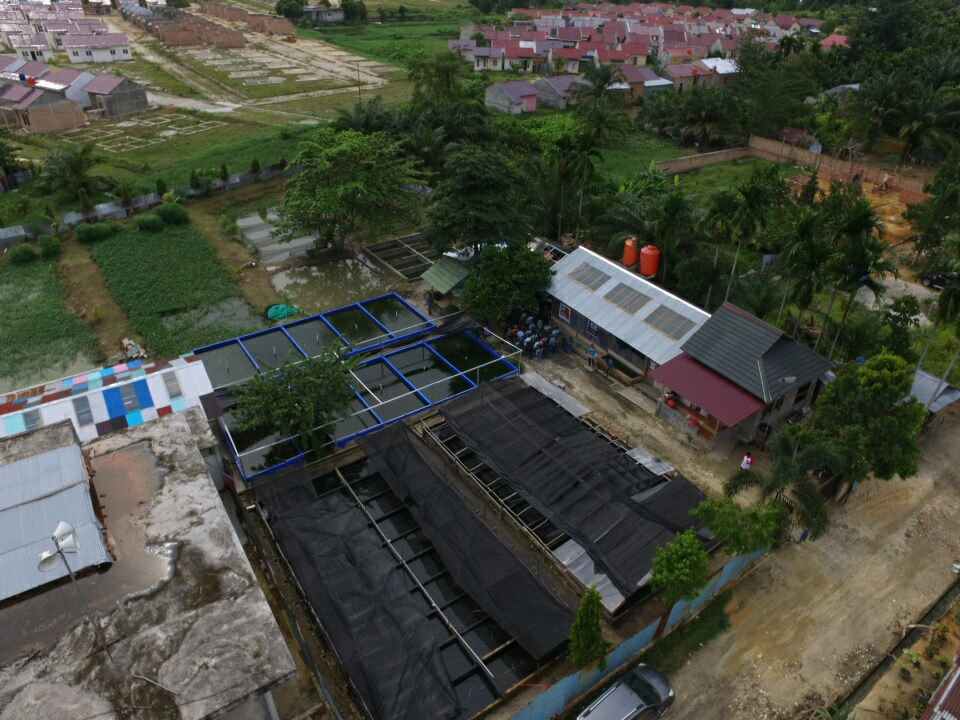
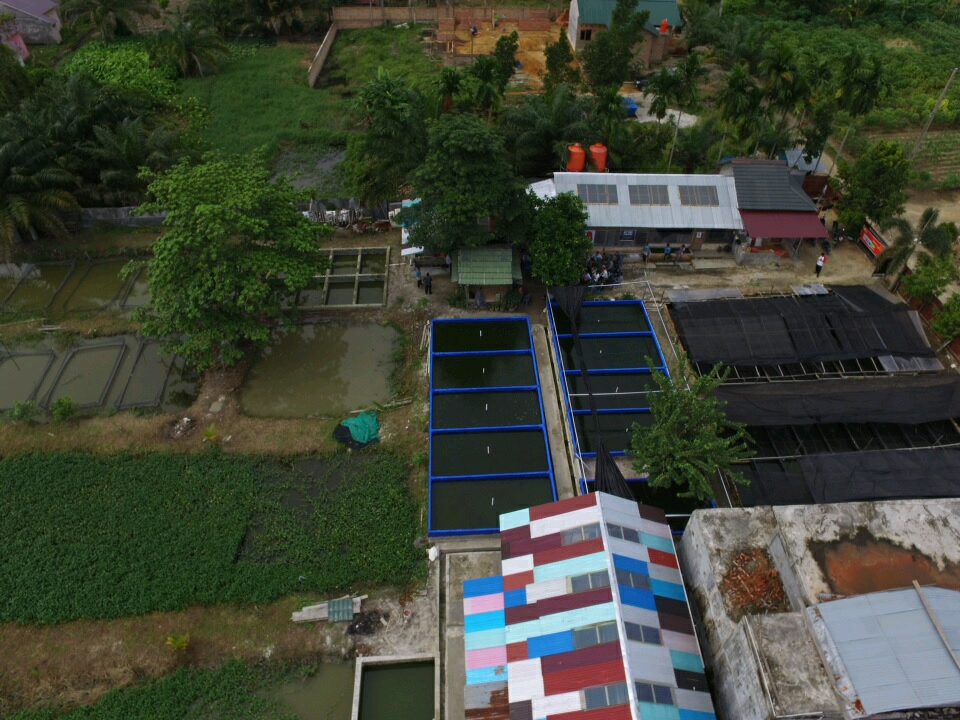
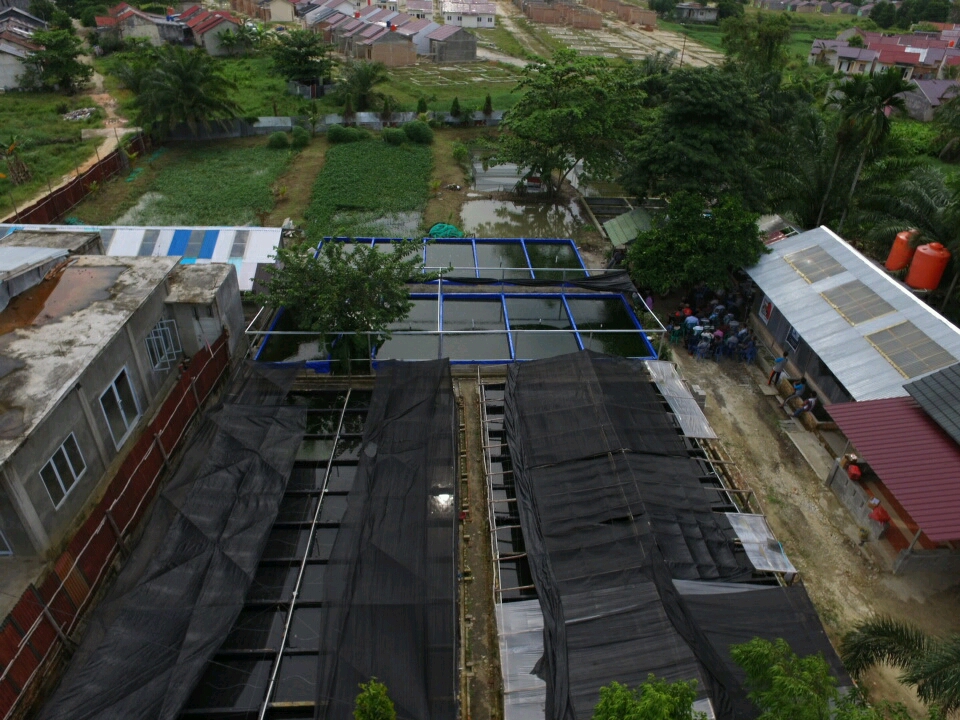
The "Kampung Perikanan Budidaya" (Aquaculture Village) program, initiated by the Ministry of Marine Affairs and Fisheries (KKP), aims to consolidate small farmers into integrated zones using an estate farming concept. This program envisions a shift from fragmented, individual farming to a communal model where the management of inlet and outlet water, as well as waste treatment systems, is conducted collectively.
By managing water centrally, the biosecurity gaps that typically plague individual traditional ponds can be minimized. The focus of revitalization in 15 priority districts needs to be directed toward transforming traditional ponds into intensive ponds that are environmentally friendly, controlled, and compliant with international sustainability standards. This transformation is not merely about increasing yield; it is about establishing the biosecure perimeter necessary to exclude pathogens and negate the need for antibiotics.
Strengthening national testing infrastructure
Simultaneously, the strengthening of national testing capacity is an urgent necessity. The KKP has outlined plans to build a national reference laboratory capable of testing for both Cs-137 radioactive contamination and antibiotic residues in Jakarta and Surabaya. These plans must be prioritized and accelerated, with implementation ideally commencing in 2026.
Crucially, this laboratory needs to obtain international accreditation (such as ISO 17025) so that the test certificates it issues are immediately recognized by global food authorities like the FDA and MHLW. This would bypass the need for protracted re-validation processes or detention at the port of entry, smoothing the flow of commerce. Currently, the reliance on third-party or foreign verification adds friction and cost that the industry can ill afford.
Regulatory enforcement and diplomacy
Consistent regulatory enforcement must proceed alongside a "Zero Antibiotic" campaign. The KKP, working together with industry associations such as the Indonesia Fishery Product Processing & Marketing Association (AP5I) and Shrimp Club Indonesia (SCI), needs to apply strict sanctions against business actors proven to use banned antibiotics. These sanctions should include the termination of association membership for violators, effectively isolating them from the legitimate supply chain.
Processing companies must also be mandated to conduct pre-harvest residue testing for all their suppliers. This "check at the gate" policy ensures that contaminated product is identified before it enters the processing chain and is commingled with clean product.
On the external front, science-based trade diplomacy must be strengthened. The government needs to proactively communicate with the FDA and European Union authorities using transparent and verifiable scientific data. Regarding the radioactive issue, emphasis must be placed on the forensic evidence showing that the contamination is localized to the Banten industrial zone and does not reflect a national risk.
For the antibiotic issue, the challenge is greater. Indonesia must demonstrate a clear and credible roadmap for reducing antimicrobial use, supported by an open surveillance system. Trust will not be rebuilt by assertions of safety, but by the demonstration of a rigorous, transparent control system that makes safety the default, rather than the exception. Only through such a comprehensive overhaul can the trust of the international market be restored and the livelihoods of Indonesia’s shrimp farming communities be secured for the future.