- All
- Others
- Nursery
- Grow-out
- Hatchery
- Processing
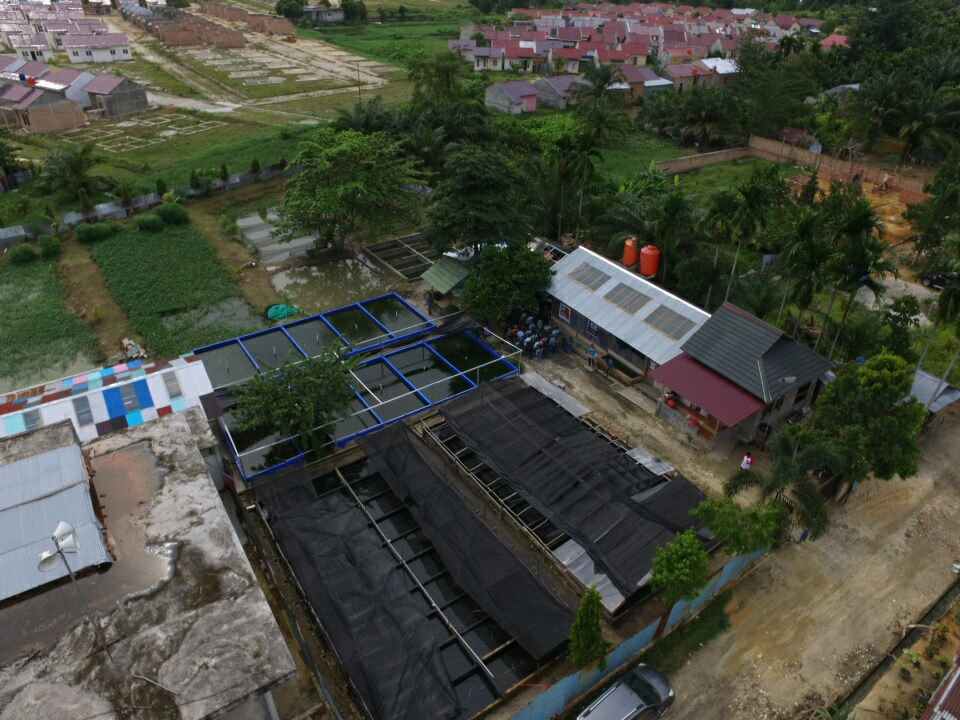
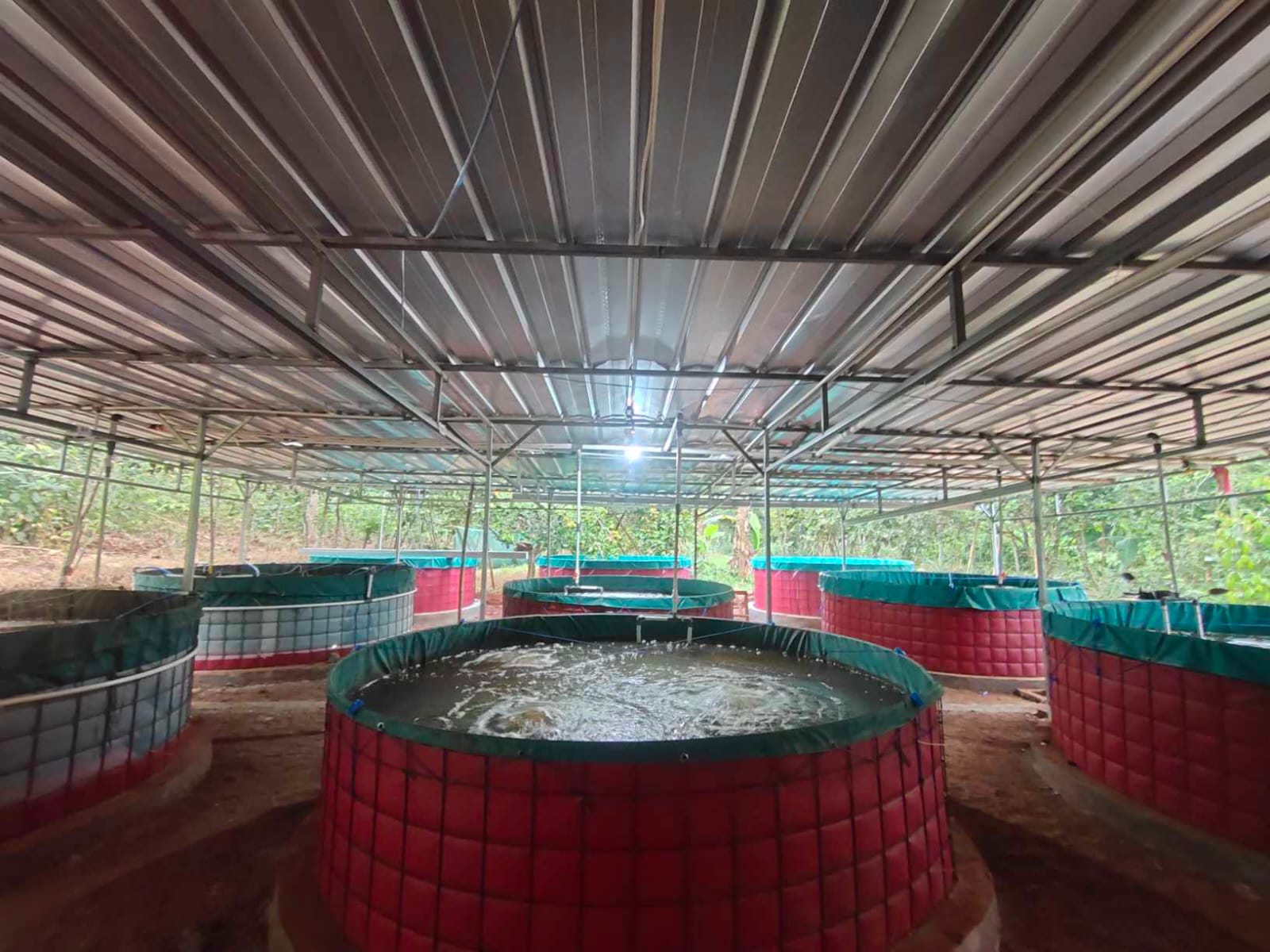
Space-efficient tarpaulin ponds engineered with Biofloc systems are transforming narrow plots into highly stable, dense environments.
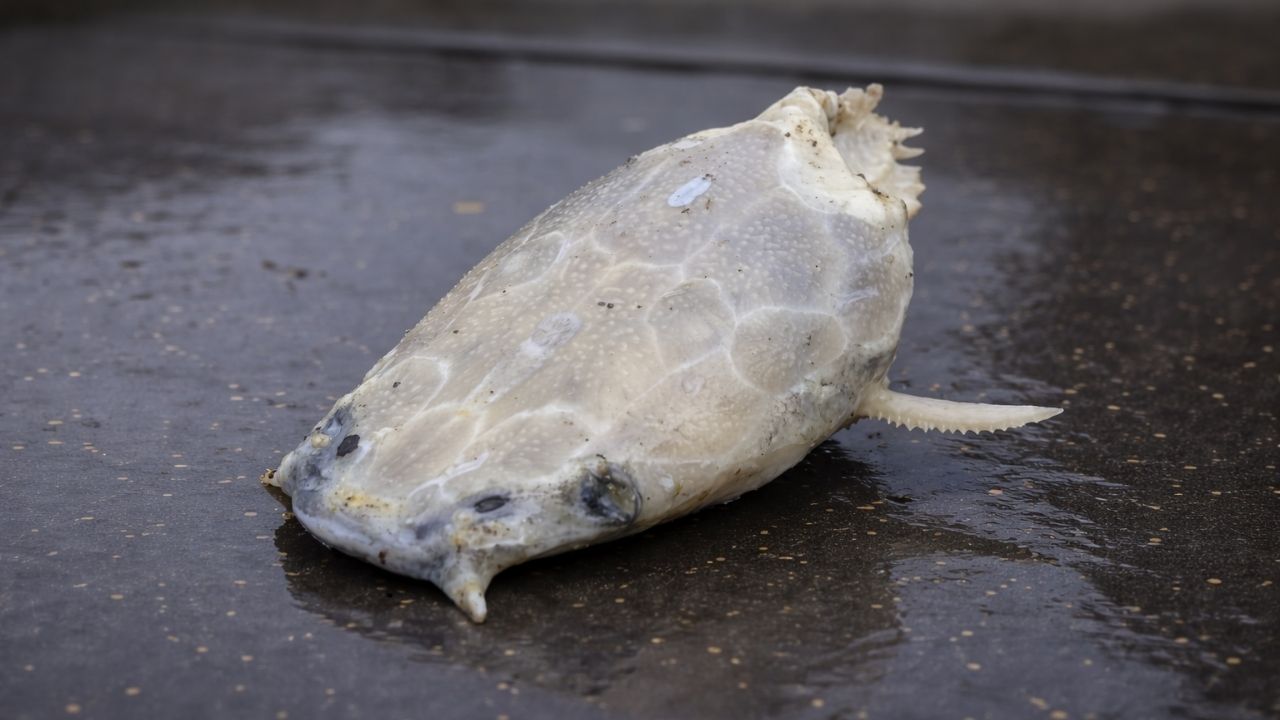
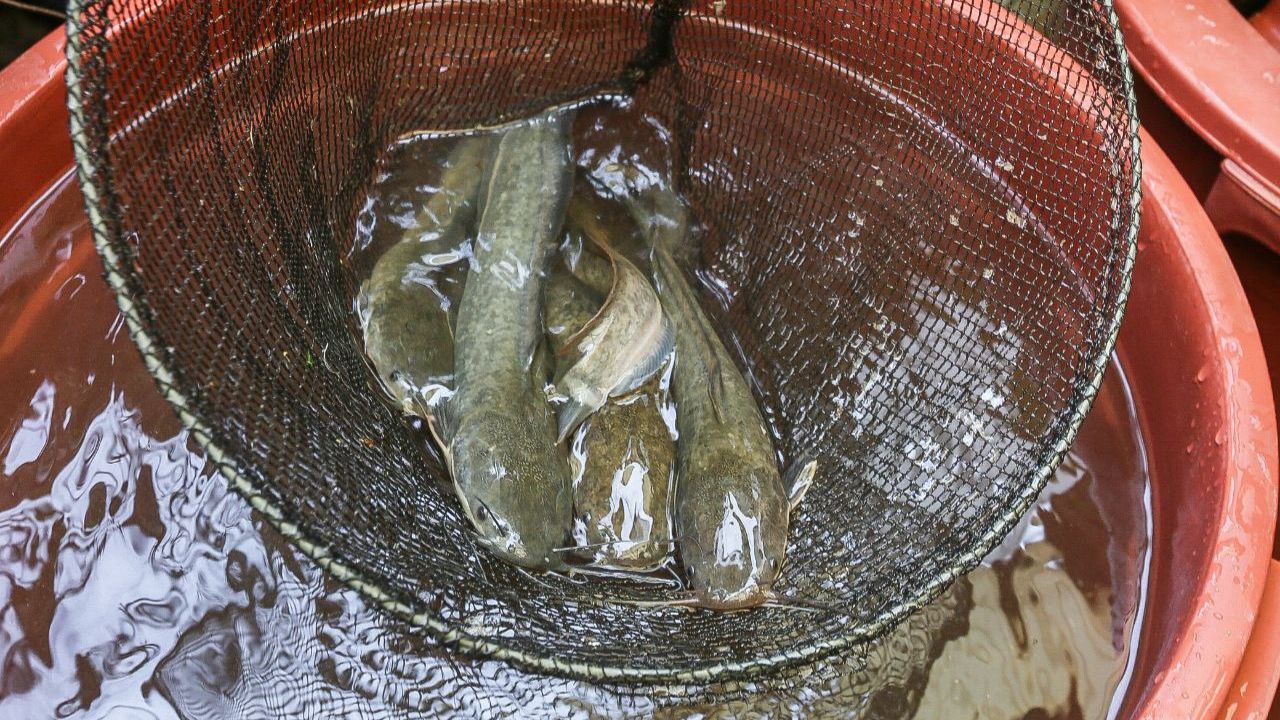
Rather than an unnatural anomaly, cannibalism among catfish operates as a fundamental evolutionary mechanism designed to strictly regulate population density.
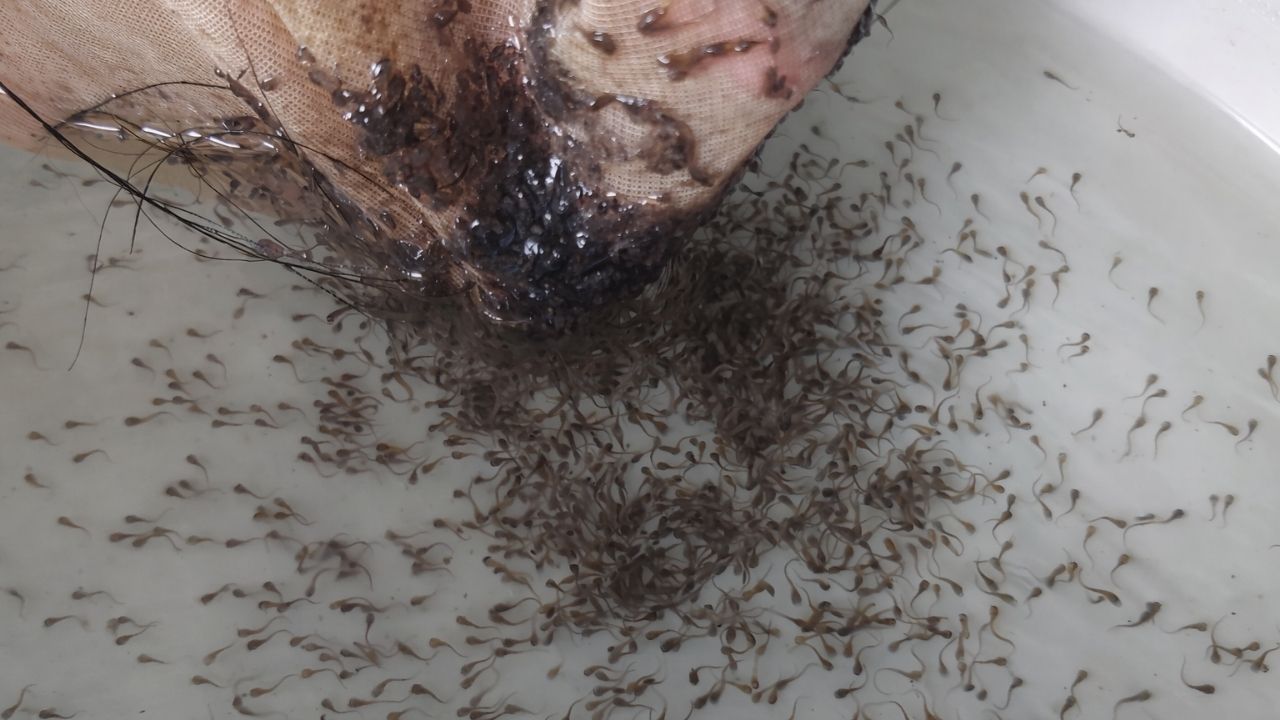
Skipping the critical catfish nursery phase threatens the economic stability of grassroots farmers and national food security.
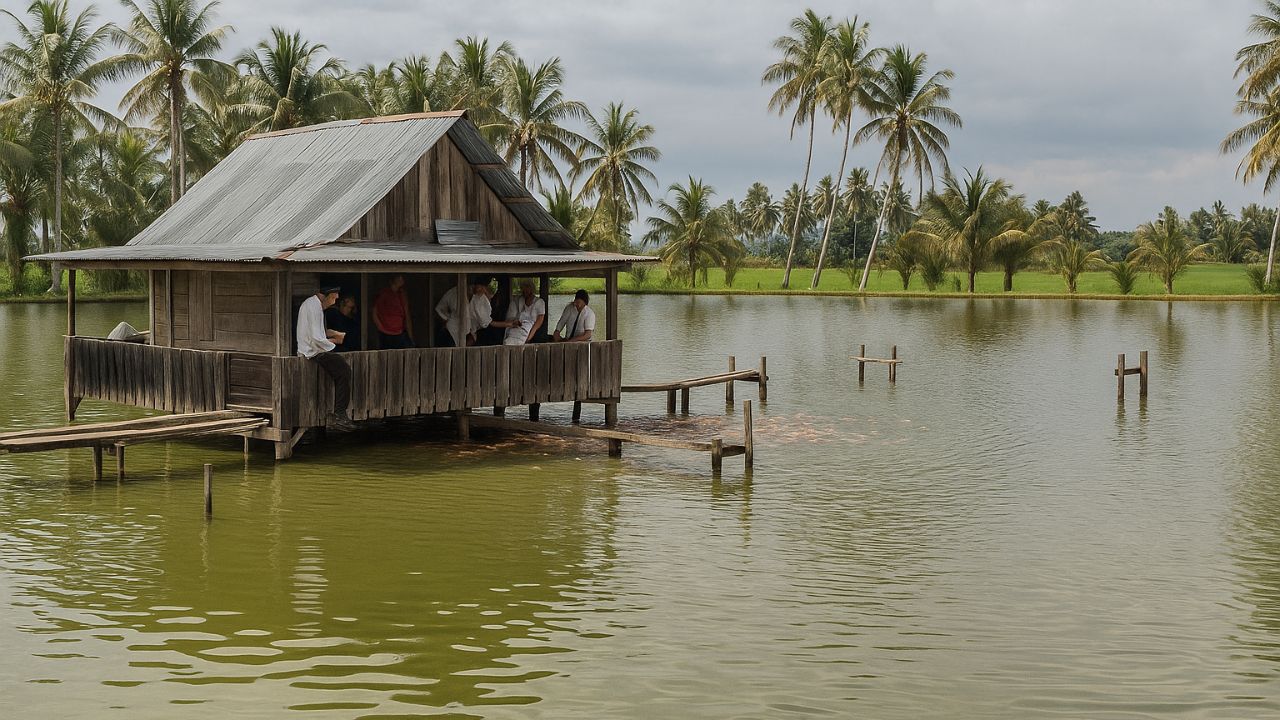
Site selection is crucial in pangasius farming; water quality and terrain directly affect growth and yield.

In rural Indonesia, catfish farming is more than a business; it’s a community lifeline, creating jobs and empowering local cooperatives in a wave of grassroots prosperity.

For potential investors, this economic breakdown of pangasius farming in Indonesia serves as an essential tool to assess its feasibility, outlining the calculations needed to mitigate risks.

A cornerstone of Indonesian aquaculture, Pangasius hypophthalmus drives the freshwater fishery economy with an annual production exceeding 400,000 tonnes.

uccess in concrete pond aquaculture hinges on precise scientific management, controlling key variables from water quality to optimal stocking densities.

Combining fish and vegetable cultivation in aquaponics yields double harvests and a 30% income boost for urban farmers.

Pangasius catfish thrive even in acidic peat swamps and poor-quality waters, turning marginal lands into productive fish farms.

Rising demand in Southeast Asia and the Middle East fuels expansion of Indonesia's pangasius catfish aquaculture industry.

Research shows that biopore pits stabilize water pH and increase oxygen levels in acidic pangasius ponds, promoting healthier fish growth.

Optimal nutrition and pond management greatly influence pangasius broodstock gonad development, high-protein, vitamin-rich feed and stable water conditions yield better quality eggs and sperm.

In Indonesia, low-cost catfish farming is proving a lucrative and sustainable venture, even for small-scale farmers.

Amid booming production, Indonesia’s catfish farmers face relentless threats from water‑borne pathogens and parasites, underscoring the critical need for science‑based disease management in this vital industry.

Once a cornerstone of Southeast Asian rivers, pangasius macronema’s gradual disappearance highlights the silent erosion of local biodiversity as small-scale fisheries give way to industrial aquaculture.

Transforming Pangasius fish byproducts into high‑value protein hydrolysates, omega‑3 oils and animal feeds marks a groundbreaking shift from waste to sustainable resource.

From humble origins as a Mekong River staple, pangasius is now a global export success story, captivating consumers with its mild flavor and affordability and reshaping global seafood and aquaculture markets.

Rich in essential nutrients and low in cholesterol, pangasius fish offers numerous health benefits, from supporting cardiovascular health to promoting fetal brain development, making it a smart and nutritious choice for daily consumption.

Optimal broodstock management of pangasius, from selection to feeding and water quality control, plays a crucial role in enhancing hatchery success and producing high-quality fish larvae.

The 90-percent feeding technology for pangasius fish offers a groundbreaking approach to enhancing production efficiency, ensuring environmental sustainability, and boosting the profitability of aquaculture.

"Protein-sparing technology in pangasius aquaculture presents an innovative solution for feed efficiency, cost reduction, and sustainability, addressing global challenges in modern fisheries."

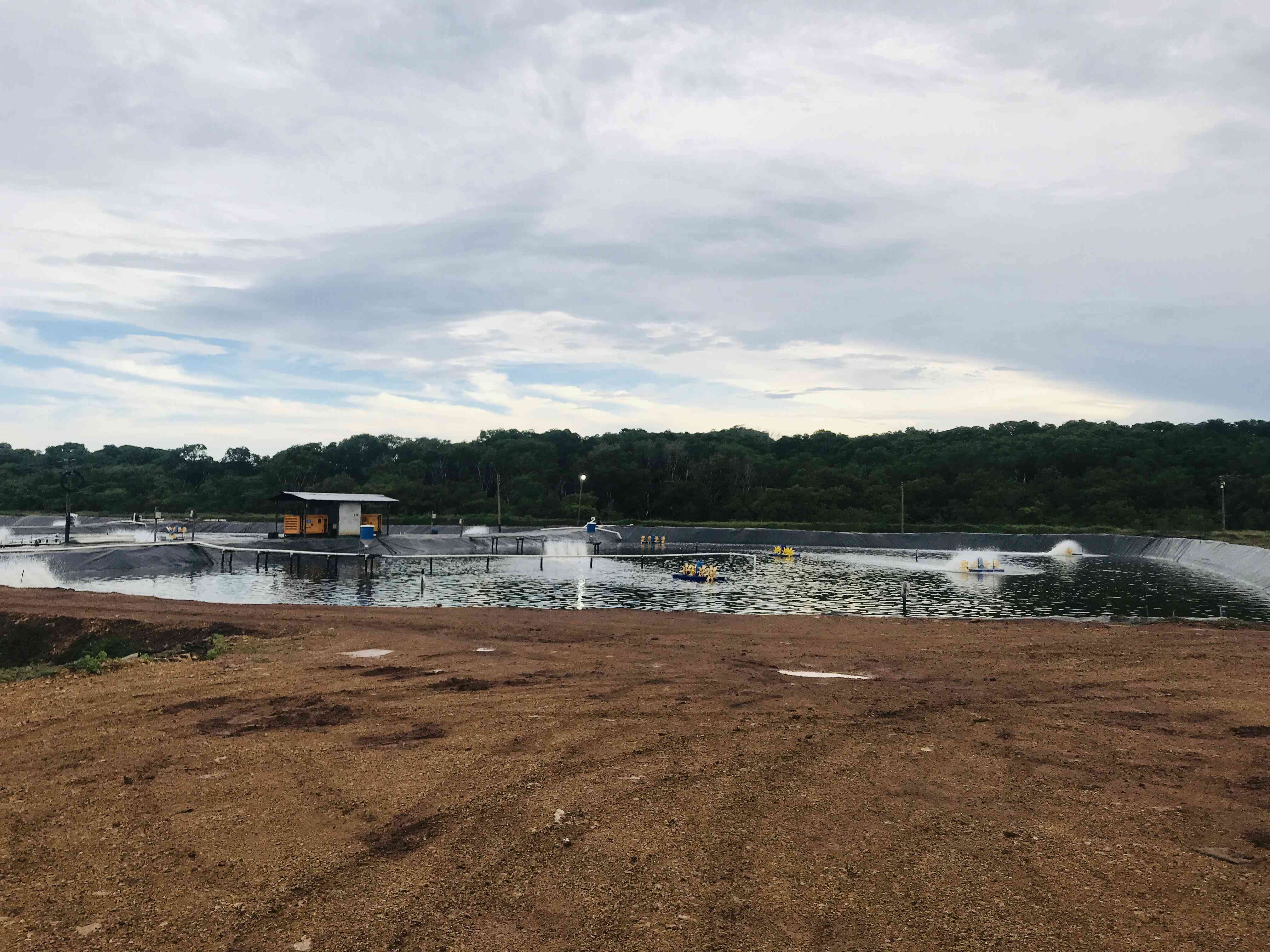
Adopting tarpaulin ponds for pangasius fish farming revolutionizes aquaculture with cost-efficiency, adaptability to limited land, and sustainable methods, ensuring high yields even in challenging conditions.

Indonesia is exploring the potential of utilizing catfish waste in aquaculture, transforming it into valuable products such as organic liquid fertilizers, fish meal, and food items, contributing to both economic growth and environmental sustainability.

Pangasius micronemus, a freshwater fish native to Southeast Asia, is renowned for its exceptional fish oil content, rich in omega-3 fatty acids like EPA and DHA, which offer significant health benefits, including improved brain and heart health.

Catfish, scientifically classified under the order Siluriformes, are freshwater fish with a global presence, recognized for their sensory barbels, ecological diversity, and significant roles in aquaculture, ecology, and evolutionary studies.

Effective management in the selection and care of pangasius broodstock is crucial to ensuring optimal hatchery outcomes. Selecting healthy broodstock, along with proper management of the environment, water quality, and nutrition, will support successful r

Feed management for pangasius, both broodstock and fry, significantly influences growth and overall aquaculture success. A thorough understanding of proper feeding techniques can enhance production efficiency while maintaining the balance of the aquacultu

Although not yet widely known and cultivated, Pangasius nasutus exhibits unique characteristics that could make it an attractive alternative for the development of fish farming in Indonesia.

This article explores different types of catfish popular in Indonesia, including local, Dumbo, Sangkuriang, Mutiara, Masamo, and Python catfish. Each type has unique advantages and characteristics for farming and consumption.

This article discusses the challenges in pangasius fish farming, particularly in maintaining water quality, and explores bioremediation as an alternative solution to efficiently and sustainably maintain fish health and productivity.

The cultivation of pangasius fish requires the implementation of a system that aligns with the level of technology and the specific needs of the fish, divided into three systems: extensive, semi-intensive, and intensive. Each system is characterized by di

Pangasius fish, also known as catfish, is a species of freshwater fish renowned for its ability to adapt to various environmental conditions. In addition, its delicious and nutrient-rich meat makes it a popular choice in the fishing industry and for consu

Pangasius farming in earthen ponds is a profitable venture, but requires careful planning and management of soil type, land contour, pond embankments, bottom, inlets, outlets, and kemalirs to maximize yields and minimize risks.

The rainy season brings unique challenges to aquaculture, as fluctuations in water quality parameters such as pH, temperature, dissolved oxygen, and ammonia levels pose risks to fish health, making it crucial for fish farmers to adopt effective management

The intricate balance of nature and science comes alive in optimizing pangasius spawning techniques, ensuring the sustainable production of high-quality fingerlings for the aquaculture industry.

Embarking on the journey of catfish farming promises a blend of economic allure and biological simplicity, but for beginners, sidestepping common pitfalls is crucial to turning aspirations into thriving aquaculture ventures.

In Indonesia, catfish farming is flourishing as an innovative approach that combines traditional practices with modern techniques to support food security and economic growth in both local and international markets.

In the depths of Indonesia's aquaculture revolution, deep pond farming emerges as a transformative method, unlocking the potential for both higher yields and premium-quality pangasius to meet the growing demands of global markets.

Selecting high-quality catfish fingerlings is a crucial step in aquaculture, directly impacting growth rates, survival, and the overall productivity of catfish farming operations.

Mutiara catfish farming offers promising business opportunities in Indonesia due to its ease of maintenance, disease resistance, and rapid growth.

Pangasius farming in earthen ponds epitomizes the synergy between traditional aquaculture practices and modern scientific insights, offering a sustainable and accessible approach to meet the rising global demand for high-quality fish.

In the face of rapid aquacultural shifts favoring fast-growing species, Indonesia's resilient local catfish (Clarias batrachus) persists as a symbol of ecological adaptation, culinary tradition, and sustainable farming innovation.

Beneath Indonesia’s shimmering waters lies the untold story of pangasius a native fish whose domestication journey has transformed it into a global culinary and economic marvel.