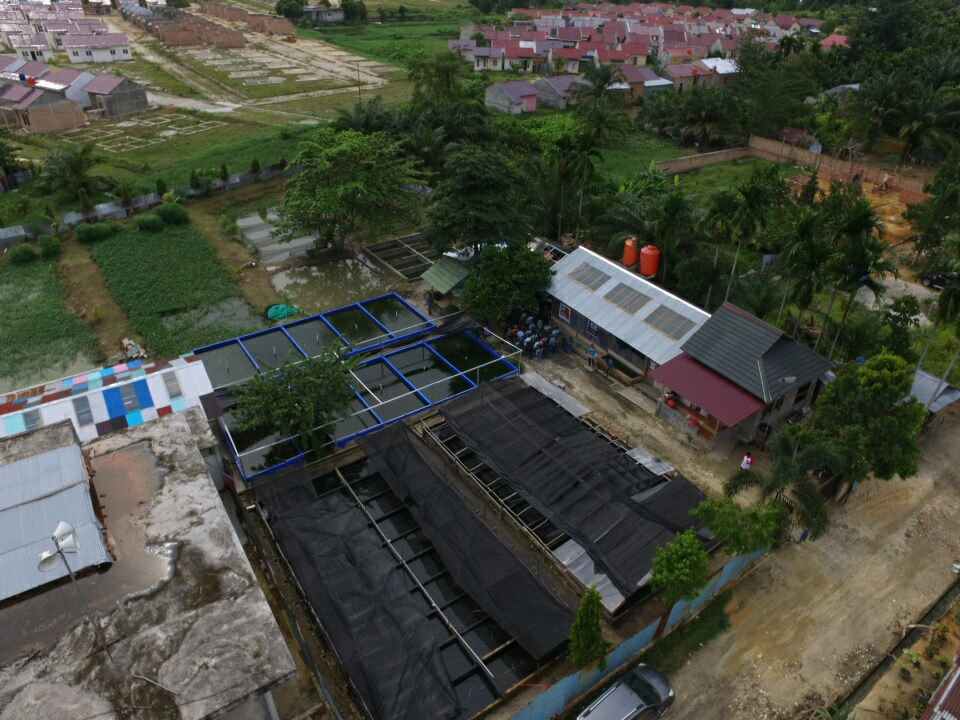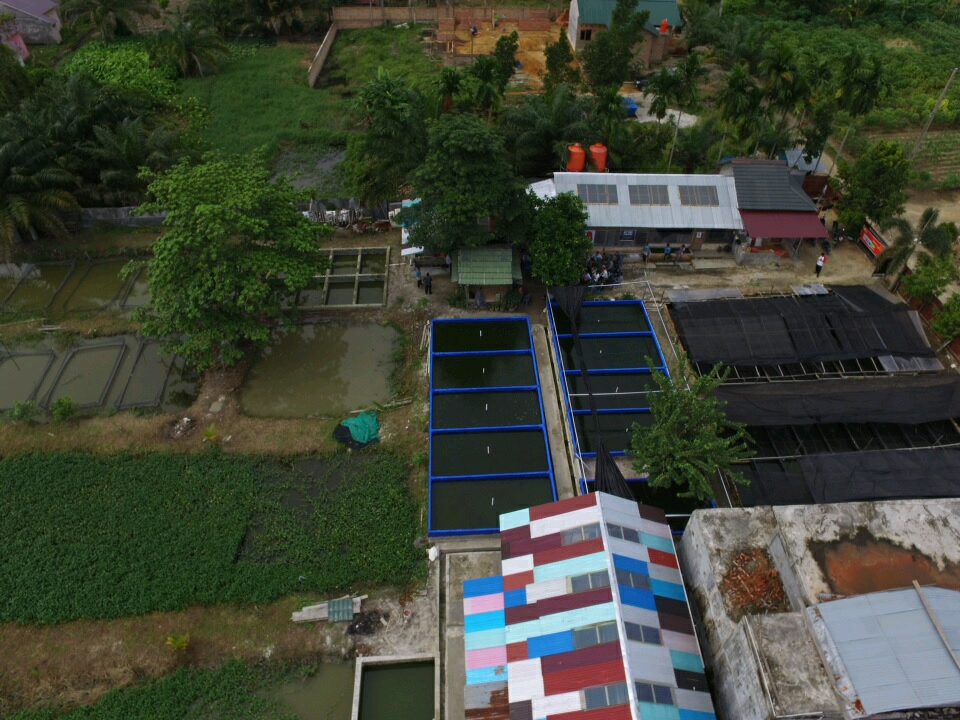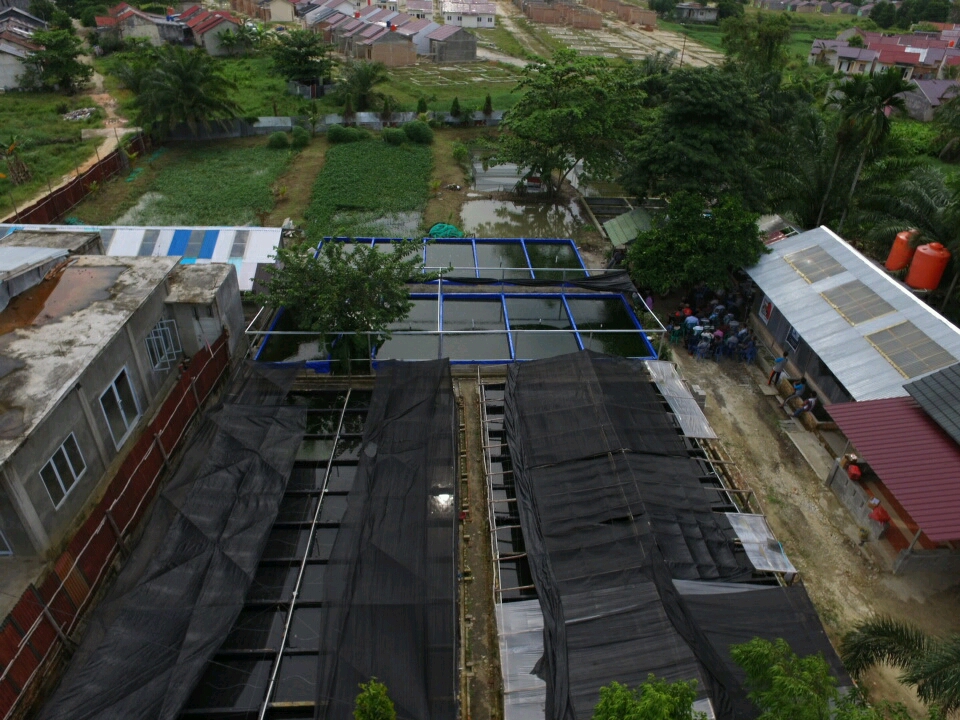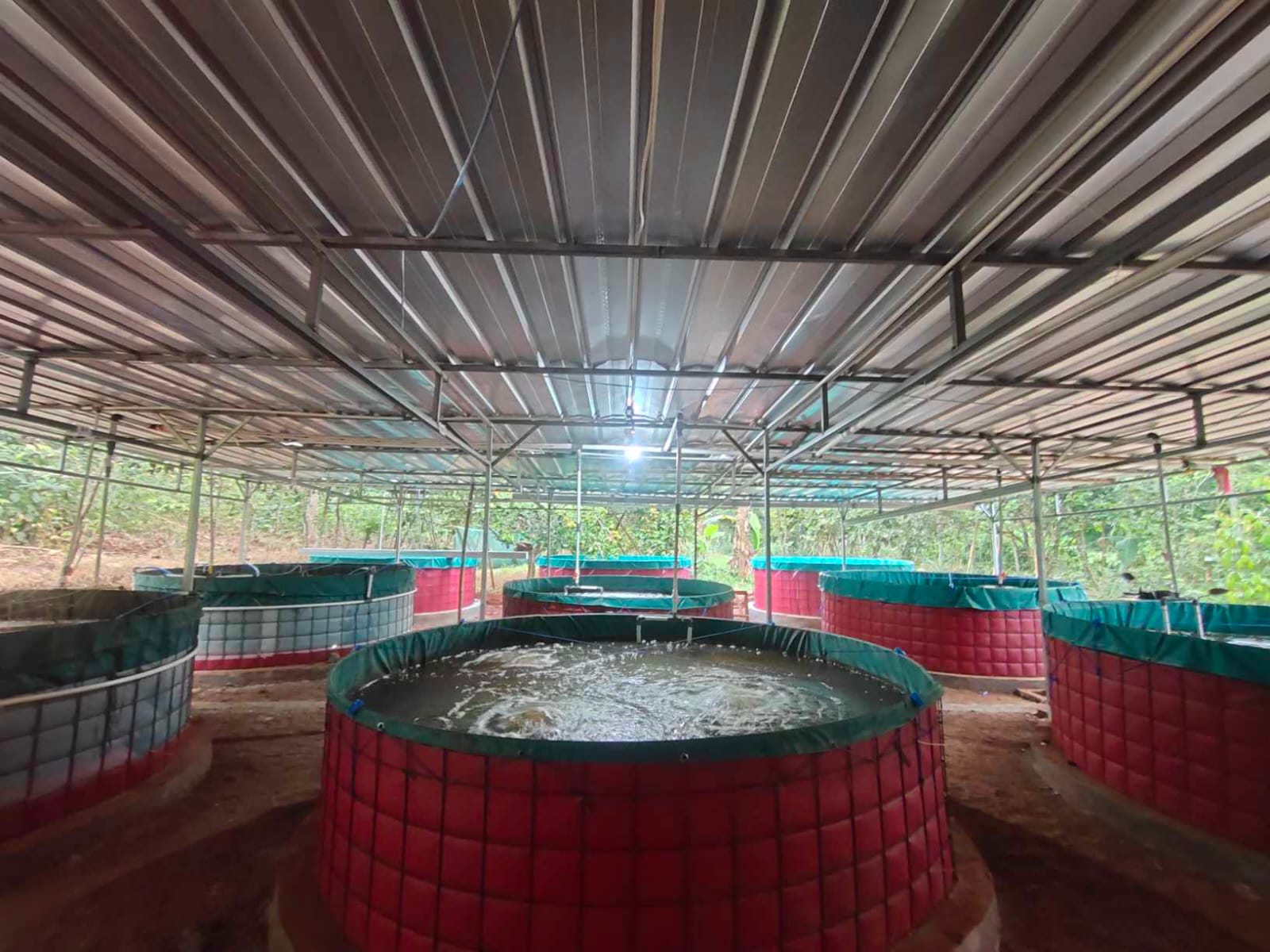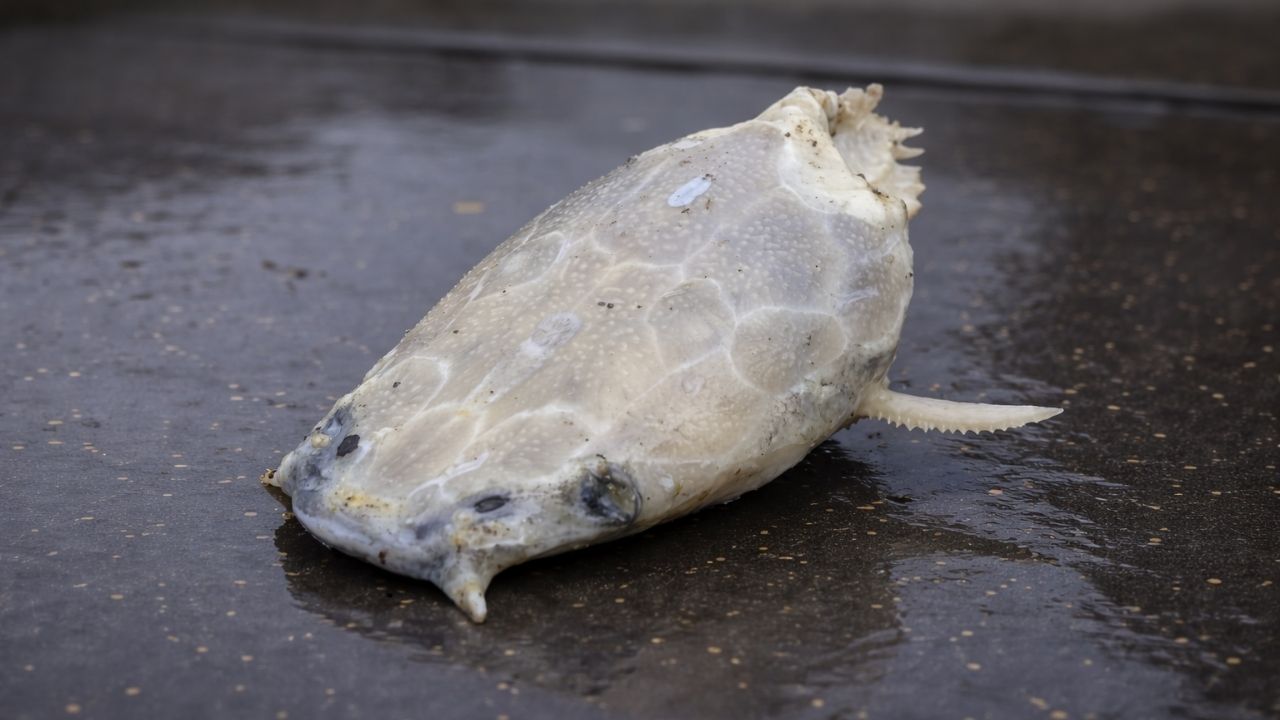

In the murky, intensively crowded waters of Indonesia’s aquaculture ponds, an ancient survival instinct is quietly undermining the livelihoods of local fish farmers. Driven by evolutionary design rather than mere anomaly, infant catfish are routinely turning upon one another in a cannibalistic cycle that can obliterate more than half of a harvest. Understanding the biological imperatives behind this behavior is no longer solely an academic endeavor, but a critical economic necessity for a nation banking its food security on aquatic agriculture.
Within the expansive and dynamic landscape of freshwater aquaculture in Indonesia, the intensive cultivation of fish belonging to the order Siluriformes most notably the walking catfish (Clarias sp.) and the iridescent shark catfish (Pangasius sp.) holds an undeniably crucial role. These species stand as a vital pillar supporting not only the nation's broader food security but also its localized, grassroots economic framework. According to official data published by the Ministry of Marine Affairs and Fisheries (KKP) of the Republic of Indonesia, the ambitions set for the aquaculture sector are massive in scale. The national fisheries production target is projected to reach an astounding 24.58 million metric tons (27.09 million short tons) by the year 2025. Within this ambitious framework, catfish commodities specifically are projected to continue their overwhelming dominance, with a dedicated production target reaching more than 1.21 million metric tons (1.33 million short tons).
However, beneath these impressive prospects and sweeping production figures, the hatchery and nursery sectors remain fundamentally confronted by a persistent challenge that frequently cripples profit margins: a highly severe seed mortality rate. The primary factor acting as the formidable catalyst for this high mortality rate during this crucial developmental phase is intracohort cannibalism. This behavioral phenomenon, wherein individual fish prey upon members of their own species and age group, often leaves lay farmers feeling profoundly frustrated. Indeed, the overall survival rate during the delicate nursery phase for seed sizes between 3 and 9 centimeters (1.18 to 3.54 inches) can plummet drastically, touching a meager 42.5 percent if it is not mitigated through a rigorous, scientific approach.
Among the general public, this behavior is frequently misinterpreted as an unnatural cruelty or a systemic anomaly. Yet, modern ecological understanding demands that we view this phenomenon through a strictly objective lens. The cannibalistic nature present within the catfish group is by no means an anomaly; rather, it is an absolute natural law and arguably the most ancient of survival instincts. Unlike human civilization, which is inherently constrained by societal norms, morality, and an ethics of responsibility, aquatic ecosystems operate purely under the unforgiving principle of food chain equilibrium. The Creator designed this instinct fairly and in perfect balance to serve as an instrument of natural selection. Therefore, intimately understanding the biological mechanisms, predatory anatomy, and ecological drives behind cannibalism becomes deeply essential for aquaculture farmers seeking to design effective management strategies for the ultimate success of their fishery enterprises.
Primary trigger factors
Cannibalism in walking catfish and shark catfish does not occur randomly or without provocation. Instead, this behavior represents a manifestation of complex interactions among inherent genetic factors, prevailing environmental conditions, and human-led aquaculture management practices. There are three primary pillars that consistently act as the dominant triggers for this predatory cannibalistic behavior:
Size variation
The single most determinant trigger in intracohort cannibalism is the inherent difference in growth rates among individual fish within a single age group, or cohort. Genetically speaking, catfish exhibit a highly uneven baseline rate of growth. Within any single rearing pond, there will inevitably emerge superior individuals that manage to grow much faster, commonly referred to within the industry as "shooters" or "jumpers" alongside individuals that exhibit stunted or slow growth, known as "runts".
This discrepancy in physical body dimensions creates a lethal predator-prey hierarchy right in the water. Shooter individuals automatically possess a far more massive mouth gape and display noticeably more aggressive swimming capabilities, effectively allowing them to turn their smaller, weaker siblings into prey. When a cannibalistic event occurs, the predatory fish acquires massive amounts of essential protein and extra bioavailable energy, which in turn will accelerate its subsequent growth rate exponentially. This biological cycle continuously repeats and progressively widens the size variation gap within the enclosed population, leading to a dynamic wherein large fish become increasingly gigantic, while the population of small fish is continuously and systematically eliminated. This phenomenon is considered highly critical and typically reaches its absolute peak during the first 20 to 30 days of larval rearing.
High population density and space stress
Stocking density is directly and undeniably proportional to the intensity of cannibalistic events. Under intensive aquaculture conditions that intentionally rely on narrow, confined spaces, a high population density drastically increases the overall frequency of physical contact among individual fish. This constant friction creates a severe pressure on physical movement space that can rapidly trigger environmental stress, which subsequently manifests in the form of elevated aggression as the fish attempt to defend their immediate territory.
Observationally, cannibalism that is triggered by this high density is generally divided into two distinct types:
- Type I Cannibalism: This is characterized by direct, non-lethal aggression, where the predator actively bites or attacks body parts (usually targeting the tail) of a prey fish that is of relatively similar size. In these instances, mortality typically occurs as a result of secondary wound infections or overwhelming stress, rather than the fish being swallowed whole.
- Type II Cannibalism: This entails complete predation wherein the predator successfully swallows its prey entirely, usually starting from the head first. This specific type of consumption is highly dependent on the maximum capacity of the predator's mouth gape.
Interestingly, some members of the lay public incorrectly assume that an extremely high stocking density might actually serve to slow down cannibalism because the physical space required to actively hunt becomes restricted. In certain highly engineered setups, such as a Recirculating Aquaculture System (RAS), a hyper-intensive density coupled with exhaustively controlled water quality can indeed disrupt the normal territorial structure of the fish, thereby potentially reducing outward aggression. However, without absolutely flawless mechanical filtration and meticulous nutritional management, high density remains a ticking time bomb that can reliably trigger cannibalism.
Nutritional limitations and feeding frequency
As opportunistic predators characterized by an inherently high metabolic rate, catfish absolutely require a constant and reliable energy intake. A limitation in overall feed availability or the implementation of an irregular feeding schedule will immediately activate their most basic survival instincts.
For a rapidly starving catfish, preying upon fellow species members is the most rational and efficient bioenergetic strategy available. In terms of sheer nutritional profile, the body tissue of a conspecific prey possesses an amino acid, lipid, and protein composition that is exactly 100 percent identical to the specific physiological needs of the predator, rendering the resulting energetic conversion perfectly complete and highly efficient.


Periodic grading and sorting process of catfish seeds: BPBAT Tatelu
Anatomy and behavior (morphological)
Specialized morphological adaptations and innate biological behaviors render the catfish family extraordinarily efficient freshwater predators. Their unique physical traits directly support and mechanically facilitate the underlying nature of intracohort cannibalism.
Cranial structure and suction feeding mechanism
Catfish inherently possess an exceptionally wide mouth gape and skeletal jaws that are specifically designed to facilitate a suction feeding mechanism. Unlike many pelagic carnivorous fish that rely on biting and tearing flesh, the typical catfish skull is capable of rapidly expanding to create a strong negative pressure vacuum chamber. This specialized vacuum space functionally sucks the prey whole into the mouth within mere milliseconds. The superior combination of this massive gape size allows the catfish predator to effortlessly swallow prey possessing a total body length reaching anywhere from 60 to 70 percent of their own individual body size.
Sensory whisker organs (barbels)
The distinct whiskers or barbels found prominently on the order Siluriformes are not merely aesthetic evolutionary ornaments, but rather highly sophisticated sensory instruments. These barbels are intimately equipped with thousands of microscopic taste buds that are directly connected to facial lobe nerves, alongside specialized chemoreceptors that remain extremely sensitive to even minute chemical changes in the surrounding aquatic environment.
Nocturnal behavior and turbid water dynamics
As fundamentally nocturnal animals that are predominantly active at night or in muddy, turbid waters featuring exceptionally low visibility, catfish rely heavily on their sensitive barbels and acute sense of smell to effectively detect prey. When a catfish larva is unfortunately wounded as a result of Type I cannibalism, various chemical compounds and trace amino acids from the open wound will immediately diffuse through the surrounding water. The barbels of other nearby catfish will detect this specific chemical signal instantly, provoking a rapid wave of collective aggression and ultimately triggering a brutal, cascading chain of cannibalism in the pitch darkness a terrifying ecological dynamic that can entirely devastate a pond's vulnerable population in just a single night.
Evolutionary perspective (survival of the fittest)
To understand this complex phenomenon comprehensively, cannibalism must be deconstructed through the clarifying lens of evolutionary biology. Within the rigorous discipline of scientific ecology, cannibalism in catfish is absolutely not considered a "cruel" behavioral quirk, but rather a functional Evolutionarily Stable Strategy (ESS) uniquely adapted to ensure the continued survival of the broader species under environmentally extreme conditions.
Population reduction as ecological control
In harsh natural habitats severely lacking in abundant feed and physical space, an unchecked population explosion of catfish larvae possesses the distinct potential to cause mass starvation and localized extinction. Cannibalism directly acts as a necessary density-dependent regulation mechanism. By systematically preying upon individuals of the exact same species, the cannibal actively eliminates the total number of direct competitors vying for the exact same limited resources, thus successfully restoring the fragile ecosystem's balance to a mathematically safe carrying capacity.
Extreme energy transfer effects
Viewed specifically from the perspective of biological thermodynamics, the accumulated biomass of individuals born with genetically weak traits or physical deformities would be completely wasted if they simply died and rotted away due to an inability to successfully compete. Cannibalism naturally ensures that the vital biological energy bound within those weak individuals is directly extracted and efficiently transferred into the growing bodies of physically strong individuals. This pragmatic energy transfer fundamentally guarantees that at least a select fraction of alpha individuals possess sufficient baseline nutrition to survive, grow to viable adulthood, and reproduce, rather than allowing the entire collective population to perish completely due to widespread starvation.
Biotechnology innovation notes
To effectively overcome this deeply ingrained ancient instinct within commercial aquaculture ponds, modern aquaculture research has conclusively proven that the strategic addition of specific dietary feed supplements can actively suppress cannibalism. The precise addition of soybean meal that is naturally rich in the specific amino acid tryptophan (a known serotonin precursor) has been scientifically proven to be highly capable of dampening systemic stress and mathematically reducing cannibalism by up to 21.21 percent. Furthermore, the careful adjustment of hormonal ratios such as the targeted use of exogenous melatonin hormones directly mixed into the feed or the deliberate management of 17β-estradiol is also demonstrably proven to successfully lower the specific androgen receptors that actively trigger territorial aggression, ensuring that the fish seeds become significantly calmer and the overall survival rate (SR) skyrockets sharply.
Business mitigation
The prominent cannibalistic nature found broadly across the majority of the catfish family represents a harmonious evolutionary combination of opportunistic predatory instincts, demonstrably superior morphological adaptations, and innate genetic responses reacting to growth variations and acute environmental pressures. This specific behavior is, at its core, a highly efficient natural population control mechanism brilliantly designed by nature to universally ensure the ongoing survival of the fittest.
However, within the heavily commodified ecosystem of the commercial aquaculture business, every single fish seed that is devoured represents a deeply tangible depletion of physical assets and critical profit margins. Therefore, this naturally occurring cannibalism absolutely must be mitigated systematically. Modern aquaculture farmers are functionally obligated to make the rigorous practice of physical sorting or grading (the periodic, manual separation of fish by size) a strictly non-negotiable operational pillar. Diligently separating the larger "shooter" individuals away from the much smaller "runts" will definitively eliminate the dangerous size variation gap, an action which directly and immediately nullifies the predator's anatomical capacity for suction feeding against its smaller siblings. Supported further by the disciplined implementation of scheduled, routine feed management utilizing an optimal feeding rate (6 to 8 percent), maintaining nutritional stability will comprehensively disable any lingering hunger-based cannibalistic instincts. Through the meticulous, ongoing integration of precisely managed grading and scientifically calibrated nutritional delivery, the overall Survival Rate (SR) can be maximally secured, beautifully transforming what was once a devastating biological challenge into an enduring foundation of economic resilience for the tireless champions of aquaculture food production in Indonesia.