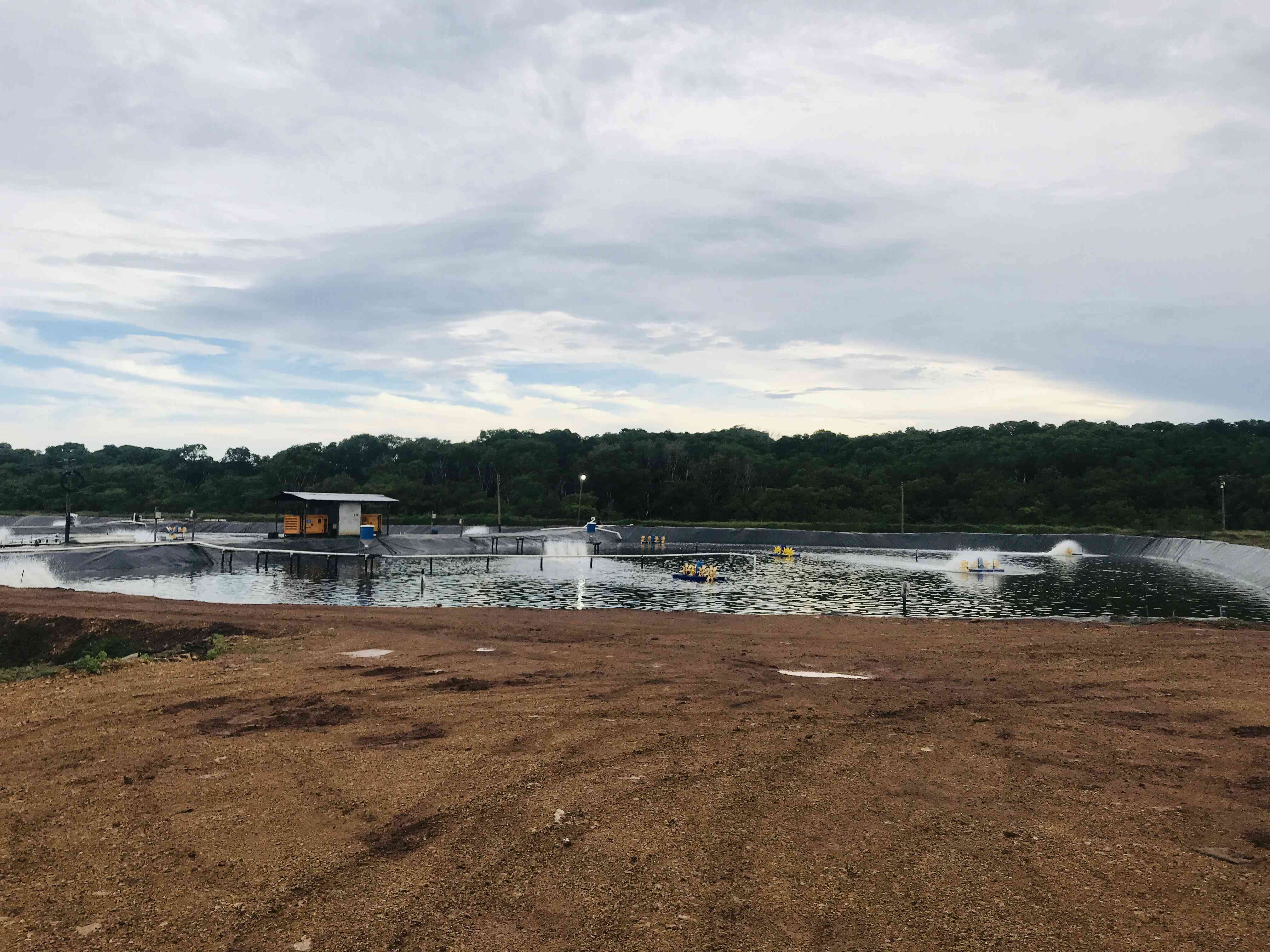
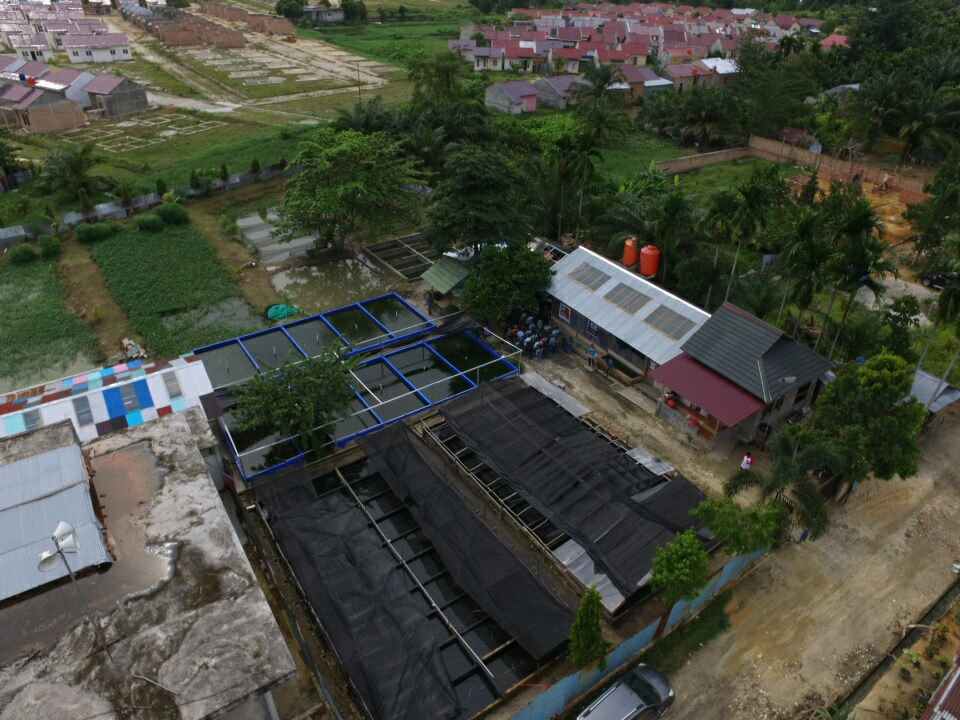
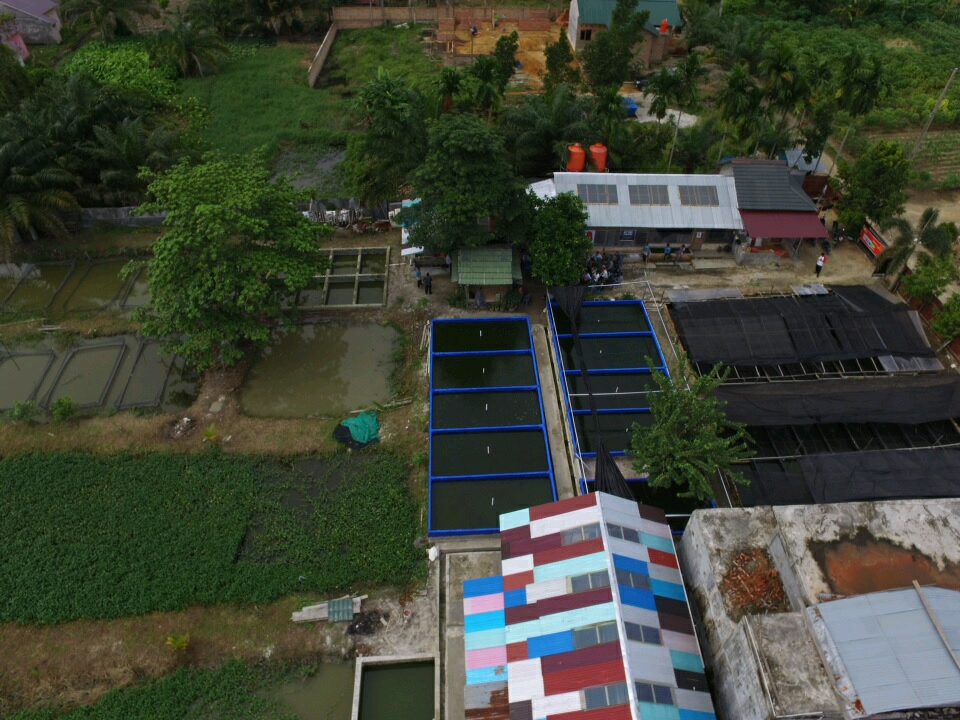
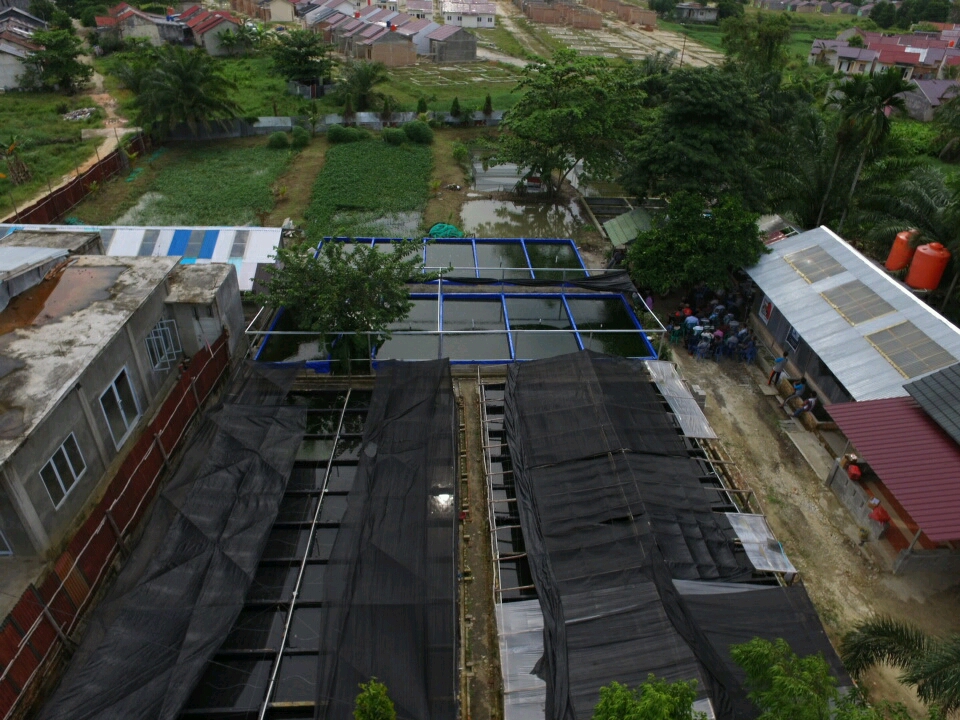
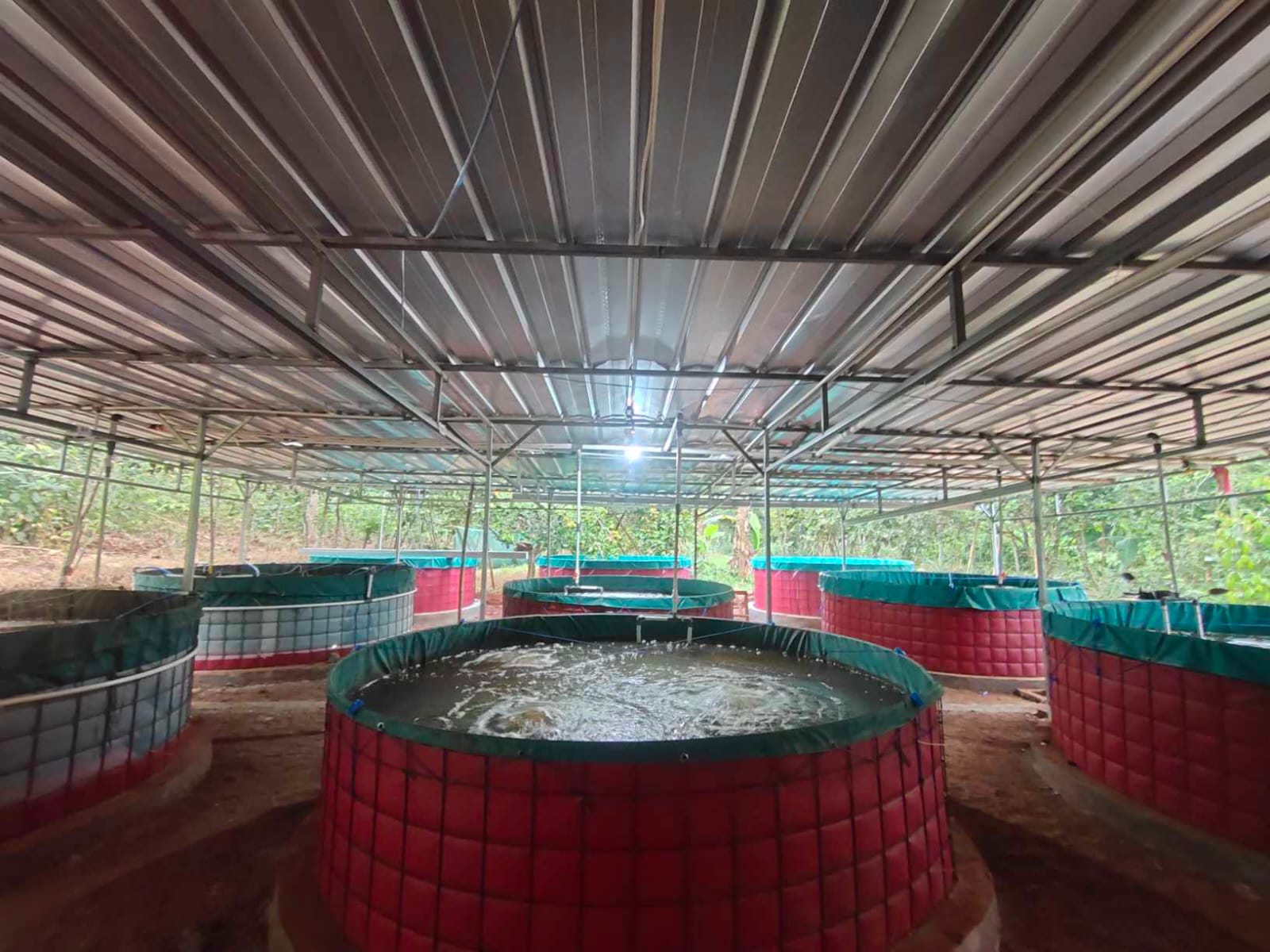
Pangasius fish farming has become a popular choice for fish farmers in Indonesia. Apart from being known to be relatively easy to do, this cultivation also promises quite profitable results. However, even though it is relatively easy, cultivating pangasius fish requires a lot of patience and diligence. One external factor that greatly influences the success of pangasius fish cultivation is water quality.
Water quality is a crucial element in pangasius fish cultivation, because fluctuating water conditions can have a significant impact on physiological processes and fish behavior. Pangasius fish are very sensitive to environmental changes, so unstable water conditions can affect the level of resistance or even cause fish death. According to various studies, extreme changes in water conditions can occur daily or seasonally, which means that pangasius fish farming requires extra attention to water quality at all times.
Fluctuations in water quality can be caused by various factors, including changes in temperature, pH, dissolved oxygen levels, and chemical content. When water conditions change drastically, pangasius fish must adapt quickly, which often leads to stress. This stress can reduce the fish's immune system, making it more susceptible to disease and infection. In addition, poor water conditions can also slow down fish growth, thereby reducing production efficiency.
Facing this challenge, pangasius fish farmers need to implement effective water quality management strategies. Regular monitoring of water quality parameters, such as temperature, pH and oxygen levels, is essential to ensure an optimal environment for pangasius fish growth. In addition, the use of technology such as aeration systems and biofilters can help maintain stable water quality and support fish health.
The importance of maintaining water quality
Good water quality is the main key in cultivating pangasius fish. Water that is not properly maintained can cause various serious problems, such as fish disease, slow growth, and even mass death. Pangasius fish are highly dependent on stable water environmental conditions to support their physiological and metabolic processes. If water quality decreases, for example due to low oxygen levels or high ammonia content, pangasius fish will experience stress which will impact their health and productivity.
To overcome water quality problems, cultivators often siphonize and replace the water periodically. Siphonization aims to remove dirt and food waste that has accumulated at the bottom of the pond, while changing the water helps reduce pollutant concentrations. Although this method is effective in the short term, it carries high risks. Starting from causing stress in fish to polluting the environment with the waste produced.
Siphonization and water replacement methods
Siphonization and water replacement are two traditional techniques commonly used in pangasius cultivation to maintain water quality. Siphonization aims to remove dirt and leftover food at the bottom of the pond, which if left unchecked can reduce water quality and become a source of disease. This process is carried out using a manually operated hose to suck dirt from the bottom of the pond, ensuring that organic remains do not accumulate and rot in the pond. After the siphonization process, some of the water in the pond will be replaced with new and clean water, which helps reduce pollutant concentrations and maintain the chemical balance of the water.

Pond siphon method: eFishery
Although siphonization and water replacement methods can reduce the amount of waste and maintain water quality in the short term, the process of repeatedly changing water can cause stress in pangasius fish. This stress is caused by sudden changes in the environment, including changes in temperature, pH, and mineral content in the water. Stress in pangasius fish can affect their immune system, making them more susceptible to disease and infection. In addition, the discharge of water containing food waste and fish waste into the surrounding environment can cause environmental pollution. This wastewater often contains organic and chemical substances that can damage aquatic ecosystems, cause eutrophication and disrupt natural balance.
Bioremediation as an effective and efficient solution in pangasius fish cultivation
One alternative that is effective and efficient in maintaining water quality in cultivation is to apply the bioremediation method. Bioremediation is the process of applying microorganisms to reduce the amount of pollutants in the environment. These microorganisms carry out biotransformation that results in biodegradation, converting toxic pollutants into harmless, non-toxic metabolites. The application of bioremediation in pangasius fish farming is very important because it can help maintain water quality, reduce operational costs and improve fish health.
Bioremediation technology functions to improve environmental quality, especially water, by using microorganisms. In nature, there are many types and numbers of microbes that have adaptive abilities and specific functions that can be used for environmental restoration. These microorganisms, such as bacteria and fungi, are able to break down toxic organic and inorganic compounds into simpler, less dangerous compounds. For example, some types of bacteria can break down ammonia into less toxic nitrates, while certain fungi can break down complex organic compounds into more manageable components.

Manual bioremediation process with distribution of microorganisms: PPK Kemayoran
Application of bioremediation in pangasius fish cultivation
In pangasius fish cultivation, the application of bioremediation can be carried out through several methods. One method commonly used is the use of a biofilter. A biofilter is a device that contains media with colonies of microorganisms that are capable of breaking down pollutants in water. Pond water that flows through the biofilter will undergo a cleaning process, where the microorganisms in the biofilter will decompose food residue, fish waste and other toxic compounds. In this way, water quality is maintained and pangasius fish can live in a healthy environment.
Apart from using biofilters, bioremediation can also be done by adding probiotics to fish feed or directly into pond water. Probiotics are live microorganisms that, when administered in sufficient quantities, confer health benefits on their hosts. In the context of pangasius fish farming, probiotics can help maintain the balance of microorganisms in ponds, reduce organic pollution, and improve water quality. Probiotics work by competing with pathogenic microorganisms for nutrients and living space, thereby reducing the risk of disease in fish.
Benefits of bioremediation
The application of bioremediation in pangasius fish farming offers various advantages. First, bioremediation can reduce operational costs. The use of microorganisms to break down pollutants is cheaper than the method of periodically changing water. Apart from that, bioremediation is also more environmentally friendly, because it does not cause environmental pollution due to the discharge of polluted water.
Second, bioremediation can improve fish health. By maintaining water quality, the risk of fish disease can be reduced, so that fish death rates can be minimized. Fish that are healthy and grow well will provide more optimal harvest results. Good water quality also contributes to faster and more efficient fish growth, because the fish do not have to adapt to poor environmental conditions.
Third, bioremediation can also increase the sustainability of pangasius fish farming. By maintaining the balance of the aquatic ecosystem, pangasius fish farming can be carried out sustainably without damaging the environment. This is important considering the need for animal protein sources continues to increase along with human population growth. Bioremediation technology allows farmers to produce pangasius fish in large quantities without sacrificing environmental sustainability.
Challenges in applying bioremediation to pangasius fish farming
Although bioremediation offers various advantages, its application in pangasius farming also faces several challenges that need to be overcome to achieve optimal results. One of the main challenges is the lack of knowledge and understanding of cultivators regarding this technology. Many pangasius fish farmers do not know or understand in depth the concept of bioremediation and how it works. As a result, they tend to rely on traditional methods such as siphonization and water changes that are already familiar to them. To overcome this, intensive outreach and training efforts regarding bioremediation are needed for pangasius fish farmers.
Socialization and training regarding bioremediation must not only include theoretical explanations of the concept and benefits of bioremediation, but also direct practice in the field. Farmers need to be given an understanding of the types of microorganisms used in bioremediation, how to apply them, and how to measure and monitor the effectiveness of bioremediation in maintaining water quality. Apart from that, the training can also cover managerial aspects, such as budget planning and maintenance of bioremediation systems, so that farmers are able to manage this technology independently and sustainably.
In addition to knowledge challenges, the initial costs of implementing bioremediation are also a significant obstacle for many pangasius fish farmers. Installing biofilters, purchasing probiotics, and other supporting devices require a significant initial investment. However, it is important to understand that these costs can be considered a long-term investment. By implementing bioremediation, farmers can reduce recurring operational costs, such as the cost of periodically changing water and treating sick fish due to poor water quality.