Betafo District, located in the highlands of Vakinankaratra Province, Madagascar, offers stunning natural beauty. Surrounded by green rice fields and mountains, the area presents a serene and inviting landscape to visitors. This natural beauty, combined with abundant natural resources, makes Betafo a strategic region for the development of various sectors, including aquaculture, which is currently of particular interest.
In addition to its natural charm, Betafo benefits from its proximity to Antsirabe, one of Madagascar's largest vegetable and fruit-producing centers. Antsirabe is a major contributor to the regional economy, and its closeness to Betafo opens up significant opportunities for distributing agricultural and aquaculture products to wider markets. The region’s supportive geography and available resources position Betafo as a promising area for the growth of resource-based economic sectors.
One of Betafo’s most valuable natural resources is the abundant water supply from the surrounding mountains. The local population uses the year-round water flow for household needs, agriculture, and freshwater fisheries. This abundant water supply is crucial for daily life and offers significant potential for developing aquaculture. Lake Tatamarina, which spans approximately 7 hectares, serves as the center for freshwater fish farming in the region, with carp and tilapia as the primary commodities.
Although the use of Lake Tatamarina for fish farming is still largely traditional, the vast water resources available offer hope for the future development of a more modern and sustainable aquaculture sector.
Aquaculture potential and challenges in Betafo District
Freshwater fish farming has long been a part of life for the local population in Betafo. However, their methods remain highly traditional, with little use of modern technology. Despite this, aquaculture has become a primary source of livelihood, alongside rice farming, which is also widespread in Betafo. Carp and tilapia are the main fish species cultivated, especially in Lake Tatamarina, which is the hub of aquaculture activities in the region. With abundant freshwater resources, the people of Betafo are naturally positioned to further develop this sector.

Carp fingerlings produced by farms in Betafo District
Betafo's role as a producer of carp fingerlings is also a notable advantage. The carp fingerlings produced in Betafo are known for their high quality and are in demand throughout Madagascar. This highlights the district's significant potential in aquaculture, particularly in providing freshwater fish fingerlings. The strong demand for fingerlings presents an opportunity for the local population to increase production and expand their market, provided they are supported by more effective and efficient management systems.
However, the greatest challenge facing aquaculture development in Betafo is limited access to factory-made fish feed. Currently, the population relies on natural and locally sourced materials for fish feed, which often fails to meet the nutritional needs of the fish. As a result, fish growth is slower, and production does not reach its full potential. Access to higher-quality fish feed would significantly improve fish farming productivity in the region.
Visit of the Indonesian delegation and development strategy
At the invitation of Mr. Randriatahinamala Livasoa Moratiavina, the Chair of the local Council, an Indonesian delegation led by the Indonesian Embassy in Antananarivo had the opportunity to visit Betafo District to discuss the development of the aquaculture sector. The visit was warmly received by the local community, who see great potential in their freshwater fisheries sector, though it has been hindered by traditional methods. This meeting marked an important moment to discuss strategic steps for optimizing the fisheries potential in Betafo District, which is blessed with abundant natural water resources year-round.
During the meeting, PT Banglele Indonesia Maju, represented by Mr. Barkah Tri Basuki (41), emphasized the importance of environmental conservation in every step of aquaculture development in Betafo District. He highlighted that the region’s plentiful water resources must be managed wisely to ensure that fish farming activities do not harm the still-pristine ecosystem. He stressed that the development of aquaculture should adopt a sustainable approach—both environmentally and economically—so that it can provide long-term benefits to the community.
As a solution to increase productivity without disrupting the ecological balance, Mr. Barkah proposed the "Traditional Plus" concept. This system builds on the current traditional methods by incorporating more modern technology and management elements, while still considering the socio-economic conditions of the local community. Traditional Plus allows the people of Betafo District to improve their fish farming yields without overlooking their financial capabilities and existing knowledge. This concept also preserves local values such as community cooperation (gotong royong), which plays an essential role in the local way of life.

The Indonesian Embassy in Antananarivo, Banglele Indonesia, and the Betafo Council in front of the Betafo government office
The role of cooperatives, already established in Betafo District, is central to implementing the Traditional Plus system. Cooperatives will act as the driving force to help the community gain access to production inputs, such as fish feed and more modern equipment, as well as provide technical guidance to improve farming efficiency.
The Role of cooperatives in aquaculture development
Cooperatives in Betafo District play a crucial role in the development of the aquaculture sector, especially in addressing challenges and optimizing the area’s significant potential. To enhance productivity and the welfare of fish farmers, cooperatives can take several strategic steps to support sustainable freshwater fish farming development.
The first critical step is self-production of fish feed. One of the biggest issues in the aquaculture sector in Betafo is the limited access to factory-made fish feed, which is essential for increasing production yields. Cooperatives can help overcome this obstacle by producing fish feed locally, using easily available raw materials. By-products such as rice bran, chicken feather waste, and fish scraps from various sources like hotels, restaurants, and catering businesses in Antsirabe City can be processed into high-quality fish feed. Producing feed locally will make production costs more affordable for fish farmers, while reducing dependence on factory-made feed products, which are often difficult to access.
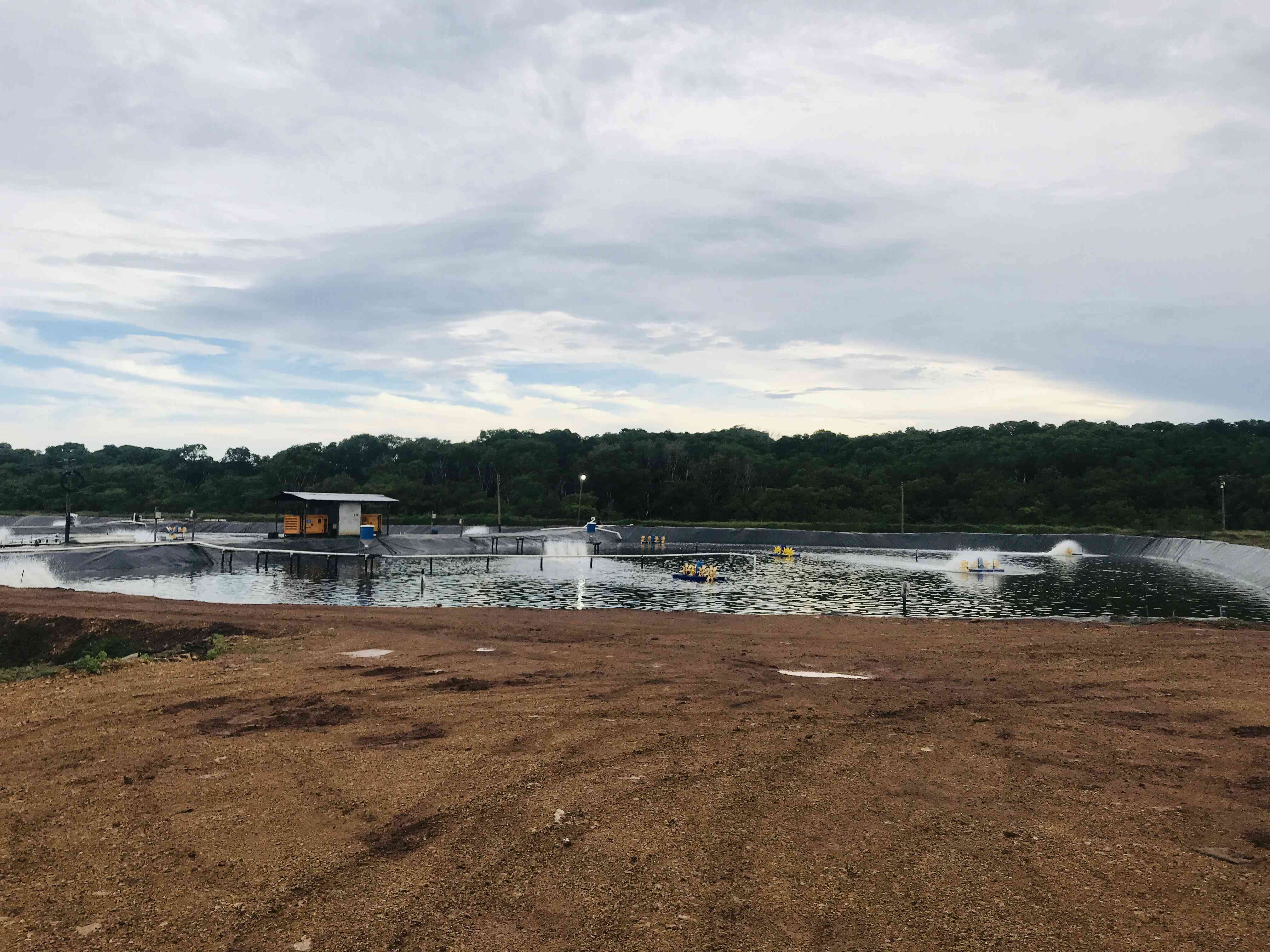
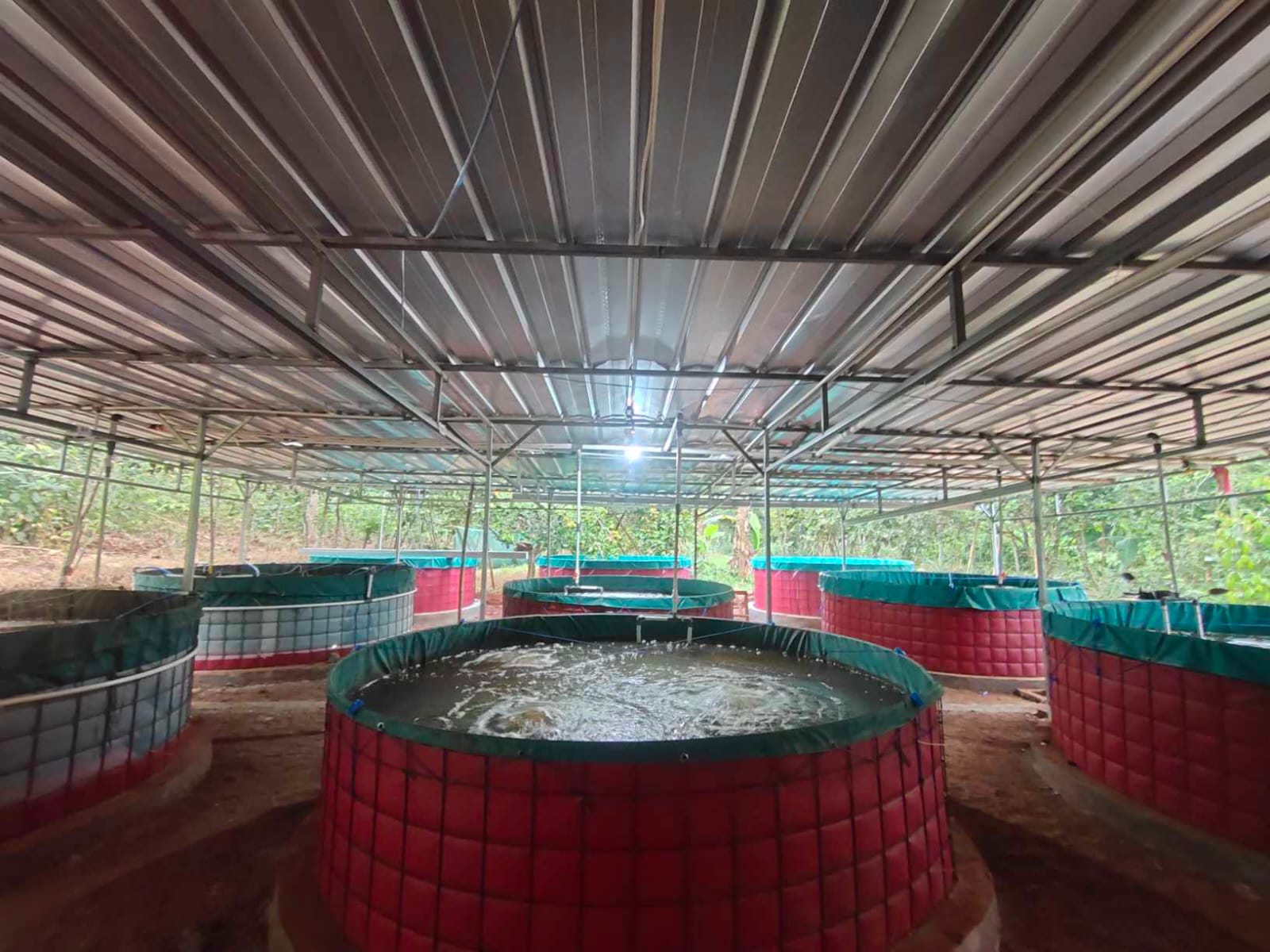
Additionally, cooperatives can play a role in providing production facilities. Affordable yet modern aquaculture equipment can increase efficiency and productivity for farmers. Cooperatives can offer facilities such as tarpaulin ponds, which are easier to manage and relocate, as well as supporting technologies like probiotics to enhance fish health. They could also supply floating nets for carp fingerling production, helping farmers improve the quality of the fingerlings they produce. With these facilities available, the proposed Traditional Plus system can be implemented more effectively, without disregarding the economic realities of the local community.
The next step is to provide training and technical guidance to farmers. Cooperatives should form trained extension teams to educate the community on more efficient and environmentally friendly freshwater fish farming techniques. In addition, cooperatives can strengthen marketing networks for fishery products. One of the challenges faced by farmers is difficulty in selling their harvest at a fair price. Cooperatives can establish more organized marketing systems, forging partnerships with local and regional markets to ensure that fish products from Betafo District can be sold at profitable prices.
Equally important is the collaboration with private companies and academic institutions in efforts to develop the aquaculture sector in Betafo District. Through Corporate Social Responsibility (CSR) programs, companies can contribute by providing financial or technological support to assist the local community. Academics from universities or research institutions can also offer technical assistance and the latest scientific knowledge on sustainable fish farming. The local government is also expected to play a role by providing adequate infrastructure for fisheries and facilitating access to wider markets.

Engaging in discussions with the local community of Betafo
Steps toward a sustainable future
The development of aquaculture in Betafo District is a crucial strategic step in improving the well-being of the local community. By utilizing the abundant water resources available, Betafo District has significant potential to optimize freshwater fish farming, which has long been a key sector in the lives of its people. The year-round supply of water from the surrounding mountains allows for efficient fish farming, but the traditional approach currently in use requires updating to become more sustainable and productive.
Through the role of cooperatives, fish farming management in Betafo District can be significantly enhanced. Cooperatives serve as a platform to organize fish farmers to collaborate, whether in terms of feed supply, production facilities, or marketing of their harvests. Strengthening cooperatives will encourage a more efficient production system, allowing the community to access the latest technology and knowledge without disregarding local wisdom and socio-economic factors. The implementation of the "Traditional Plus" system, proposed by the Indonesian delegation, is a relevant solution that combines traditional methods with environmentally friendly innovations, increasing productivity without compromising the preservation of natural resources.
The community in Betafo District is highly enthusiastic about this development plan, given that aquaculture has become an integral part of their lives. With this approach, not only is productivity expected to improve, but the overall welfare of the community will also be elevated. Support from local government, cooperatives, as well as private sector and academic institutions, will be key in realizing the great potential of Betafo District as a center for aquaculture development in Madagascar’s highlands.