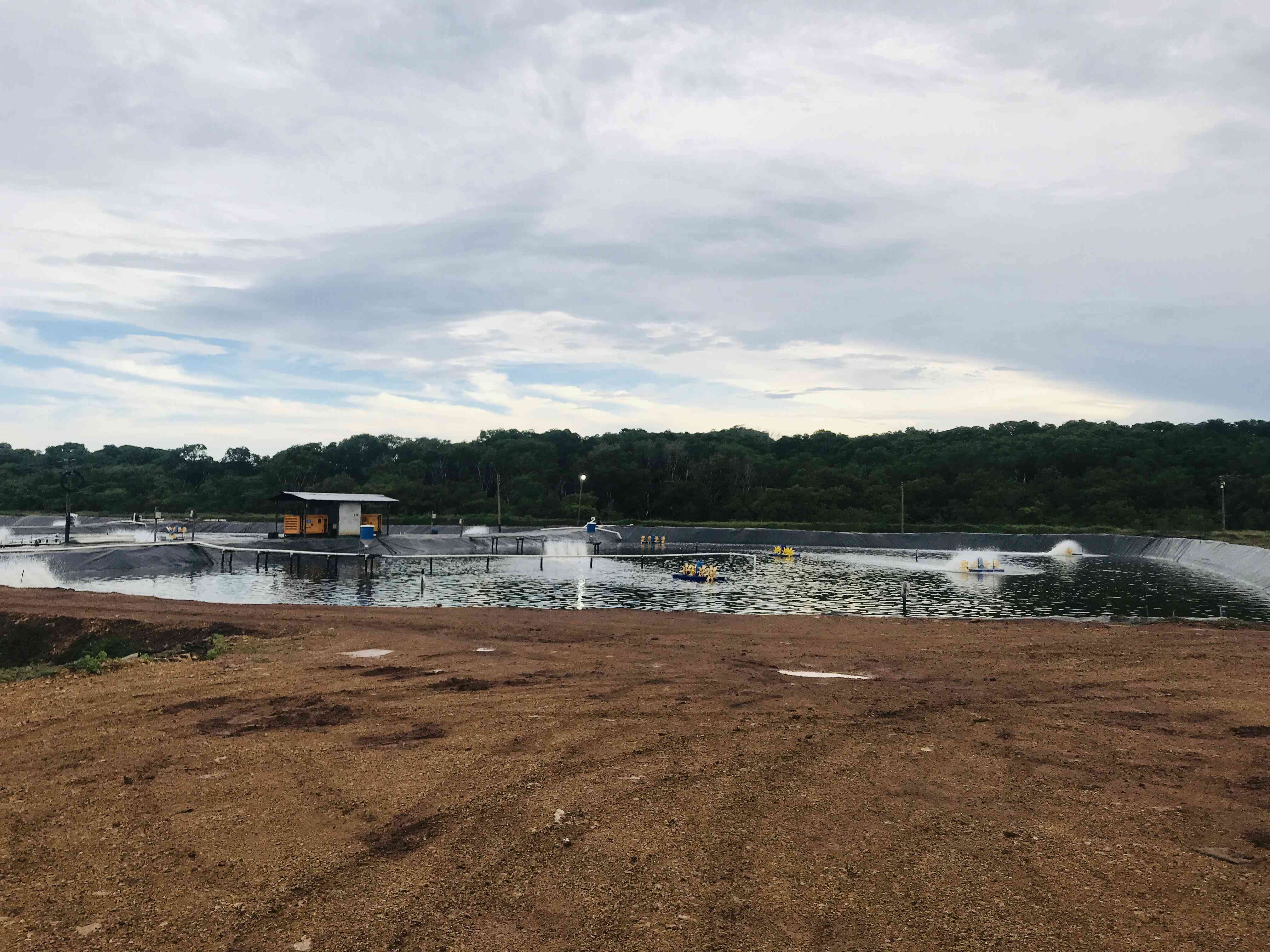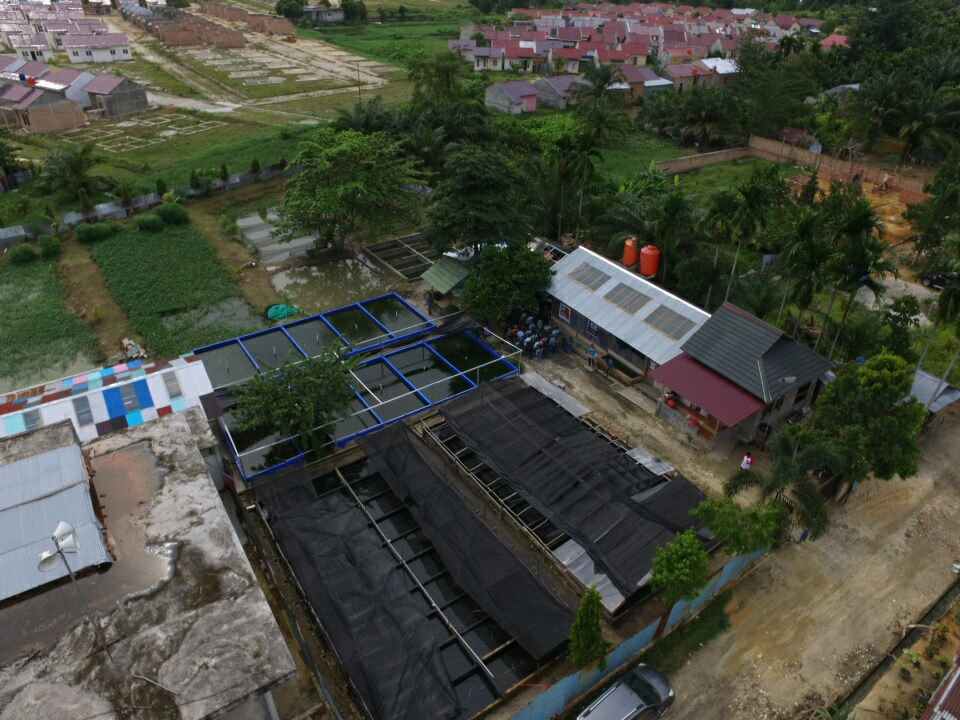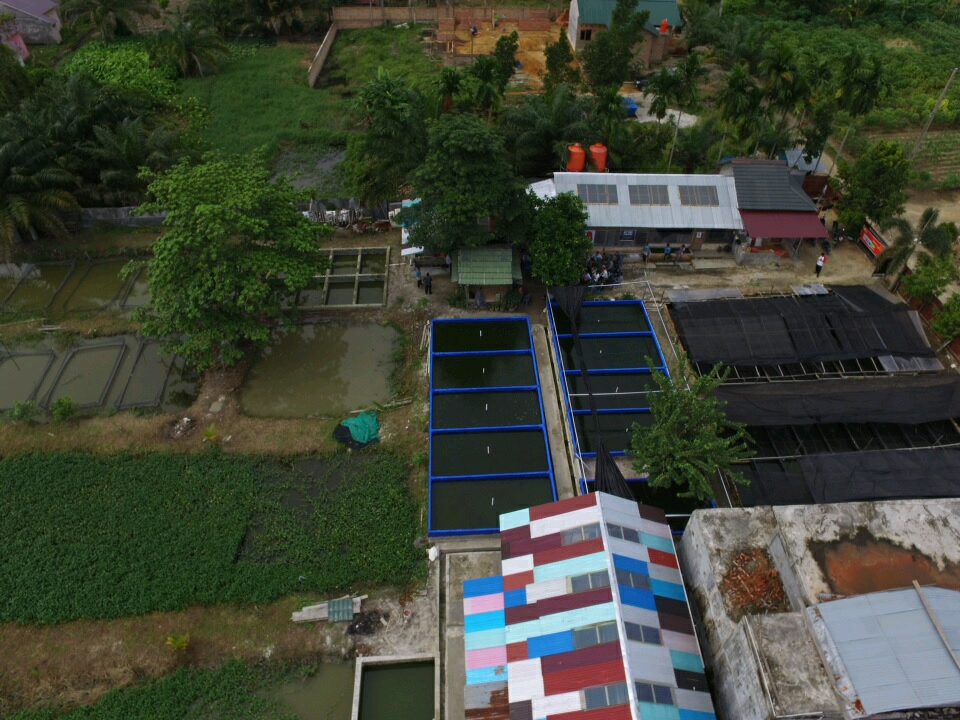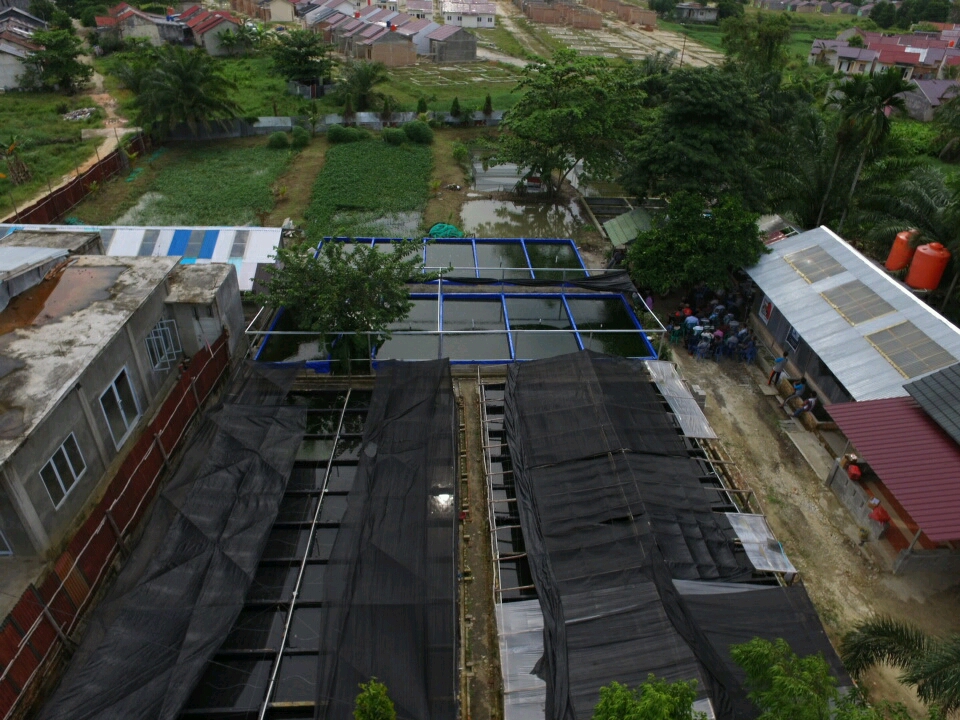

Starting a catfish aquaculture venture does not necessarily require a commitment to the operationally exhausting demands of large-scale volume. For beginners, the most judicious strategy is to operate within a market niche that prioritizes operational cost efficiency and product value addition. Under the guiding philosophy of "small production, yet large margins," many novice farmers find themselves ensnared by the prevailing mindset that "the more fish there are, the luckier one will be". In reality, within the realm of catfish aquaculture, a high production quantity without the presence of strict feed management often becomes a counterproductive boomerang, driven primarily by the exorbitant costs of feed, which typically account for 70 to 80 percent of total production expenses.
Usually, this specific paradigm of failure is a frequent occurrence among uninitiated beginners. Initially, they consume promotional advertisements on YouTube and various social media platforms, drawn in by the tantalizing promise of "minimal capital yet overwhelmingly abundant profits". Furthermore, one can encounter other similarly unwise and careless patterns when inadvertently trapped by aquaculture schemes framed around multi-level marketing (MLM) structures. Other deceptive methodologies also manifest within the aquaculture business under the guise of high-yield investments, and there are already numerous documented examples of individuals who have fallen victim to these predatory practices.
Therefore, it is fundamentally critical for beginners to thoroughly understand the foundational principles of aquaculture before plunging directly into the mechanics of this business. One must meticulously scrutinize and comprehensively understand the inherent risks of cultivating aquatic animals—a demanding sector that many outsiders tend to overlook. Nevertheless, one should also avoid being excessively dismissive of the catfish aquaculture business, which possesses a demonstrably stable market absorption rate. Currently, the catfish has ascended to become one of the top three freshwater fish species most heavily consumed by the Indonesian public. Furthermore, at this present moment, the demand for catfish has increased quite drastically following the implementation of the Free Nutritious Meal (Makan Bergizi Gratis or MBG) program, which serves as one of the flagship initiatives of President Prabowo Subianto's administration.
To successfully secure large profit margins within a small-scale framework, the operational focus must fundamentally shift away from a sheer tonnage orientation and move toward rigorous efficiency and creative marketing. At present, the broader digital marketing ecosystem is already highly supportive of strategic maneuvers designed to acquire large margins. The rapid development of delivery order systems has firmly established itself as a new cultural norm within society; indeed, even at the level of the general lay public, there has been a noticeable transformation toward adopting this culture. Consequently, executing marketing strategies digitally will automatically truncate the traditionally lengthy marketing chain, thereby allowing the producer to achieve highly effective marketing efficiency.
Selecting space-efficient pond technology
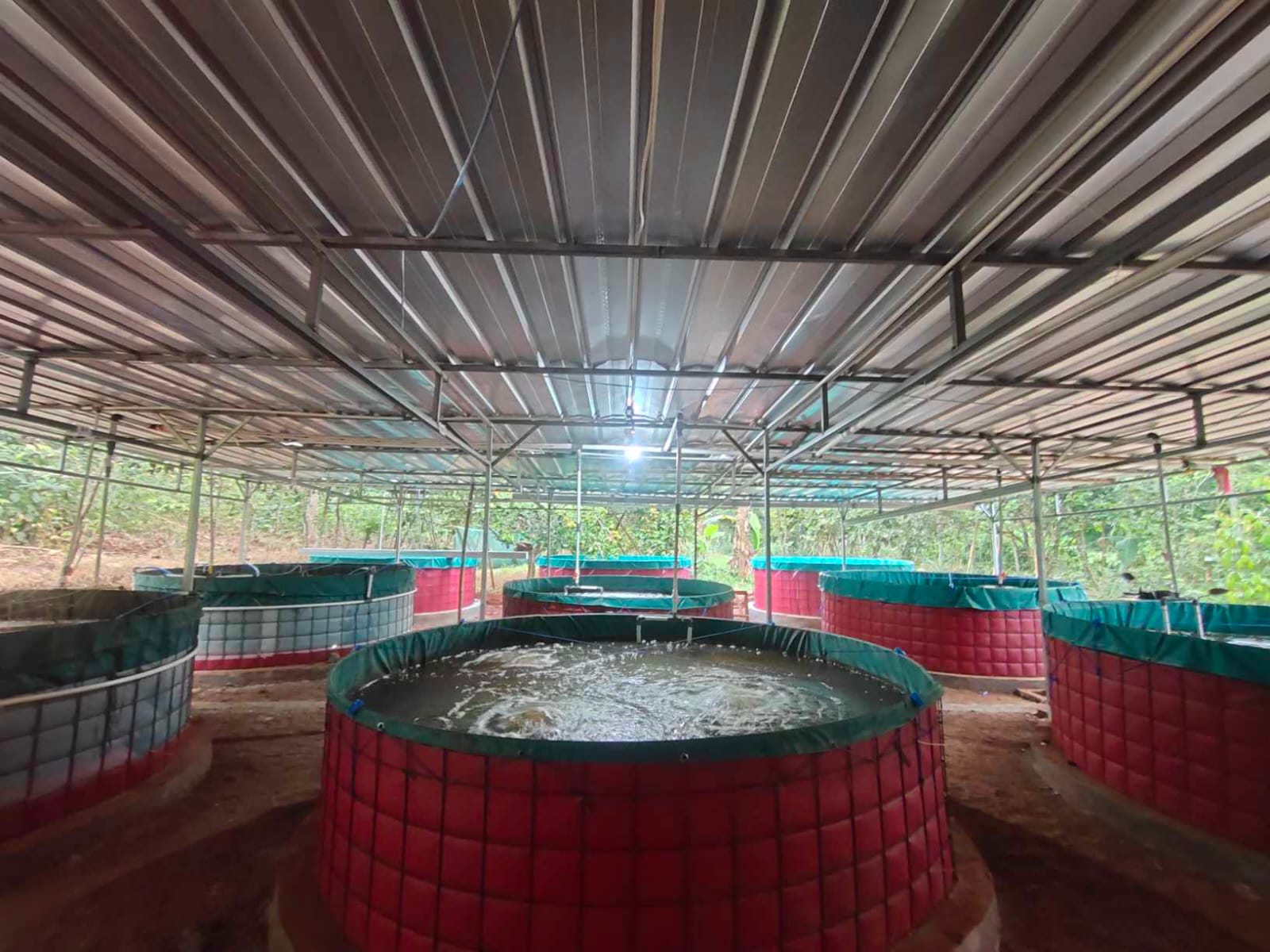
For small-scale operations, round tarpaulin ponds engineered with either the Biofloc system or the Red Water System (RWS) present the absolute best options. This specific systemic approach allows for a significantly high stocking density within a narrow, limited plot of land. The distinct margin advantage is derived from the implementation of much more stable water quality management, which is thereby expected to reduce the overarching risk of mortality. In this tightly controlled environment, every single living fish represents a vital asset that works to keep your financial margin firmly stable.
The secret to margins: Independent Feed Management
Manufactured commercial feeds, characterized by prices that continuously rise, act as the ultimate "killer" of profit margins. The prescribed strategy for beginners is to conduct active feed fermentation. Executing the fermentation process on pellet feed acts to significantly increase the rate of nutrient absorption, resulting in a low Feed Conversion Ratio (FCR). With an optimized FCR, the total volume of feed dispensed will be substantially less to successfully produce the exact same body weight in the livestock. High-protein alternative feeds, which can be secured by utilizing Black Soldier Fly (BSF) maggots, azolla, or boiled chicken slaughterhouse waste, function as highly effective feed substitutes for up to 30 to 50 percent of the dietary requirement without reducing the overall speed of growth.

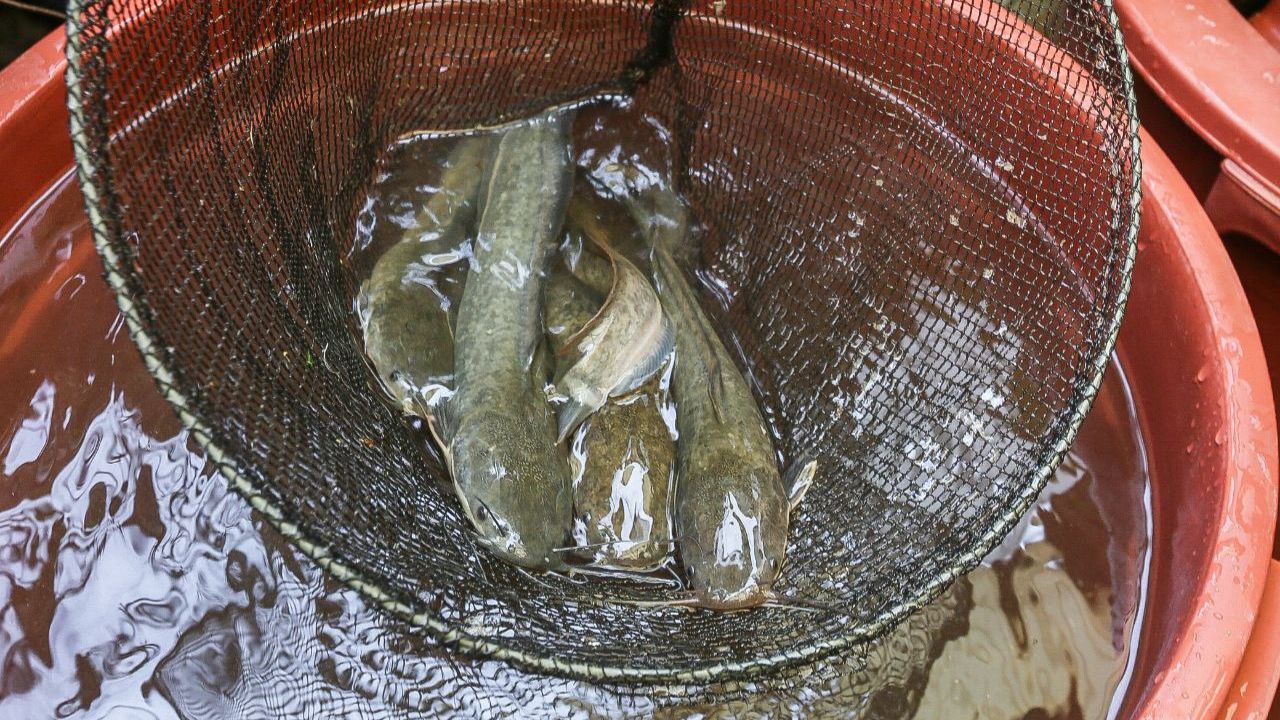
Monitoring and sampling of catfish for the budikdamber (fish farming in buckets) assistance program: Luhkan Kab. Sumedang/Wiwi Widaningsih
Grading and sorting
A "strict sorting" strategy is imperative to suppress the natural cannibalism inherent to catfish. Novice farmers frequently suffer the loss of 20 to 30 percent of their entire catfish population because the fish are simply eaten by their peers. By dutifully conducting a physical sorting process, or grading, once every two weeks, one will be able to suppress the rate of cannibalism. The act of separating the large fish from the small fish operates to meticulously ensure a uniform growth rate while drastically driving down the mortality figures. This specific operational efficiency will directly and immediately impact net profits.
The underlying quality of the catfish fingerlings will also dictate how frequently one must conduct the grading and sorting procedures. If the seed quality is excellent, the resulting growth will naturally be much more uniform, ensuring that the level of size diversity remains highly manageable. Usually, high-quality catfish fingerlings command a price point that is relatively more expensive when compared directly to the fingerlings obtained from suppliers who pay far less attention to seed quality. However, even if the price of the fingerlings is expensive due to their high quality, the ultimate success of the aquaculture endeavor will be heavily determined by the final outcome: namely, that the fingerlings grow rapidly and are also highly feed-efficient, meaning that a lower FCR—and consequently, a large margin—will be achieved.
Adding value to the harvest
Value addition can be effectively accomplished by means of downstream processing (hilirisasi), executing strategic innovation so as to ensure the operation is not solely reliant upon selling live fish. The largest margins in the modern fishery business are no longer exclusively enjoyed by the middleman wholesale market, but rather rest safely in the hands of the end consumer or within the format of processed goods. Selling catfish that are already properly seasoned, or marinated, will yield a vastly more profitable return when compared against selling live catfish directly to wholesale collectors at a persistently low price. Merely adding value by properly cleaning the fish and providing seasoning can confidently increase the selling price per kilogram by up to 40 to 60 percent compared to the baseline price of catfish in the traditional market.
Executing simple downstream processing exactly like this will also prove to be far more significant in aggressively multiplying the accrued margins. However, managing the delicate relationship between feed efficiency and final selling price will remain a mandatory prerequisite if your aquaculture business intends to possess a large and fully sustainable profit margin. This explicitly means that the core definition of "small production, yet large margins" focuses substantially more on the holistic quality of the cultivation rather than fixating on the sheer size of the aquaculture operation. This reality provides a vital signal to all beginners that, before commencing their cultivation efforts, it would be much wiser to make priority-scale choices that carry the absolute smallest degree of risk.

Marinated catfish: Banglele Indonesia
Digital and direct-to-consumer marketing
If your catfish production remains relatively small, you strictly do not require access to a central wholesale market. Producers can adeptly harness the power of community by establishing pre-order systems within local social groups positioned immediately around them. Offer the resulting harvest to neighborhood citizen WhatsApp groups or other local social media channels. Educate the consumer base by methodically building the branding of your fish as "Hygienic Catfish" that are exclusively cultivated in pristine water with highly controlled feed sources. The modern consumer is remarkably willing to pay more for undeniable quality and cleanliness.
Campaigns and public invitations to consume healthy catfish can also be channeled through digital marketing by providing persuasive, structured education. Catfish frequently suffer from a poor public image because they are widely known as dirty, greedy, and cannibalistic fish; indeed, a significant portion of our population actively refuses to consume catfish exclusively because of that entrenched image. We can actively seize this exact opportunity and moment as positive educational material addressing the tangible benefits of consuming catfish if they are cultivated in a manner that is both good and correct.
It can be definitively concluded that beginners, as well as those who are already deeply engaged in the catfish aquaculture business, should thoughtfully consider the brief explanations outlined above. Undertaking catfish aquaculture with a small production footprint remains highly ideal for diligently honing technical expertise without absorbing a massive, overarching financial risk. By forcefully suppressing Feed Conversion Ratio (FCR) figures and possessing the courage to execute downstream product innovation, the profit margins obtained can far exceed those of massive-scale farmers who remain solely dependent upon selling raw fish directly to middlemen. The key factor is not focused upon exactly how much seed you spread into the water, but rather upon how intensely efficient you are in managing every single gram of feed that will eventually transform into high-value meat.