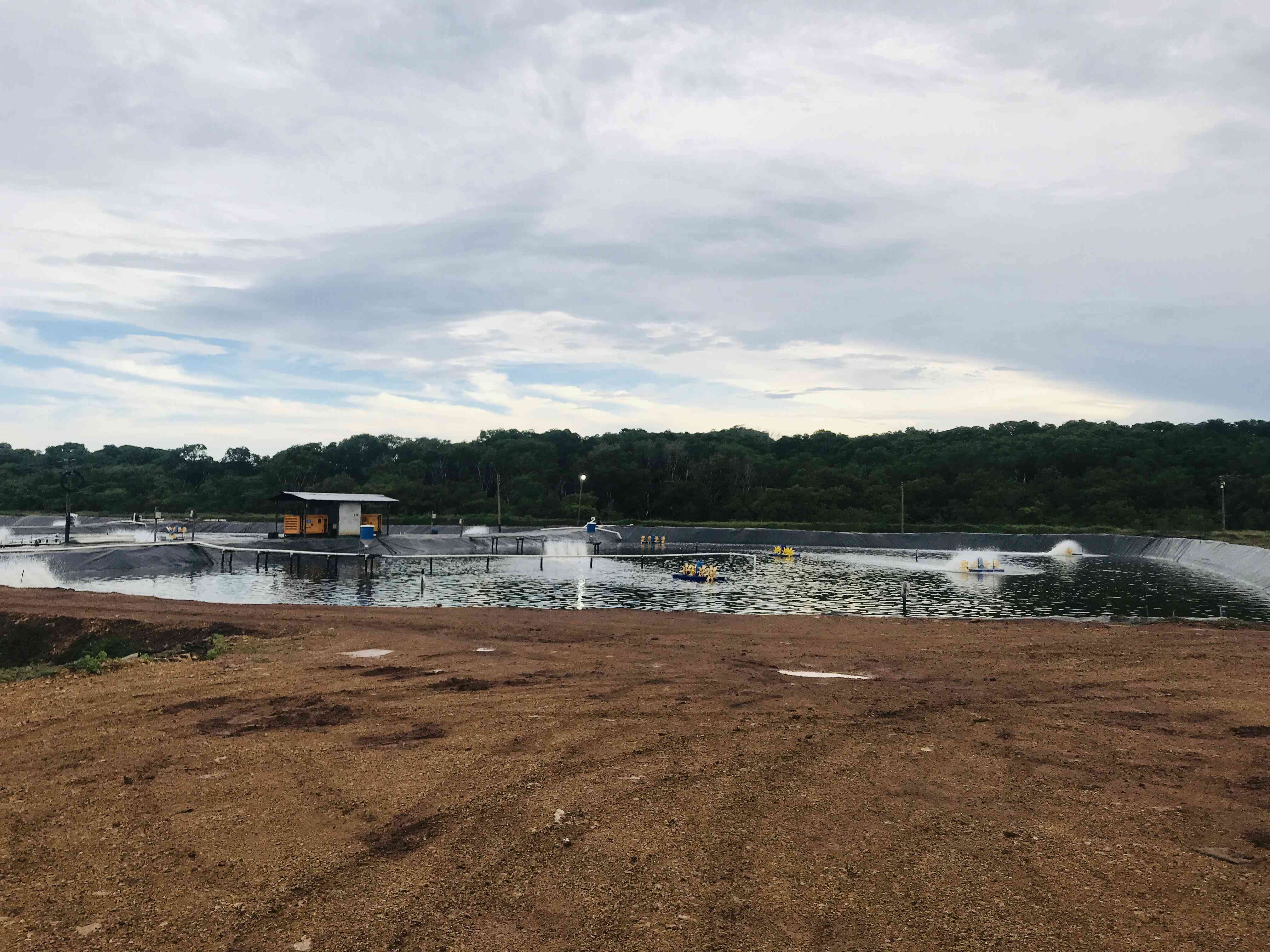
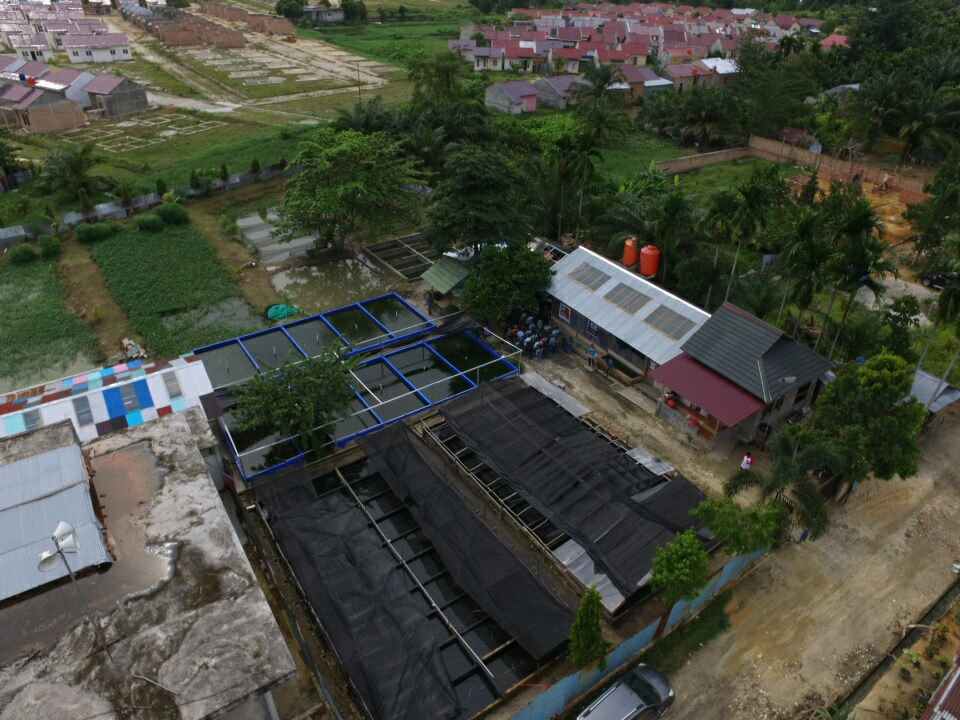
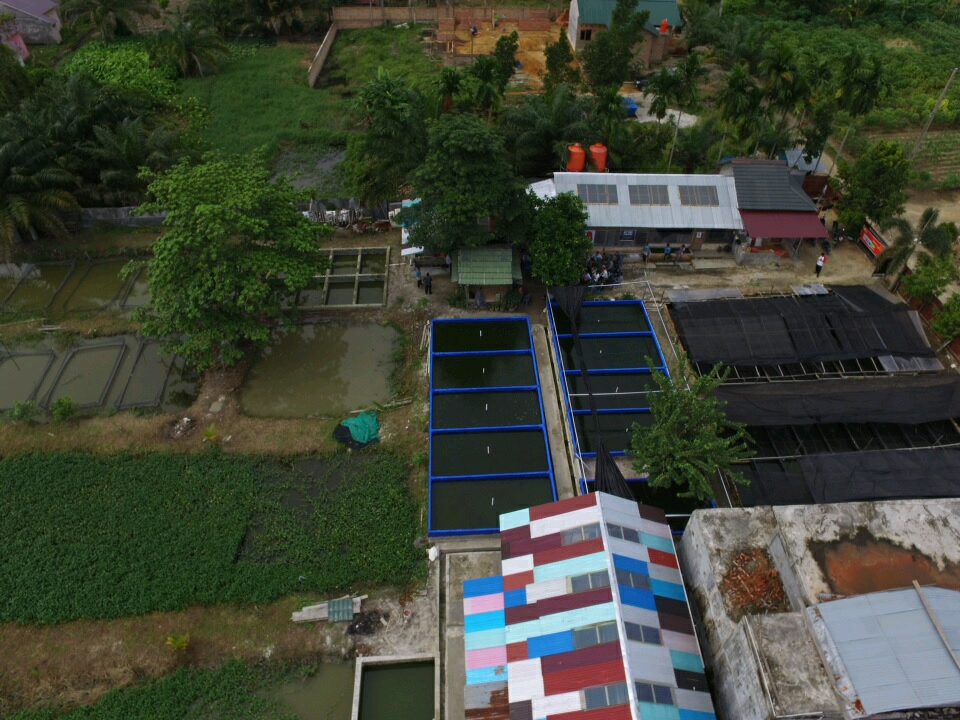
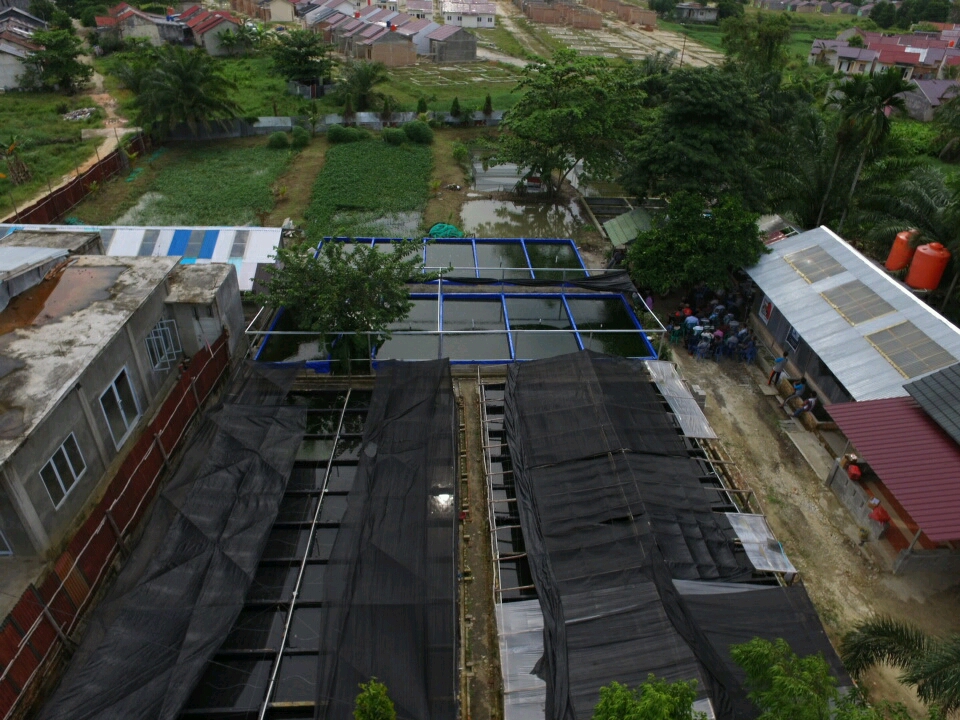
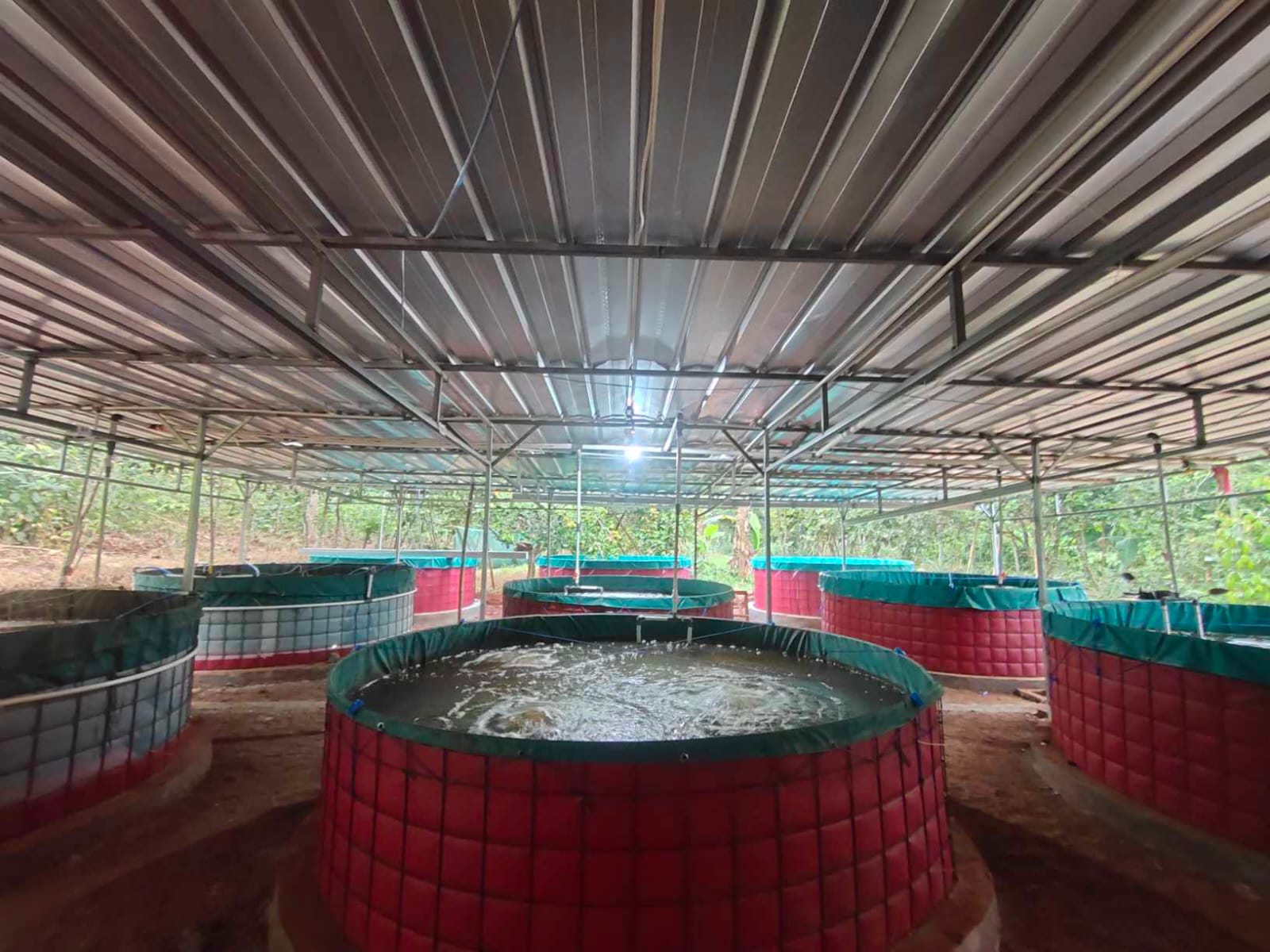
The geopolitical and ecological imperative for transformation
Indonesia, the world's largest archipelagic state, possesses a coastline that stretches over 54,716 kilometers, the second longest globally a geographic reality that has historically predetermined the trajectory of its aquaculture development. For generations, the nation's aquaculture identity was inextricably bound to the intertidal and coastal zones. The brackish water pond systems, known locally as tambak, have served as the economic backbone for coastal communities across Java, Sumatra, and Sulawesi. However, the contemporary aquaculture landscape is undergoing a radical and fundamental paradigm shift. The industry is currently witnessing a massive strategic migration, moving the center of gravity from the traditional coastal zones to inland terrestrial environments, utilizing freshwater media.
This transformation is not merely a diversification strategy; it is a survival mechanism. The driving force behind this shift is the production of Litopenaeus vannamei (the Pacific White Shrimp), an exotic species that has come to dominate the Indonesian fishery export portfolio. The transition from the indigenous Giant Tiger Prawn (Penaeus monodon) to L. vannamei was the first revolution; the current movement from brackish water to freshwater represents the second, and perhaps more critical, evolution of the sector.
The crisis of the Northern Coast (Pantura)
To understand the urgency of this inland migration, one must analyze the collapse of the traditional production centers, most notably the North Coast of Java, colloquially known as Pantura (an abbreviation of Pantai Utara). Historically, Pantura was the epicenter of Javanese commerce and aquaculture, a vital artery connecting the island's economy. However, decades of unchecked industrialization and environmental mismanagement have precipitated a crisis often described by observers and journalists as "ecocide".
The environmental degradation in Pantura is systemic and catastrophic. Anthropogenic pressures, including the excessive extraction of groundwater by industry, have led to severe land subsidence, causing the coastline to literally sink. This phenomenon, coupled with rising sea levels, has resulted in the permanent inundation of thousands of hectares of traditional tambak, eroding the living space of residents and destroying the physical infrastructure of aquaculture. Furthermore, the coastal waters have become a toxic soup of industrial effluents and accumulated pathogens. The region is plagued by a high prevalence of devastating viral pathogens, such as the White Spot Syndrome Virus (WSSV), and bacterial outbreaks like Acute Hepatopancreatic Necrosis Disease (AHPND). These pathogens have established deep reservoirs in the coastal ecosystem, making the reinfection of open-system ponds inevitable.
The biological carrying capacity of these coastal zones has been exceeded. The accumulation of organic load and the presence of resistant pathogenic strains have led to a breakdown in production reliability. Consequently, the "Blue Economy" aspirations of the nation are being forced to relocate. Farmers and industrial investors are retreating inland, seeking "clean" territory where they can establish biologically secure operations isolated from the pestilent coastal waters.
Economic determinants and national targets
Despite the ecological fragility of the production base, the economic mandate for shrimp production remains robust. Data indicates a consistent upward trajectory in the economic significance of the shrimp sector. Between 2015 and 2022, shrimp contributed an average of 6.9 percent to the total value of Indonesia's national fishery exports. This contribution is not merely statistical; it represents a critical source of foreign currency and rural employment.
Looking forward, the Ministry of Marine Affairs and Fisheries (KKP) has articulated an aggressive vision for the sector. The government projects that by 2025, the value of national fishery exports will reach 90 trillion Indonesian Rupiah (IDR). Shrimp is designated as the primary pillar of this target. The global market dynamics support this ambition; demand from the United States, Japan, and the European Union for Indonesian L. vannamei remains inelastic, driven by the species' superior texture and the market's perception of Indonesian quality compared to competitors. However, fulfilling this demand requires a reliable production consistency that the degraded coastal tambak can no longer guarantee. Thus, the "domestication" of marine shrimp into freshwater inland systems is not an experiment it is a national economic necessity.
Biological concepts: the physiological engineering of freshwater adaptation
The cultivation of Litopenaeus vannamei in freshwater (salinity 0–5 ppt) represents a profound challenge to the organism's biological imperatives. While L. vannamei is a euryhaline species capable of tolerating a wide range of salinities it is fundamentally a marine organism. Its evolutionary physiology is tuned to the hypertonic environment of the ocean. Rearing this species in freshwater requires a sophisticated understanding of osmoregulation and the manipulation of water chemistry to bridge the gap between survival and growth.
The physics of osmoregulation
To comprehend the magnitude of the physiological adaptation required, we must examine the fundamental forces of osmosis and diffusion that the shrimp must combat.
In a marine environment (approx. 35 ppt), the water is hypertonic relative to the shrimp's hemolymph (blood). The natural tendency is for water to exit the shrimp's body and for salts to enter. The shrimp's physiological strategy in the ocean is to drink copious amounts of seawater and actively excrete excess salts through specialized gill cells (ionocytes) and urine.
In a freshwater environment (approx. 0–5 ppt), the physics are reversed. The environment is hypotonic. The osmolarity of the shrimp's hemolymph is significantly higher than that of the surrounding water.
- Osmotic Influx: Water continuously floods into the shrimp's body through the permeable membranes of the gills and gut, threatening cellular swelling and lysis.
- Diffusive Efflux: Vital ions specifically Sodium (𝑁𝑎⁺), Chloride (𝐶𝑙⁻), and Potassium (𝐾⁺) continuously leak out of the shrimp into the mineral-poor environment.
To survive, the shrimp must perform Hyperosmotic Regulation. This involves the continuous, active pumping of ions from the water into the hemolymph against a steep concentration gradient. Simultaneously, the shrimp must produce large volumes of dilute urine to expel the excess water invading its tissues.
Quantifying physiological stress: the Osmotic Work Level (OWL)
The metabolic cost of this active regulation is immense. The energy currency of the cell, Adenosine Triphosphate (ATP), which should ideally be utilized for somatic growth (muscle synthesis), is instead diverted to power the ion pumps in the gills. This diversion of energy is quantified by a metric known as the Osmotic Work Level (OWL), or in Indonesian terminology, Tingkat Kerja Osmotik (TKO).
The TKO is defined as the absolute difference between the osmotic pressure of the internal body fluids and the external rearing medium.
Mathematical Definition of TKO:
𝑇𝐾𝑂 = | 𝑂𝑠𝑚𝑜𝑙𝑎𝑟𝑖𝑡𝑦𝐻ₑₘₒₗ𝑦ₘₚₕ - 𝑂𝑠𝑚𝑜𝑙𝑎𝑟𝑖𝑡𝑦𝑀ₑ𝑑𝑖ₐ |
- TKO (Tingkat Kerja Osmotik): Expressed in milliosmoles per kilogram of water (𝑚𝑂𝑠𝑚/𝑘𝑔 𝐻₂𝑂) or per liter (𝑚𝑂𝑠𝑚/𝐿 𝐻₂𝑂).
- Osmolarity: A measure of solute concentration.
Implications of High TKO:
A high TKO value indicates a massive physiological gap that the shrimp must bridge.
- Energy Diversion: As TKO increases, the energy allocation for maintenance increases, and the energy allocation for growth decreases. This manifests as a higher Feed Conversion Ratio (FCR) and slower growth rates.
- Homeostatic Failure: If the gradient is too steep and the water lacks sufficient ions to pump, the system fails. The shrimp experiences "osmotic stress," leading to an inability to molt (dysfunctional ecdysis), susceptibility to pathogens, and mortality.
- Oxygen Demand: High osmotic work requires high respiration rates to generate the necessary ATP. This increases the dissolved oxygen demand of the culture system, making the pond more precarious.
Research indicates that the lowest oxygen consumption and thus the highest metabolic efficiency occurs when the TKO is minimized, or when key ions are supplemented to facilitate the pumping process.
The potassium paradox and mineral supplementation
In the context of freshwater aquaculture, the limiting factor is rarely the total salinity, but rather the specific ionic profile of the water. Groundwater and river water sources in Indonesia often lack specific cations required for the enzymatic machinery of osmoregulation. The most critical of these is Potassium (𝐾⁺).
The Mechanism of Na+/K+-ATPase: The primary engine of ion transport in the shrimp gill is the enzyme Na+/K+-ATPase. This transmembrane protein functions as a pump. For every molecule of ATP consumed, it pumps three Sodium ions (𝑁𝑎⁺) out of the cell (or into the hemolymph, depending on the tissue orientation) and imports two Potassium ions (𝐾⁺) into the cell. Crucially, the activation of this enzyme requires the presence of Potassium on the extracellular side. Without adequate Potassium in the water, the pump stalls.
Empirical Evidence: Data from Indonesian research highlights the stark relationship between Potassium availability and metabolic stress, measured via oxygen consumption rates.
|
|
|
|
|
|
|
|
|
|
|
|
|
|
|
Table 1: The impact of Potassium supplementation on the respiratory metabolism of L. vannamei in freshwater.
The reduction in oxygen consumption by nearly 50% indicates that the shrimp are no longer "fighting" the environment but have adapted efficiently. The relationship between potassium concentration (𝑋) and oxygen consumption (𝑌) is modeled by the quadratic equation:
𝑌 = 0.8596 - 0.0137𝑋 + 0.000122𝑋²
This model suggests that the point of maximum metabolic efficiency (the vertex of the parabola) occurs at a Potassium concentration of 56.14 mg/L. This precise value serves as a target for water quality engineers in the field.
Ionic ratios and "garam krosok"
Beyond absolute concentrations, the relative ratios of ions are critical for neuromuscular function and carapace mineralization. Imbalanced ratios can lead to muscle cramping (a condition where the shrimp's tail curls and becomes rigid) and soft-shell syndrome.
Target ratios for freshwater re-engineering:
- Sodium : Potassium (𝑁𝑎 : 𝐾): ~ 27 : 1
- Magnesium : Calcium (𝑀𝑔 : 𝐶𝑎): ~ 3 : 1.
To achieve these ratios cost-effectively, Indonesian farmers utilize a local resource known as Garam Krosok.
Garam krosok (coarse solar salt):
- Definition: Garam Krosok is unrefined, coarse salt produced by the traditional solar evaporation of seawater. It is distinct from refined table salt or industrial pure NaCl.
- Composition: Because it is unrefined, it retains a complex profile of "impurities" which are actually beneficial trace minerals, including Magnesium, Calcium, sulfates, and Potassium, in addition to the primary Sodium Chloride.
- Application: It is used as a primary amendment to raise salinity and alkalinity after heavy rains and to provide the basal ion supply for osmoregulation. The use of this agricultural-grade salt is a critical economic adaptation, as using laboratory-grade minerals would render the operation financially unviable.
Operational protocols: the acclimatization phase
The transition of the shrimp post-larvae (PL), locally referred to as benur, from the hatchery to the freshwater pond is the most perilous phase of the production cycle. Hatcheries typically operate at salinities of 28–30 ppt. Transferring PL directly to a freshwater pond (<5 ppt) induces immediate osmotic shock, resulting in mass mortality or permanent stunting.
Step-by-step acclimatization methodology
A rigorous, scientifically controlled acclimatization protocol is mandatory to allow the shrimp's physiological machinery to adjust.
Step 1: thermal equalization, before the bags of PL are opened, they must be floated on the surface of the pond for 20 to 30 minutes.
- Purpose: To equalize the temperature between the transport water and the pond water.
- Risk: Thermal shock can disable the immune system and inhibit the enzymatic activity required for osmoregulation. A sudden temperature change alters the metabolic rate too rapidly for the shrimp to compensate.
Step 2: gradual salinity reduction, once temperature is equilibrated, the PL are released into a transition tank or kept in open bags where pond water is introduced slowly.
- Rate of Change: The salinity must be lowered by no more than 1–2 ppt per hour.
- Biological Latency: This slow pace is dictated by the time required for protein synthesis. The shrimp needs time to upregulate the expression of genes coding for ion transport proteins (like Na+/K+-ATPase) in the gills. Rushing this process overwhelms the existing ion pumps, leading to cellular hydration and death.
Step 3: quality assurance (the stress test), before final release, the benur must be evaluated.
- Morphology: Assessment for size uniformity, straight bodies (no muscular necrosis), and full guts (indicating active feeding behavior).
- Rheotaxis: Healthy PL typically exhibit positive rheotaxis they will swim actively against a generated current. PL that drift passively, cluster at the bottom, or appear lethargic are compromised and should be culled.

Acclimatization process of vannamei shrimp fry in freshwater ponds: Banglele Indonesia
Water quality management in freshwater ecosystems
Freshwater ponds present a fundamentally different chemical environment than brackish water ponds. The lack of marine buffering capacity introduces volatility that requires constant vigilance.
The alkalinity-pH instability
In seawater, the high concentration of carbonate (𝐶𝑂₃²⁻) and bicarbonate (𝐻𝐶𝑂₃⁻) ions provides a robust buffer against pH changes. Freshwater sources often suffer from low alkalinity (<50 ppm).
The Diurnal pH Cycle:
- Daytime: Phytoplankton photosynthesis consumes dissolved Carbon Dioxide (𝐶𝑂₂). Since 𝐶𝑂₂ acts as an acid (Carbonic Acid) in water, its removal causes the pH to rise.
- Nighttime: Photosynthesis ceases, but respiration (by shrimp, bacteria, and plankton) continues, releasing 𝐶𝑂₂. This causes the pH to fall.
The Consequence:
In low-alkalinity freshwater, this swing can be extreme, varying by more than 0.5 pH units within a 24-hour cycle. Such fluctuations place a heavy metabolic load on the shrimp, which must constantly adjust their internal acid-base balance, inducing stress and reducing immunocompetence.
The nitrogen cycle and nitrification
The management of nitrogenous waste (Ammonia and Nitrite) is more precarious in freshwater. The beneficial bacteria responsible for nitrification (Nitrosomonas and Nitrobacter) are autotrophic and require inorganic carbon (alkalinity) to function.
- Inhibition: Low alkalinity inhibits the growth and activity of these nitrifying bacteria.
- Toxicity: Consequently, toxic Ammonia (𝑁𝐻₃) and Nitrite (𝑁𝑂₂⁻) accumulate more rapidly in freshwater ponds than in buffered marine systems. This "Invisible Killer" is a leading cause of chronic mortality in inland farming.
Stratification: the tropical rain threat
Indonesia's tropical climate poses a unique hydro-dynamic threat. Heavy rainfall can dump large volumes of freshwater (0 ppt) onto the pond surface.
- Halocline formation: Because freshwater is less dense than saline water, it floats on top, creating a distinct layer. This stratification prevents the diffusion of atmospheric oxygen into the lower, more saline water column where the shrimp reside.
- Anoxia: The bottom layer can rapidly become anoxic (oxygen-depleted), leading to the proliferation of anaerobic bacteria and the production of Hydrogen Sulfide (𝐻₂𝑆), which is highly toxic to shrimp.
- Mitigation: Operators must immediately siphon off the surface freshwater layer and apply Garam Krosok or Dolomite to restore salinity and facilitate vertical mixing.
The pathological landscape: old enemies and emerging threats
The premise that moving inland offers a "disease-free" environment has proven to be partially illusory. While inland farms are isolated from coastal currents that carry pathogens, the pathogens themselves are adaptable. Furthermore, the osmoregulatory stress of freshwater culture can act as an immunosuppressant, making shrimp more susceptible to infection.
Persistent pathogens: WSSV and AHPND
- White Spot Syndrome Virus (WSSV): Remains the most lethal pathogen, capable of causing 100% mortality within 3–10 days. In freshwater systems, outbreaks are often triggered by temperature drops (<28°C) or severe salinity fluctuations following rain.
- Acute Hepatopancreatic Necrosis Disease (AHPND): Formerly known as Early Mortality Syndrome (EMS), this bacterial disease attacks the hepatopancreas. It is caused by Vibrio parahaemolyticus strains carrying the pVA1 plasmid, releasing toxins (PirAB) that destroy the digestive organ.
The emerging threat: Translucent Post-Larva Disease (TPD)
A new and highly virulent pathology has recently emerged, posing a specific threat to the hatchery and nursery sectors crucial for inland farming.
Etiology and Genomics: The disease, known as Translucent Post-Larva Disease (TPD) or "Glass Post-Larvae Disease" (GPD), is caused by a novel strain of Vibrio parahaemolyticus.
- Distinct Strain: This strain is distinct from the AHPND-causing strains. Genomic analysis identifies specific virulence factors that differ from the PirAB toxins associated with AHPND.
- Virulence: TPD is exceptionally aggressive. Immersion challenge trials have demonstrated that this pathogen can cause 100% mortality within 40 hours at infection doses of 1.83 × 10⁶ CFU/mL. This rapidity exceeds that of AHPND.
Clinical Presentation:
- Gross Signs: The defining symptom is the translucent or "glassy" appearance of the post-larvae body. Normal PL should be slightly turbid or muscular; TPD-infected individuals lose this opacity.
- Histopathology: Microscopic examination reveals acute and severe necrosis (cell death) and sloughing of the epithelial cells in the hepatopancreas and midgut.
- Target Demographic: The disease specifically targets the early developmental stages (PL), making it a devastating bottleneck for stocking inland ponds.
Epidemiology: First identified in China around 2020, TPD has spread regionally, becoming a major concern for the Asia-Pacific aquaculture sector. Its emergence highlights the continuous evolutionary arms race between pathogens and the aquaculture industry.
Biosecurity and chemical disinfection
In the absence of effective therapeutics (antibiotics are discouraged due to resistance and residue risks), Biosecurity is the primary defense.
The role of Kaporit (Calcium Hypochlorite): The first line of defense in inland systems is water sterilization. Farmers extensively use Kaporit, the local trade name for Calcium Hypochlorite (𝐶𝑎(𝐶𝑙𝑂)₂).
- Function: It acts as a potent oxidizing agent, releasing hypochlorous acid to destroy bacteria, viruses, and potential vectors in the source water before it enters the culture ponds.
- Application: Water is treated in reservoirs and allowed to age until the chlorine residual dissipates. This ensures that the water used for culture is free of the free-swimming stages of WSSV and Vibrio.
Physical Exclusion: Strict physical barriers, such as crab fencing and bird netting, are employed to prevent the introduction of pathogens by biological vectors. The isolation of inland farms makes these barriers more effective than in open coastal systems.
Technological intensification: biofloc, RAS, and nanobubbles
To compensate for the lower natural carrying capacity of freshwater compared to seawater, the industry is increasingly relying on high-technology intensification.
Biofloc technology (BFT)
Biofloc technology is a microbial manipulation strategy that turns waste into food.
- Stoichiometry: The system relies on maintaining a Carbon-to-Nitrogen (C:N) ratio of greater than 10:1. Farmers add external carbon sources (typically molasses or flour) to the water.
- Mechanism: This high carbon environment stimulates the growth of heterotrophic bacteria. These bacteria consume the toxic Ammonia (𝑁𝐻₃) excreted by the shrimp and convert it into microbial biomass.
- The "Floc": The bacteria aggregate with algae, protozoa, and particulate organic matter to form macroscopic "flocs." The shrimp graze on these flocs, which serve as a high-protein supplemental food source.
- Benefit: This system improves water quality and lowers the Feed Conversion Ratio (FCR), making it highly suitable for inland areas where water exchange is costly or restricted.
Recirculating Aquaculture Systems (RAS)
RAS represents the pinnacle of biosecure farming.
- Closed Loop: RAS recycles nearly 100% of the culture water. It uses mechanical filtration to remove solids, biological filters (bio-balls/media) to nitrify ammonia, and sterilizers (UV/Ozone) to kill pathogens.
- Strategic Value: RAS allows shrimp farming to be completely decoupled from the environment. A RAS facility can be located in the middle of a landlocked province, completely isolated from coastal diseases. This isolation is the ultimate biosecurity measure against WSSV and TPD.
Nanobubble technology
Oxygen solubility decreases as salinity and temperature increase. In high-density freshwater ponds, maintaining dissolved oxygen (DO) is a constant battle.
- Physics of Nanobubbles: Unlike conventional aeration which produces large bubbles that rise and burst quickly, nanobubbles (typically <200 nm in diameter) have neutral buoyancy. They remain suspended in the water column for long periods.
- Efficiency: This creates a massive surface area for gas transfer and a reservoir of oxygen within the water. Higher stable DO levels directly correlate with improved metabolic efficiency and higher survival rates in the challenging freshwater environment.

Freshwater vannamei shrimp harvest at the Mina Sumber Sejahtera Fish Farming Group, Bandan Hurip Village, Palas District, South Lampung: Luhkan Lampung Selatan/Sutisna
Socio-Economic Context and Future Outlook
The migration of the shrimp industry is reshaping the socio-economic fabric of Indonesia's fisheries.
The "ecocide" of Pantura and social displacement
The journalistic term "ecocide" accurately captures the devastation of the Pantura region. The collapse of the coastal environment has forced a generation of aquaculturists to become "climate migrants" of a sort, moving their operations to inland regencies. This shift disrupts traditional coastal livelihoods but opens new economic frontiers in terrestrial districts. The government's challenge is to manage this transition without exporting the environmental degradation of the coast to the inland freshwater ecosystems.
Market dynamics and the 2025 vision
Despite the technical hurdles, the economic outlook remains positive.
- Export Value: Shrimp is the lynchpin of the KKP's target to reach 90 trillion IDR in fishery exports by 2025.
- Global Demand: The demand from the US, Japan, and EU markets is inelastic for high-quality vannamei. Indonesia's move to freshwater if managed correctly can offer a product that is perceived as cleaner and more sustainable than shrimp from degraded coastal zones.
The freshwater cultivation of Litopenaeus vannamei in Indonesia is a bold biotechnological adaptation to the environmental crisis. It is a sector defined by the tension between biological constraints and technological solutions. Success in this domain is not guaranteed by geography but by the rigorous application of science: the precise management of Osmotic Work Levels (TKO), the vigilant exclusion of pathogens like TPD via biosecurity and Kaporit, and the adoption of intensive technologies like Biofloc and RAS. If Indonesia can master this "domestication" of the marine shrimp, it will secure its position as a global aquaculture superpower in the face of climate change and coastal degradation.