
The culinary richness of the Archipelago is one of its fundamental assets, possessing consistent appeal in cross-cultural interactions. Through a gastro-diplomacy approach, food is no longer viewed merely as a means of fulfilling biological needs. In the contemporary arrangement of international relations, food has transformed into a strategic instrument, a wordless medium of communication capable of introducing cultural identity and local wisdom while projecting a nation's positive image. This concept has long been adapted by various countries, such as the Kitchen of the World initiative, which structurally boosted the popularity of Thai cuisine and tourism on the global stage. Within the culinary landscape of Indonesia's inland waters, there is one entity that harbors the economic potential and cultural narratives worthy of elevation to the world stage: the gourami fish (Osphronemus goramy).
As an endemic species whose natural habitat is widely distributed across the freshwater regions of Southeast Asia encompassing the islands of Sumatra, Java, and Kalimantan, and extending to the Malay Peninsula, Thailand, and Indochina the gourami occupies the highest strata in the hierarchy of inland water consumption fish. This fish is not merely a biological commodity or an ordinary aquaculture harvest. Its existence has long been integrated into the social order of agrarian communities in Indonesia. Even in highly specific niche markets, certain genetic variants of this species, such as the albino Giant Gourami or variants with distinctive morphological head abnormalities, possess high economic value as premium ornamental fish.
However, the essential role and fundamental value of the gourami remain rooted in the food and hospitality industries. The gourami consistently occupies a position as the main dish in various traditional processions, state celebrations, and executive business banquets. Developing this commodity from a scale of domestic consumption into an instrument of global diplomacy requires a comprehensive analysis that bridges aquaculture science, food technology, and agribusiness supply chain management.
Anatomy of delicacy and cultural symbolism
The privileged position of the gourami fish within the social structure of Indonesian society, particularly among the Sundanese, Javanese, and Betawi ethnic groups, is not a historical coincidence. This preference is grounded in the fish's anatomical advantages and the philosophy attached to it. In the traditions of hajatan (celebrations), thanksgivings, or wedding receptions, serving gourami represents the host's utmost respect for their invited guests. Cultivating gourami requires stable water quality management and a relatively longer maintenance cycle compared to mass-commodity freshwater fish such as catfish or tilapia. This biological fact places the gourami at an equilibrium of supply and demand that grants it high economic value; thus, its presentation automatically elevates the prestige level of a banquet.
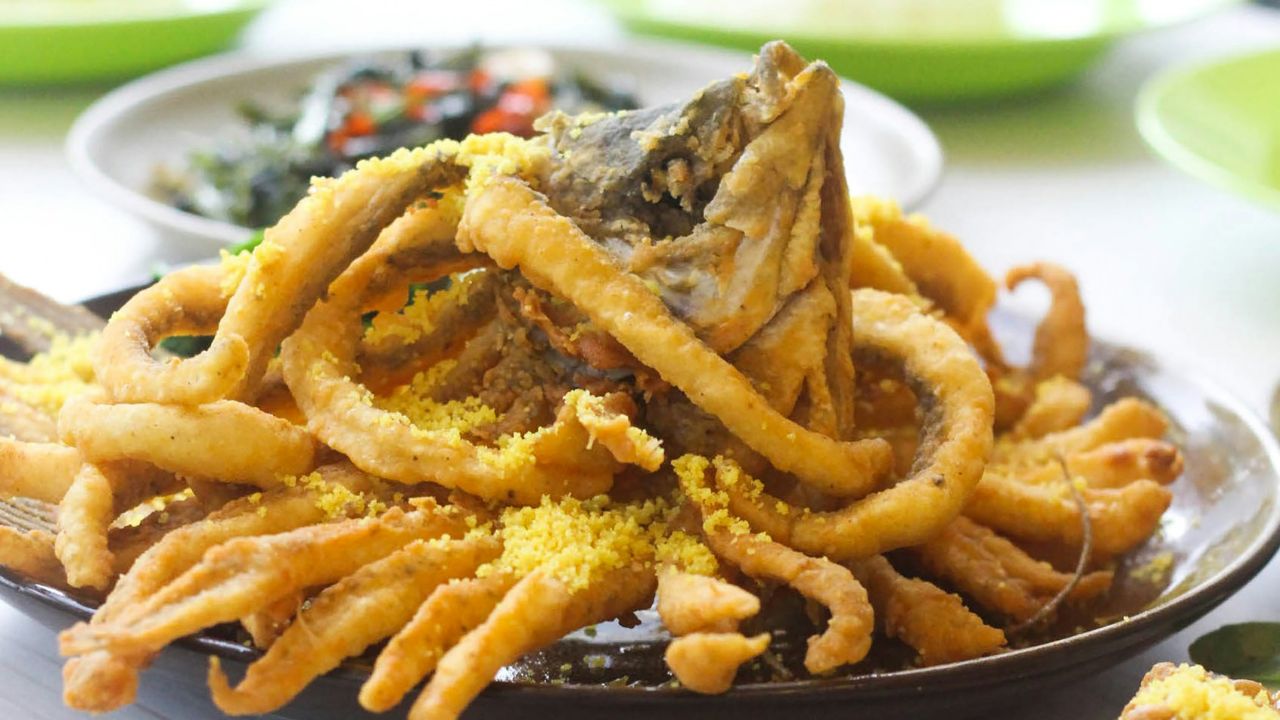
From the perspective of culinary arts, the body morphology of the gourami which is compressed, wide, and large provides technical advantages for visual presentation. These bodily proportions allow chefs to execute precision cutting techniques that yield large-scale whole dishes, such as the "flying gourami" menu. In this technique, both sides of the fillet meat are sliced wide from the spine without being severed, then deep-fried at a precise temperature until they expand. The result is a food architecture that creates the illusion of flapping wings in the center of a buffet table. This whole presentation does not merely pursue aesthetics; rather, it symbolizes abundance, wholeness, and prosperity values highly relevant to the prayers offered during a celebration.

The iconic "Flying Gourami," deep-fried until its meat expands like flapping wings, offers not only visual aesthetics but also symbolizes prosperity in the Archipelago's banquet traditions: Mang Engking
Another advantage lies in the structure of the fish's muscle tissue and skeleton. Gourami meat possesses a thick and dense fiber arrangement, yet it provides a soft textural resistance when chewed (mouthfeel). Anatomically, the skeletal system of the gourami is centered on the spine and a large rib arrangement. This fish is completely free from fine thorns or intramuscular bones (such as the Y-bones commonly found in carp or milkfish). This characteristic makes gourami highly ergonomic for consumption across various age groups, minimizing the risk of choking incidents.
A technical challenge that often accompanies freshwater fish is the risk of a muddy aroma, or off-flavor. Biochemically, the earthy smell in fish muscle tissue does not originate from the mud at the bottom of the pond, but rather from the accumulation of secondary metabolite compounds named geosmin (GSM) and 2-methylisoborneol (2-MIB). These cyclic compounds are byproducts of the metabolism of microorganisms, particularly blue-green algae (Cyanobacteria such as the genera Oscillatoria and Symploca) as well as Actinomycetes bacteria, whose populations explode (blooming) in aquatic ecosystems burdened with high organic matter loads. Because geosmin is lipophilic it dissolves very easily and binds with fat; this compound is absorbed through the gills during the fish's respiration and subsequently settles permanently in the epithelial tissues and intramuscular fat layers of the fish.
To maintain premium quality standards, the modern aquaculture industry and culinary experts apply two stages of intervention. The first stage occurs in the cultivation area through the depuration or purging method. Before further processing, live gourami are transferred from grow-out ponds into temperature-controlled quarantine tanks fed by fast-flowing clean water for several days. This simulation of a flowing aquatic environment triggers the fish's excretory system to metabolize and flush geosmin residues from its body. The second stage takes place in the processing facility or kitchen. A washing process using running water at room temperature is combined with a marination technique utilizing natural acid agents, such as vinegar solutions or lime juice. Lowering the acidity level (pH) on the surface of the fish meat chemically breaks the structural bonds of the geosmin and 2-MIB compounds, thereby neutralizing the earthy aroma before the fish touches the pan. Through this standardized handling, gourami meat becomes a pristine medium ready to absorb the diverse flavor profiles of the Archipelago, ranging from the spice-rich Sundanese pesmol seasoning and spicy Padang sauce to the caramelization of honey-grilled gourami.
Gourami on the international palate
Bringing gourami fish beyond local demographic boundaries toward global recognition requires confronting the cognitive biases of international consumers. In the gastronomic literature of Western countries, inland freshwater fish are often burdened by unfavorable stigmas. The international public generally associates river or lake fish with fragile and watery meat textures, flavors that tend to be flat, the risk of disturbing aroma profiles, and anatomical structures riddled with fine thorns.
However, empirical observations indicate that the sensory experience of consuming prepared gourami fish in Indonesia systematically deconstructs such prejudices. Testimonials from foreign travelers, culinary observers, and international food vloggers often culminate in a single shared conclusion: surprise at the quality of the texture offered. The highest appreciation is generally directed at the textural contrast produced through the mastery of the Archipelago’s signature deep-frying technique.
In this processing technique, constant exposure to high-temperature vegetable oil triggers a Maillard reaction on the outer surface of the fish. The skin, microscopic scales, and collagen-rich fin sections of the gourami undergo rapid dehydration, transforming into a highly crispy protective layer that is sometimes consumed like chips. Simultaneously, this rapidly hardening outer layer acts as a thermal seal. This seal effectively prevents the intracellular fluids in the fish meat from evaporating, ensuring that the thick interior retains its fiber density and moisture (juiciness).
This dimension of dining satisfaction (mouthfeel) is further reinforced by the absence of fine thorns. For international consumers accustomed to filleted marine fish, the lack of structural obstacles in gourami meat removes the burden of dining anxiety, allowing them to focus their attention entirely on flavor exploration. The neutral character of gourami meat fibers acts as a canvas highly receptive to seasoning. Preparations such as sweet and sour gourami are easily accepted because their flavor profile balances acidity with caramel sweetness, a spectrum familiar to the universal palate. Meanwhile, for tourists with bolder gastronomic preferences, grilled gourami offers an exotic experience. The use of sweet soy sauce that seeps in and is caramelized by the heat of charcoal creates a complex smokey aroma, synergizing seamlessly with a spread of the Archipelago's signature spice chili paste (sambal).
Gastro-diplomacy tactics (soft power)
Positive reception from foreign tourists provides confirmation that the gourami fish possesses a foundational quality equivalent to premium seafood commodities. Nevertheless, transforming this incidental admiration into a measurable gastro-diplomacy program requires strategic interventions from upstream to downstream. Gastro-diplomacy is a form of soft power implementation of a non-coercive approach aimed at influencing global perceptions, attracting tourism attention, and opening food export channels. Much like Japan's success in embedding its cultural identity through the habit of consuming sushi, or Thailand with its global restaurant standardization, Indonesia must engineer the presence of gourami on the international stage.
The first strategic step is product innovation to adapt to global consumer behavior. Markets in North America, Europe, and Australia exhibit an absolute preference for the practicality of food ingredients. Serving fish in a whole-round format, complete with the head and skeletal structure, often creates psychological barriers in Western restaurant kitchens. Therefore, the Indonesian fishing industry must encourage the development of gourami derivative products in the form of premium-standard boneless fillets. The availability of a precision fillet format not only facilitates penetration into international restaurant networks but also guarantees yield certainty for chefs in destination countries.
The second tactic centers on visual and sensory marketing through the utilization of tourism festivals and global culinary exhibitions. Merely bringing raw materials is insufficient; gourami fish must be presented through live cooking attractions by professionals. The process of preparing gourami is an engaging technical demonstration starting from the filleting process and the meat-slicing technique used to form an expanded texture, to the soaking in a yellow spice marinade rich in turmeric, coriander, and garlic. This attraction stimulates the visual and olfactory senses of a global audience, transforming a passive food ingredient into a storytelling cultural subject.

As a practical product innovation, gourami is now marketed in vacuum-sealed packaging, perfectly marinated with rich yellow spices and ready to be cooked directly by consumers: Luhkan Kabupaten Ciamis/Tati Rahayu
The third step, which serves as the anchor of this strategy, is the strengthening of the cultural narrative (storytelling). Modern consumers hold a high interest in the traceability and the narratives behind the food they consume. The identity of the gourami must be marketed alongside the "Saung Bambu" concept. This concept represents the communal dining tradition of Indonesian agrarian society, where meals are enjoyed communally in bamboo pavilions floating on calm waters, fully integrated with the surrounding nature. The "Saung Bambu" narrative offers relaxation, social harmony, and warmth serving as an antithesis to the fast-paced urban lifestyle. By elegantly packaging this narrative, international consumers are not merely purchasing protein calories, but rather consuming an authentic gastronomic tourism experience.
Agribusiness realities and export supply chain challenges
Despite its cultural potential and sensory quality, an analysis of trade balances and agribusiness logistics reveals an operational reality that must be addressed. Currently, the overall export volume of gourami fish from Indonesia remains at a suboptimal stage. The export capacity of this commodity falls far below that of other mainstay, foreign-exchange-contributing fishery species such as vannamei shrimp, tuna, and crab, or mass-produced freshwater species like catfish (Pangasius) and tilapia (Tilapia).
The stagnation in the export volume of consumption gourami does not stem from a quality deficit, but rather from the dynamics of the domestic market structure. The local market absorption of gourami in Indonesia is massive. High demand from the hotel, restaurant, catering, and daily household consumption industries makes the price of live gourami at the collector level highly competitive, ranging from 30,000.0 to 50,000.0 Indonesian Rupiah (IDR) per 1.0 kilogram (2.2 pounds), depending on size fluctuations and regions. With profit margins in the domestic market already highly adequate, the financial incentive for farmers and exporters to absorb cross-border logistics costs, customs tariffs, and the risk of cargo rejection becomes less attractive.
The second challenge lies in the realm of aquaculture productivity. Biologically, the gourami fish possesses a slower Specific Growth Rate compared to tilapia or catfish. Gourami require an intake of artificial feed with a high protein content to support the synthesis of their massive meat tissue. This condition has the potential to cause operational cost inefficiencies and degrade the cultivation water quality due to residual feed containing nitrogen.
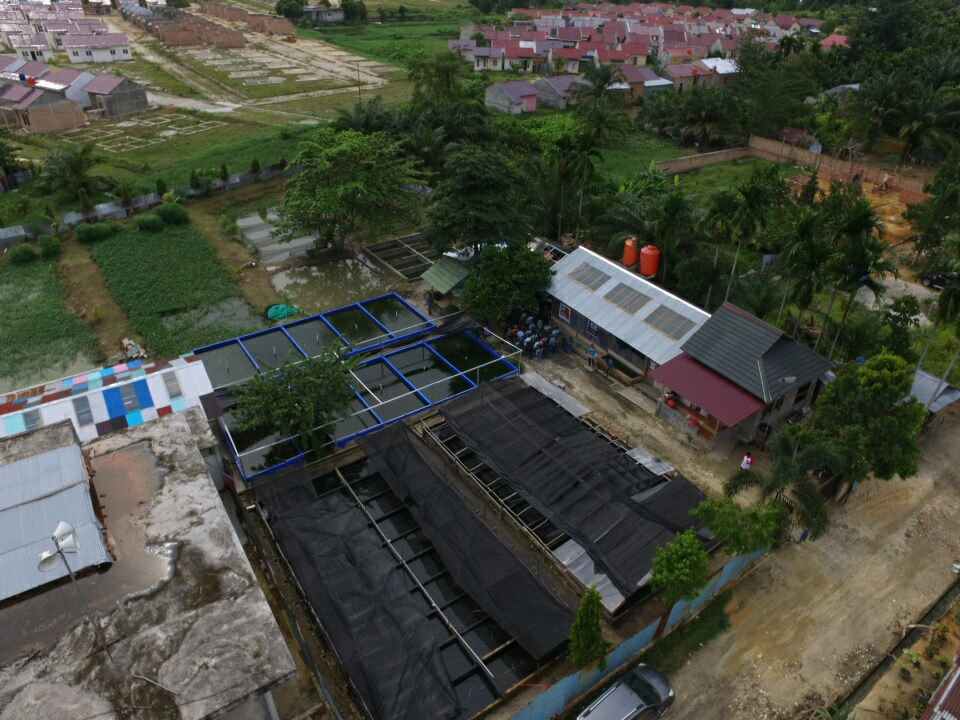
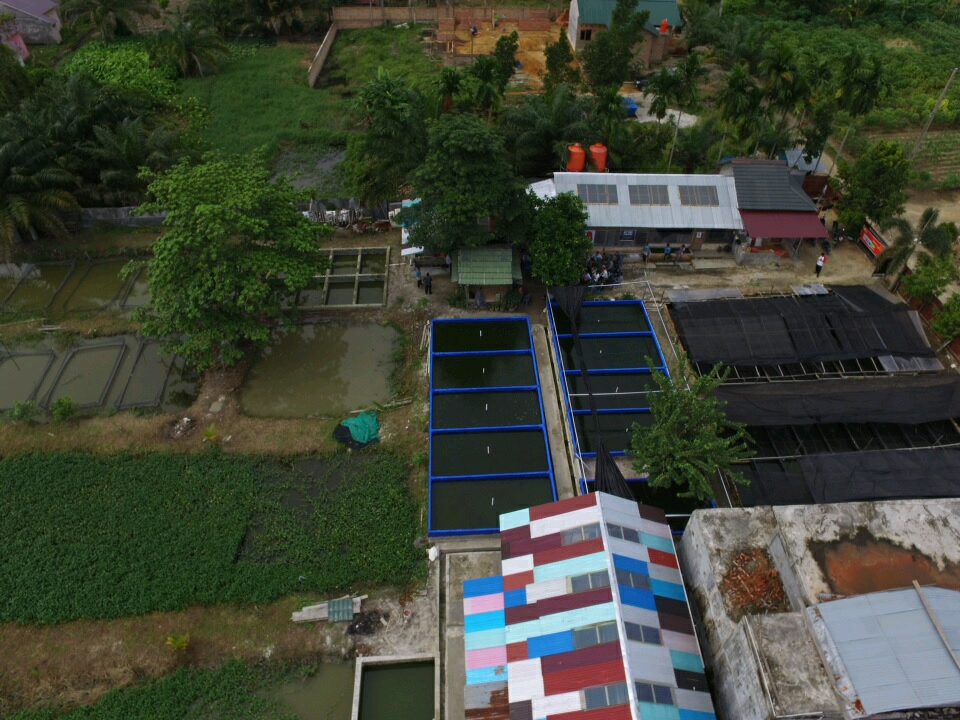
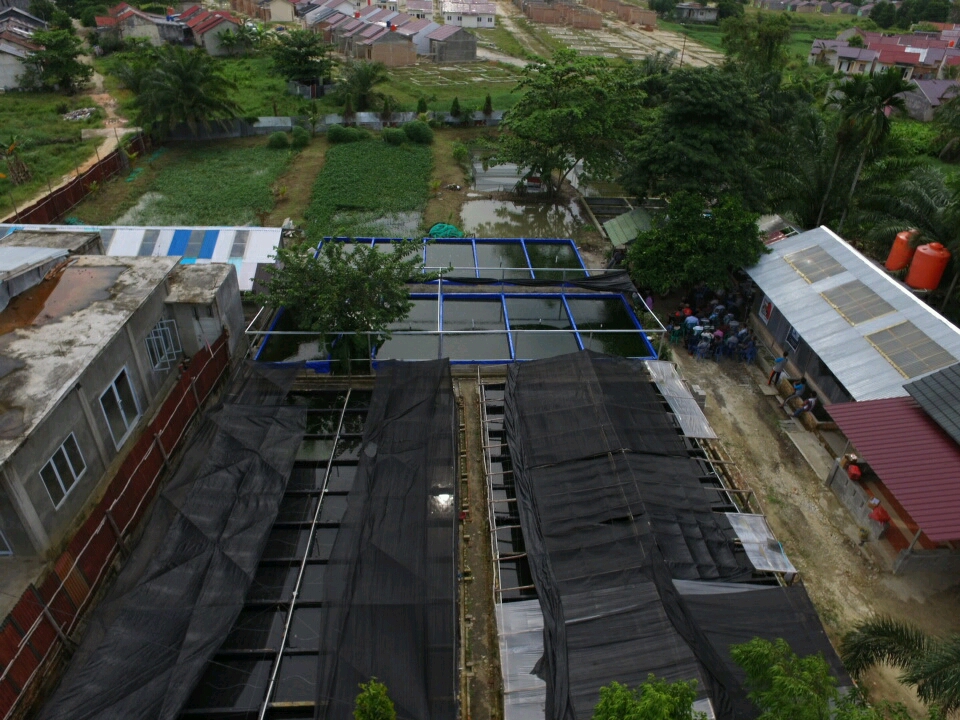
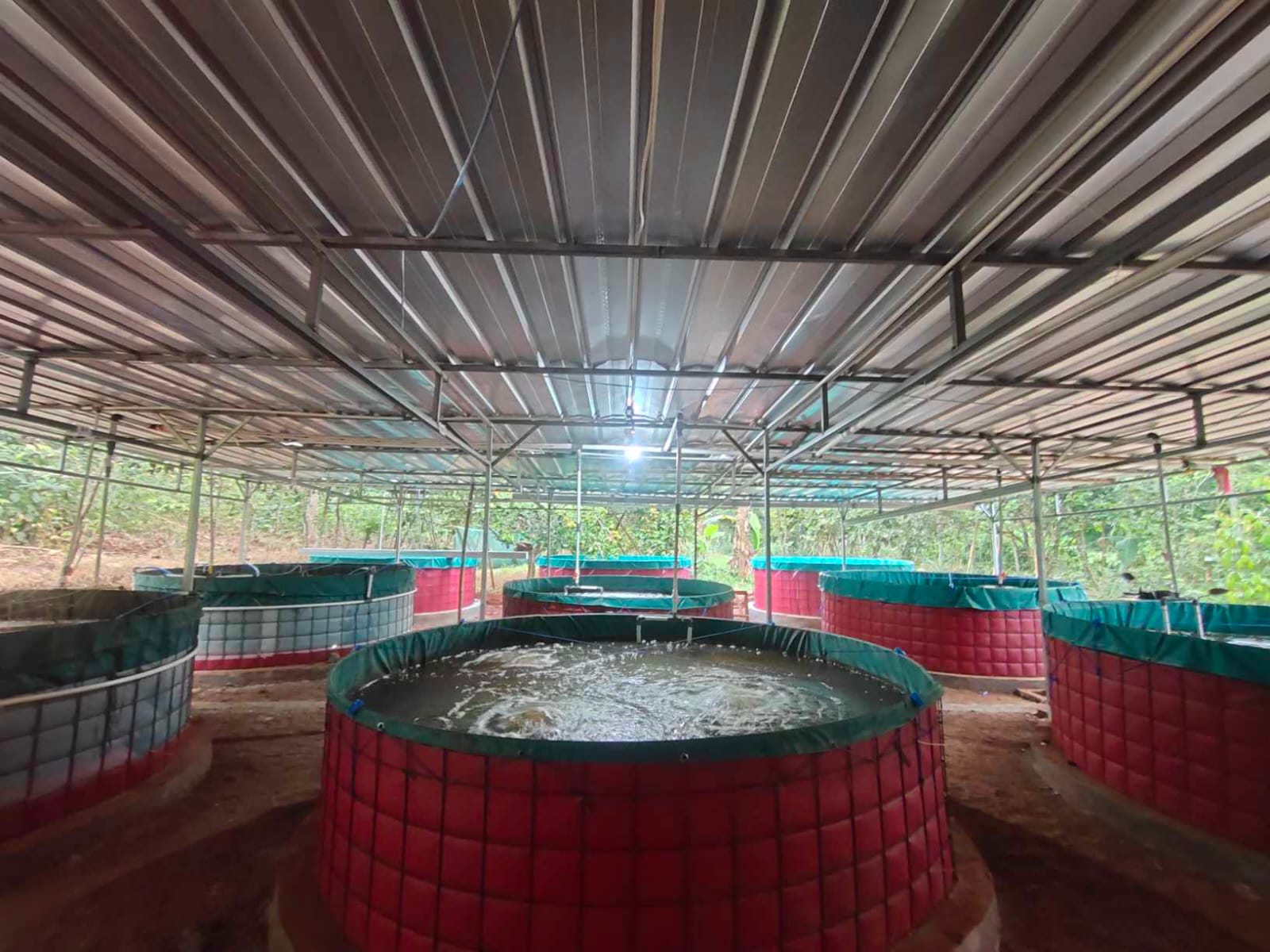
To break this agribusiness deadlock, Biofloc system technology innovations are beginning to be measurably applied on a commercial scale. The biofloc system is an aquatic ecosystem engineering approach that balances the Carbon to Nitrogen ratio (C/N ratio) through the addition of organic carbon sources (such as molasses) and probiotic inoculation. In a well-oxygenated system, heterotrophic bacteria will convert toxic ammonia waste from fish feces into nutrient-rich clumps (flocs) of microorganisms. These bacterial flocs serve a dual function: acting both as a biological water-purifying agent and as a natural supplemental protein source that is directly re-consumed by the gourami.
The implementation of the biofloc system has a significant impact on the economic efficiency of cultivation. Research data demonstrates that biofloc technology is consistently able to lower the Feed Conversion Ratio (FCR) metric. In conventional rearing, the gourami FCR generally falls in the range of 1.99 to 2.11 (requiring about 2.0 kilograms of feed to produce 1.0 kilogram of meat). With the biofloc system, the FCR value can be drastically reduced to a ratio of 1.17 to 1.28. The savings in feed costs, combined with a high Survival Rate reaching above 90 percent, make the economic unit of gourami production far more efficient, opening the door for competitive price negotiations in the export market.
Cold chain management standardization
The determining factor for the export viability of gourami fish to countries with strict regulations, such as the United States, Japan, and the European Union, lies in international food safety infrastructure. Modern regulations mandate that every fishery commodity be equipped with Hazard Analysis and Critical Control Points (HACCP) certification at a minimum of Grade B, to ensure the absolute absence of biological pathogens or chemical contamination from the harvesting process until arrival at the destination port. The heart of fulfilling these standards rests upon the integrity of cold chain management.

The implementation of cold chain management through the freezing of individually packaged fish cuts is the crucial key to locking in moisture and maintaining the premium quality of the meat for global consumers: Luhkan Kota Prabumulih/Nina Dia Septi Ayu (Modified)
For gourami products processed in the form of frozen fillets, the freezing method employed will dictate the product's marketability in premium markets. Conventional industry approaches generally rely on the Air Blast Freezer (ABF), a mass-freezing method within an isolated room that blows cold temperatures gradually over several hours. The fundamental weakness of ABF technology for dense-fibered fish like gourami is the lengthy cooling process. This slow drop in temperature allows time for the water inside the fish's muscle tissue to crystallize and form large ice sizes (macro-crystals). These sharp-edged ice crystals tear the fish's cell wall membranes. Consequently, when the gourami fillet is thawed by a chef in the destination country, a process of drip loss or massive fluid release occurs (shrinking 5 to 10 percent from its initial weight). The escaping intracellular fluid carries away dissolved proteins, minerals, and moisture, altering the gourami fillet's texture which was previously springy into something soft, dry, and stripped of its flavor integrity.
As an absolutely necessary technological substitution, export processing facilities must transition to utilizing Individually Quick Frozen (IQF) systems. In an IQF facility, pieces of gourami fillet are placed on a moving conveyor and exposed to blasts of air at extremely extreme temperatures and high velocities, allowing the freezing process to reach the core of the meat in a matter of minutes. This drastic heat removal speed locks the fluid inside the cells by forming micro-scale ice crystals that do not damage the muscle cell walls. In addition to halting bacterial propagation instantly, IQF fillets boast a very minimal drip loss rate (2 to 4 percent). As a result, when this product is cooked in foreign restaurants, the gourami fish maintains its fiber integrity, firmness, and moisture content (juiciness) identical to that of fresh fish.

With the readiness of this cultivation infrastructure and cold chain technology, the penetration of gourami into the global market which currently remains in an embryonic phase can be scaled up. At present, recorded export movements of gourami fish generally target several specific operational segments:
- Southeast Asian Regional Market: This includes routine, limited-scale shipments to neighboring countries such as Malaysia, Singapore, and Brunei Darussalam. Successful penetration in this region is driven by cultural cohesion, the genetic similarity of palates tolerant to strong spices, and relatively short logistics lead times, allowing shipments in live fish or fresh fillet formats with minimal risk.
- Global Diaspora Market: Distribution focuses on demographic pockets of Indonesian migrant workers, students, and expatriates in the United States, the European region, and the Middle East. This segment supplies the needs of ethnic supermarkets as well as catering networks for Asian restaurants, operating in measured niche volumes but with high margins per commodity to facilitate the diaspora's longing for authentic food.
- Ornamental Fish Market: A non-consumption segmentation that exploits specific genetic variants of gourami, such as the albino Giant Gourami or individuals with rare body patterns. These commodities are exported live to communities of aquascape collectors and predatory fish aquarium hobbyists in North America and East Asia. The primary logistical constraints for this segment shift toward compliance with strict quarantine regulations, the issuance of Health Certificates, packaging oxygenation arrangements, and flight durations to ensure that animal welfare parameters are maintained.
The future of Indonesian gourami
Placing the gourami fish on the global gastro-diplomacy radar is not a baseless discourse. Biometric data, empirical testimonials, and aquaculture research prove that this endemic Archipelago species possesses all the prerequisites required to be categorized as a premium commodity. Through cultivation management based on biofloc engineering and improved post-harvest handling methods, quality anomalies such as the geosmin aroma have been successfully resolved scientifically, creating a clean, high-quality freshwater protein canvas.
The transformation of gourami from a traditional dish laden with meaning in local thanksgiving rituals into a globally recognized instrument of soft power demands synergistic, cross-sectoral orchestration. The government plays a vital role in bridging export licensing bureaucracy, facilitating cold chain-integrated port infrastructure (reefer containers), and acting as an initiator of live cooking exhibitions in international pavilions. In parallel, fish processing business actors must commit to investing in IQF freezing technology and HACCP standard compliance to maintain quality consistency. Through precise, upstream-to-downstream supply chain integration, the gourami fish is ready to transcend its geographical boundaries, introduce Indonesia's cultural identity, and solidify its position as a dominantly competitive inland water commodity at the global banquet table.