In recent years, the Indonesian pangasius industry has experienced extraordinary growth, showing great potential in the global market.
The Ministry of Maritime Affairs and Fisheries (KKP) has actively encouraged exports of fishery products, with an annual growth target of 10-12%. This push for expansion has resulted in a significant surge in pangasius production, with a marked jump over the last decade.
In 2006, Indonesian pangasius production only reached 33,000 tons. However, in 2016, this figure jumped to 437,000 tons. Moving forward to 2017, production exceeded 450,000 tonnes. Driven by this momentum, the Ministry of Maritime Affairs and Fisheries has set an ambitious target to reach one million tons per year in the next three to five years.
This growth is supported by several factors. First, the globally recognized quality of Indonesian pangasius is the main attraction. The quality is better compared to pangasius from other countries because the cultivation process is cleaner and the use of clean groundwater.
During this decade, regions in Indonesia such as Kalimantan, Sumatra and Java became important pangasius cultivation centers. Although Indonesia's production is not yet comparable to Vietnam's, developments in this region illustrate efforts to expand the pangasius industry.
Export opportunities are approaching
Chairman of the Employers' AssociationCatfish Indonesia (APCI), Muhammad Suhadi, believes that the export potential of pangasius is very large and encourages increased cultivation to meet growing demand in the international market. However, one of the main challenges faced by the industry currently is the insufficient availability of pangasius seeds for cultivation.
Export opportunities approaching the Indonesian pangasius industry are a very important phenomenon in the development of this industry. This reflects significant potential for marketing Indonesian pangasius products to international markets.
One of the main factors that opens up export opportunities for Indonesian pangasius is the ban on imports of pangasius from Vietnam by several countries, including the European Union (EU) and the United States (US). This ban was imposed due to concerns about food safety standards and the safety of Vietnamese pangasius products. Because Vietnam was previously one of the world's pangasius market leaders, this ban created a supply gap that needed to be filled by other pangasius producers, including Indonesia.
This opportunity is not just about the present, but also about the future. With the Indonesian government setting an ambitious target to increase pangasius production to one million tonnes per year, export opportunities to various international markets continue to grow. Main markets such as the United States and the European Union are potential destinations that can be targeted by Indonesian pangasius producers.
In addition, the Indonesian pangasius industry has produced a variety of derivative products, including fillets, fish skin and other processed products. This diversification allows manufacturers to meet different market needs in different countries.
Taking advantage of the Saudi Arabian market
Indonesia aims to exploit the gap left by Vietnam in the Saudi Arabian market, following the Saudi Arabian government's ban on fisheries products from Vietnam due to fears of disease in the Mekong River. In 2019, Saudi Arabia only imported 265 tons of pangasius, while Indonesia managed to supply around 1,800 tons of pangasius to meet the needs of Hajj and Umrah pilgrims.
This condition creates very significant export opportunities for the Indonesian pangasius industry. Saudi Arabia is a potential market for growing Indonesian Pangasius exports, and shipments of large volumes of product there indicate stable demand. With Saudi Arabia's large consumption potential, the Indonesian fishing industry has a golden opportunity to expand market share and increase exports, bringing substantial economic benefits to the country.
Saudi Arabia has a large population, including many Hajj and Umrah pilgrims who visit the country every year. This creates high demand for food products, including pangasius, especially during the Hajj and Umrah seasons. This market has great potential for constant growth in demand for pangasius products.
It is important to emphasize that pangasius products to be exported to Saudi Arabia must meet high quality and safety standards. Given the increasing concerns among consumers regarding food quality, keeping Indonesian pangasius products safe and of excellent quality will help build a strong reputation in the Saudi Arabian market.
Close cooperation with the government, especially the Ministry of Maritime Affairs and Fisheries, is also an important factor in facilitating pangasius exports to Saudi Arabia. This includes meeting export regulations, licensing and product inspections that ensure products comply with standards set by Saudi Arabia.
The quality of Indonesian pangasius shines through
Indonesian Pangasius has a reputation for superior quality compared to similar products from other countries. Indonesian pangasius are cultivated in ponds with clean groundwater, at lower densities than other countries. In contrast, pangasius from other countries are often processed with high phosphate content and other additives. These differences in cultivation and processing methods demonstrate Indonesia's potential to create its own place in the global market for pangasius.
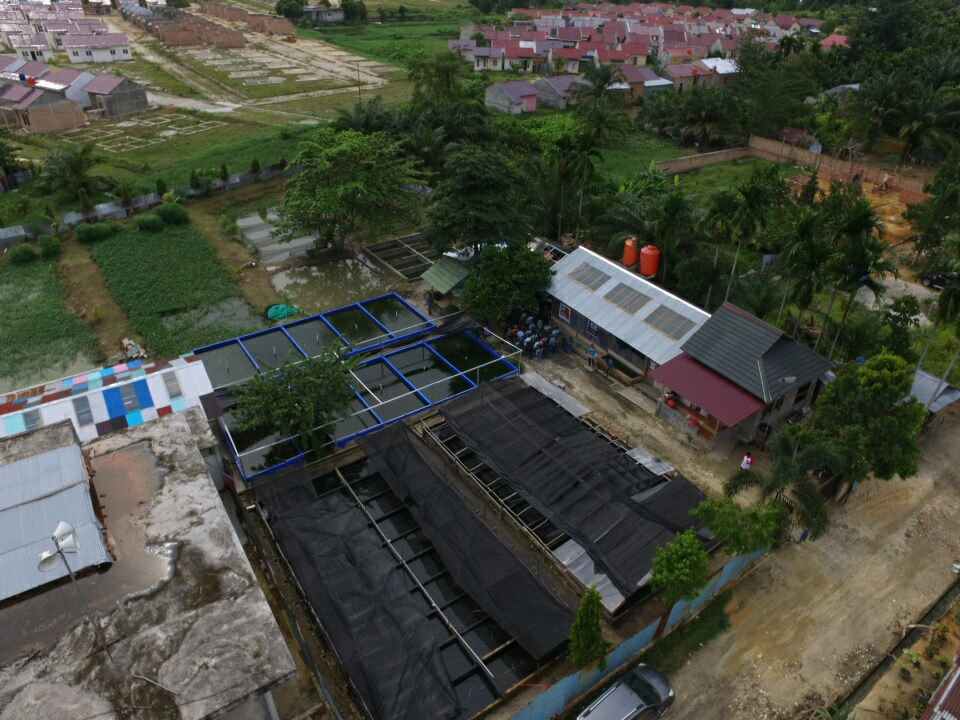
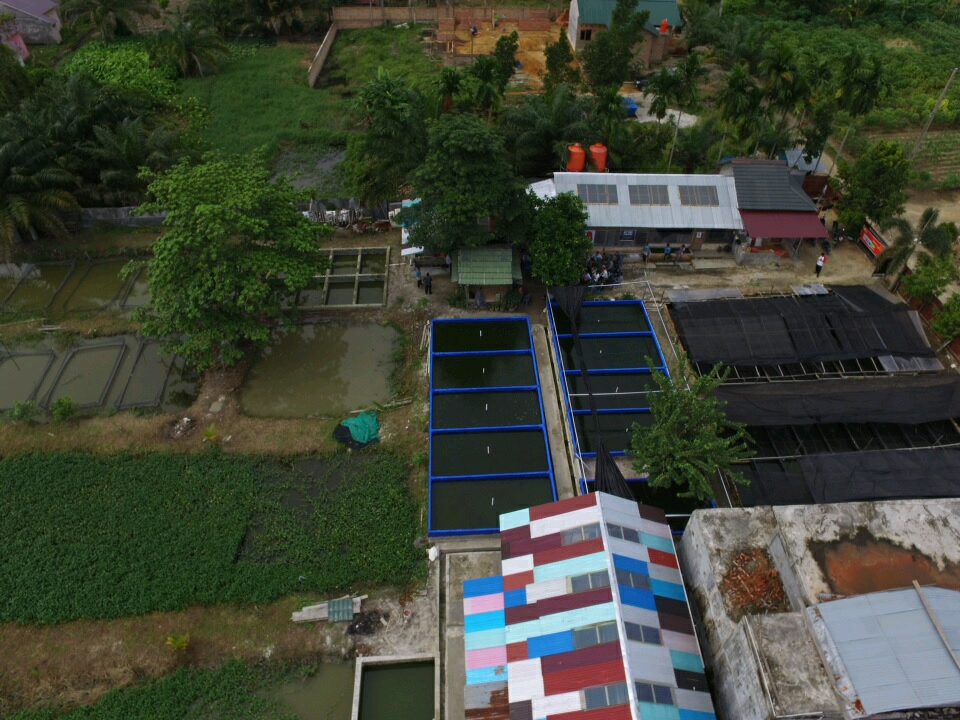
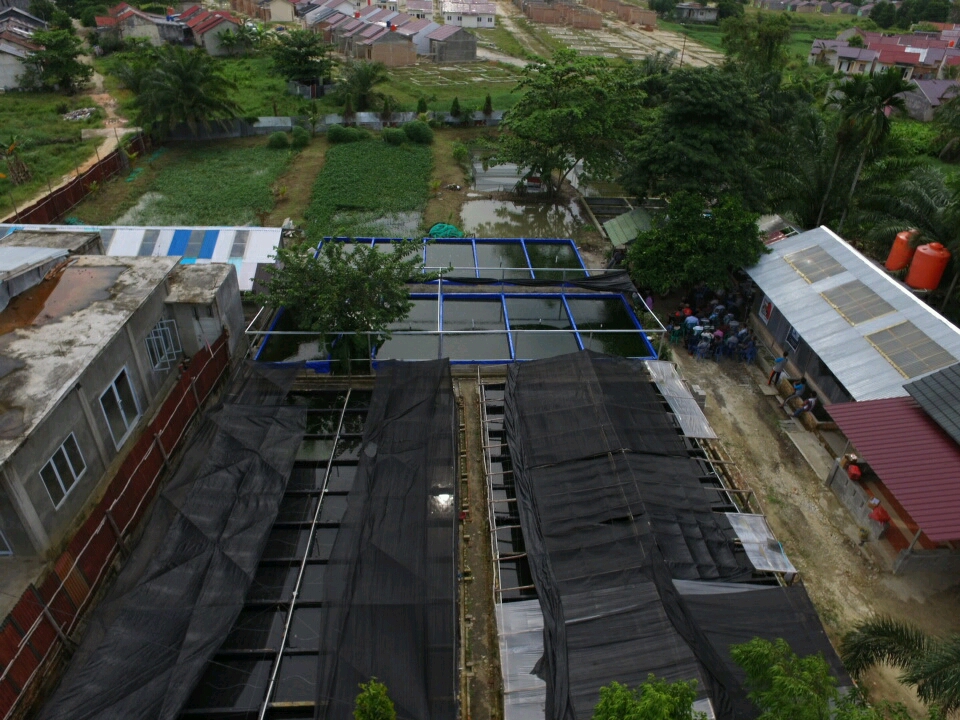
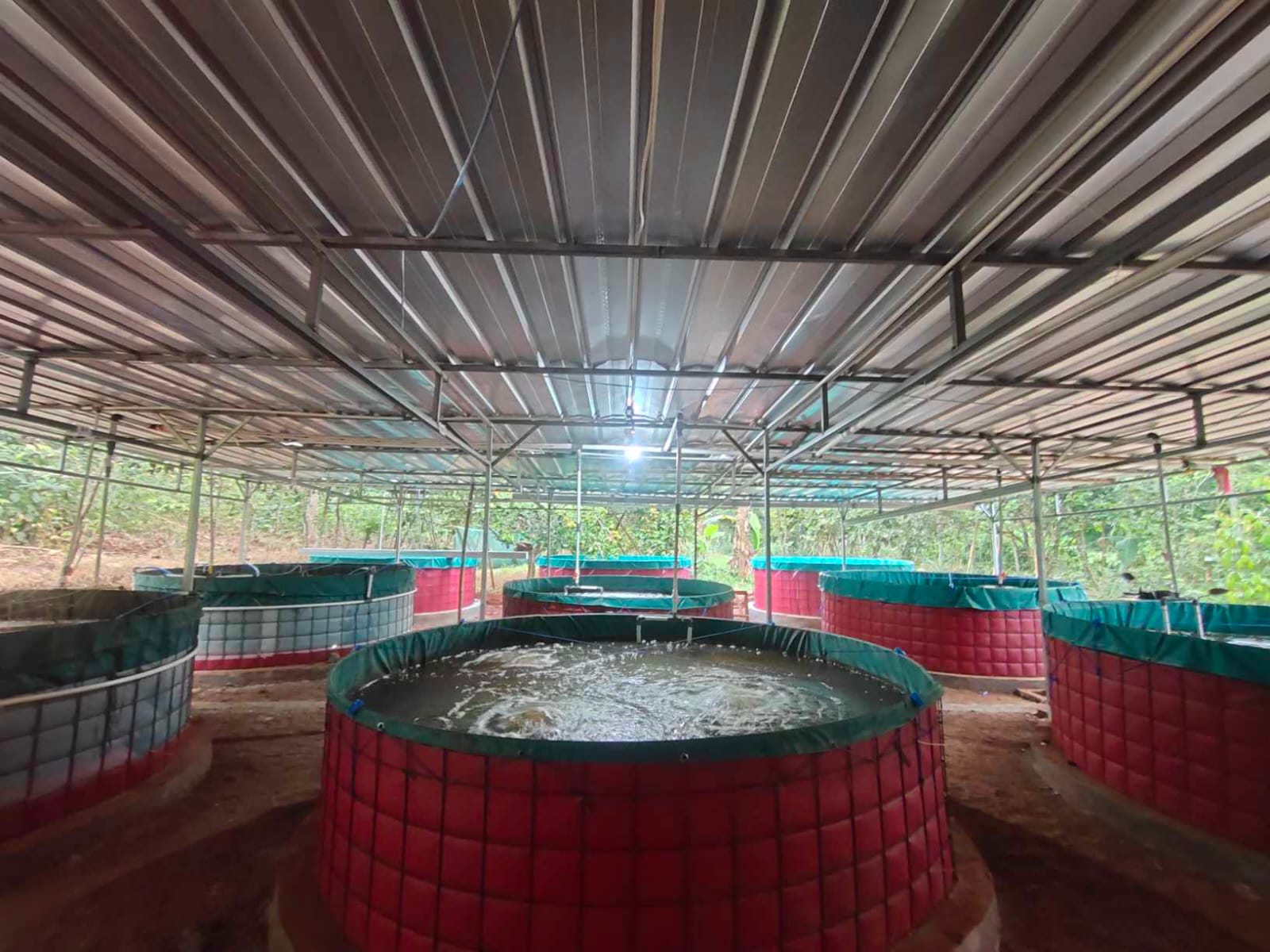
One of the main aspects that supports the quality of Indonesian pangasius is the cultivation method used. In Indonesia, pangasius are generally cultivated in ponds with clean groundwater and strict control over cultivation environmental conditions. This minimizes the risk of pollution and ensures good water quality, which in turn contributes to fish growth and health.
Control of the quality of feed used in pangasius cultivation in Indonesia is also very strict. The feed given to fish is usually formulated to meet the fish's nutritional needs and is closely monitored to ensure quality and safety.
Some countries use chemicals and antibiotics in pangasius farming, which can result in harmful residues in fish products. In Indonesia, the use of these chemicals is more limited, and strict controls are implemented to ensure that the fish produced is free from harmful residues.
Apart from quality, the superiority of Indonesian pangasius is also supported by the competitiveness of Indonesian pangasius in terms of competitive prices. This makes Indonesian pangasius products an attractive choice for consumers and buyers in international markets.

One of the cultivation ponds in Indonesia
Branding challenges
Building branding for "Indonesian Pangasius" is an important step in exploiting export potential and identifying Indonesian pangasius products in the global market. One of the main challenges is how to distinguish "Indonesian Pangasius" from the common call "dory fish." In consumers' minds, "dory" is often a synonym for pangasius. Creating a strong brand identity for "Pangasius Indonesia" so that consumers can understand the difference is not an easy task.
In many markets, consumer awareness of the origins of pangasius is often limited. Consumers may not know that the product they are buying is pangasius from Indonesia. Building consumer awareness about the "Pangasius Indonesia" brand requires major efforts in terms of education and marketing.
Demand increased after the export ban
The European Union (EU) and the United States (US) have banned imports of pangasius from Vietnam, citing security concerns. This opens up opportunities for Indonesian pangasius, even though this country's production still lags behind Vietnam. However, the Indonesian government has been proactive in establishing pangasius cultivation centers to meet export demand.
When countries such as Vietnam, previously a major supplier of pangasius, experience export bans to certain markets (such as the European Union and the United States), those markets will look for alternative supplies. Indonesia, with its large pangasius production potential, can fill this gap and become one of the main suppliers.
In addition, a decrease in supply from competing countries subject to export bans may result in an increase in the price of pangasius on the international market. This can encourage Indonesian producers and exporters to increase production and take advantage of more profitable market opportunities.
Diverse product range
Pangasius does offer a variety of derivative products that illustrate its flexibility as a raw material in the fishing industry. These products include fillets, fish skin, as well as various other processed products such as nuggets, tenders, fish sausages and pangasius-based frozen products. The main advantage of pangasius lies in the quality of its meat which is bone-free, tender, and has a delicious taste, making it a popular choice in various dishes. This flexibility allows manufacturers to produce a variety of products according to diverse consumer preferences and market demands.
In the domestic market, especially in Indonesia, pangasius products have gained significant popularity. Fresh pangasius fillets are becoming increasingly popular across the country, especially in diverse Indonesian dishes. The consistent quality of pangasius meat and delicious taste make it a preferred choice by chefs and consumers. In addition, processed pangasius-based products such as fish nuggets and sausages are also gaining a place in the snacks and snacks market. With various derivative products that can be produced, pangasius has great potential to meet growing domestic market demand.

One of the various forms of pangasius products at Kampung Patin, Riau
Promoting the brand "Indonesian Pangasius"
The introduction of the "Indonesian Pangasius" brand requires joint efforts from various parties. An important first step is consumer education. This can be done through informative marketing campaigns, advertising campaigns and educational approaches on various media platforms. Consumers need to understand the difference between Indonesian pangasius and dory fish, which are often referred to in general terms. By explaining the origins and advantages of Indonesian pangasius products, consumers will be more inclined to choose it as an alternative food choice.
Apart from that, it is also important to develop a sense of pride in local products. This can be achieved by encouraging cooperation between government, the fishing industry and local communities. Emphasizing that Indonesian pangasius is a product that is sustainably produced, of high quality, and contributes to the local economy can generate a sense of pride and consumer loyalty. Providing special certification or labels for Indonesian pangasius products that meet certain quality and safety standards can also help differentiate these products in the global market. With strong cooperation and joint efforts, the "Indonesian Pangasius" brand can become a widely recognized brand in the international market, bringing economic benefits and raising the image of Indonesian fishery products.
Indonesia's pangasius industry is on the verge of a transformation journey. With growing demand in international markets, commitment to quality, and strategic efforts to overcome challenges, Indonesia has the potential to become an important player in the global pangasius market. As the industry continues to grow, establishing a strong brand identity, increasing seed availability and encouraging sustainable farming practices will be key to maximizing Indonesia's pangasius export potential. With a rich aquatic ecosystem and a growing reputation for superior products, Indonesia's pangasius industry is poised for a bright future on the global stage.