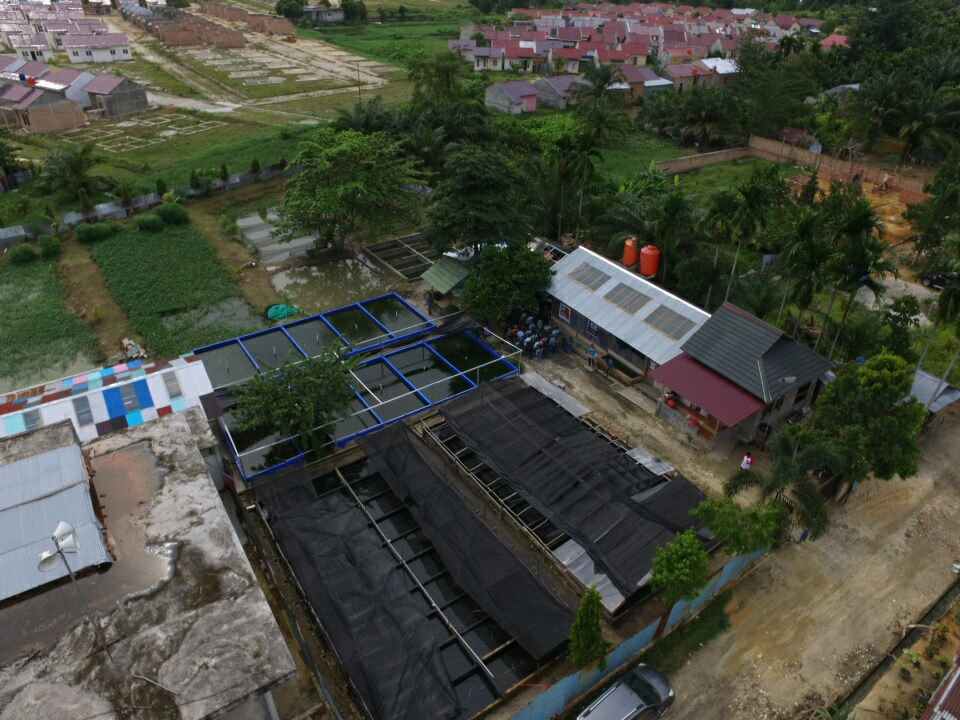
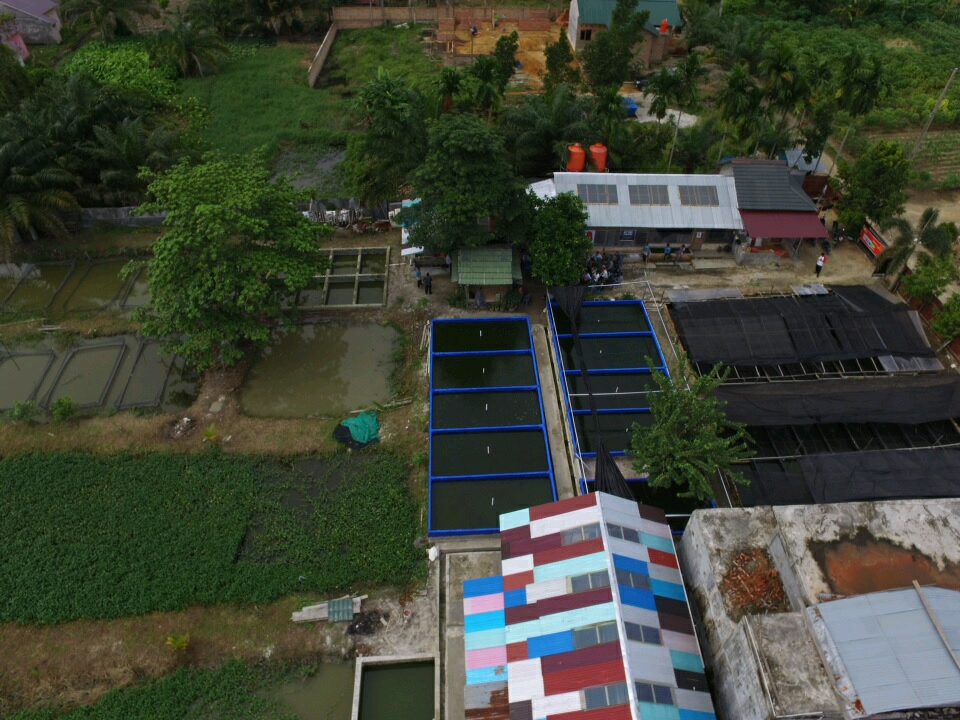
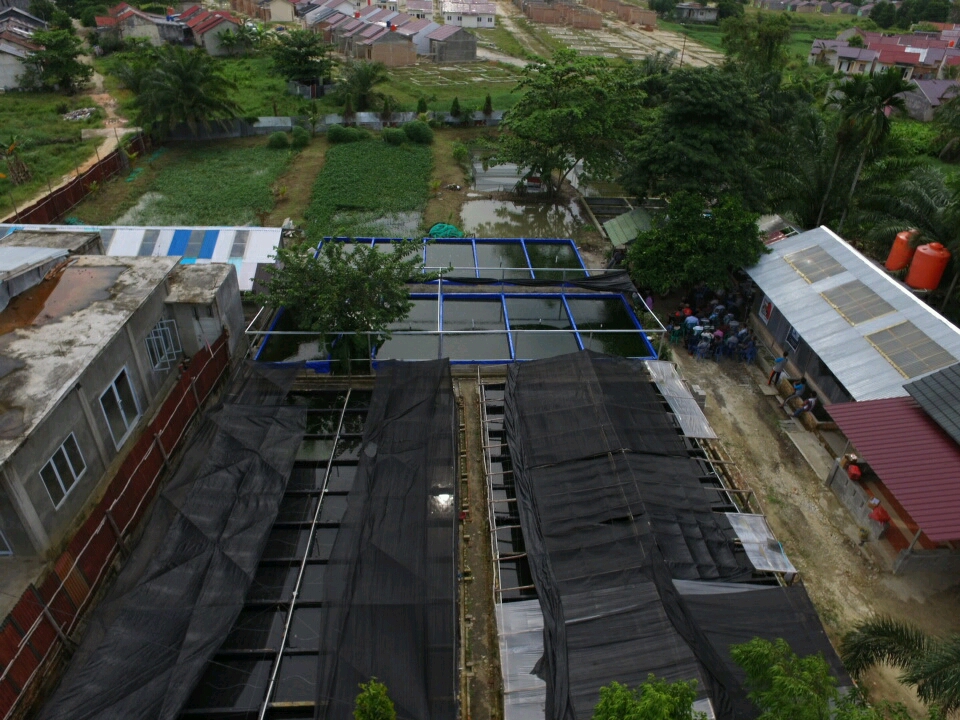
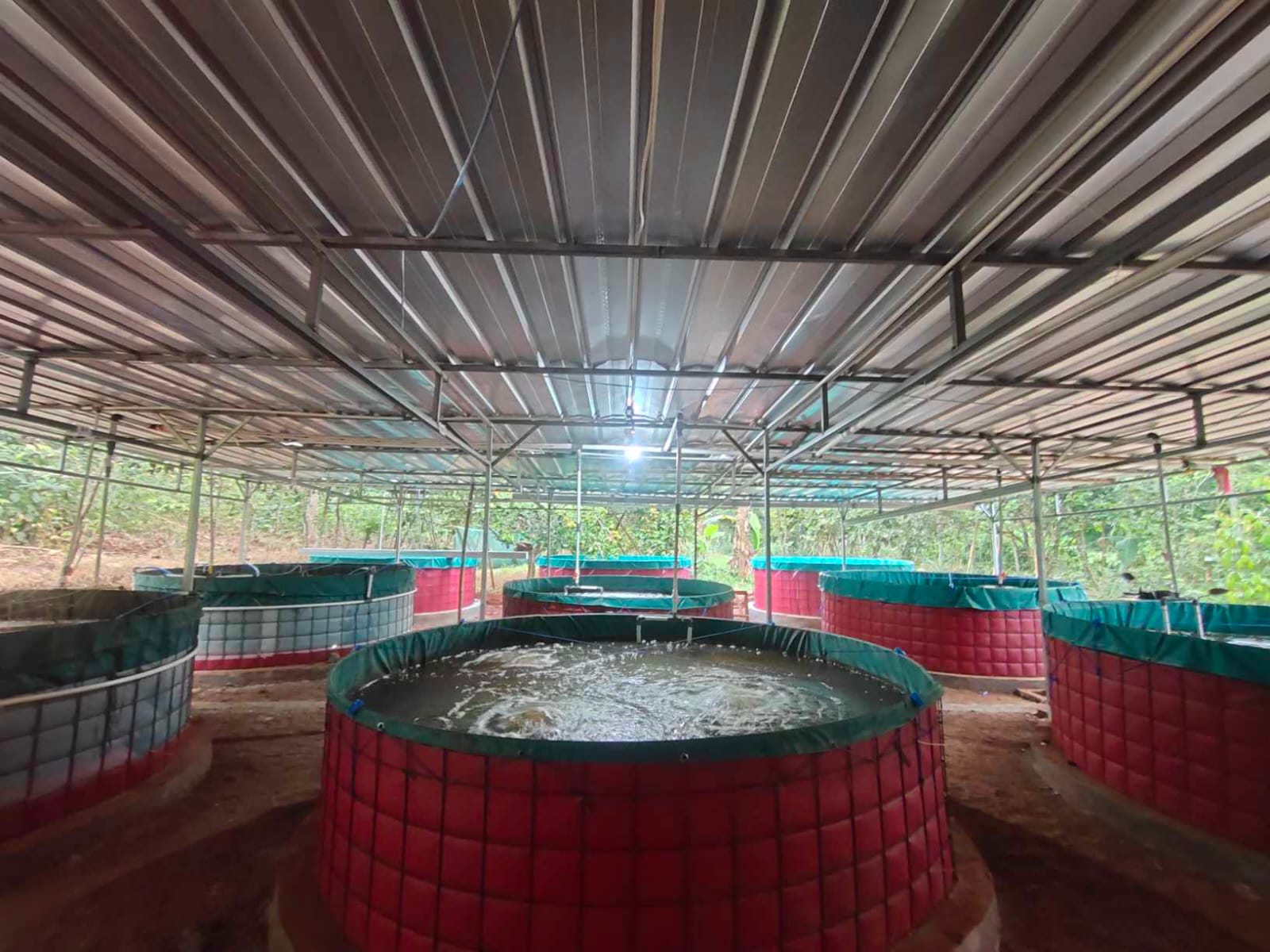
Waste refers to residual materials that are no longer used and can have negative impacts on society and the environment if not managed properly. Waste can originate from natural resource-based production processes or human activities. In the context of vannamei shrimp aquaculture, the waste generated requires special attention to prevent environmental pollution while also providing economic benefits through appropriate processing.
The fisheries industry, particularly vannamei shrimp farming, produces various types of waste, including uneaten feed, shrimp excrement, and by-products from post-harvest processing. According to data from the Ministry of Marine Affairs and Fisheries (KKP), national shrimp production reached 852,000 tons in 2022, with waste accounting for approximately 30 percent of total output. This waste primarily consists of shrimp shells, heads, and internal organs, which are often underutilized.
In addition to organic waste, vannamei shrimp farming also generates inorganic waste such as plastic from feed packaging, nets, and other materials that are not easily biodegradable. Managing this waste poses a challenge for shrimp farmers, as improper handling can pollute water bodies and disrupt ecosystem balance.
However, with the implementation of effective waste management systems, shrimp farming by-products can be processed into economically valuable products. For instance, shrimp shells can be used as raw material for producing chitosan, which has various applications in the pharmaceutical and agricultural industries. Furthermore, organic waste from shrimp ponds can be converted into organic fertilizers that benefit both agricultural and aquacultural sectors.
As awareness of the importance of waste management grows, various innovations for utilizing shrimp waste are being developed. One example is research indicating that solid waste from shrimp ponds contains sufficient nutrients to support the growth of microalgae such as Chlorella sp., which plays a crucial role in aquatic food chains.
Waste classification
In general, waste can be classified based on three main aspects: its chemical composition, physical form, and source.
1. Waste Based on chemical composition
Based on its chemical composition, waste is divided into three categories:
a. Organic waste
Organic waste originates from living organisms and can decompose naturally through biological processes. In vannamei shrimp farming, organic waste includes uneaten feed, shrimp excrement, shrimp shells, and dead shrimp carcasses. If not properly managed, these organic materials can accumulate, leading to eutrophication, reduced dissolved oxygen levels, and excessive algae growth, all of which negatively impact shrimp health. According to data from the Ministry of Marine Affairs and Fisheries (KKP), uneaten feed in shrimp farming can account for up to 60 percent of total organic waste, posing a significant risk of water pollution if left untreated.
Organic waste can be managed through various methods, such as utilizing uneaten feed and shrimp excrement as organic fertilizer or as raw materials for producing fish feed. Additionally, biofloc systems in aquaculture can reduce organic waste accumulation by using microorganisms to process residual feed and excrement into biomass, which can support shrimp growth.

Organic waste shrimp shells : Serindit
Inorganic waste
Inorganic waste originates from human activities and is difficult to decompose naturally. In the vannamei shrimp farming industry, inorganic waste includes high-density polyethylene (HDPE) plastic used in pond construction, plastic packaging for shrimp larvae (post-larvae), and liquid waste from detergent usage during pond cleaning. According to a report by the Food and Agriculture Organization (FAO), the use of plastic in aquaculture continues to increase, especially in intensive farming operations, posing significant challenges for waste management.
To address these challenges, adopting a circular economy approach offers a potential solution. This can involve recycling used plastics into other products or replacing them with environmentally friendly materials. Some modern shrimp farms have also begun using biofilm or biodegradable geomembranes to reduce the accumulation of inorganic waste.
Hazardous and toxic waste (B3)
Hazardous and toxic waste (B3) poses serious risks to both the environment and human health. In vannamei shrimp farming, B3 waste includes sludge from wastewater treatment plants (WWTP) and carcasses of shrimp infected with diseases such as White Spot Syndrome Virus (WSSV) or Early Mortality Syndrome (EMS). Research conducted by the Brackishwater Aquaculture Research Center (BBPBAP) in Jepara indicates that sludge from shrimp ponds may contain heavy metals and toxic compounds. If not properly managed, these substances can contaminate surrounding water bodies.
Handling B3 waste requires careful and specialized methods. For example, WWTP sludge can be treated using phytoremediation technology or through chemical neutralization before being discharged into the environment. Infected shrimp carcasses must be disposed of by burial or incineration to prevent the spread of disease to other ponds.
2. Waste classification based on form
Waste can also be classified based on its physical form, which includes the following categories:
Solid waste
Solid waste refers to solid materials generated from domestic and industrial activities. In vannamei shrimp farming, solid waste includes uneaten feed that settles at the bottom of the pond, shrimp excrement, and shrimp shells from processing industries. If allowed to accumulate, this waste can degrade water quality and lead to eutrophication. Research indicates that solid waste from shrimp ponds contains approximately 1.92% organic carbon, 0.54% total nitrogen, and 1.70% phosphorus. These nutrients, if not properly managed, can stimulate excessive algae growth and further deteriorate the aquatic environment.
Liquid waste
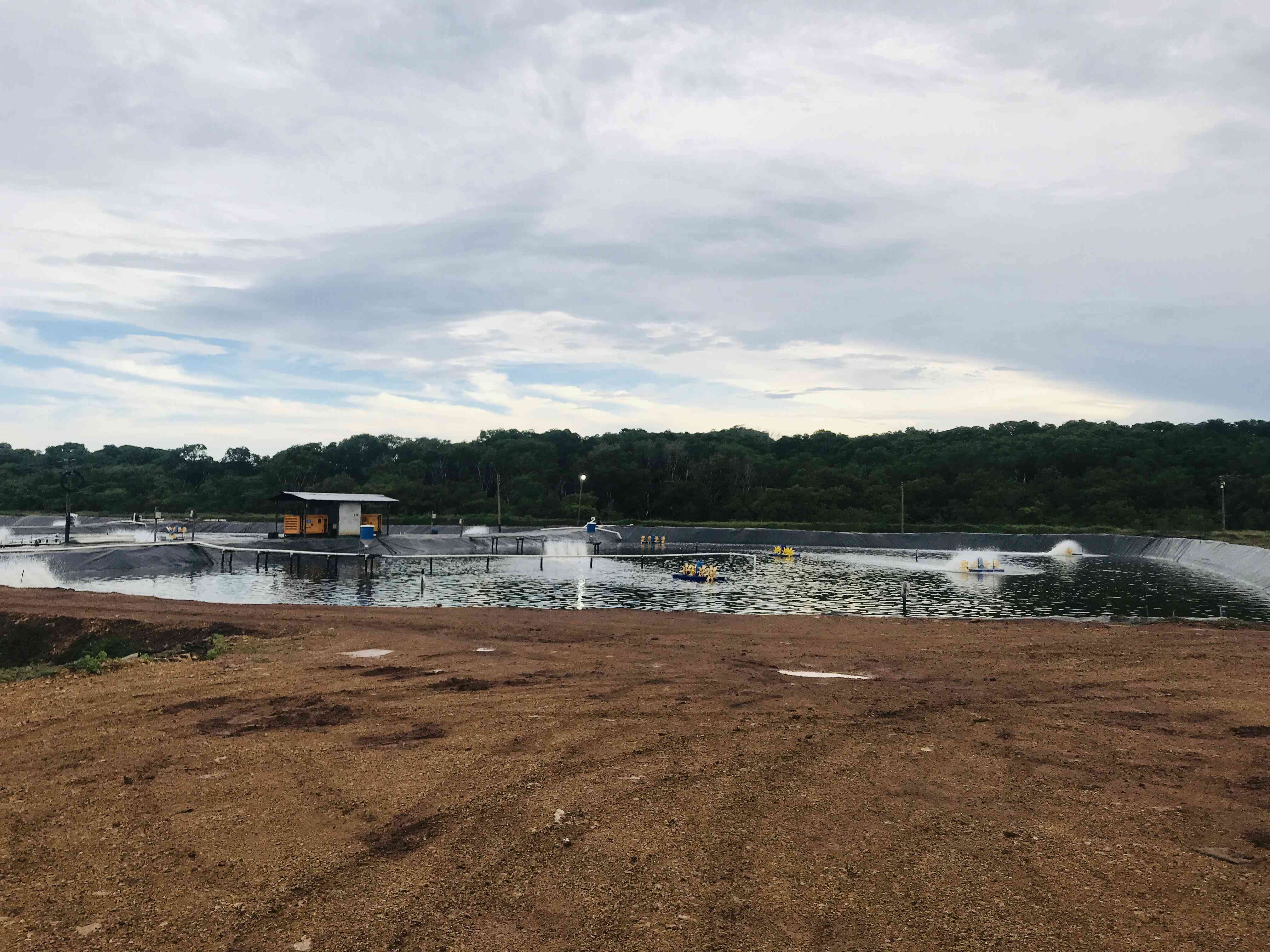
Liquid waste consists of water mixed with by-products from production processes. In vannamei shrimp farming, liquid waste typically contains ammonia and other organic compounds that can pollute aquatic environments. Effective wastewater treatment is crucial to maintaining environmental quality. Data shows that ammonia concentrations in shrimp pond effluents can range between 0.5 and 2.5 mg/L. If not controlled, such levels may cause stress and increase mortality rates in shrimp populations.

Vannamei shrimp farming wastewater
Gaseous waste
Gaseous waste refers to waste materials dispersed in the air. An example from shrimp farming is the unpleasant odor caused by decaying shrimp carcasses. This type of waste can disrupt surrounding communities and pose health risks. The odor primarily originates from compounds such as hydrogen sulfide (H₂S) and ammonia (NH₃), which can harm human respiratory systems when inhaled at high concentrations.
3. Waste classification based on Its sources
Waste can be categorized based on its origin, including the following:
Industrial waste
In the fisheries sector, particularly in the cultivation of vannamei shrimp, industrial waste primarily comes from post-harvest processing activities. This waste includes shrimp shells, heads, and legs, which can account for 40–50% of the shrimp's total body weight. If not properly managed, such waste can pollute the environment. However, this waste also holds economic potential. For example, it can be processed into shrimp meal for fish feed or extracted for chitosan, a valuable compound used in the pharmaceutical and cosmetic industries.
Agricultural waste
In aquaculture, agricultural waste originates from the use of fertilizers, pesticides, and other chemicals aimed at enhancing pond productivity. Research indicates that excessive use of inorganic fertilizers can lead to water eutrophication, reducing oxygen levels and inhibiting shrimp growth. Additionally, pesticide residues dissolved in pond water can disrupt the ecological balance and negatively affect non-target organisms, including plankton, which play a crucial role in the pond's food chain.
Medical waste
Medical waste in vannamei shrimp farming arises from the use of antibiotics, probiotics, and other chemicals to prevent and treat diseases. Studies have shown that antibiotics such as oxytetracycline and enrofloxacin, when used in shrimp ponds, can leave residues in water and sediment. Improper management of medical waste may lead to antibiotic resistance in environmental bacteria, posing potential risks to human health and aquatic ecosystems.
Environmental impacts of vannamei shrimp farming waste
1. Wastewater
Wastewater from vannamei shrimp farming contains various pollutants such as ammonia, nitrate, and phosphate, which can degrade water quality. Studies indicate that ammonia levels exceeding 0.1 mg/L can be toxic to shrimp and other aquatic organisms, causing stress and increasing mortality rates. Additionally, the accumulation of organic matter in the water can trigger excessive phytoplankton growth (eutrophication), reducing dissolved oxygen (DO) levels and disrupting aquatic ecosystem balance.
2. Increased disease risk
The accumulation of organic waste, including uneaten feed and shrimp excreta, creates an ideal environment for the proliferation of pathogenic bacteria such as Vibrio spp. These bacteria are often linked to shrimp diseases like vibriosis and White Feces Disease (WFD). Research indicates that shrimp ponds with high organic matter levels tend to experience spikes in harmful bacterial populations, leading to shrimp infections and harvest failures. Implementing effective waste management systems, such as biofilters and probiotics, is essential to mitigate this risk.
3. Soil degradation
Sludge from wastewater treatment facilities (WWTF) contains heavy metals, drug residues, and other chemicals that can degrade soil quality if improperly managed. Research shows that long-term exposure to shrimp farm waste alters soil texture and pH, hindering vegetation growth around the ponds. Adopting waste management techniques, such as using decomposed pond sludge as organic fertilizer, can help reduce the negative impact on soil quality.
4. Public health concerns
Unpleasant odors from decaying shrimp, uneaten feed, and other organic waste can affect the well-being of nearby communities, particularly in areas with a high concentration of shrimp farms. Decomposing organic matter produces gases like hydrogen sulfide (H₂S), which can cause respiratory issues and eye irritation. Employing waste management strategies, such as fermentation techniques and converting organic waste into fertilizer, can mitigate these odor-related problems and improve public health conditions.