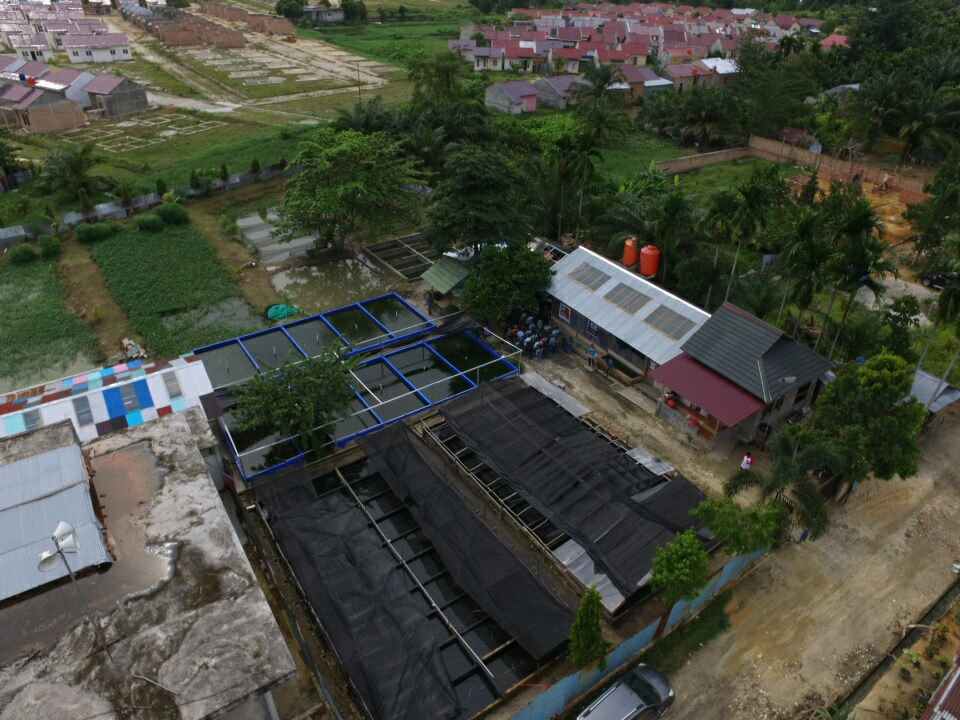
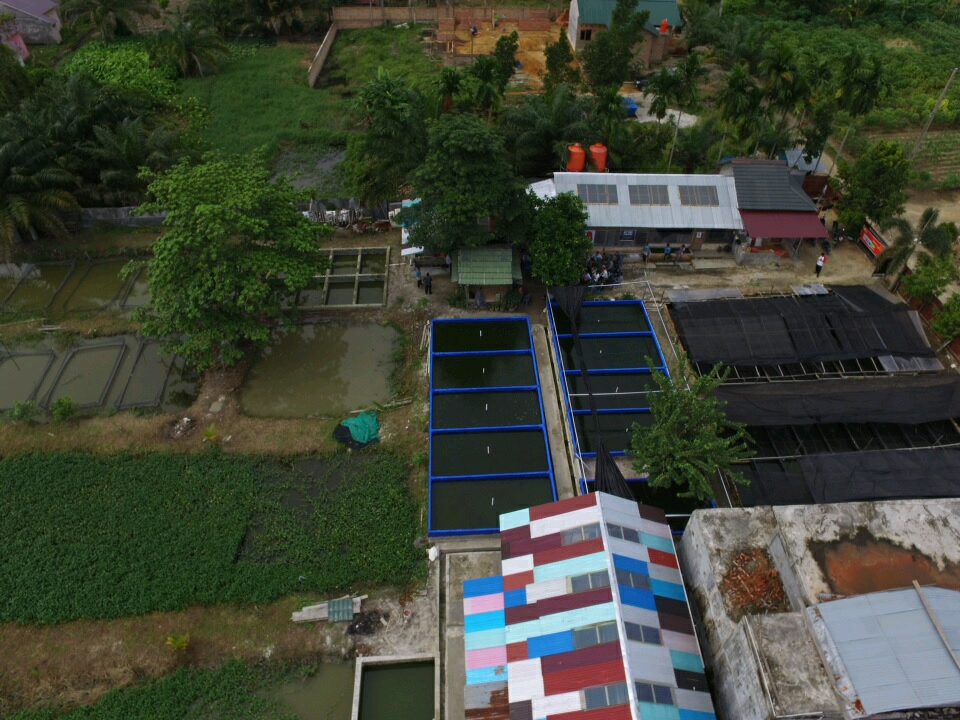
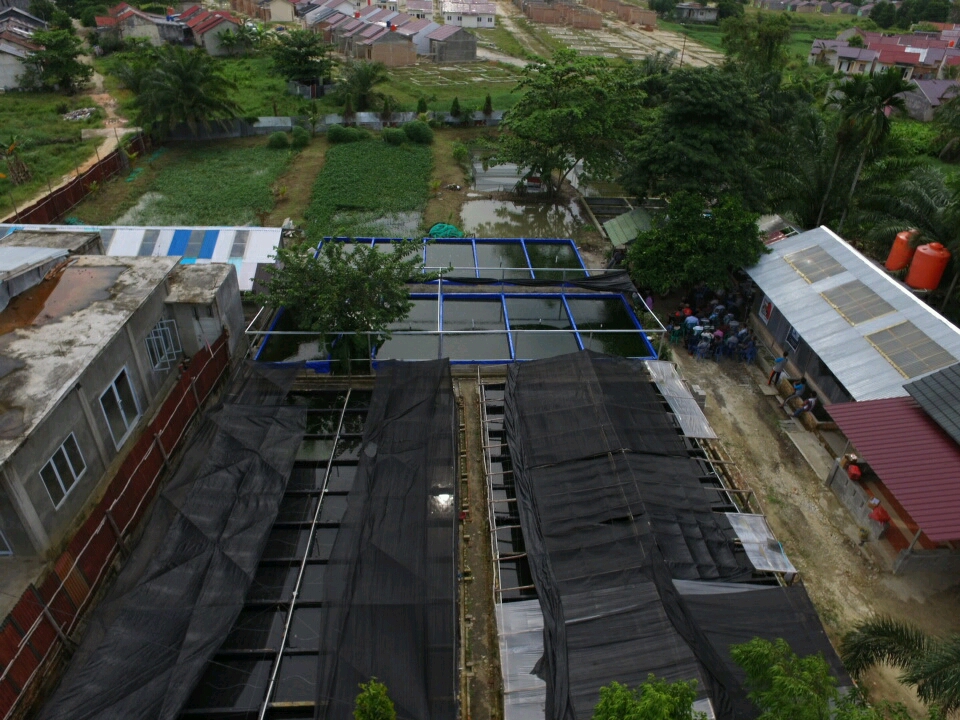
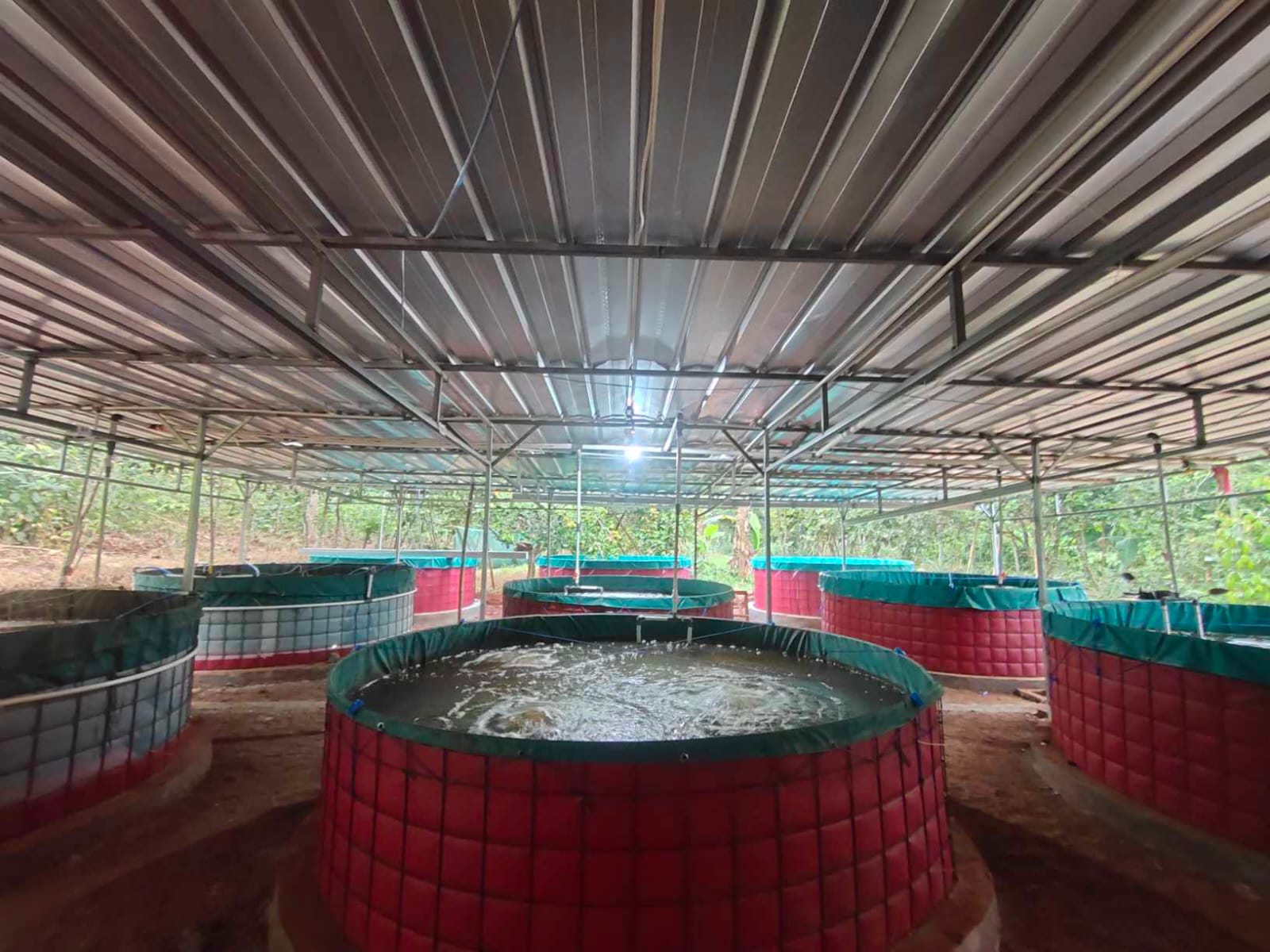
Indonesia’s freshwater aquaculture has expanded rapidly, with ponds and tanks teeming with ikan lele (catfish) to meet soaring demand. Aquaculture now contributes over 70% of the country’s fishery output, and the nation is a world leader (second only to China) in fish farming. In 2024 output grew by about 13.6% from the prior year, reflecting booming production under government-supported “blue economy” policies. Catfish are among the country’s most important farmed species, with Indonesian households favoring them as a staple protein. However, this growth comes with a caveat: fish diseases and pests remain a persistent challenge. Even today, no system is entirely immune to infection, and farmers must stay vigilant to protect their stock.
Catfish are renowned for their hardiness. Tropical Clarias catfish, such as the African sharptooth catfish, possess a special air-breathing organ that lets them survive in very low-oxygen waters. They can even wriggle onto land briefly to seek new habitat or food. In practice, this means catfish tolerate poor water quality and can thrive at high stocking densities. Experts describe them as “extremely robust and insensitive to external influences” aside from requiring warm temperatures. These qualities make catfish ideal for small-scale and traditional farms across Indonesia’s warm waterways. In fact, Indonesian data indicate that catfish production in 2024 exceeded one million tonnes, making it the single largest freshwater commodity in the country (surpassing other species) – a sign of the fish’s popularity and economic promise.
Despite their resilience, catfish are not invulnerable. When conditions deteriorate – for example, if water quality falls, pond densities become too high, or feed is nutritionally inadequate – even sturdy catfish become susceptible to disease. Outbreaks can be parasitic or bacterial in nature, and if not handled promptly they can cause high mortalities, stunted growth and serious economic losses. In recent years, Indonesian authorities have noted that managing diseases in catfish ponds is a key focus: training programs under FAO and government projects are aimed especially at catfish (and tilapia) farmers to improve their response to outbreaks.
Healthy catfish farming depends fundamentally on maintaining proper water conditions. Science-based guidelines emphasize monitoring multiple parameters – water temperature, dissolved oxygen, pH, ammonia and nitrite – so fish remain stress-free. In practice:
- Temperature: Catfish thrive in warm water, ideally about 26–30°C (around 80–86°F). A guide on catfish pond management notes the “ideal water temperature” is about 30°C. Water cooler than ~20°C slows metabolism and growth, while temperatures over 32°C can stress the fish.
- Dissolved Oxygen (DO): Oxygen must stay well above critical levels. Extension literature advises DO above 3 mg/L (and preferably 5 mg/L or more) in catfish ponds. Levels below this force catfish to surface gasping or switch to less efficient air-breathing, leaving them prone to illness.
- pH: Water should be near neutral. Catfish grow best when pH is roughly 6.5–8 (some sources allow up to 9). Highly acidic or alkaline water can damage gills and disrupt nutrient availability.
- Nitrogen compounds: Toxic ammonia (NH₃) and nitrite (NO₂) must be kept very low, through good filtration and frequent water exchange. Imbalanced pH or temperature can exacerbate ammonia toxicity.
Deviations in any of these factors can stress fish and open the door to pathogens. Indonesian experts stress that even hardy catfish under water-quality stress are at much greater risk: maintaining these parameters within optimal ranges is essential to prevent disease.
Recognizing sickness in catfish
Farmers watch their fish closely for the tell-tale signs of disease. Sick catfish usually become sluggish and eat poorly. You may see them near the water surface, gasping or swimming lethargically. Their skin or gill color may shift, appearing pale, darkened or mottled. Physical lesions are also common: in the grow-out phase, ulcers or sores often emerge on the body, usually reflecting nutritional deficiencies or secondary infections.
A particularly serious condition is the so-called “catfish jaundice”, a syndrome where affected fish turn yellow. In this case, both the skin and gills acquire a yellowish tint, and the fish become apathetic and anorexic. Veterinarians still debate the exact cause of this yellowing; it is suspected to relate to mineral imbalances or multiple infections. In all cases, once any of these symptoms appear, a rapid response is crucial.
Classification of catfish diseases
Catfish diseases are generally grouped into two broad categories: those caused by parasites and those due to non-parasitic factors.
1. Parasitic diseases
Parasitic infections in catfish arise from a wide array of organisms – viruses, bacteria, fungi, protozoa (such as Ichthyophthirius), worms (for example Dactylogyrus and Gyrodactylus), and even small crustaceans like Lernaea. Common symptoms of parasitic infection include:
- Lethargy or inactivity. Infected fish move very little.
- Drastic loss of appetite. Fish that normally feed actively may refuse food.
- Frequent surface breathing. Infected catfish often stay near the water surface, gasping.
- Frayed or damaged fins. Fin edges may be ragged or eroded.
- Discolored, broken gills. Gill tissue may turn pale or look shredded.
- Bluish body coloration. The skin may take on a dark or bluish hue.
Several specific parasitic diseases commonly affect catfish. These include bacterial infections such as motile Aeromonas septicemia, mycobacterial (tuberculous) infections, protozoan infestations like “white spot” disease, and trematode (fluke) infestations. The following sections describe each in turn.
a. Bacterial parasites: Aeromonas and Pseudomonas
Bacterial infections are a major parasitic threat. In particular, Aeromonas hydrophila and Pseudomonas species can cause severe outbreaks. These opportunistic bacteria thrive in ponds with organic buildup or poor water quality. Infected catfish often show darkened skin, rough or elevated scales, and bloody lesions on the body, and they may breathe irregularly or show labored respiration. (Field reports note that Aeromonas hydrophila infections cause hemorrhages on the fish’s body, loss of orientation, and rapid mortality.) Preventive measures include maintaining very clean pond conditions – especially by removing sludge or organic waste from the pond bottom – and vaccinating stock against Aeromonas. Vaccination can be done by medicating feed or by briefly immersing young fish in a vaccine bath.
Treatment of an active outbreak typically involves a combination of feed additives and water treatments. For example:
- Antiviral probiotics on feed. Farmers spray a probiotic solution onto the feed (about 1 liter of probiotic mixture per ton of feed) and continue this for 7–10 days.
- Turmeric infusion. As an alternative natural remedy, crushed turmeric solution can be sprayed on the feed (about 2 mL per kilogram of feed) for 3–4 days.
- Salt baths. Farmers can also treat the pond water by adding common salt at 15–25 grams per square meter of pond surface, maintained for four days (during daylight hours).
These measures help suppress the bacteria and give the fish’s immune system a boost.

Catfish infected with Aeromonas: Luhkan Kab Karangasem/I Putu Suteja
b. Catfish tuberculosis (Mycobacteriosis)
Another serious bacterial disease in catfish is a form of tuberculosis caused by Mycobacterium fortuitum. Although true tuberculosis in fish is chronic, affected catfish often show acute signs. The body darkens, and the fish’s abdomen may swell visibly due to nodules on internal organs (liver, kidney, spleen). Infected fish often float at the surface, either upright or at a tilt. Small white nodules or patches sometimes appear around the mouth and at the fin bases. Because this disease progresses slowly, fish may appear otherwise healthy until advanced stages. Mycobacterial infections are hard to cure, but farmers attempt the same controls used for Aeromonas (medicated feed and salt baths). Routine pond hygiene and quarantining new stock are important preventive steps.
c. White spot dan trichodiniasis
White spot disease (known as “Ich” and caused by the protozoan Ichthyophthirius multifiliis) and a similar infestation, trichodiniasis (caused by Trichodina species), attack the skin and gills of catfish. These ciliated protozoans attach as small white cysts or spots on the body, fins, and gills. Affected catfish become lethargic and frequently hang near the water surface, often rubbing their bodies against tank walls or the bottom in an attempt to scrape off the irritating parasites. The most visible sign is numerous tiny white spots peppering the skin and fins. (Ichthyophthirius multifiliis is a ciliated protozoan parasite that causes white spots on infected fish.)
Control of white spot and trichodiniasis relies on good pond management and targeted treatments. Farmers first optimize water quality (removing excess organics and ensuring adequate aeration). They may then perform medicated dips or baths: for example, short exposures in slightly elevated salt concentrations or approved parasiticides. In some cases, probiotic preparations similar to those used for bacterial outbreaks are also added to the feed or water. These steps are generally the same as those applied for bacterial Aeromonas control, adapted to the protozoan parasites.
d. Trematode (fluke) infestations
Trematodes – tiny flatworm flukes such as Gyrodactylus and Dactylogyrus – infect the skin, fins, and especially the gills of catfish. These flukes latch onto gill filaments and can cause severe tissue damage. Infected fish often have gills that appear bloody or eroded, which makes breathing labored and inefficient. The fish may hang near water inlets or the surface to find more oxygen, and they can become anemic or weak.
Treatment focuses on changing the pond environment and applying medicinals. Key measures include:
- Cooling and water exchange. Provide shade or float covers to lower water temperature, and replace some pond water to improve oxygenation and wash out parasites.
- Adjusting pH. If the water is too acidic, adding agricultural lime (about 10 grams per 100 liters) helps stabilize pH around neutral.
- Eliminating toxins. If harmful gases (like hydrogen sulfide or excess CO₂) are detected, increase water exchange or aeration immediately.
- Boosting nutrition. Ensure fish are well-fed with a balanced diet, since undernourished fish are more susceptible.
- Salt treatment. A common remedy is to lower the pond water level by about 20% and then administer a salt bath: add 15–25 grams of common salt per square meter of pond surface for four days (treatment applied during daylight hours), then allow a two-day break before repeating if necessary.
These interventions – especially the salt baths and improved water conditions – help eliminate the flukes and give gills a chance to heal.
2. Non-parasitic diseases
Catfish are particularly prone to water‐quality stress. Unlike parasitic infections caused by organisms such as protozoa or worms, non‐parasitic diseases arise from poor environmental conditions. In pond culture the most common triggers are extremes of pH (too acidic or alkaline), low dissolved oxygen, and toxic accumulations of nitrogenous waste (ammonia NH₃, nitrite NO₂⁻) or hydrogen sulfide in the bottom sludge. When these factors go awry, the fish’s metabolism falters, immunity drops and mass die‐offs can result if the water is not corrected. Poor water quality is the most common cause of environmentally induced diseases in fish. In practice this means maintaining a stable pH in the mid‐neutral range (roughly 6.5–9.0 in freshwater) and keeping oxygen levels well above the danger zone. For example, water saturations under 50% (around 4–5 mg/L in warm ponds) are risky, and fish kills often occur whenever dissolved oxygen falls below ~3–4 mg/L.
When conditions slip below these thresholds, catfish show clear signs of distress. They may gulp at the surface, swim erratically or lethargically, and lose appetite. Indeed, low dissolved oxygen and high ammonia are the two water-quality parameters most likely to directly kill fish. In intensive ponds, as much as two‐thirds of mortality can be attributed to such chronic stress rather than to any infection. In Indonesia the fisheries research bureau has found that roughly 60–70% of cultured-fish deaths trace to waer‐quality stress. (This underscores the axiom in aquaculture that managers must monitor and stabilize pH, oxygen and wastes before treating any “disease.”) Under proper management, catfish grow best in water near neutral pH (about 6.5–8.0 is ideal) and with dissolved oxygen seldom dropping below about 3–5 mg/L. If pH falls under 6.0 or oxygen falls under ~3 mg/L, even hardy catfish will start to swim irregularly, refuse feed and float listlessly – classic stress symptoms that presage outbreaks.

During necropsy, the diseased catfish displayed a pale liver and markedly swollen lymphatic tissues: Badan Mutu KKP Medan II
3. Disease prevention and control
Catfish have no scales, so their skin is their primary barrier against pathogens. In this scaleless fish, mucus is the first line of defense. A minor scrape will trigger copious mucus production, but this slimy coat is not a perfect shield. In practice even tiny abrasions – abrasions that might go unnoticed on a scaled fish – create entry points for bacteria, fungi or viruses. In a poorly maintained pond, such open wounds can be fatal doorways for disease.
Because of this vulnerability, prevention in catfish culture must begin with clean conditions. Ponds should be routinely cleaned of sediment, uneaten feed and feces. Decomposing waste produces ammonia and hydrogen sulfide, which further weaken the fish. Organic muck can quickly degrade treatments for instance, potassium permanganate inactivation is accelerated by sediment so improved sanitation can have a tremendous impact on treatment efficacy. In practical terms, farmers clear sludge and replace a portion of the water as needed so that the catfish swim in fresh, well-oxygenated water.
A second step is disinfecting fry and fingerlings before stocking. A common practice is to immerse young catfish in a dilute potassium permanganate (KMnO₄) bath (typically around 10–20 ppm for 10–15 minutes, depending on fish size). The oxidizing solution kills surface microbes – bacteria, fungi and many parasites – without harming the fish. (Farmers then dip the fry in clean water to rinse before introducing them.) This simple chemical sterilization helps break the cycle of infection.
Feed quality and feeding management are equally important. Catfish require a high‐protein diet for fast growth, and farms generally use commercial feeds with 28–32% protein. Not only must the feed meet nutritional standards, it must also be fresh. Spoiled or low-quality feed quickly fouls the water. The uneaten or stale food decays into ammonia and nitrite, depletes oxygen and even lowers pH all of which stress the fish and invite disease. In practice, farmers feed measured amounts so that the fish eat most of it quickly, avoiding piles of uneaten pellets at the bottom. By preventing excess feed, they prevent overloading the pond with organic waste and harmful compounds.
Stocking density also must be managed. Too many catfish crowded into one pond can lead to fierce competition for oxygen and swimming space. High density forces fish to expend more energy coping with stress, slowing growth and weakening immunity. In crowded ponds even a small pathogen outbreak can spread rapidly. Good practice is to stock at moderate density so that each fish has room to breathe and grow; this reduces chronic stress and makes it harder for a disease to sweep through the population.
Finally, a new frontier in catfish health is vaccination. Researchers have developed vaccines against common bacterial foes of catfish, especially Edwardsiella tarda (which causes Edwarsiellosis) and Aeromonas species. These vaccines, often delivered by immersion or oral dose in juvenile fish, prime the catfish immune system to resist these pathogens. In effect, a vaccinated fingerling enters the pond with antibodies ready, significantly cutting the risk of a bacterial disease outbreak. Such preventive immunization is still emerging in the industry, but it represents a promising way to bolster catfish defenses in addition to environmental and management measures.
Treatment methods for catfish diseases
In catfish aquaculture, farmers rely on three primary treatment methods to manage diseases. The first method, often called “treatment,” involves administering medication at a low dose over an extended period. This approach is essentially preventive, used regularly or at the first sign of infection. The idea is to stabilize the fish’s health steadily, avoiding the stress that can come from higher doses of medication.
When a disease outbreak occurs suddenly, farmers often adopt a high-intensity approach known colloquially as “diving.” In this method, medication is given at a high dose for a short period. It is typically reserved for acute infections that spread rapidly through the pond. Though effective at killing pathogens, diving must be carried out under strict supervision. Farmers may repeat this process at set intervals, carefully monitoring the fish and their environment to prevent harmful side effects on the fish or in the pond water.
If a fish population is already severely ill or the infection has become chronic, farmers resort to the third method: soaking, or immersion. In this case, fish are placed directly into a medicated solution such as one containing potassium permanganate or a water-soluble antibiotic for a specified amount of time. Soaking allows the medication to work directly on the fish’s skin and on any open wounds. Soaking is intense and therefore generally considered a last resort when fish are critically ill.