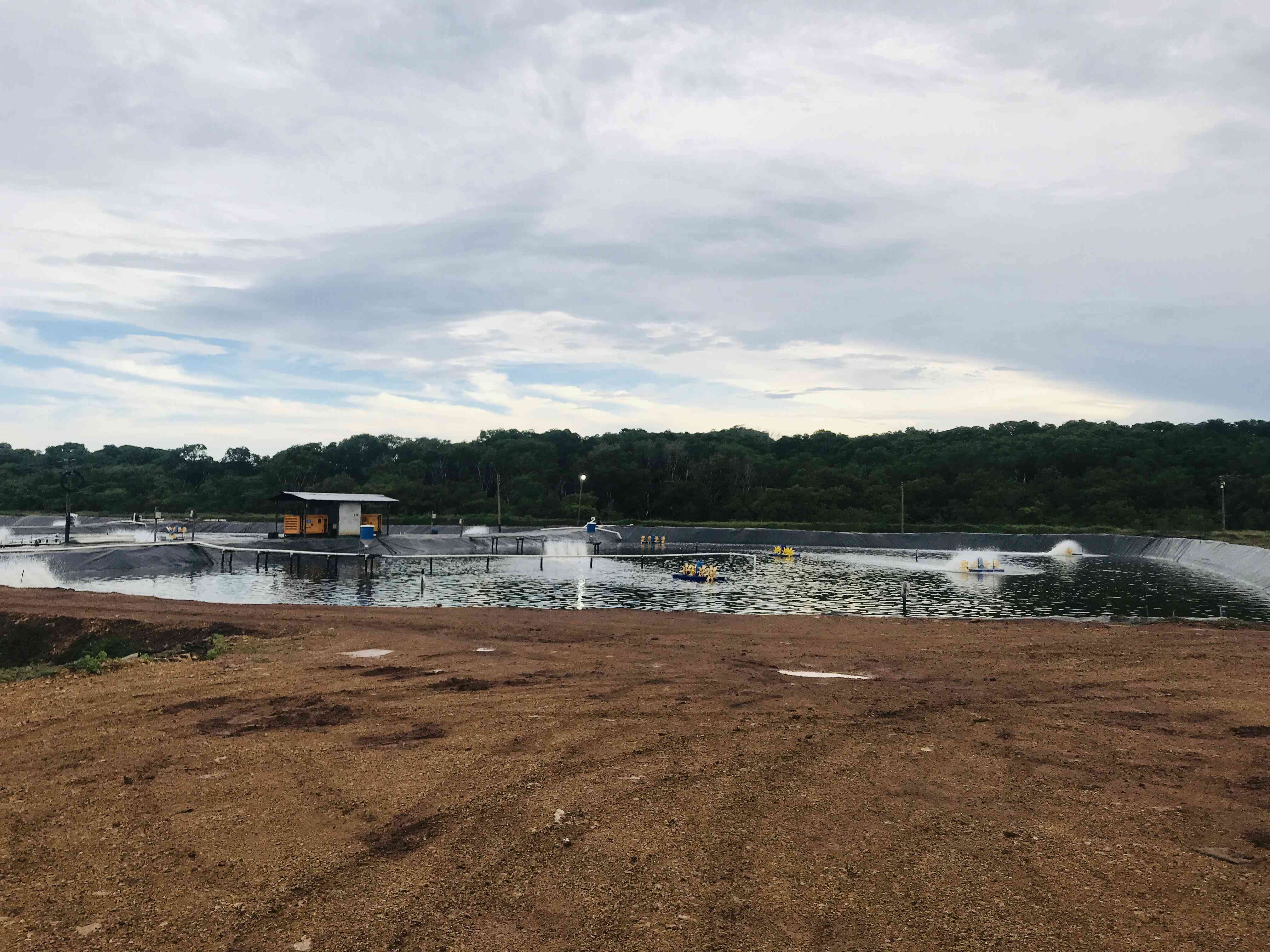
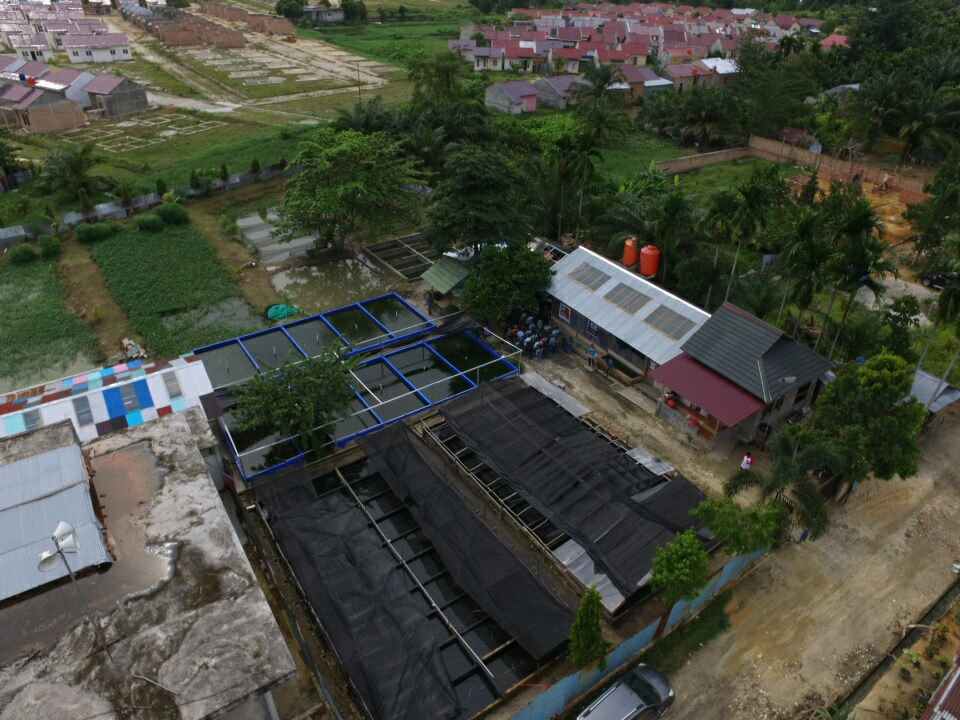
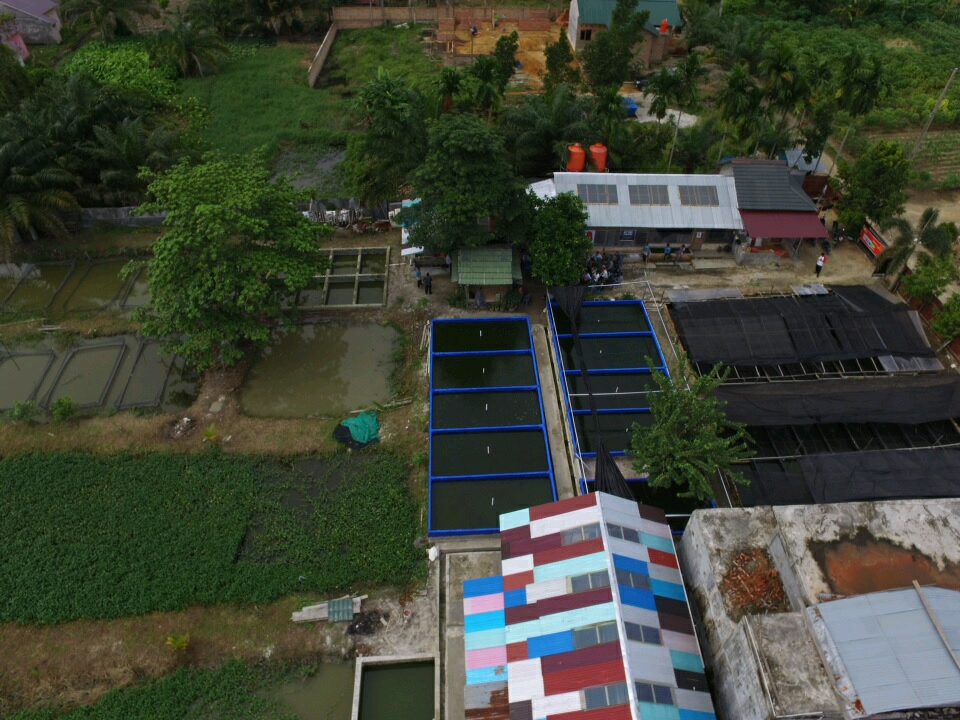
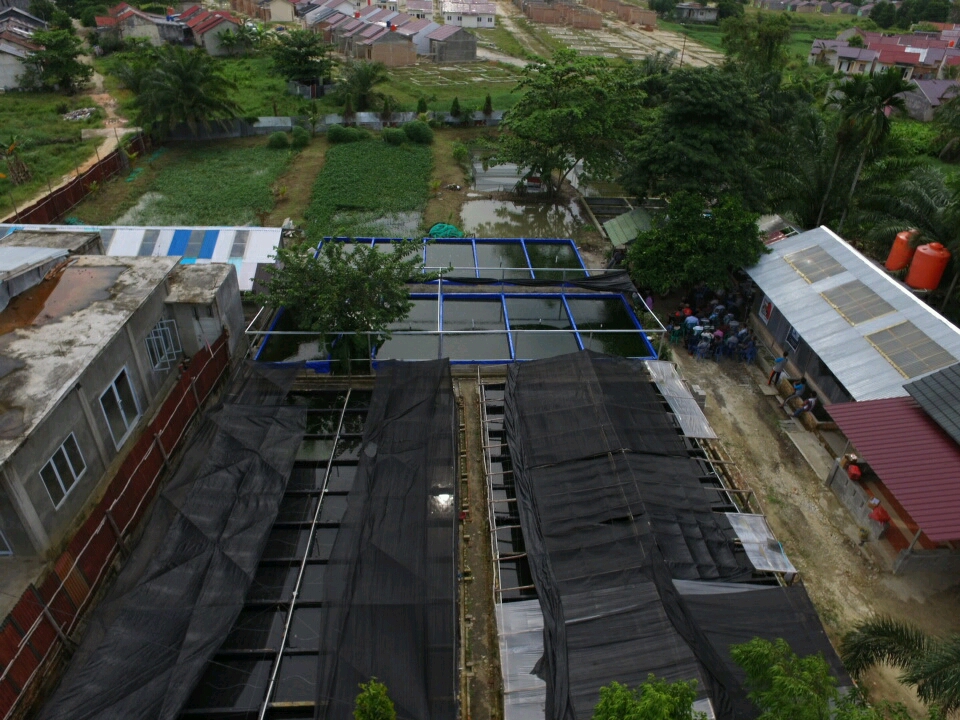
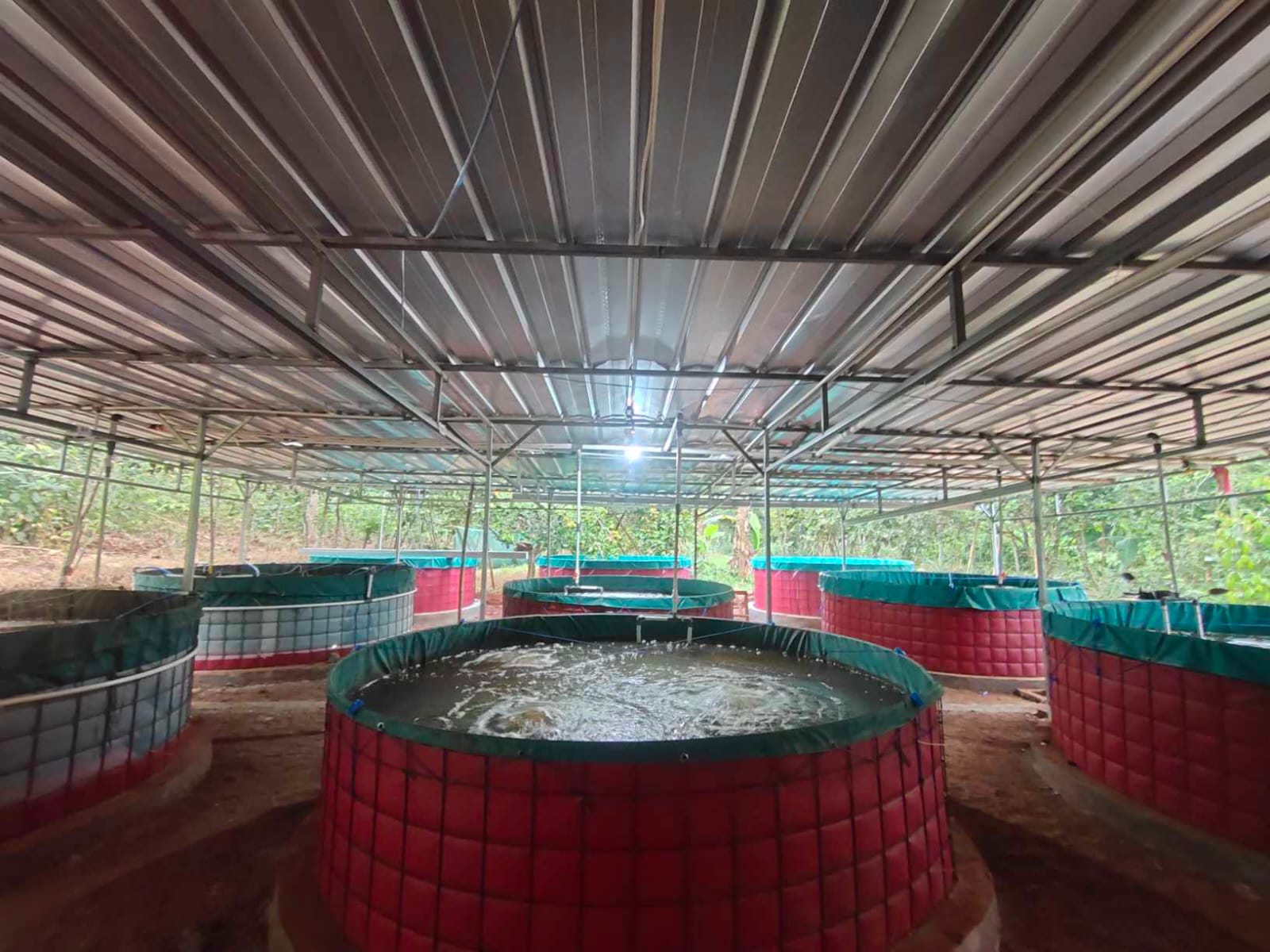
Water serves as the primary medium in vannamei shrimp aquaculture, particularly during the hatchery phase. Optimal water quality is critical to ensuring the successful growth and development of postlarvae (PL) until they reach the stage suitable for further grow-out. However, as rearing duration increases, water quality tends to deteriorate due to cumulative factors, including the accumulation of toxic compounds from uneaten feed residues, metabolic waste (e.g., shrimp feces), and competition among shrimp for dissolved oxygen (DO).
A significant consequence of toxic compound accumulation is the rise in ammonia and nitrite concentrations. Both substances pose severe risks to shrimp health and development, as they reduce dissolved oxygen levels and degrade the overall aquaculture environment. Elevated ammonia and nitrite levels can impair shrimp physiological functions, suppress immune responses, and increase susceptibility to disease.
Water quality management in vannamei shrimp hatchery systems
Maintaining optimal water quality in shrimp hatcheries is fundamental to ensuring the health and survival of PL. Below are key strategies for managing water quality in vannamei shrimp hatcheries:
1. Water filtration systems
Effective water filtration is critical to eliminating physical and biological contaminants. This process begins by installing fine mesh filters at the intake points of water supply hoses to screen out large debris, suspended solids, and potential pathogens. Multi-stage filtration systems, including sedimentation tanks or mechanical filters, can further enhance water clarity by removing finer particulate matter. Such systems reduce turbidity and prevent micro-debris from interfering with larval development, which is particularly sensitive to environmental stressors.
2. Monitoring and maintaining key water quality parameters
Routine monitoring of water quality parameters is essential to sustain a stable hatchery environment. Key metrics includ temperature, pH, salinity, turbidity, and dissolved oxygen (DO). Advanced monitoring tools, such as digital pH meters, salinometers, and optical DO sensors, enable precise, real-time measurements. Automated systems or manual checks should be conducted daily, with immediate corrective actions (e.g., aeration, water exchange, or chemical adjustments) taken if parameters deviate from optimal ranges.

Prior to stocking shrimp PL, rigorous water quality evaluations to ensure optimal rearing conditions: DJPb Karangasem
Parameter utama kualitas air dalam pembenihan udang vaname
1. Temperature
Water temperature is a critical environmental factor influencing the hatching success of vannamei shrimp eggs. Under optimal conditions (20–32°C), shrimp eggs typically hatch within approximately 10 hours, with this range supporting embryonic development and ensuring high hatching rates. However, deviations outside this optimal range can negatively impact both hatching efficiency and subsequent larval growth.
Temperatures below 20°C slow embryonic metabolism and development, prolonging hatching duration and reducing larval survival. Research indicates that such low temperatures inhibit physiological activity, including feed conversion efficiency and immune responses. Conversely, temperatures exceeding 32°C induce thermal stress, accelerating metabolic rates to unsustainable levels and elevating mortality in newly hatched larvae.
To optimize outcomes, water temperature in hatcheries should be maintained within a narrower ideal range of 29–32°C, with 30°C identified as the most favorable condition for larval development. At this temperature, hatching rates often exceed 90%. Routine monitoring—conducted twice daily (morning and evening)—is essential to ensure environmental stability.
Temperature regulation strategies include deploying heaters during cold conditions and implementing cooling or enhanced aeration systems during heat stress. Effective temperature management must also align with other critical water quality parameters, such as dissolved oxygen, salinity, and pH, to create a holistic environment conducive to successful shrimp rearing. By prioritizing precise temperature control, hatcheries can maximize hatching efficiency, larval health, and overall productivity in vannamei shrimp aquaculture systems.
2. pH (Potential Hydrogen)
pH, a measure of water acidity or alkalinity, plays a vital role in the successful cultivation of vannamei shrimp. Optimal pH levels for shrimp growth typically range between 7.0 and 9.0, while a slightly alkaline pH of 8.0 is ideal for egg development. Stable pH maintenance is critical, as abrupt fluctuations can induce physiological stress, reduce survival rates, and impair metabolic efficiency, nutrient absorption, and immune function in shrimp.
Acidic conditions disrupt metabolic processes in vannamei shrimp, increasing the concentration of toxic ammonium ions (NH₄⁺) that inhibit growth. Low pH also weakens the exoskeleton during molting, elevating mortality risks. Such acidity often arises from excessive carbon dioxide (CO₂) buildup, uncontrolled organic matter decomposition, or influx of low-pH rainwater.
Alkaline environments favor the proliferation of pathogenic bacteria like Vibrio spp., a major contributor to shrimp diseases. Elevated pH also heightens ammonia toxicity, as un-ionized ammonia (NH₃)—a lethal compound—becomes more prevalent in basic conditions. NH₃ damages gill tissues and disrupts respiratory function, further compromising shrimp health.
Daily pH monitoring using digital meters or litmus paper is essential to detect deviations. Stabilizing pH requires balancing carbonate (CO₃²⁻) and bicarbonate (HCO₃⁻) levels to buffer against fluctuations. For acidic water, agricultural lime (CaCO₃) or sodium bicarbonate (NaHCO₃) can neutralize excess acidity. Conversely, high pH is corrected through enhanced aeration to offgas CO₂ or the application of pH-lowering agents like humic acid or peat.
3. Water Turbidity
Optimal water quality in shrimp hatcheries is vital to support egg hatching and larval development. Turbidity, caused by suspended particles such as silt or organic matter, poses significant risks to larval health. Excessive turbidity can obstruct larval respiration, induce physiological stress, and reduce survival rates. Suspended solids also contribute to organic overloading, promoting pathogenic bacterial growth and depleting dissolved oxygen (DO) levels critical for larval metabolism.
To address turbidity, hatcheries employ multi-stage filtration and sedimentation systems. Multi-stage filtration involves sequential screening processes, beginning with coarse filters (20–50 microns) to remove large debris, followed by fine filters (0.1 microns) capable of eliminating suspended particles and small pathogens. Studies indicate that 0.1-micron filtration reduces total suspended solids (TSS) by up to 95%, significantly improving water clarity and minimizing disease transmission risks.
Sedimentation systems complement filtration by allowing particulate matter to settle before water enters hatchery tanks. When combined with biological filtration, sedimentation further stabilizes water quality by reducing toxic ammonia and nitrite concentrations. These compounds, generated from organic decomposition, are particularly harmful to larvae, impairing growth and immune function.
4. Salinity
Salinity is a critical environmental parameter influencing the success of Pacific whiteleg shrimp hatcheries. Optimal salinity for larval rearing is approximately 31 parts per thousand (ppt), while seawater used for hatching should maintain a range of 20–30 ppt to support egg development and larval survival. Appropriate salinity levels facilitate osmoregulation—the physiological process by which larvae balance internal salt and fluid concentrations.
Salinity deviations pose significant risks. Levels below 20 ppt force larvae to expend excess energy on osmotic regulation, inducing stress and reducing growth rates and disease resistance. Studies indicate that postlarvae reared in low-salinity environments exhibit stunted development and heightened susceptibility to pathogens. Conversely, salinities exceeding 30 ppt may cause larval dehydration and electrolyte imbalances, increasing mortality risks.
5. Dissolved oxygen (DO)
Dissolved oxygen (DO) is equally vital for aquatic organisms, including shrimp. In hatcheries, DO levels should be maintained between 3–6 ppm to support respiration, metabolism, and detoxification processes. Adequate oxygen availability mitigates the accumulation of toxic compounds such as ammonia and nitrite, which impair larval growth.

Laboratory team performs specialized water quality testing for vannamei shrimp breeding stock: DJPb Karangasem
Aeration systems are central to sustaining optimal DO. Insufficient aeration reduces oxygen levels below the required threshold, stunting growth and elevating mortality. Excessive aeration, however, can mechanically stress larvae and damage developing eggs. To balance efficiency and safety, aeration capacity should be calibrated to 1.3 liters per minute per cubic meter of pond floor area, ensuring uniform oxygen distribution without physical disruption to larvae.