Indonesia, an archipelagic country rich in natural resources, also faces serious challenges related to waste management, especially from food processing industries such as the fishing industry. One of the significant wastes is waste from processing pangasius fillets, a freshwater fish that is increasingly popular in the domestic and international markets. The process of processing pangasius fillets, both on a household and industrial scale, always produces waste that can pollute the environment if not managed properly.
Pangasius, which is now known as one of Indonesia's leading commodities, is a fish whose production process increases every year. According to data from Trobosaqua, Indonesia even occupies one of the largest pangasius producing countries in the world. However, the increase in pangasius production is also accompanied by an increase in waste produced from the processing process. Waste from pangasius processing not only creates new problems, but also has a negative impact on the surrounding environment.
Waste from the pangasius processing process often comes from parts that are not used, such as the head, viscera (stomach contents), spine and skin. Unfortunately, these parts are often ignored and thrown away, creating a buildup of organic waste which becomes a source of environmental pollution. When these organic wastes accumulate in landfills or are released into the environment, their natural decomposition processes can trigger the production of ammonia. Ammonia is a powerful nitrogen compound and when released into the air, can cause air pollution that is not only annoying, but also potentially dangerous to human health and the surrounding environment.
Apart from potential environmental pollution, pangasius waste can also be a source of disease if not managed properly. Ammonia produced from the decomposition of organic waste can create an environment that supports the growth of pathogenic bacteria and microorganisms. This increases the risk of spreading disease to both humans and animals if this waste is not handled effectively. Therefore, it is important to find solutions that not only reduce the accumulation of waste, but also reduce the public health risks associated with this waste.
Waste management solutions
The Indonesian government is aware of the urgency of managing this waste and has implemented regulations to address this problem. Waste management regulations aim to build an environmentally friendly and sustainable industrial sector and generate additional income for industry by converting waste into goods of marketable value.
Utilization of pangasius fillet processing waste for cultivating Black Soldier Fly or BSF is one promising solution in overcoming the problem of organic waste from the fishing industry. BSF, which originates from America, has spread to various subtropical and tropical regions throughout the world, including Indonesia. One of the main reasons for its successful distribution is its extraordinary ability to decompose organic waste. BSF has a unique life cycle where the larvae or maggots act as the main agent in the organic waste decomposition process.

BSF larvae are commonly called maggots
The BSF cultivation process is relatively easy and does not require complicated special equipment. These flies can reproduce quickly in various environmental conditions, including in tropical areas such as Indonesia. In the larval phase, BSF is known as maggot, which has high nutritional value and can be used as an alternative protein source for livestock.
BSF maggots can consume organic waste, including waste products from processing pangasius fillets, quickly and efficiently. BSF maggots can also be given as feed to poultry, fish and other livestock. Using maggots as a protein source for animal feed can reduce dependence on expensive conventional feed and also provide added value in terms of animal health and productivity.
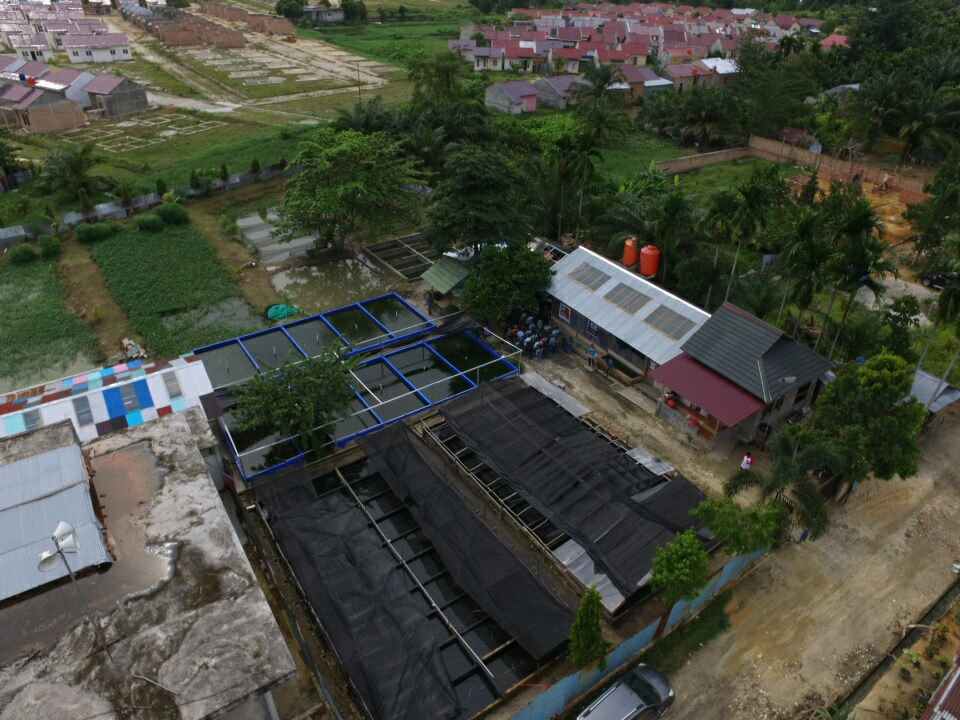
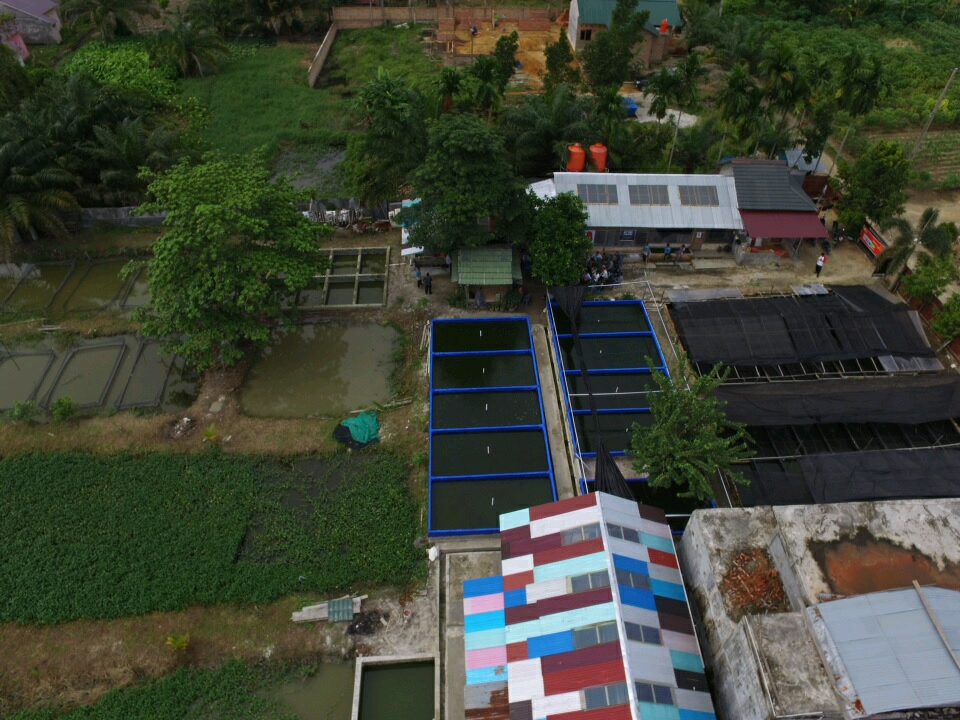
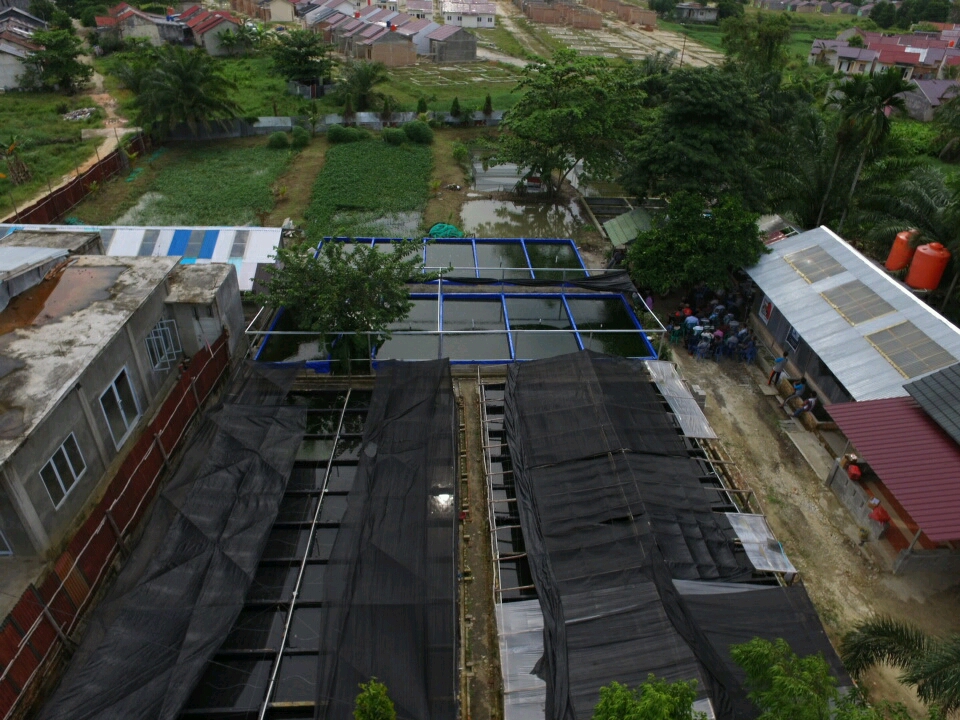
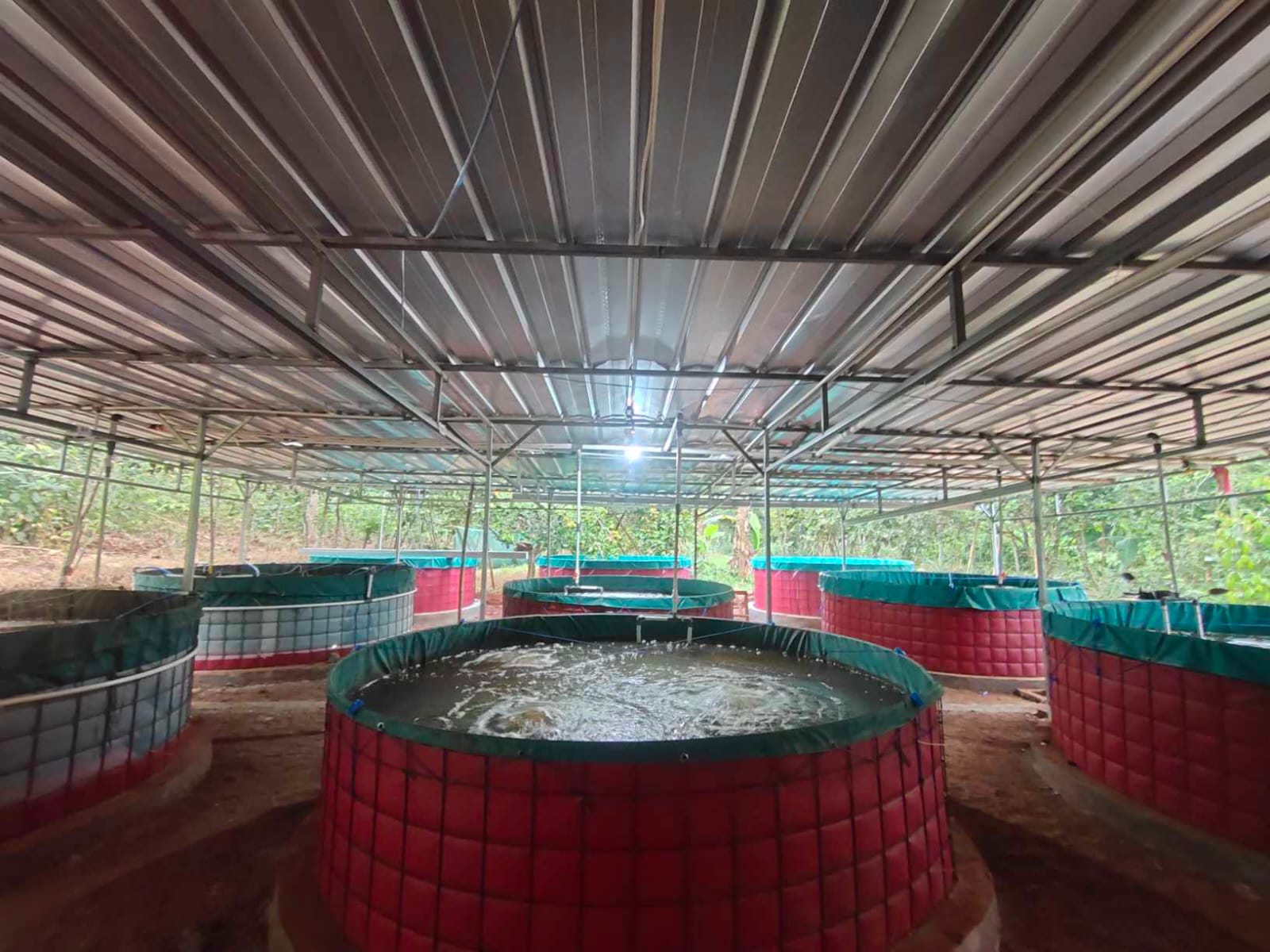
As an illustration, for Graha Pratama Fish in Kampung Patin which produces processed pangasius, the application of the maggot cycle from BSF for processing processed pangasius waste can be a very relevant innovation. In this context, processed pangasius waste resulting from the fish processing process can be used as material for cultivating BSF maggots. The decomposition process carried out by BSF maggots will convert organic waste into maggots which are rich in protein. These maggots can then be taken and used as feed for the pangasius at Graha Pratama Fish. Moreover, Graha Pratama Fish has an independent fish feed manufacturing unit. Thus, this cycle will create a closed system in which pangasius processes waste into a source of highly nutritious protein for the pangasius itself. This not only reduces the buildup of organic waste in Kampung Patin, but also increases independence in providing one of the important raw materials (maggots) for making fish food.
Apart from that, organic waste produced from maggot activities also has economic value as organic fertilizer. Organic waste that has been decomposed by BSF maggots contains nutrients that are beneficial for plants. By collecting this decomposed organic waste, farmers can use it as fertilizer to increase soil fertility and their agricultural yields. In this way, not only is organic waste processed efficiently, but it also produces by-products that have economic value.

Organic waste resulting from maggot activity
Huge benefits of BSF
By adopting BSF cultivation, the paradigm around waste can change significantly. Waste that was previously considered a problem can become a resource that has the potential to generate additional income. Maggots, as a product of BSF cultivation, have an important role in this transformation.
Maggots are not just a byproduct of the organic waste decomposition process, but also have significant economic value. BSF larvae are rich in protein, making them a highly valued alternative feed source in the aquaculture industry. With its high nutritional content, maggots can be used as feed for poultry, fish and other livestock. In a market that is increasingly aware of the importance of alternative protein sources, BSF maggots offer a sustainable and environmentally friendly solution.
Not only as an alternative source of protein, maggots also have the potential to be a finished product with high selling value. In several industries, such as the animal feed industry and insectivore cultivation, maggots have become a sought-after commodity. Its existence as a source of high quality protein makes it attractive as high quality feed for livestock. In addition, its continued availability and relatively low production costs make maggot an attractive choice for cultivators.
Processing organic waste into valuable products such as maggots is also a step in line with efforts to change the general view that waste has low economic value. By converting waste into commodities with high selling value, we not only reduce environmental pollution, but also create new opportunities in the economic sector. This sends a strong message that waste can be a valuable resource if managed wisely and innovatively.
Apart from economic benefits, waste management through BSF cultivation also has a positive impact on the environment. By reducing the buildup of organic waste and producing products of economic value, we can create a cleaner and healthier environment. By introducing sustainable practices like these, we can move towards a greener and more sustainable future.
In addition to the previously mentioned benefits, it is important to note that BSF has unique characteristics that make it very suitable for cultivation. One of the main advantages is that BSF is not considered a nuisance pest and is rarely found in dense residential areas. These characteristics offer additional security in the cultivation process, reducing the risk of conflict with local communities and ensuring that BSF cultivation operations can be carried out more smoothly. BSF's ability to reproduce in a controlled environment also allows cultivators or business actors to carry out their cultivation without worrying about possible negative impacts on the surrounding environment.