
Stunting is a chronic problem of malnutrition caused by insufficient nutritional intake over a long period of time, due to providing food that does not meet nutritional needs. Stunting occurs when the fetus is still in the womb and only becomes visible when the child reaches the age of two years. Malnutrition at an early age increases infant and child mortality rates, makes sufferers vulnerable to illness, and causes suboptimal body posture as adults (MCA Indonesia, 2014).
Stunting in toddler-aged children requires special attention because it can hinder the child's physical and mental development. Children who experience stunting have a risk of reduced intellectual abilities, productivity, and an increased risk of degenerative diseases in the future.
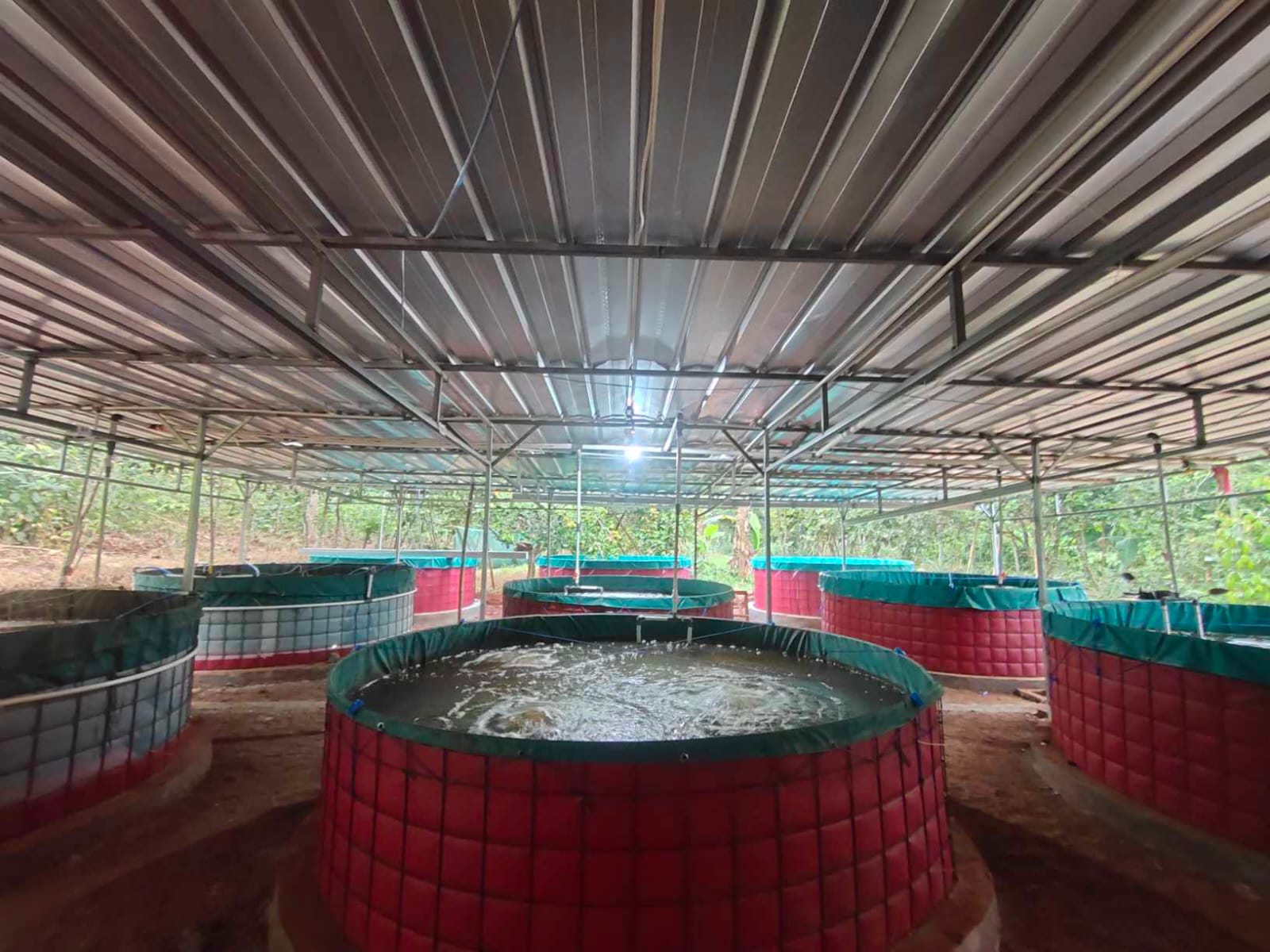
According to Rachim (2017), the incidence of stunting is caused by four main factors, namely maternal and environmental factors, factors that do not fulfill the need for complementary foods, obstacles to breastfeeding, and infection factors. One of the points that contributes to the unmet need for complementary foods is the lack of food diversity, especially food from animal sources. One source of animal food that has the potential to reduce high levels of stunting is catfish.
Benefits of catfish in preventing stunting
Catfish is an extraordinary source of nutrition, especially in terms of protein and fat. Luky Ardiansyah (2018) revealed that the fat content in catfish is only around one gram, but the protein reaches 22 grams per serving, making it a nutrient-rich choice. With this comparison, catfish surpasses goat, lamb, beef and broiler chicken in terms of excess protein and low saturated fat. This nutritional analysis shows that catfish is not only a delicious choice, but also an excellent source of nutrients to support body growth and development, especially in children.

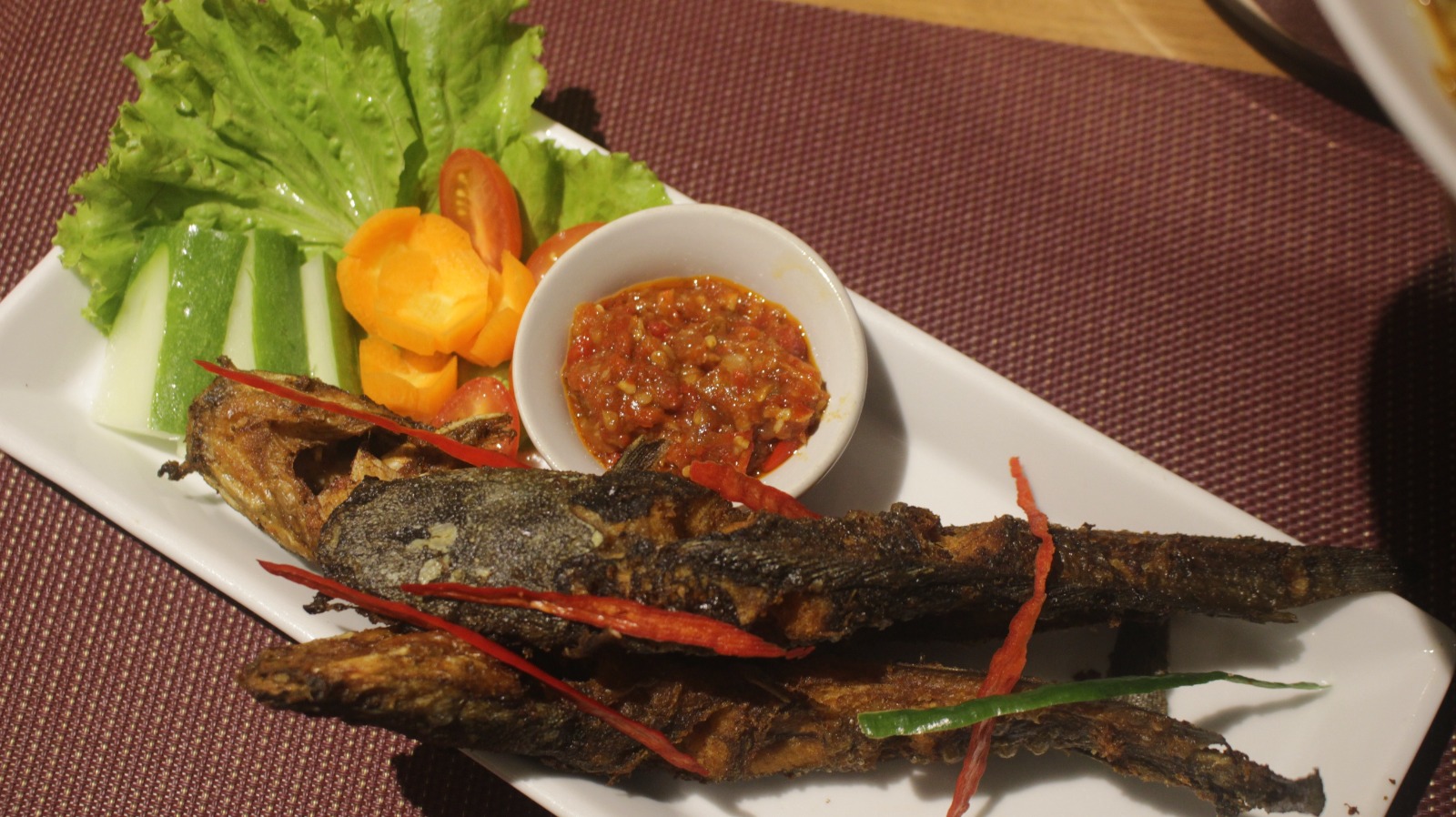
Healthy high protein catfish dish by Banglele Indonesia
Additionally, it is important to note that catfish not only excels in high protein content, but also has lower energy compared to other types of meat. This makes catfish an ideal choice for those who care about calorie intake while still getting the nutrients they need. With its low fat and high protein content, catfish not only provides short-term health benefits but can also be an integral part of a healthy diet in the long term. As a balanced and nutritious food choice, catfish makes a positive contribution to efforts to prevent stunting and ensure that children get the nutrition they need to grow and develop optimally.
Catfish is a solution because the price is affordable for all groups with excellent nutritional content, especially for children. Dr. Meva Nareza (2021) states that there are six benefits of consuming catfish to meet nutritional needs during child development, namely:
1. Children's brain education
The fat contained in catfish has a composition that is rich in omega-3 fatty acids, a nutrient that is essential for child development. Omega-3 fatty acids play an important role in supporting brain and nervous system function. By consuming catfish, children can gain positive benefits in the formation and health of their brains. These nutritional properties not only ensure smooth cognitive functioning, but also contribute in preventing memory impairment or other mental health problems at this stage of their development.
In addition, the omega-3 fatty acids in catfish are a valuable brain education element. This nutrient has been proven to increase the ability to grasp and retain information in children. Therefore, including catfish in a child's diet is a strategic step to ensure that this essential nutritional need is met properly. In this way, parents and children's mentors play an important role in creating a nutritional environment that supports optimal brain growth.
When children get adequate omega-3 intake through catfish, this can also have a positive impact on their overall mental health. Preventing memory impairment and reducing the risk of forgetfulness is a long-term investment in a child's well-being. Therefore, understanding the important role of omega-3 fatty acids in catfish is not only the task of parents, but also society and educational institutions. By paying special attention to catfish consumption, we can form a generation that is not only intellectually intelligent, but also has optimal mental health.
2. Increase body strength and endurance
The high protein content in catfish not only provides sufficient energy to support children's daily activities, but also plays an important role in various body functions that support their growth and health. Protein is known as an essential nutrient that plays a role in building and repairing body tissue, including muscles and the immune system. In addition, protein also functions as a building block for hormones and enzymes in the body, supporting critical metabolic processes for optimal growth and development.
In 100 grams of catfish, there are around 18 grams of protein, a significant nutritional contribution. It is important to note that the daily protein requirement for children under 4 years of age is only around 13 grams. Thus, including catfish in children's diets is an effective way to meet their daily protein needs. To maximize the benefits, it is recommended for parents to divide 100 grams of catfish into three portions at their child's mealtimes. This simple step can not only provide adequate nutrition, but also help in creating sustainable healthy eating habits, supporting children's optimal growth and development from an early age.
3. Prevent anemia
Consuming 100 grams of catfish every day provides significant benefits in meeting children's daily vitamin B12 needs. Vitamin B12, which catfish is rich in, has a very important role in the production of red blood cells. Vitamin B12 deficiency can have a serious impact on children's health, especially increasing the risk of anemia. Anemia in children can cause symptoms such as fatigue, weakness, and decreased endurance.
It is important to remember that intake of vitamin B12 from natural sources such as catfish is preferred rather than through supplements. The presence of this vitamin in catfish not only provides maximum biological benefits but also provides a natural and delicious alternative to meet children's nutritional needs.
4. Healthy bones and teeth
Catfish is not only rich in protein and vitamin B12, but is also a good source of vitamin D and calcium. The presence of vitamin D and calcium in catfish has an important role in supporting healthy bones and teeth in children. Vitamin D helps the body absorb calcium, a mineral that is needed for optimal bone growth.
By meeting the daily requirements for these vitamins and minerals from the time they are growing up, children can optimize the growth and strength of their bones. Healthy bones and teeth are not only important for physical well-being today, but are also a long-term investment in bone health in adulthood. The risk of developing conditions such as osteoporosis and dental problems in the future can be significantly reduced by ensuring that children receive adequate intake of vitamin D and calcium through regular consumption of catfish.
5. Protects the nervous system
Another advantage of catfish is that this type of fish has low levels of mercury. Mercury is a heavy metal which in high levels can cause serious health problems, especially in neurological development, especially in children. Consuming fish that contain large amounts of mercury can have a negative impact on children's nervous and cognitive systems, so it is very important to choose types of fish that have a low risk of mercury.
In this context, catfish is a safe and wise choice to meet children's nutritional needs without the risk of too much mercury. The low mercury content in catfish ensures that children can still get the nutritional benefits of fish without worrying about being disturbed by the negative effects of mercury.

Mangut lele, a delicious Jogja catfish dish that is suitable for children, a variation of the children's food menu
Conclusion
Overcoming stunting is a serious challenge in efforts to improve the quality of children's health. Stunting, triggered by long-term nutritional deficiencies, can have a significant impact on children's physical growth and mental development. To face this problem, it is important for society and the government to find reliable and affordable solutions.
One prominent solution is to include catfish in children's diets. Catfish, with its high protein content, low saturated fat, and important nutrients such as omega-3, vitamin B12, vitamin D, and calcium, can be an integral component to support children's growth and development holistically. The presence of these nutrients can help overcome nutritional deficiencies that may trigger stunting.
Steps to change eating habits from an early age, including increasing consumption of catfish, can be a long-term investment in the health of future generations. Educating parents about the importance of including catfish in children's daily menus, as well as promoting food policies that support fish consumption, can be proactive steps in fighting stunting. The government and related institutions also have a big role in creating policies that support the availability and accessibility of catfish, so that it can become an affordable and easily accessible food choice for the public.
The role of parents, government and society in providing understanding about the importance of nutrition and a balanced diet is very crucial. By uniting these efforts, we can create an environment that supports children's optimal growth, keeps them away from the risk of stunting, and paves the way to a healthier future for the next generation. Investing in children's nutrition is not just about fighting stunting today, but also about creating a solid health foundation for a better future.
References:
https://www.alodokter.com/daftar-manfaat-ikan-lele-bagi-kesehatan-anak
https://tabloidsinartani.com/detail/indeks/pangan/7022-Atasi-Stunting-dengan-Makan-Ikan
https://m.medcom.id/gaya/fitness-health/9K558LRK-4-faktor-risiko-stunting-yang-perlu-kamu-ketahui
Rachim, A.N.F & Pratiwi, R. (2017). The relationship between fish consumption and the incidence of stunting in children aged 2-5 years. Diponegoro Medical Journal. 6(1), 36-45.