
Tilapia cultivation is indeed a promising option for farmers because tilapia has properties that make the cultivation process easier. With a good breeding process, tilapia is able to reproduce quickly and efficiently. In addition, its ability to adapt to various environmental conditions makes it an ideal choice for beginners in the world of fish farming. Tilapia is also known as an omnivorous fish, which means it can consume various types of feed, so farmers have no difficulty in feeding the cultivated tilapia fish.
However, the process of cultivating tilapia is not always smooth for beginners. There are several common mistakes that are often encountered and need to be overcome during the cultivation process. In this article, we will highlight some common problems that beginners often face and provide solutions to overcome these challenges. With a good understanding of these issues, it is hoped that beginners can manage tilapia cultivation more effectively and optimize their business potential.
Choosing the right location and type of pond
When starting tilapia cultivation, choosing the right location and type of pond is a crucial first step for the success of the cultivation. Many beginners in the world of fish farming often ignore the importance of paying attention to this aspect, so they tend to choose to use existing land without considering the characteristics and requirements of suitable tilapia ponds. However, choosing the right location and type of pond should not be taken lightly, because this will greatly influence the efficiency and effectiveness of tilapia cultivation in the future.
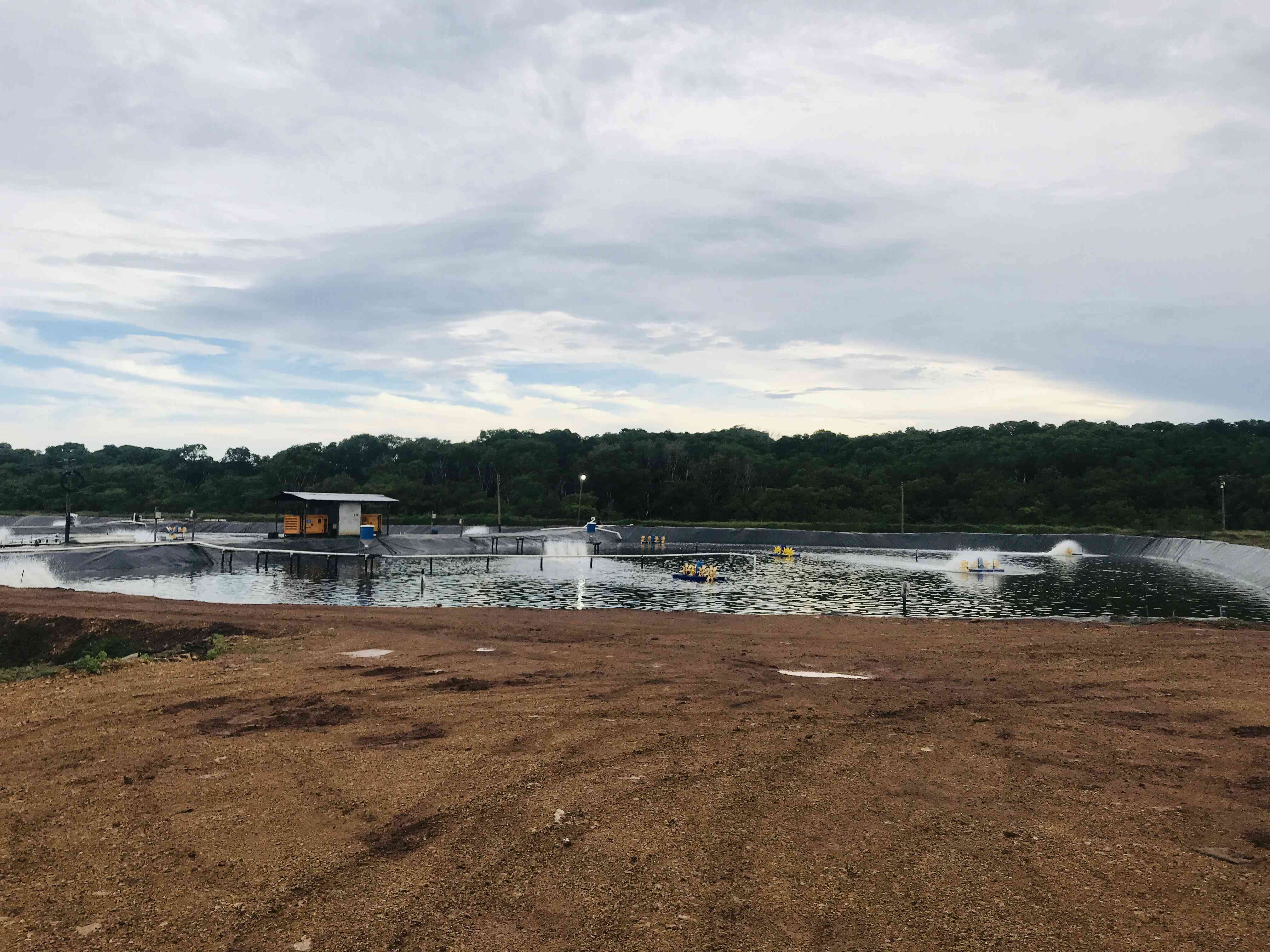
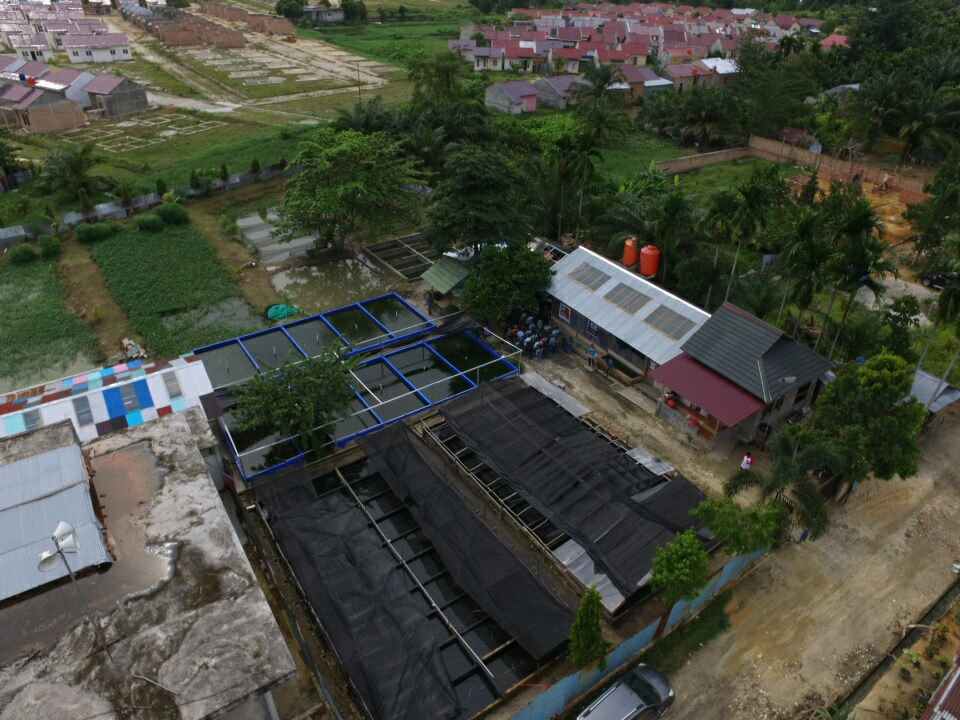
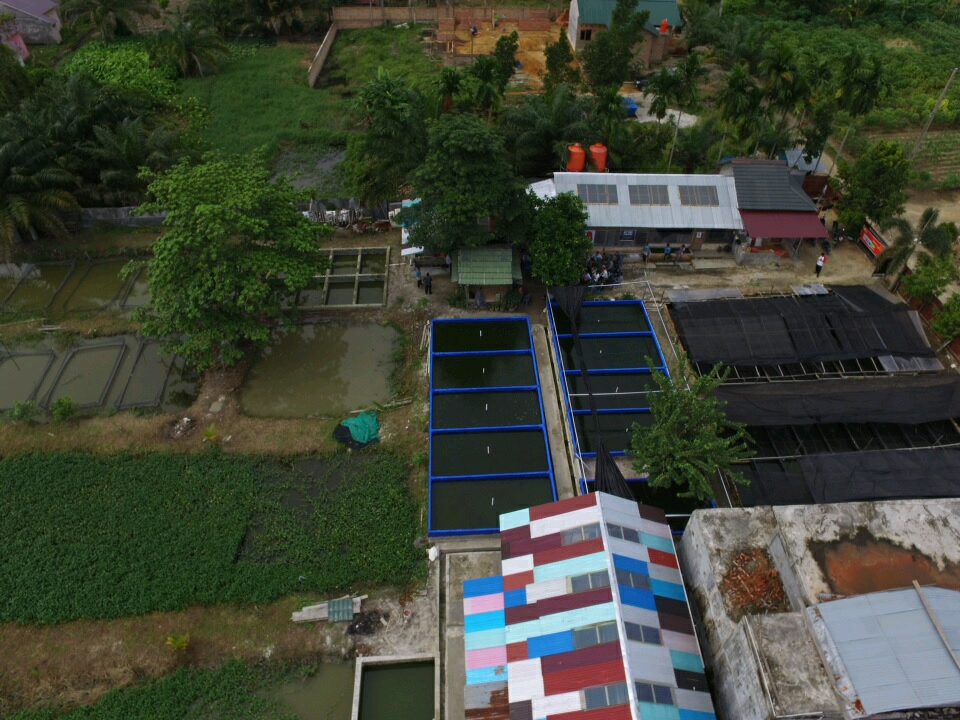
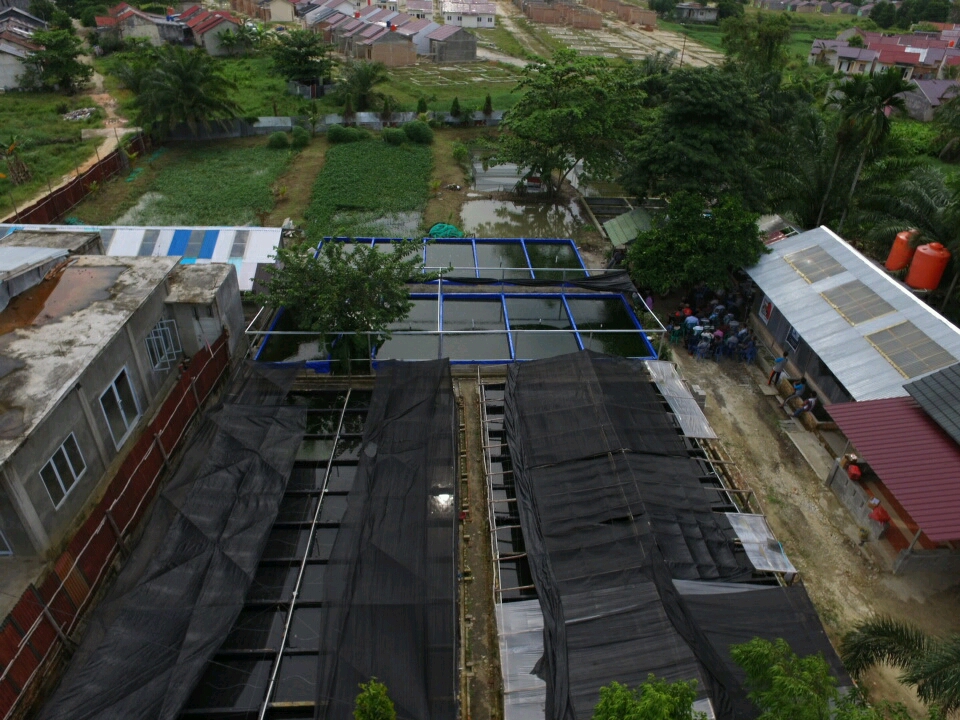
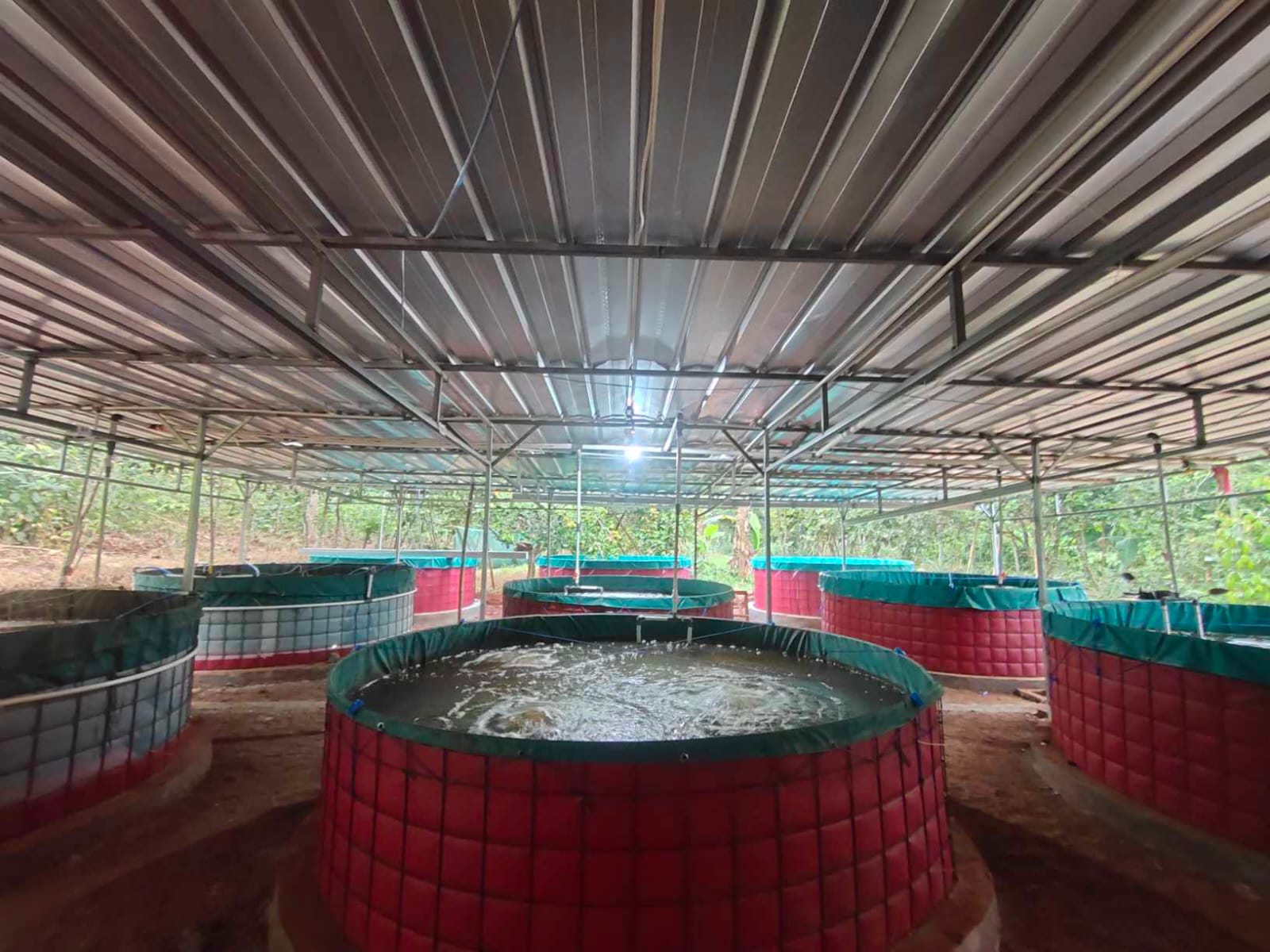
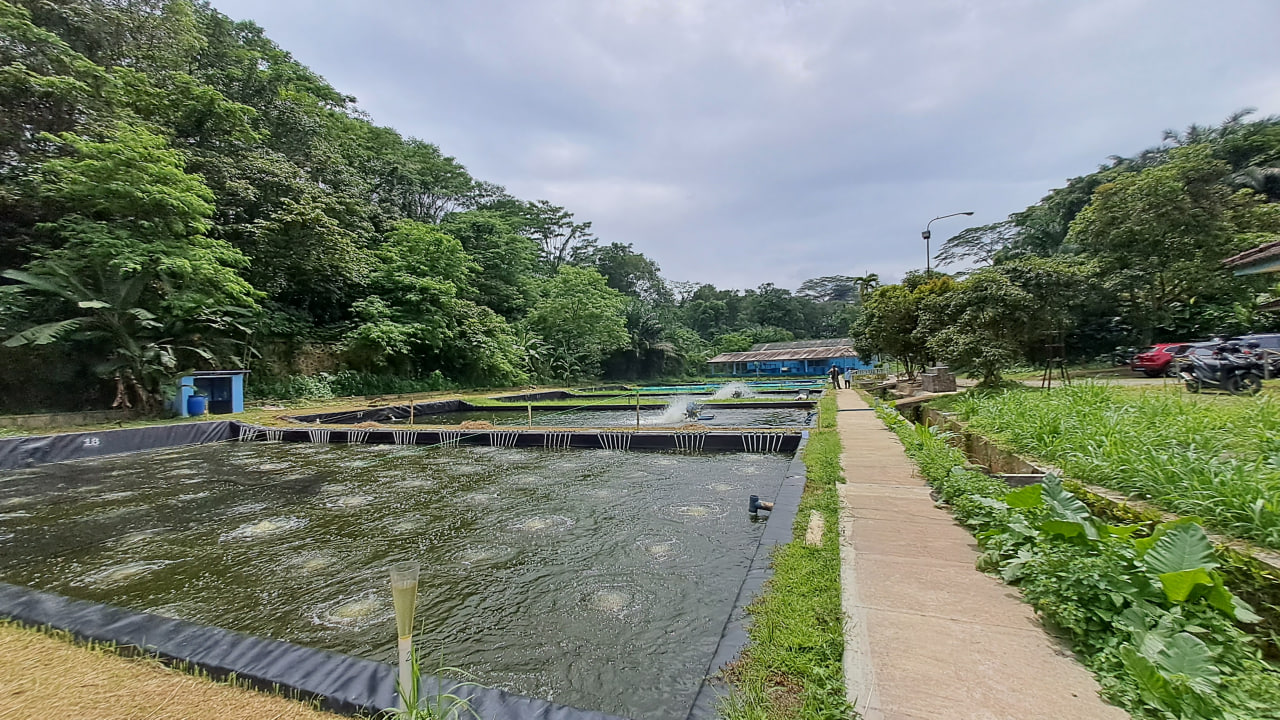
First of all, it is important to understand that different types of ponds have their own advantages and disadvantages. Earthen ponds, for example, are often chosen by cultivators because they are relatively cheap and easy to build. However, in-ground ponds are susceptible to erosion and pollution, and require more intensive maintenance. On the other hand, concrete or tarpaulin ponds have advantages in terms of durability and cleanliness, but cost more to build.
Apart from that, choosing the right location must also consider factors such as the availability of clean water, accessibility and surrounding environmental conditions. Locations that are too remote or difficult to access can make it difficult to manage and maintain the pond. In addition, attention should also be paid to factors such as clean and safe water sources, as well as the distance of the pond from potential sources of pollution.
To avoid mistakes in choosing the location and type of pond, beginners need to do sufficient research regarding the characteristics and requirements of tilapia cultivation. They can consult with experts or cultivators who have experience in tilapia farming to get better advice and guidance. Apart from that, conducting a direct survey of the desired location can also help beginners understand the actual conditions in the field.

Example of a tarpaulin pond cultivating tilapia fish
Knowledge about tilapia fish seeds
When starting tilapia cultivation, selecting quality seeds is a crucial first step for the success of the cultivation. However, many beginners do not understand the characteristics and types of good tilapia seeds, so they are vulnerable to becoming victims of dishonest seed sellers. This dishonest practice can take the form of selling seeds that are of poor quality, do not match what was promised, or even seeds that have health problems. These irresponsible sellers often take advantage of beginners' ignorance and lack of understanding to seek quick profits, without regard for the welfare or cultivation success of novice cultivators.
Therefore, beginners need to pay attention to several important things in choosing a trustworthy tilapia seed seller. One way is to do research and research first regarding the reputation and credibility of the seller. They can seek information from other farmers who have experience, check online reviews or testimonials, or even consult with experts in the field of tilapia farming. Obtaining information from various sources will help beginners make wiser and informed decisions in choosing a trustworthy seed seller.
Apart from that, beginners also need to pay attention to the signs of quality tilapia seeds when buying them. Healthy seeds generally have active bodies, bright and even color, and have no signs of disease or physical defects. In addition, it is important to ensure that the seeds come from a trusted source and have gone through a good seeding and maintenance process.
After obtaining quality tilapia seeds, beginners also need to understand how to care for the seeds properly before placing them in the grow-out pond. This includes transporting the seeds from the place of purchase to the cultivation location, adjusting the water temperature, and providing appropriate feed to ensure the conditions of the seeds remain optimal when stocked in the pond. A good understanding of tilapia seed care will help beginners reduce the risk of seed death and increase the success of their cultivation.