Jerbung shrimp (banana prawn), scientifically known as Penaeus merguiensis, is a tropical shrimp species with significant roles in coastal ecosystems and the fisheries sector. This species thrives in turbid waters with muddy and sandy substrates rich in organic material. Throughout its life cycle, the banana prawn relies on mangrove ecosystems as critical nursery areas before migrating to offshore waters for spawning.
As an indicator of environmental health, the presence of banana prawns reflects the quality of coastal ecosystems. A stable population suggests a healthy ecosystem, while declining numbers often signal environmental degradation caused by human activities such as land conversion or pollution. Additionally, banana prawns play an essential role in the food chain, serving as a food source for various marine predators.
Beyond its ecological importance, the banana prawn holds substantial economic value, particularly as one of Indonesia’s key export commodities. Global demand for this shrimp continues to rise annually, presenting significant opportunities for the fisheries sector to contribute further to national economic growth.
Classification and morphology
Taxonomically, jerbung shrimp have the following classification:
- Phylum: Arthropods
- Subphylum: Crustacea
- Class: Malacostraca
- Order: Decapoda
- Family: Penaeidae
- Genus: Penaeus
- Species: Penaeus merguiensis
Morphologically, the banana prawn (Penaeus merguiensis) exhibits a body structure typical of most shrimp species but is distinguished by its unique coloration. The body is pale yellowish-white, marked with green and brown spots. The tail tips and legs are red, while the antennae are red with darker red bands. The rostrum features 5 to 8 teeth on the dorsal side and 2 to 5 teeth on the ventral side. The species has stalked compound eyes that are mobile.
The pereopods (walking legs) consist of five pairs, with three pairs equipped with chelae (claws), while the remaining two pairs are clawless. The abdomen contains five pairs of pleopods (swimming legs) located on each segment, while the sixth segment bears specialized swimming appendages modified into a tail fan (telson) that enhances swimming capability.
The carapace length of male adult banana prawns ranges from 20 to 62 millimeters, while females measure between 14 and 68 millimeters, with an average carapace length of approximately 28 millimeters.
Habitat and distribution
The banana prawn, also known as the white shrimp, is an indigenous species of Indonesian waters, distributed widely from Aceh to Papua. This benthic organism inhabits seabeds at depths of 8 to 80 meters below sea level and is commonly found 60 to 80 nautical miles from the coastline. Its natural habitat includes muddy-sandy substrates, such as those in the Arafura Sea, Maluku waters, and the Lombok Strait. Key fishing areas for banana prawns in Indonesia include Bengkulu, Cilacap, Cirebon, the Lombok Strait, South Sulawesi, and the Arafura Sea.
Beyond Indonesia, banana prawns are also found in other tropical waters, including the Persian Gulf, Thailand, Hong Kong, the Philippines, Papua New Guinea, New Caledonia, and northern Australia. Their adaptability to environmental changes makes them widely distributed across various tropical marine habitats.
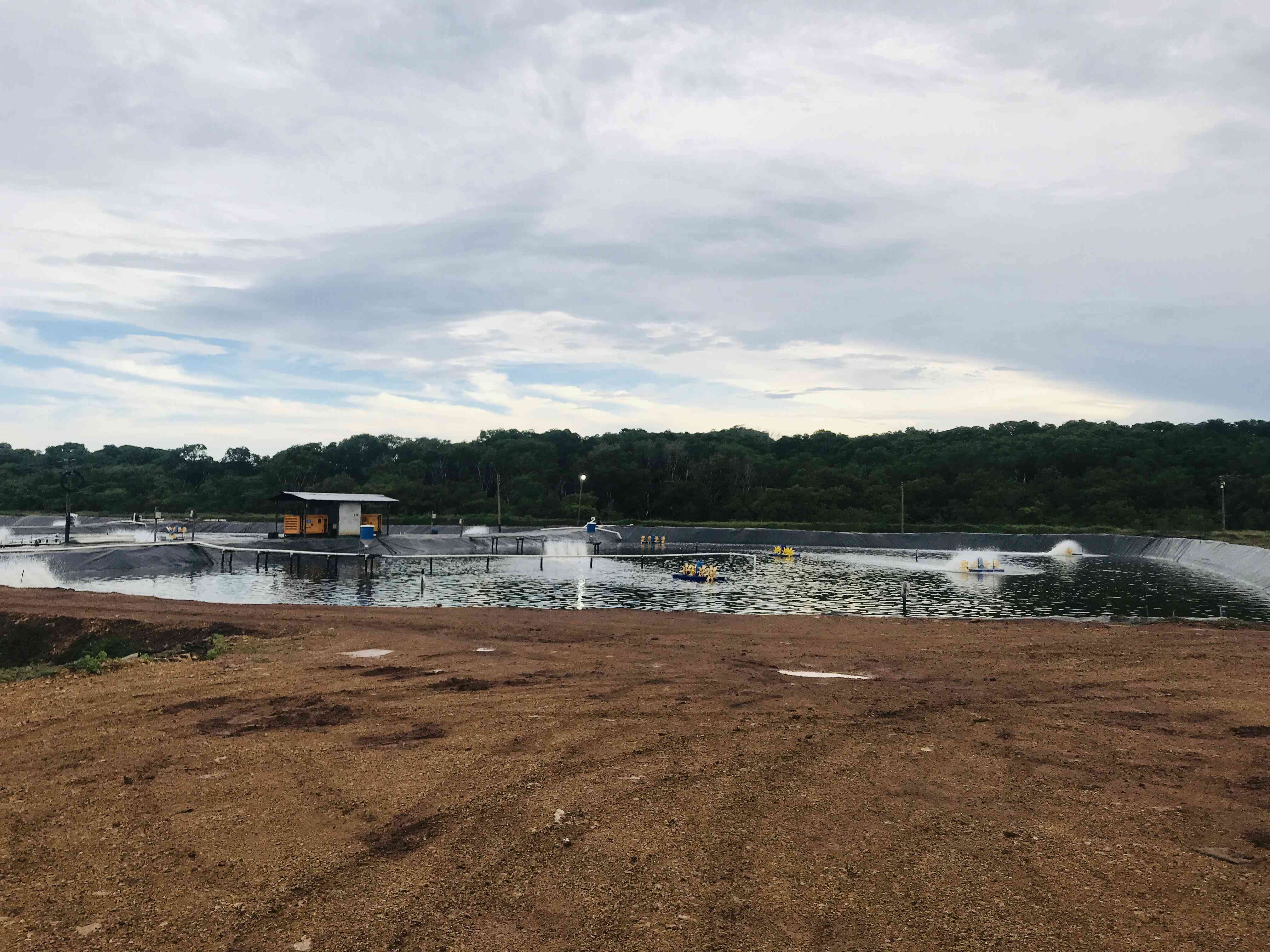
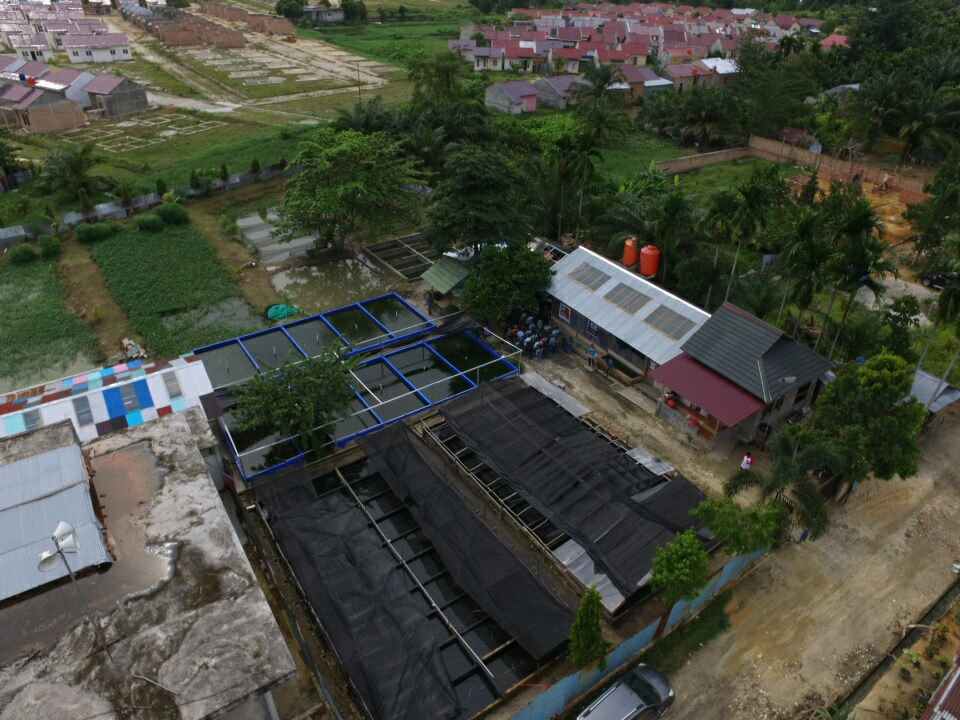
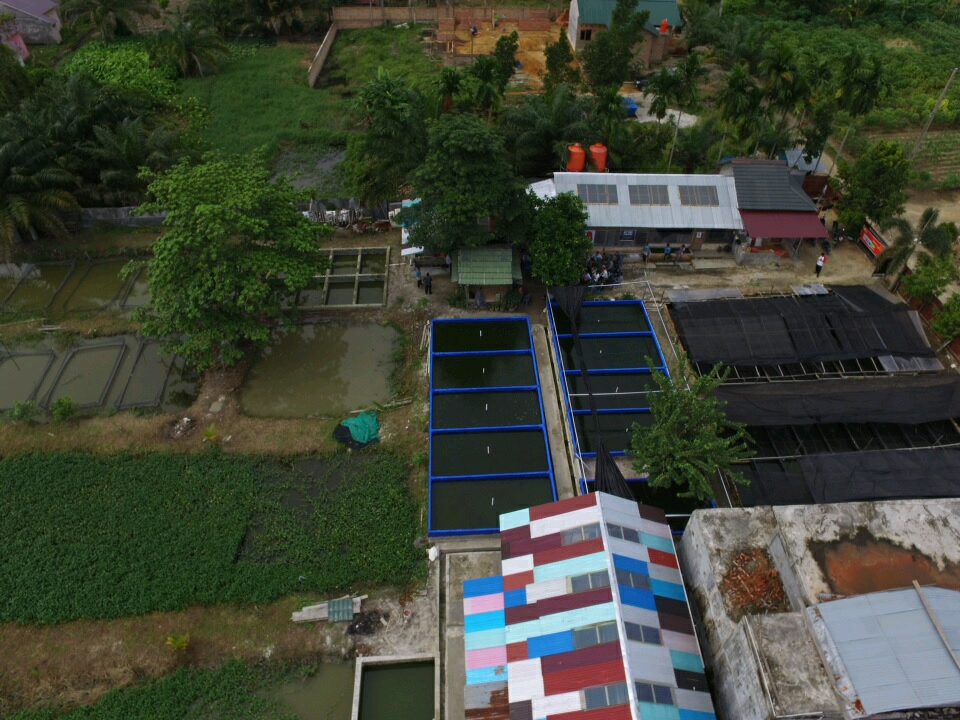
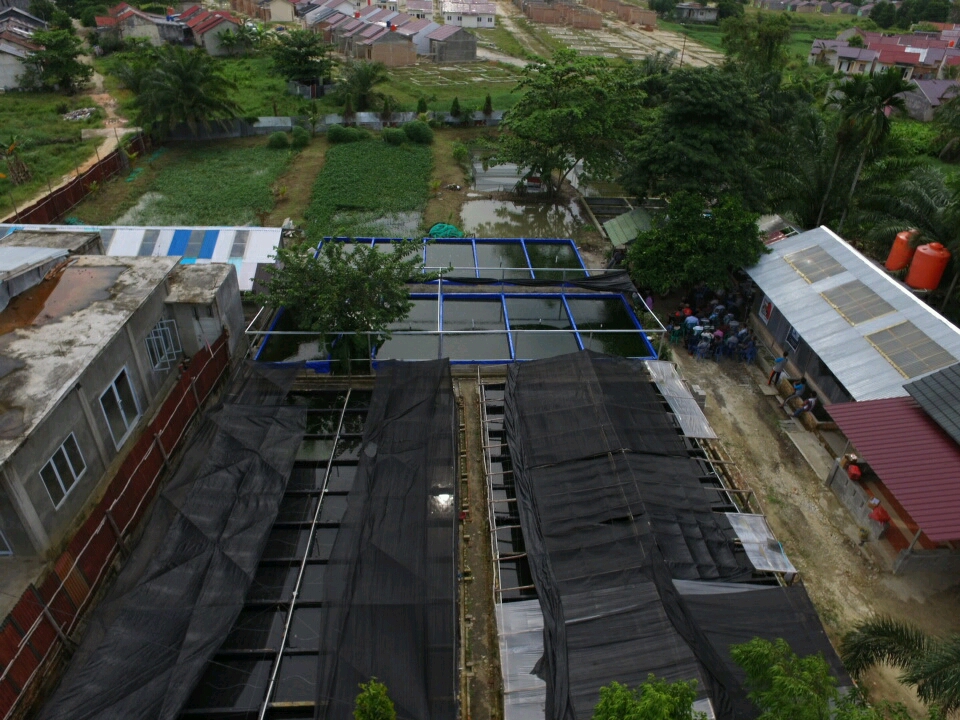
In Indonesia, the banana prawn holds substantial economic value as an export commodity. Although specific data on its contribution to total shrimp exports is not always available, global demand for this species remains high. To balance exploitation and conservation, efforts to cultivate banana prawns have been initiated by the Indonesian government, ensuring sustainable utilization of this valuable resource. Based on data quoted from Mongabay.co.id, The Jepara Center for Brackish Water Aquaculture Fisheries (BBPBAP) has succeeded in producing up to 20 million banana prawn seeds, with 12 million of them coming from cultivated broodstock that are not natural catches.

The production of banana prawn seeds in BBPBAP Jepara
Reproduction of banana prawn
The banana shrimp exhibits a unique life cycle that spans two distinct aquatic environments: marine and brackish waters. Spawning occurs in the ocean, where adult shrimp lay eggs that hatch into larvae. Following the larval stage, the shrimp migrate to brackish waters, such as mangrove forests, to grow and develop until reaching sexual maturity.
As a heterosexually reproducing species, banana shrimp display clear differences in reproductive organs between males and females. Male shrimp possess reproductive structures including testes, vas deferens, petasma, and the appendix masculina. The petasma, which plays a key role in sperm transfer, is located on the pleopods (swimming legs), while the genital openings are situated between the fourth and fifth walking legs. In contrast, female shrimp have reproductive organs comprising paired ovaries, oviducts, genital openings, and thelycum, also located between the fourth and fifth walking legs.
Female banana shrimp are highly productive in their natural environment, capable of producing between 100,000 and 1,000,000 eggs in a single reproductive cycle. However, in hatchery settings, egg production tends to be lower, ranging from approximately 80,000 to 400,000 eggs per cycle. This reduction is primarily influenced by environmental factors such as temperature, water salinity, and the inadequacies of artificial habitats in replicating natural conditions.
The advantages of banana prawn
Banana prawn, known locally as jerbung, boasts numerous advantages that make it a standout choice in the aquaculture sector. One of its primary benefits is its high survival rate (SR), which exceeds 80%. This reflects the species’ strong adaptability to various cultivation environments. Additionally, the cost of maintaining banana prawn broodstock is relatively low compared to vannamei shrimp, presenting an attractive alternative for farmers.
Another notable advantage is the rapid and straightforward larval growth of banana prawn, supported by its broad salinity tolerance. This adaptability enables the species to thrive across a range of tropical aquatic environments.
A key feature of banana prawn is its low size variability, which simplifies harvesting and post-cultivation processing due to the uniformity in size. Furthermore, banana prawns exhibit a high resistance to various diseases, making them a safer and more sustainable option for aquaculture compared to some other shrimp species that are more susceptible to infections.
These advantages position banana prawn as a highly appealing option for commercial cultivation. Its development not only enhances the profitability of shrimp farming but also contributes significantly to the national fisheries sector.
Challenges and potential of banana prawn
Historically, banana prawn production has been dominated by wild catches rather than aquaculture. For instance, in 2016, over 100,000 tons of banana prawn were harvested from the wild, while aquaculture production contributed only around 20,000 tons. A similar pattern was observed during the 1980s to early 2000s when semi-intensive banana prawn farming systems produced just 3–5 tons per hectare over a 4–5 month cycle.
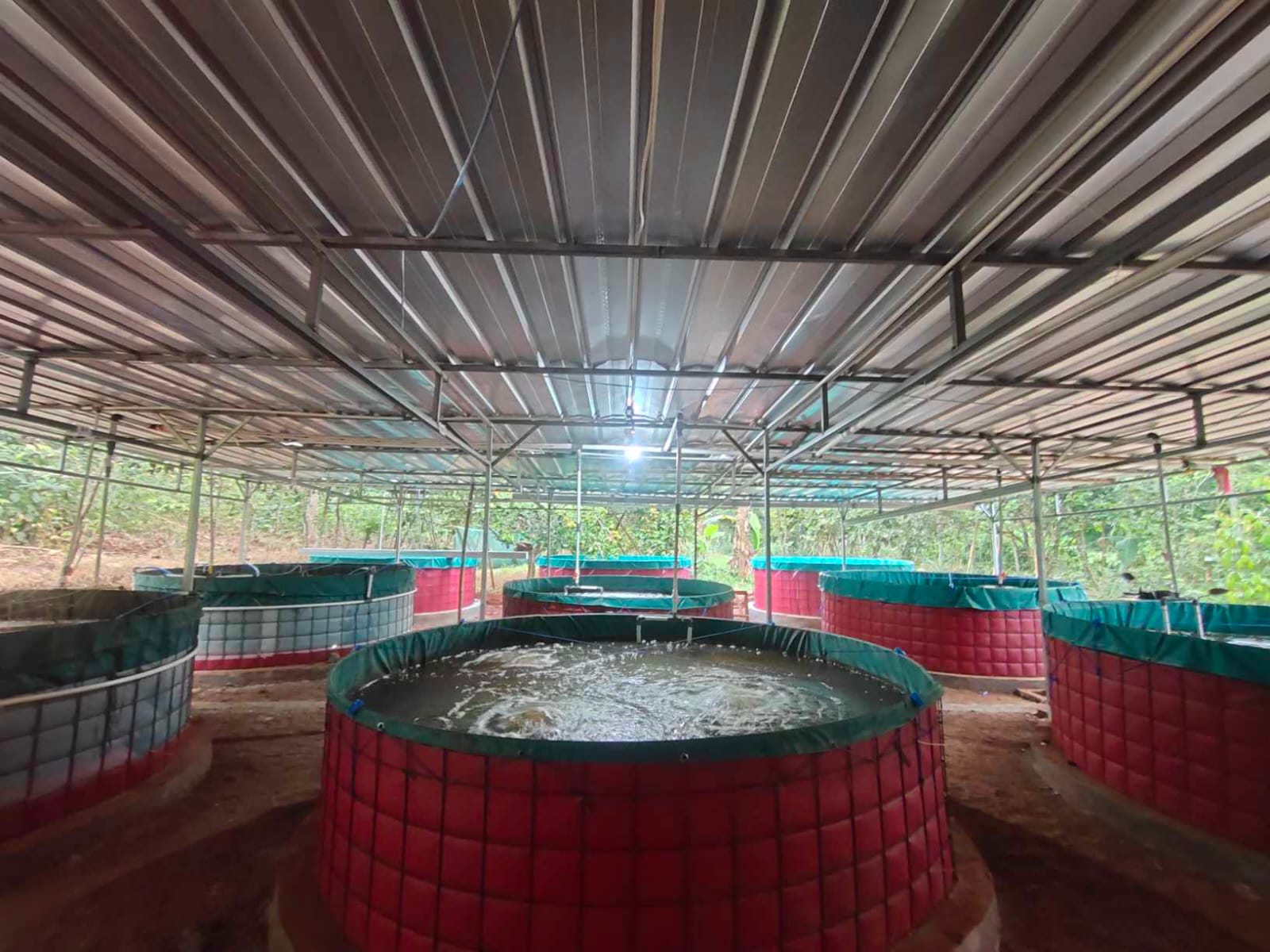
One of the primary challenges in developing banana prawn aquaculture lies in the lack of hatcheries capable of producing fry (benur) on a large scale, which would reduce reliance on wild-caught fry. Additionally, there is a pressing need to develop SPF (Specific Pathogen Free) fry through genetic characterization, enabling the selection of superior broodstock.
The BBPBAP (Brackishwater Aquaculture Development Center) in Jepara has been a pioneer in addressing this challenge. In 2019, BBPBAP Jepara successfully produced 12 million fry entirely from aquaculture, independent of wild-caught sources. By 2020, the center aims to enable mass-scale cultivation of banana prawn fry by local communities and shrimp farmers. According to Sugeng Raharjo, the head of BBPBAP Jepara, as cited by Indonesia's Ministry of Maritime Affairs and Fisheries (KKP), the production of aquaculture-based fry was intended to reduce dependency on vannamei shrimp, which currently dominate Indonesia's shrimp exports.

Distribution of banana prawn seeds to the community, DJPB Jepara
Despite high demand for banana prawn in international markets, supply remains insufficient due to the heavy reliance on wild catches. This highlights the significant potential for banana prawn aquaculture to meet export demands and become a new mainstay of Indonesia’s fisheries sector. While it may not yet rival vannamei shrimp in volume, banana prawn holds considerable promise as an emerging export commodity.
Increased governmental support is crucial for realizing this potential. Efforts should include technical training for farmers, the establishment of hatchery infrastructure, and affordable financing options for shrimp farmers. With the right support, banana prawn aquaculture could become a key contributor to Indonesia’s national economy.