With the global population expected to reach 9.6 billion people by 2050, food security is a major challenge that must be overcome. This condition has the potential to worsen poverty, unemployment and hunger. In this context, aquaculture emerges as a solution to meet the world's increasing food needs.
Pakistan, being an agricultural country, has 70% of its population living in rural areas and involved in the agricultural sector. Apart from being an agricultural country, Pakistan is also rich in natural water resources, both fresh and sea water. With an area of approx 796.095 km2 in the form of rivers, lakes and water areas, as well as a coastline of approximately 1,046 km, Pakistan has significant maritime potential.
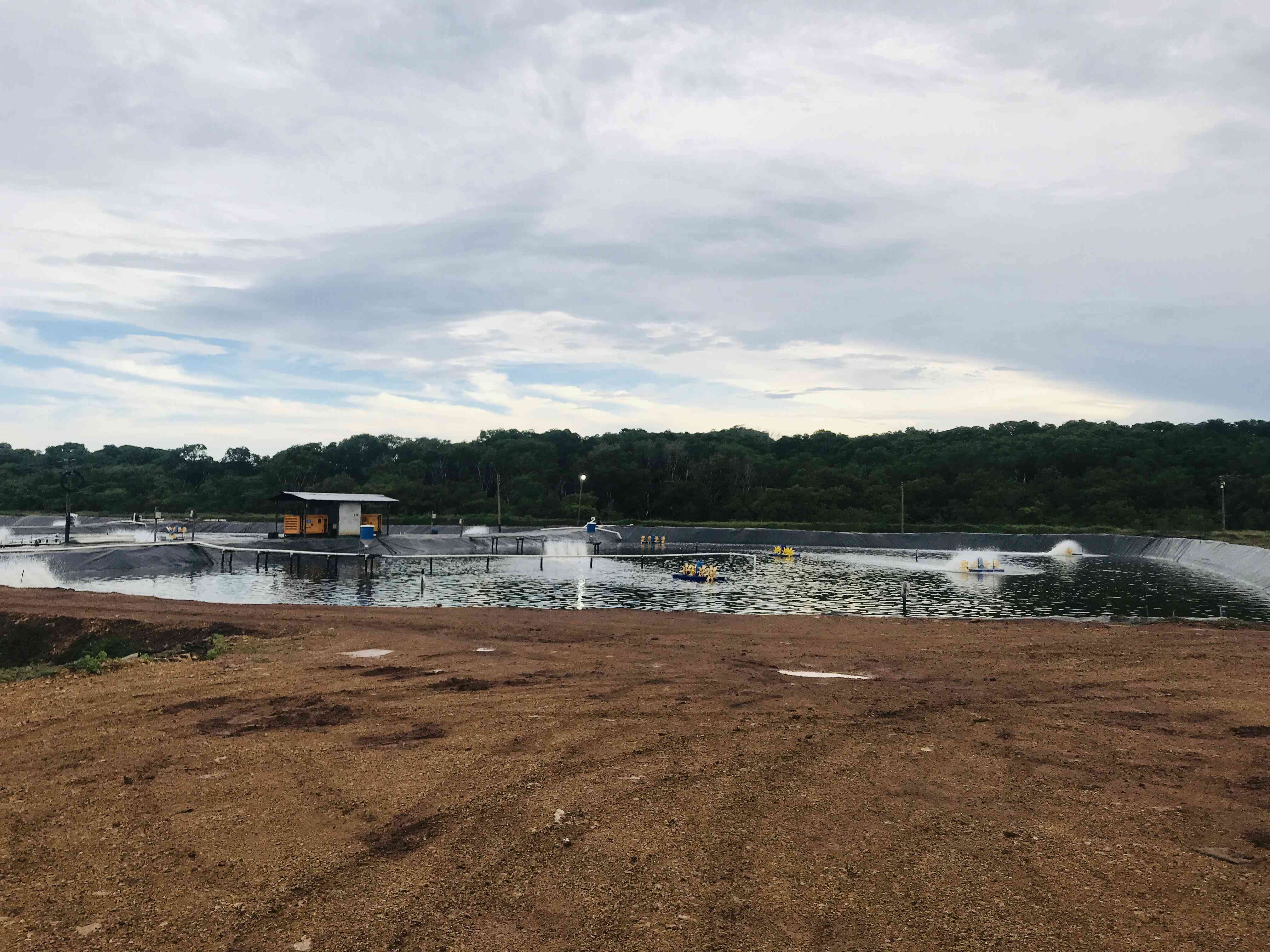
However, despite having huge potential for aquaculture, the fisheries sector in Pakistan has not shown significant progress. The main obstacle is the limited cultivation system. Until now, only extensive and semi-intensive aquaculture systems have been implemented in fresh waters. Meanwhile, coastal and deep sea water sources are still not utilized for aquaculture.
One of the fastest growing freshwater commodities in Pakistan is pangasius fish farming. The Banglele Indonesia Team had the opportunity to interview Mr. Saad Yousaf, a staff member at a company in the field of pangasius hatchery and cultivation in Pakistan.
Why choose pangasius?
When asked why he chose pangasius for cultivation in Pakistan, Mr. Saad Yousaf explains, “Usually in Pakistan farmers get a yield of 1,600 kg to 2,000 kg per acre in conventional carp farming, the first advantage of pangasius farming is that we can get a yield of 6,000 kg per acre and the second advantage is that we need high quality water to cultivating goldfish and tilapia, but for pangasius water quality is not a problem so we need less fertilizer input.”
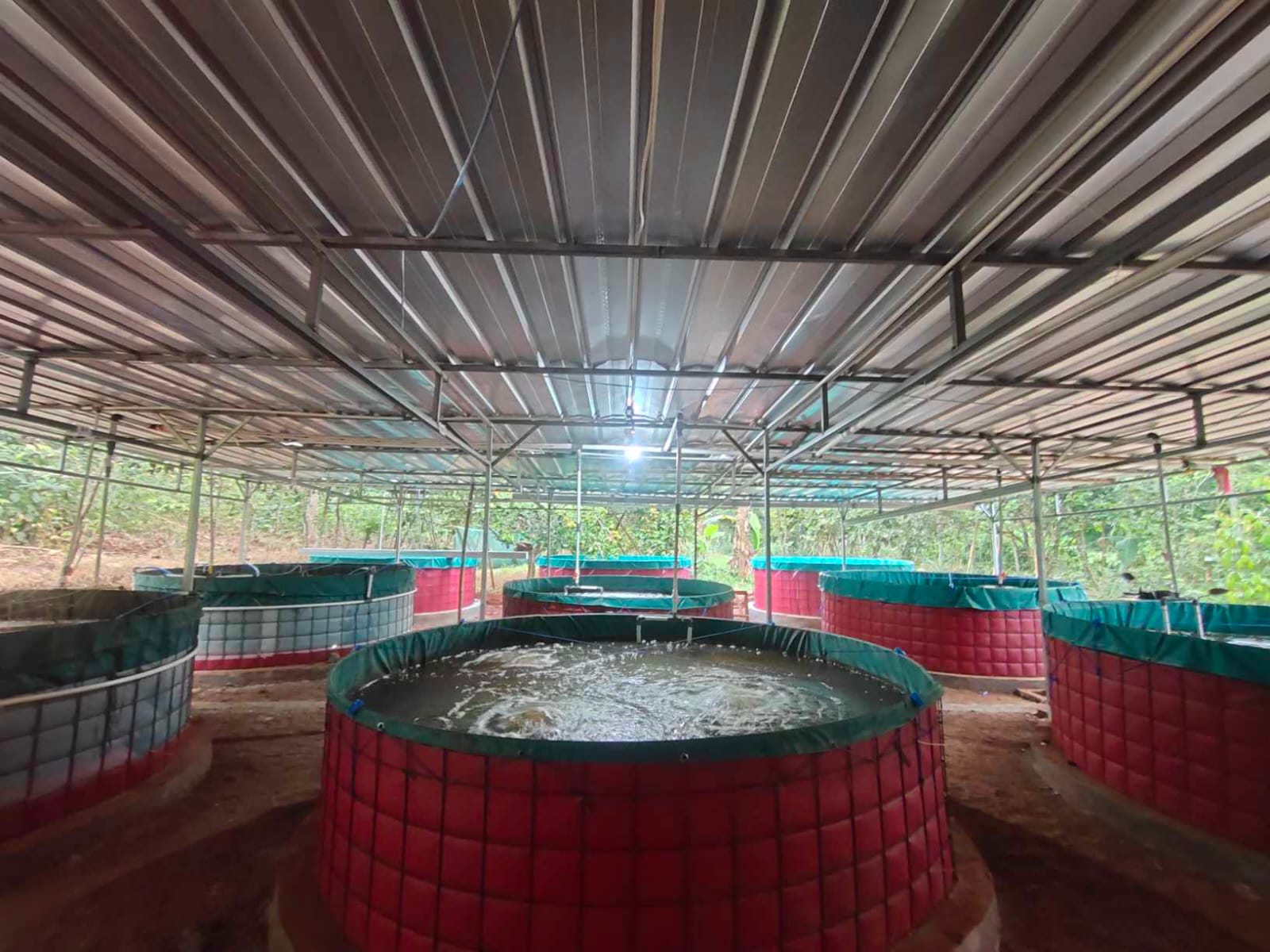
However, like every venture, pangasius cultivation in Pakistan also faces challenges. One of them is the delay in the availability of seeds from hatcheries. Mr Saad Yousaf stated, “The challenge we face is the late availability of seeds from the hatchery, but we have overcome this problem by using biofloc for winter, the second challenge is winter because pangasius do not survive winter so we have to harvest before December when the weather is very cold here in Pakistan. Another challenge is that there are no processing units in Pakistan to make fillets and store them. We are working and planning to set up a processing unit and we plan to learn processing techniques from Vietnam.”

Pangasius seeds in Pakistan
Challenges and opportunities in the aquaculture sector in Pakistan
In responding to the challenges and opportunities faced by the aquaculture sector in Pakistan, Mr. Saad Yousaf enthusiastically stated that this industry is the fastest growing in the country. He noted that previously, little attention had been paid to the aquaculture industry in Pakistan. However, along with rapid growth, this sector is able to compete in the international market. Pakistan's strategic advantages, such as a wide coastline for shrimp farming and sufficient land for various types of fish farming, give it a significant competitive edge. With production growth reaching 10% every year, the aquaculture industry in Pakistan is increasingly strengthening its contribution to the national economy.
To further accelerate the growth of this sector, Mr. Saad Yousaf and the company he works for have started a media campaign and international conferences. This collaboration involves the academic and government sectors with the aim of bringing more people into the world of agriculture, especially in the field of aquaculture. This educational effort is designed to build a better understanding of the potential and opportunities in this industry. These steps are also supported by private and government university initiatives that are starting to offer educational degrees in the field of aquaculture, which is expected to improve the quality of human resources in this sector.
Through proactive measures such as media campaigns, conferences, and formal education, Mr. Saad Yousaf and the companies he works for are trying to create an environment that supports sustainable growth in the aquaculture sector in Pakistan. This is not just about increasing fish production, but also building awareness and knowledge that can help local communities and create new opportunities for businesses and farmers across the country.

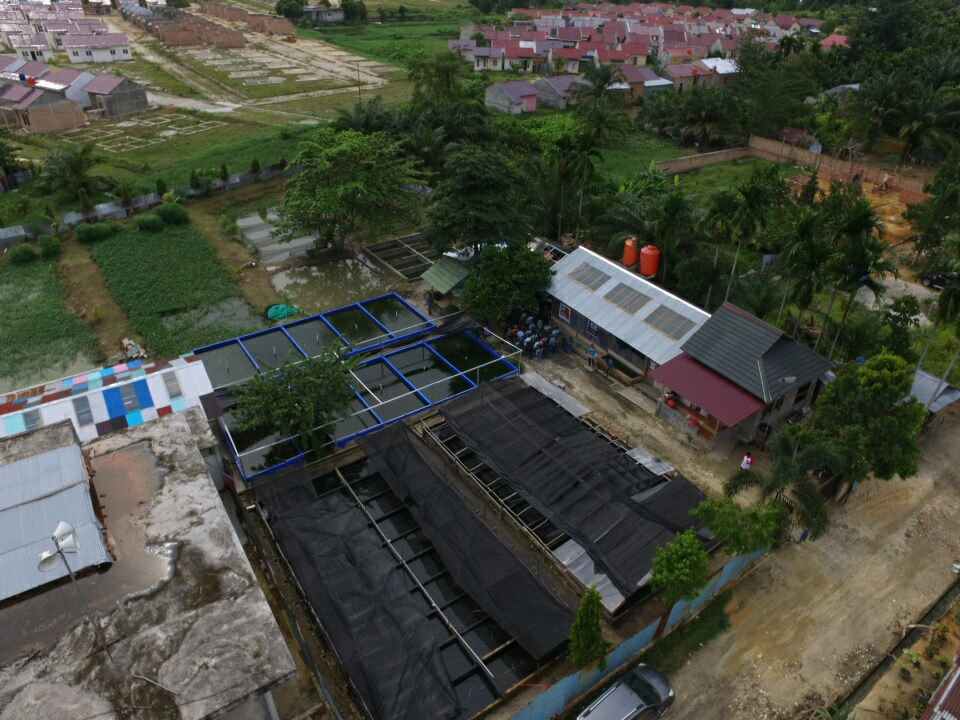
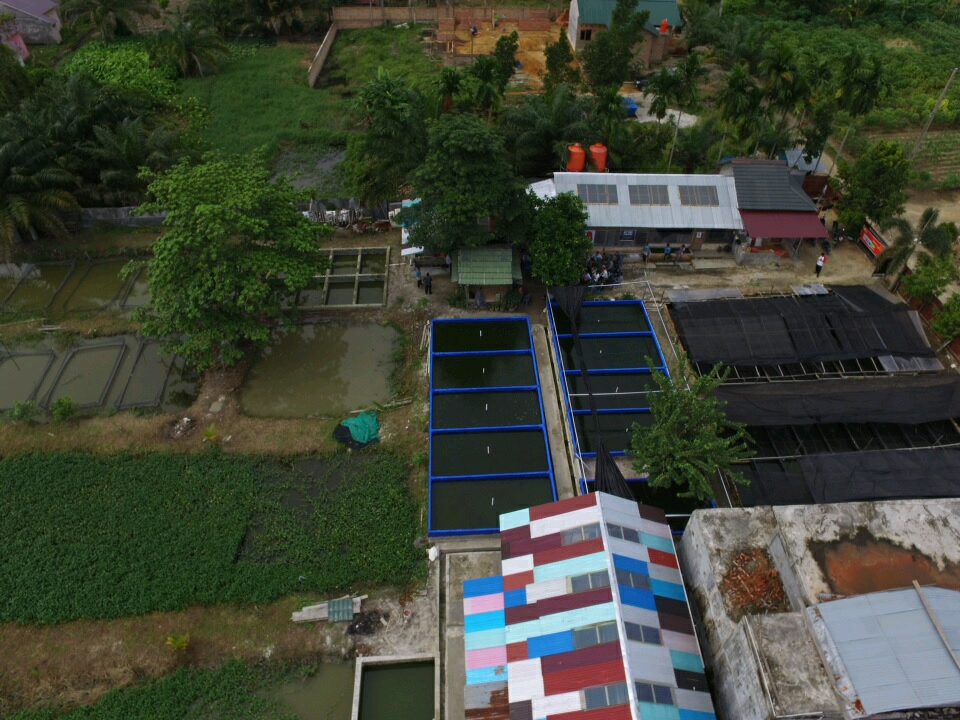
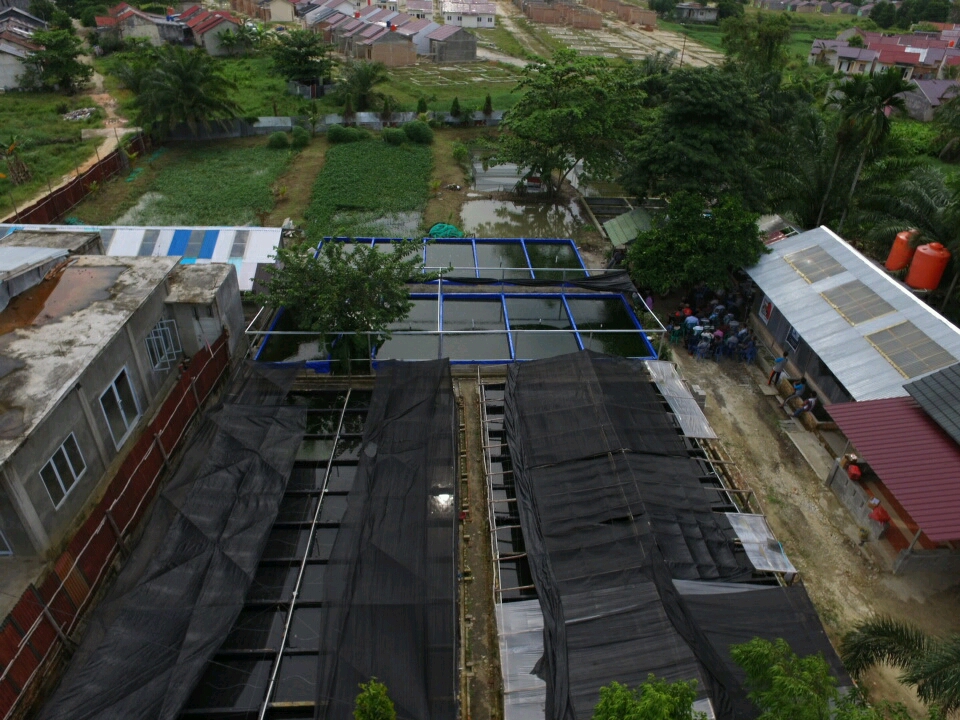
One of the pangasius cultivation processes in Pakistan
Government Support for Pangasius Fish Farming Business
In an effort to overcome the challenges faced in the pangasius fish farming industry in Pakistan, the role of the government is crucial. According to Mr. Saad Yousaf, staff of a company engaged in hatching and cultivating pangasius, the government provides support in the form of a subsidy of 80% for cultivation activities in cages. This step was accompanied by the allocation of more than 1,000 fish cages in the last two years, which has provided a positive impetus for business actors in this sector.
Not only that, in further development, the government plans to provide an additional 3,000 fish cages to the private sector. This decision is expected to trigger an increase in production of 6,000 tons of pangasius. This government step which focuses on increasing production capacity not only supports the growth of individual businesses, but also has the potential to make a significant contribution to national food security. With this financial support, the aquaculture sector in Pakistan is increasingly empowered to respond to global challenges related to food security.
Goals in the pangasius fish farming business
Meanwhile, the pangasius fish farming business continues to grow in the hands of the company where Mr. Saad Yousaf works, the company's stated goals reflect full commitment to full integration in the production chain. Having achieved the title of leading company in the pangasius industry, this company not only has its own breeding facilities and cultivation land, but is also planning to open a processing unit. This plan includes providing services from upstream to downstream, from seed breeding to fillet production, all of which will be carried out internally.
Apart from ensuring its production needs, the company also has a vision to empower other cultivators. He stated, "We plan to provide from start to finish, from seeds to our fillets which we will do ourselves, and also other cultivators can purchase seeds from our cultivation company. They can cultivate pangasius in their facilities and sell their cultivated products to us." This step not only promotes production independence among farmers but also helps expand the reach and positive impact of the pangasius fish farming industry in Pakistan.
Opening new opportunities for economic growth and food security in Pakistan
Although faced with a number of challenges, the aquaculture industry in Pakistan, especially in pangasius cultivation, shows great potential as a driving force for economic growth and food security in the country. The support provided by the government, especially in the form of subsidies and cage allocation, is a positive step that provides encouragement for cultivators and entrepreneurs in this sector. This step not only recognizes the important role of aquaculture in meeting food needs, but also provides incentives that can increase production and economic prosperity in the region.
Meanwhile, the success achieved by the company where Mr. Saad Yousaf is working to overcome certain obstacles and his plans to open a processing unit demonstrate a real commitment to building a complete and sustainable supply chain. These steps not only show readiness to face challenges, but also provide inspiration for business actors and the government to continue developing the aquaculture sector. The success of individuals like Mr. Saad Yousaf can be a model for other industry players, guiding them to overcome obstacles and design innovative solutions in developing the aquaculture industry in Pakistan.
With an integrated and sustainable approach, the aquaculture sector in Pakistan will not only be a solution to meet growing food needs, but can also bring huge benefits to society, the economy and food security in the future. Through collaboration between the government, business actors and society, Pakistan's extraordinary potential in water and land resources can be optimized to create an environment that supports sustainable growth in the aquaculture sector.