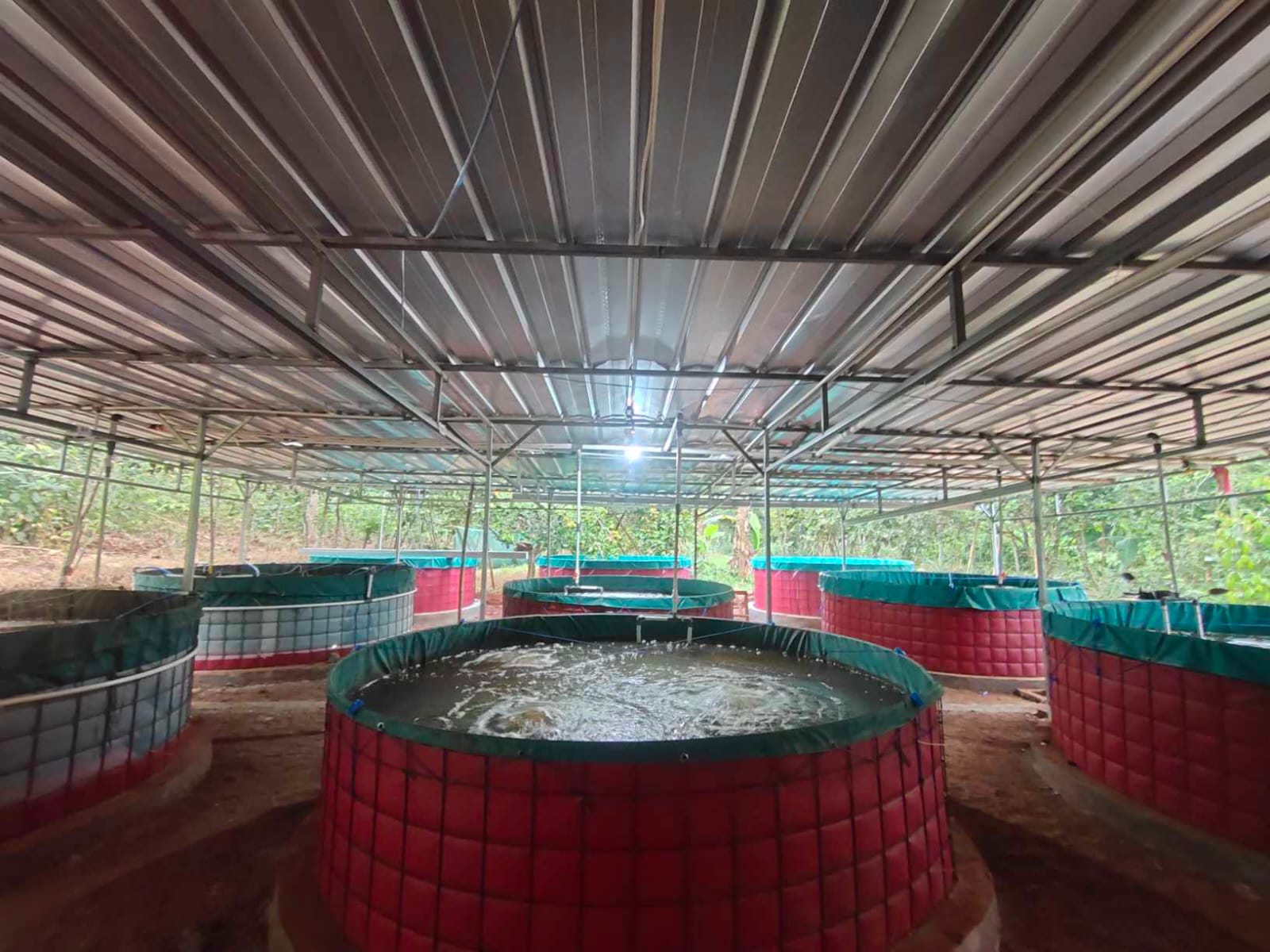
Tilapia, scientifically known as Oreochromis niloticus or Oreochromis sp., is a key freshwater aquaculture commodity. Originating from Africa, this species was introduced to Indonesia in 1969, imported from Taiwan to the Freshwater Fisheries Research Institute (BPPAT) in Bogor. Following a period of research and adaptation, tilapia was distributed to fish farmers across Indonesia. This fish is renowned for its resilience in suboptimal environmental conditions, making it one of the easiest species to cultivate.
In the context of aquaculture development, tilapia has become a cornerstone commodity, playing a vital role in supporting the industrialization of fisheries. Indonesia’s significant position as the second-largest exporter of tilapia globally, after China, underscores this importance. According to data from the Central Statistics Agency (BPS), Indonesia exported 12,290 tons of tilapia in recent years, generating revenue of USD 78.44 million.
Moreover, the global demand for tilapia, particularly in the form of fillets, remains substantial. The United States represents the largest market, followed by promising opportunities in the European Union, Iran, and Russia, as highlighted by the Food and Agriculture Organization (FAO).
Export potential and production challenges of tilapia
According to data from the National Marine Fisheries Service, over the past decade, tilapia accounted for an average of 4.19% of the total volume of imported seafood products in the United States. Of this volume, approximately 73.69% originated from China, with the remainder sourced from countries such as Honduras, Indonesia, Colombia, Taiwan, Costa Rica, Mexico, Vietnam, Brazil, and Ecuador. These figures highlight the strategic role of tilapia in international trade, particularly in the U.S. market.
To meet the growing global demand, intensive efforts are required to advance aquaculture technology, especially in the hatchery sector. The availability of sufficient, timely, and high-quality fry is a critical factor in ensuring successful cultivation. Additionally, several other elements significantly influence the production of tilapia, including the quality of broodstock, adequate pond facilities, water quality, production infrastructure, and effective management of diseases and pests.
Key factors for successful tilapia farming
The growth and cultivation success of tilapia are influenced by two interrelated factors:
a. Internal factors: these factors include the genetic makeup and physiological condition of the fish, which determine their growth potential and resilience to diseases. High-quality broodstock with superior genetics and optimal physiological health are more likely to produce robust and high-quality fry.
b. External factors: these factors encompass various environmental aspects, such as water quality, feed availability, metabolic waste concentration, and the presence of diseases. Key environmental parameters like pH, temperature, dissolved oxygen levels, and nutrient content in the aquatic environment serve as critical indicators for assessing and maintaining optimal conditions.
Producing high-quality fry requires the implementation of effective and well-structured hatchery methods and systems. Below are strategic steps for managing a tilapia hatchery to achieve maximum results:
1. Management of tilapia broodstock
The successful breeding of tilapia begins with the proper management of broodstock. Healthy and superior-quality broodstock significantly enhance fry productivity. The rematuration process of broodstock aims to optimize reproductive maturity, ensuring the production of high-quality fry in substantial quantities. The key steps in broodstock management include:
- Feed management: Providing high-quality, protein-rich feed is essential to accelerate gonad maturation. Feed with a high protein content plays a critical role in supporting optimal gonad development. Suitable feed options include pellets, fine bran, or natural protein-rich mixtures tailored for this stage.
- Water quality management: Maintaining optimal water conditions is vital for broodstock growth and health. Key water quality parameters, such as temperature, dissolved oxygen levels, and stable pH, must be regularly monitored and maintained to minimize stress on the broodstock.
- Disease and pest control: Preventive measures and prompt treatment are crucial in managing disease outbreaks. Preventive steps include administering supplements or specific vaccines to bolster the broodstock's immune system. If diseases are detected, immediate treatment using specialized medications is necessary to prevent further impact on reproduction and overall health.
2. Selection of broodstock with mature gonads
The gonadal maturity stage (GMS) is a critical indicator for determining the readiness of broodstock for spawning. Gonadal maturity is generally classified into four stages:
a. GMS I (Immature): At this stage, the gonads are undeveloped and not ready for reproduction.
b. GMS II (Developing): The gonads begin to show signs of development but are not yet fully prepared for spawning.
c. GMS III (Mature): The gonads are well-developed and ready for the spawning process.
d. GMS IV (Fully Mature): The gonads are in optimal condition for reproduction, representing the highest level of readiness.

Researchers are conducting studies on the gonadal development of Red tilapia: BPPSDM
Female broodstock typically reach gonadal maturity at 5–6 months of age, with a body weight of approximately 200–250 grams. Male broodstock generally require a slightly higher body weight, around 250–300 grams, to achieve maturity.
Selecting broodstock that have reached the appropriate stage of gonadal maturity is essential to ensure the success of the breeding process. This careful selection not only enhances the quality of fry produced but also optimizes the efficiency and productivity of hatchery operations.
3. Spawning process
Spawning is a crucial stage in tilapia cultivation, essential for producing high-quality fry. This process occurs externally, where male and female broodstock release sperm and eggs into the water. Tilapia naturally spawn without requiring complex interventions, making spawning ponds relatively easy to adapt for optimal results.
Spawning ponds are typically designed with a sloped bottom (2–5%) to facilitate drainage and include mud pits about 20–30 cm deep, which serve as spawning sites. This setup mimics the natural habitat of tilapia, increasing the likelihood of successful spawning.
Stages of the spawning process:
a. Selection of Broodstock Ready to Spawn: healthy broodstock with optimal gonadal maturity are carefully chosen to ensure successful reproduction.
b. Spawning process: male and female broodstock are introduced into the pond, where natural spawning takes place without human interference.
c. Egg incubation: fertilized eggs are incubated until they hatch into larvae, which are then prepared for subsequent rearing stages.
4. Harvesting and managing tilapia larvae
The harvesting of fry is a delicate process that must be conducted with care to minimize stress, as stress can significantly impact the quality and survival rate of the fry. Following harvest, the proper management of larvae becomes a critical stage in ensuring their growth and development. Two key aspects demand particular attention: water quality management and feeding practices.
Water quality is a fundamental factor in the successful rearing of tilapia larvae. Maintaining physical and chemical water parameters within optimal ranges is essential for larval development. Regular monitoring of temperature, pH, and dissolved oxygen levels is necessary to create an environment conducive to healthy growth. These parameters must be adjusted as needed to prevent stress and promote survival.
The quality of feed plays an equally important role in larval development. Tilapia larvae require high-quality natural feed during their early stages of life. Nutrient-rich options such as Rotifera sp., Daphnia sp., and algae serve as primary sources of nutrition. These feeds provide essential proteins, fats, and micronutrients crucial for the larvae’s growth and survival.
5. Feed management
Tilapia (Oreochromis niloticus) is an omnivorous species capable of consuming a wide variety of plant- and animal-based foods. During the early stages of life, tilapia larvae primarily rely on zooplankton, such as Rotifera sp. and Daphnia sp., as their main sources of nutrition.
As they grow, adult tilapia are typically provided with supplementary feed, including fine bran, coconut meal, pellets, and soybean curd residue. These feeds generally contain a protein content of 20–25%, which is essential for supporting optimal growth, improving feed efficiency, and reducing the time required to reach harvest size.
In addition to natural feed, the use of specially formulated artificial feed can help meet the fish’s nutritional needs more comprehensively. This approach ensures a balanced diet, leading to improved growth rates and significantly enhancing aquaculture productivity. By combining natural and artificial feeding strategies, farmers can optimize the health and development of tilapia while achieving sustainable and efficient cultivation practices.

Supplementary feed plays a vital role in the growth and development of tilapia fry: BPBAT Tatelu
6. Nursery phase for tilapia larvae
The nursery phase is a crucial stage in tilapia aquaculture, focusing on rearing larvae until they reach uniform sizes and are ready for distribution. This process ensures that the fry meet high standards in size and health, thereby enhancing the success rate of subsequent cultivation phases.
The initial step in the nursery phase involves the first round of sorting, where fry are categorized by size. This step is essential to reduce competition for feed and ensure optimal growth across all groups of fry.

The process of harvesting and counting tilapia fry is carried out in hapa rearing media: BPBAT Tatelu
Following the initial sorting, a second round of selection is conducted. During this stage, the fry are further classified to achieve more precise uniformity in size. This practice aims to improve feed efficiency and minimize the risk of cannibalism, which is a common issue arising from size disparities.