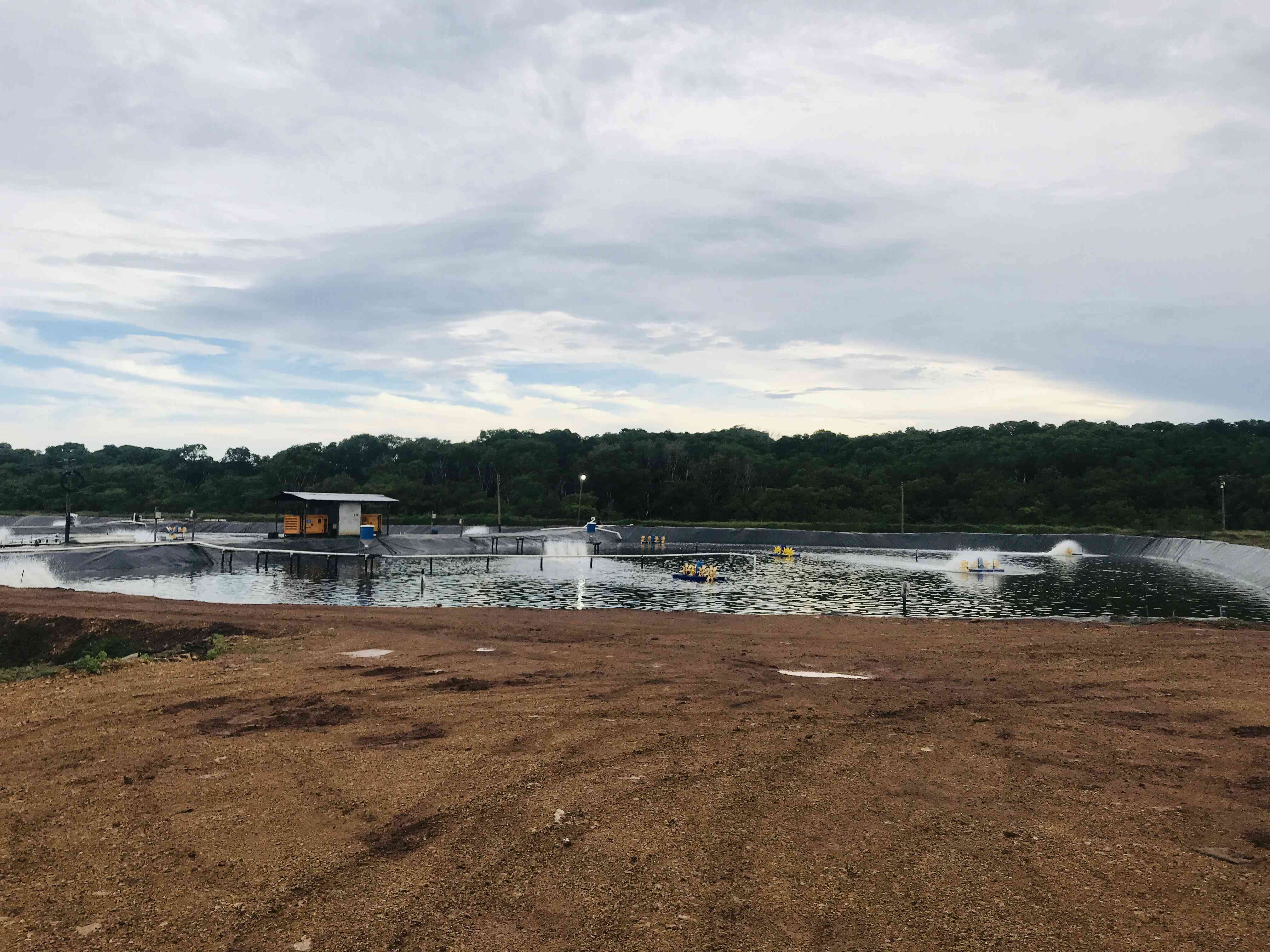
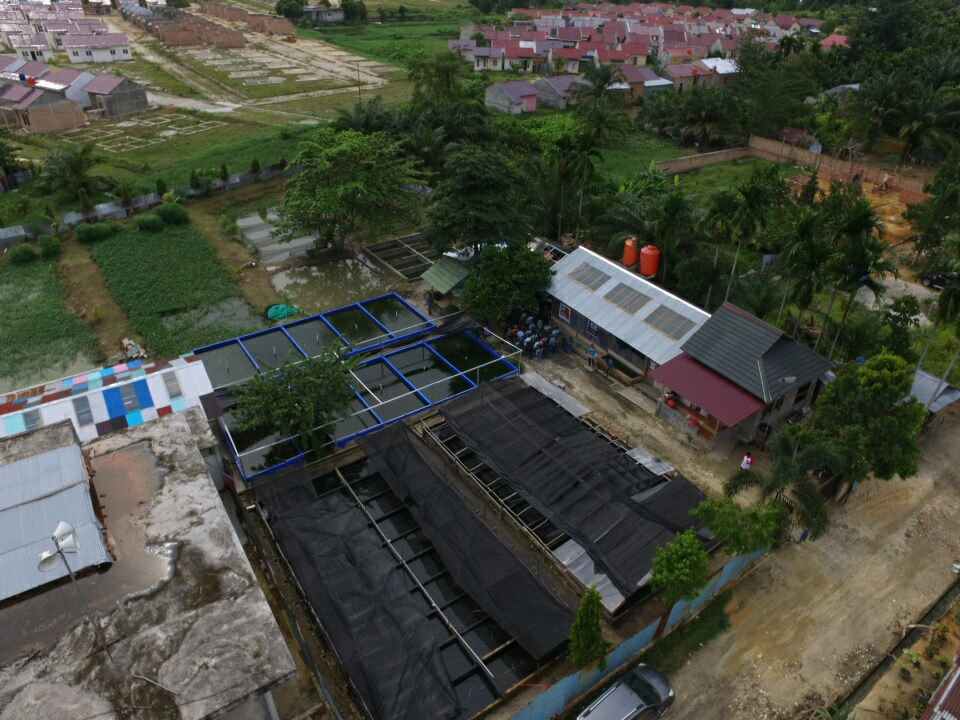
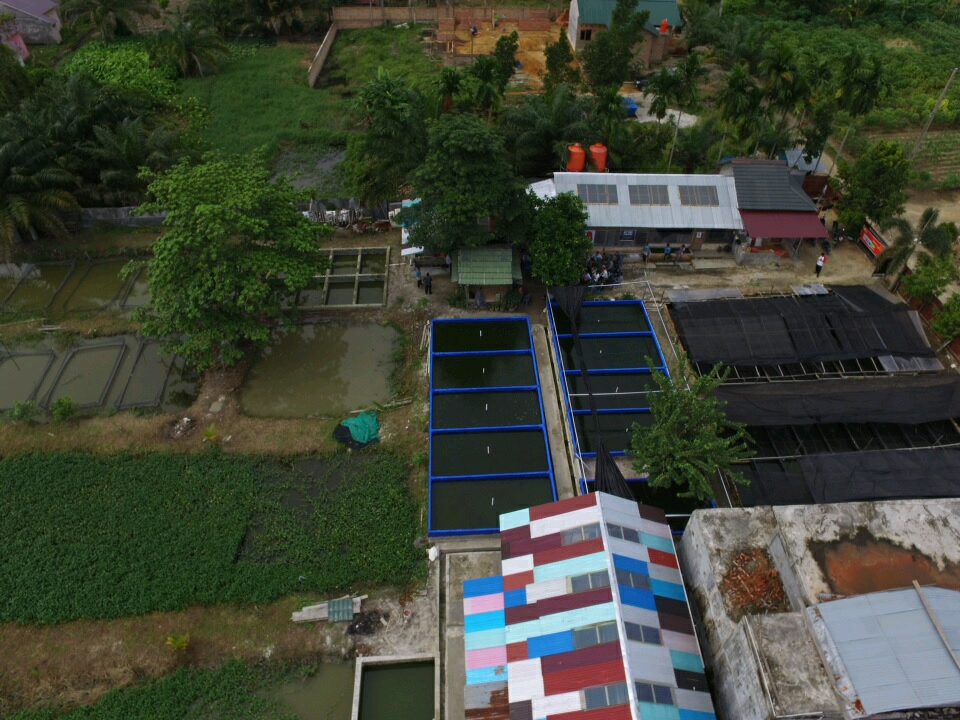
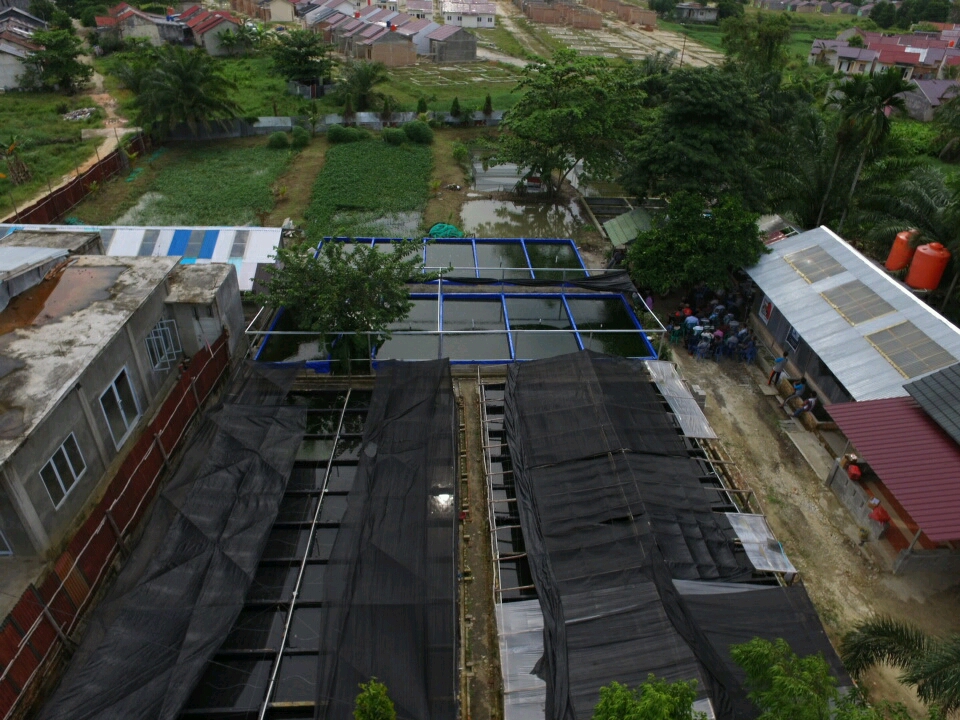
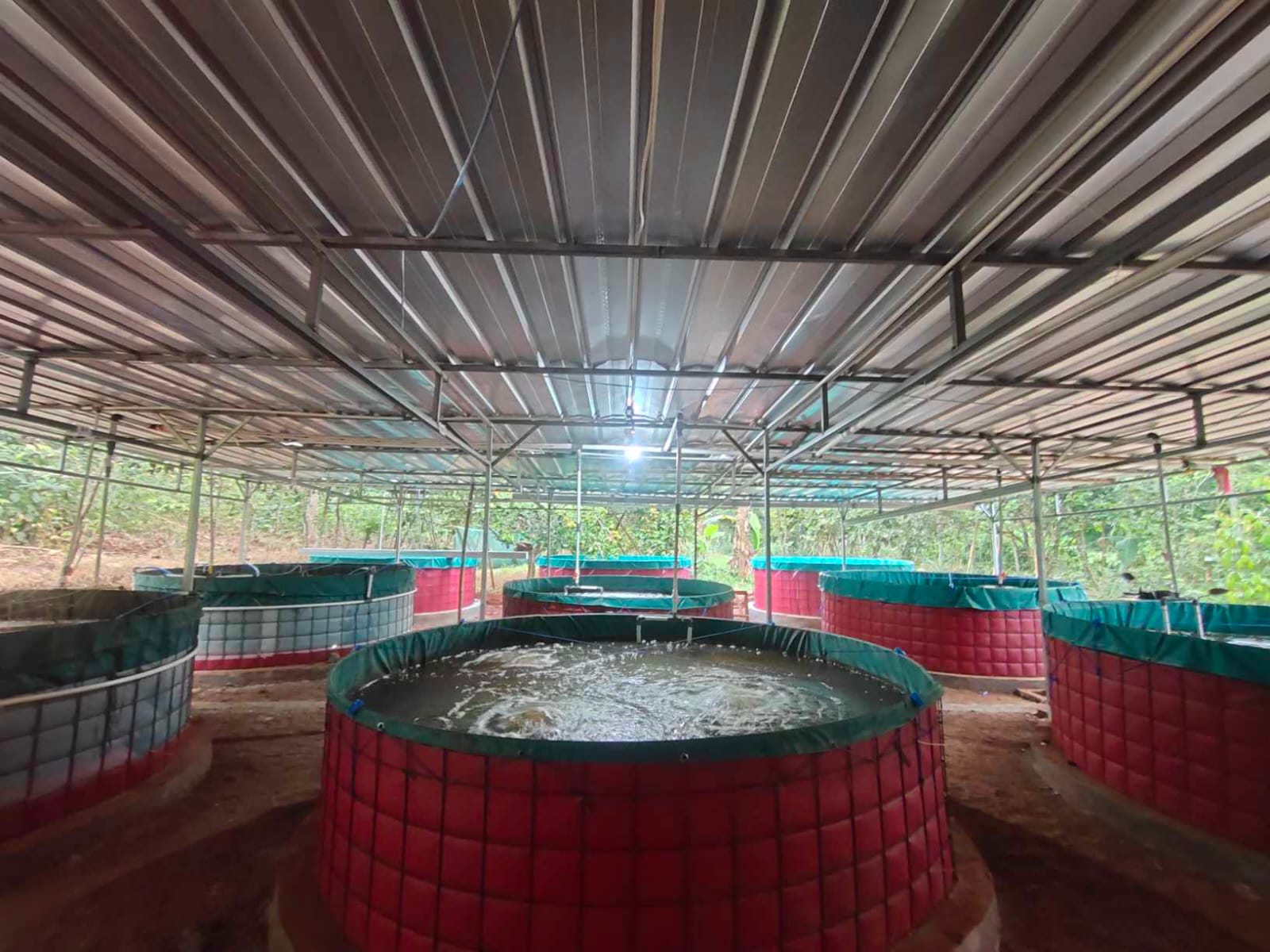
Vannamei shrimp cultivation is an activity that requires careful planning and harvest strategies to achieve optimal results. The harvesting process is a crucial point in determining shrimp quality and overall business profits.
In the fisheries sector, especially vannamei shrimp cultivation, the harvesting process is a critical phase that must be elaborated carefully. Shrimp cultivation not only requires attention during the growing process, but also during harvest. The right decision when and how to harvest can impact the results that have been painstakingly prepared for months. Therefore, understanding technical and business factors is very important to ensure the success of shrimp farming.
Factors such as optimal shrimp weight, shrimp health condition, and water quality are technical considerations that cannot be ignored. Harvest success depends not only on the size of the shrimp reaching the target but also on the overall health condition of the shrimp. In some situations, harvest decisions must be made more quickly due to shrimp health problems or water quality concerns.
On the business side, consideration of market demand and selling price is the main factor in determining the optimal harvest time. The cultivator's decision to determine when to harvest must also be accompanied by a calculation of production costs. Choosing a shrimp size that suits market demand can increase profitability, but farmers also need to take into account the greater production costs associated with growing shrimp to that size.
Effective harvesting tips are the key to maintaining shrimp quality. Ensuring the right harvest time, using good harvest techniques, and providing food before harvest day are important steps that cultivators must take. Harvest speed is also a critical factor in maintaining good shrimp quality. Thorough preparation of personnel and harvest equipment will help ensure the harvest process runs smoothly and efficiently.

The process of harvesting vannamei shrimp
Factors influencing harvest decisions:
- Technical decision:
a. Optimal weight and condition
The harvest process in vannamei shrimp cultivation requires accuracy in determining the right time. Harvesting is ideally done when the shrimp have reached optimal weight, with sizes ranging from 30 to 100 per kilogram, and are in prime body condition. The quality of shrimp at this stage is considered optimal to get a good selling price.
However, the decision to harvest is not only based on technical parameters alone. Environmental factors such as poor water conditions or disease can also be a serious consideration. In such situations, farmers may need to harvest more quickly to prevent the spread of disease and avoid mass shrimp mortality. Therefore, harmony between optimal shrimp conditions and environmental conditions is the key in determining the right moment to carry out the harvest process.
b. Water quality
Poor water quality is a critical factor that can endanger the health of shrimp in vannamei shrimp cultivation. In situations where water quality declines below required standards, delaying harvest to improve water conditions is an important consideration. Although improvement efforts are needed to avoid negative impacts on shrimp, it should be remembered that delaying harvest can also potentially increase shrimp mortality rates.
Therefore, farmers are faced with wise decisions, having to balance the necessary water quality improvements and the risk of increased shrimp mortality that may occur during harvest delays. Awareness of the complex relationship between water quality and shrimp health is the key to making optimal decisions to maintain the success of vannamei shrimp cultivation.
- Business Decisions:
a. Market demand and selling price
Harvest decisions in vannamei shrimp cultivation are not only related to technical factors, but are also influenced by market business dynamics. Market demand and selling price of shrimp are crucial considerations in determining the optimal time for harvest. Although market acceptable shrimp sizes usually start at 100 per kilogram, business considerations often encourage farmers to pursue larger sizes.
This is due to the fact that larger sizes can command higher selling prices, increasing the profitability of the business. Therefore, harvest decisions must be in line with the farmer's business strategy to maximize the selling value of shrimp in a dynamic and competitive market.
b. Consideration of production costs
The strategic decision to harvest in vannamei shrimp cultivation cannot be separated from an in-depth analysis of production costs. Although choosing a larger shrimp size can potentially increase selling prices, this policy also has the impact of higher production costs.
In this context, farmers need to carefully consider the balance between the profits resulting from increasing shrimp size and the additional costs incurred to achieve that size. Therefore, calculating production costs is key in ensuring that harvest decisions are not only based on business considerations but also produce balanced and sustainable profitability.
Effective harvest tips:
- Harvest time
a. It is recommended to harvest white shrimp cultivation when the pond water temperature is still low, especially at night when the moon is new. This decision was taken with the aim of avoiding changing the shrimp shells which could affect their quality and selling value. Changing the shrimp skin can cause the shrimp to have a softer texture, which can reduce the selling price in the market. Therefore, determining harvest times that take into account water temperature conditions and moon phases is a strategy that can increase the selling value of shrimp.
b. In addition, harvesting immediately after reaching the harvest decision is key in maintaining optimal shrimp quality. Harvesting speed is a critical factor in ensuring that shrimp do not molt or change their body condition which could harm their selling value. A fast and efficient harvesting process helps maintain shrimp quality, thereby maintaining a good price on the market. Thus, maintaining harvest speed is an essential step in ensuring successful and profitable shrimp farming results.
- Harvesting technique
a. The use of drag nets has become a common harvest method in vannamei shrimp cultivation. In this process, reducing pond water is a crucial stage that must be adjusted to the existing shrimp biomass. This is done to avoid stress on the shrimp due to sudden environmental changes. By adjusting the water reduction according to the amount of shrimp biomass, farmers can ensure that the harvesting process takes place without causing excessive stress on the shrimp. Using this method helps maintain the safety and welfare of shrimp during the harvest process.
b. To prevent shrimp molting during the harvest process, implementing shell strengthening measures is important. Cultivators generally apply materials such as kaptan, white cement, or dolomite beforehand. These ingredients play a role in strengthening shrimp shells, thereby reducing the risk of molting which can affect the quality and sustainability of cultivation. By taking steps to strengthen the shell before harvest, farmers can optimize harvest yields and maintain the physical integrity of shrimp to achieve optimal selling value on the market.
- Feeding before harvest
The practice of providing feed up to one day before harvest is an important policy in cultivating vannamei shrimp. This habit is carried out to prevent negative impacts on shrimp quality. Stopping feeding before harvest can result in shrimp searching for food at the bottom of the pond. This can affect the quality of the shrimp because changes in shrimp eating behavior can have an impact on the body structure and color of the shrimp.
By continuing to provide feed until close to harvest time, farmers can minimize the potential for changes in shrimp eating behavior and maintain the quality and appearance of shrimp to remain optimal until harvest.
- Harvest Efficiency:
Preparation of personnel and harvesting equipment has a crucial role in the success of the vannamei shrimp cultivation process. It is important to ensure that personnel involved in harvesting have adequate skills and understand the procedures well. Apart from that, cleanliness of equipment before and after use is an aspect that cannot be ignored.
This practice is implemented to avoid the potential spread of disease between shrimp and between ponds. With careful preparation, cultivators can ensure that harvesting is efficient, safe, and contributes to the overall success of cultivation.

The vannamei shrimp harvest is suitable for marketing
The harvesting process in vannamei shrimp cultivation is not just a routine task, but is a crucial step that can affect the results and profitability of the business. Harvesting decisions must be based on sound technical and business considerations. Using appropriate and efficient harvesting techniques, as well as understanding environmental factors such as water temperature and water quality, can ensure shrimp quality remains high. By harvesting effectively, cultivators can optimize cultivation results and increase their business profits. Therefore, it is important for farmers to continue to develop their knowledge and skills in managing vannamei shrimp cultivation.