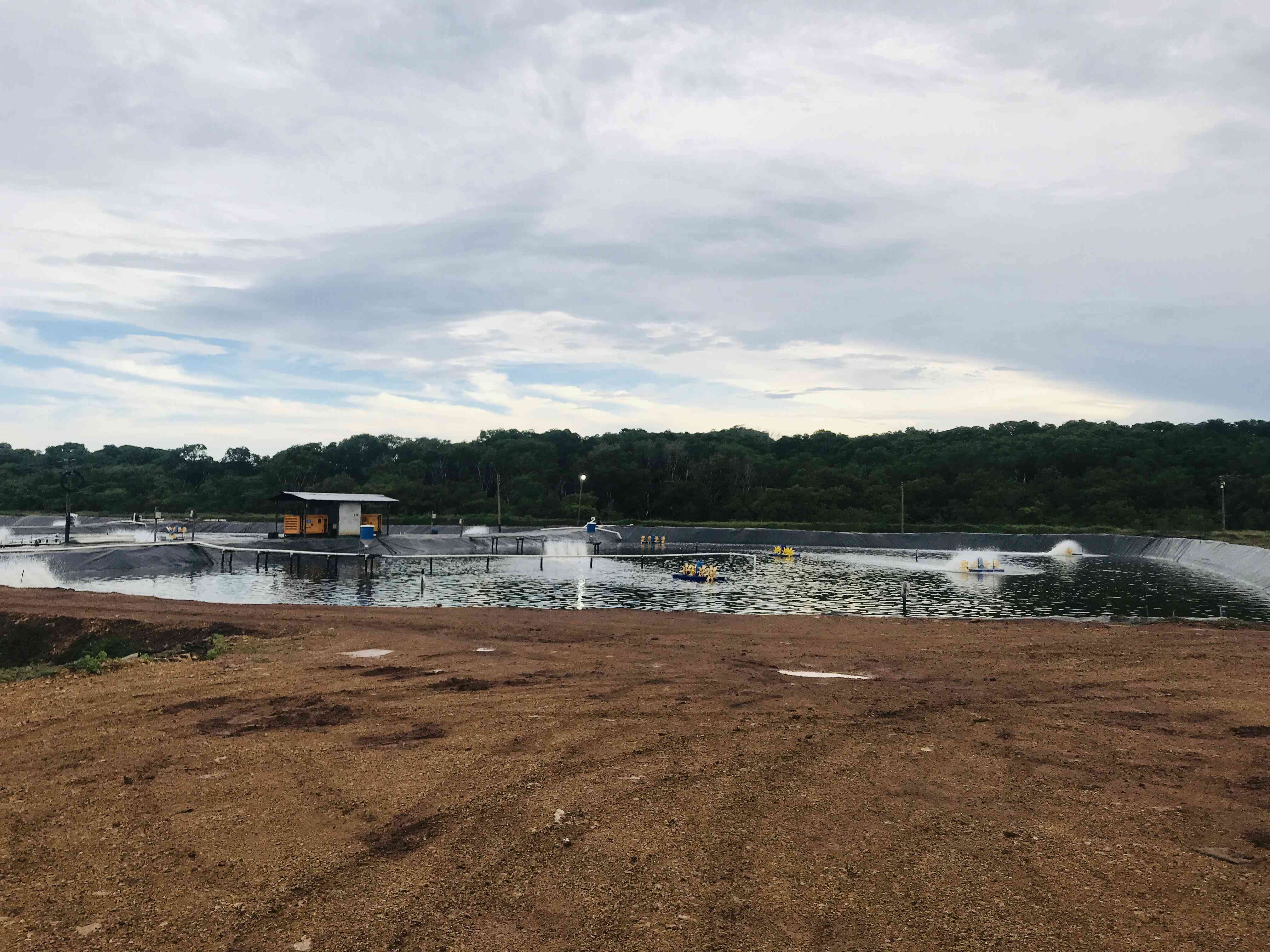
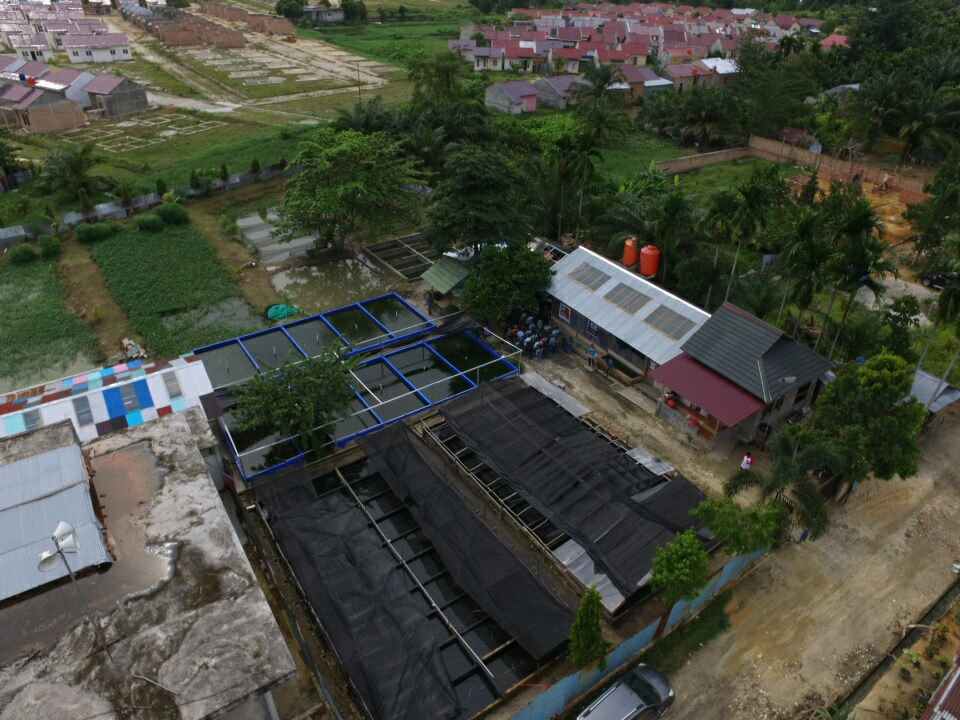
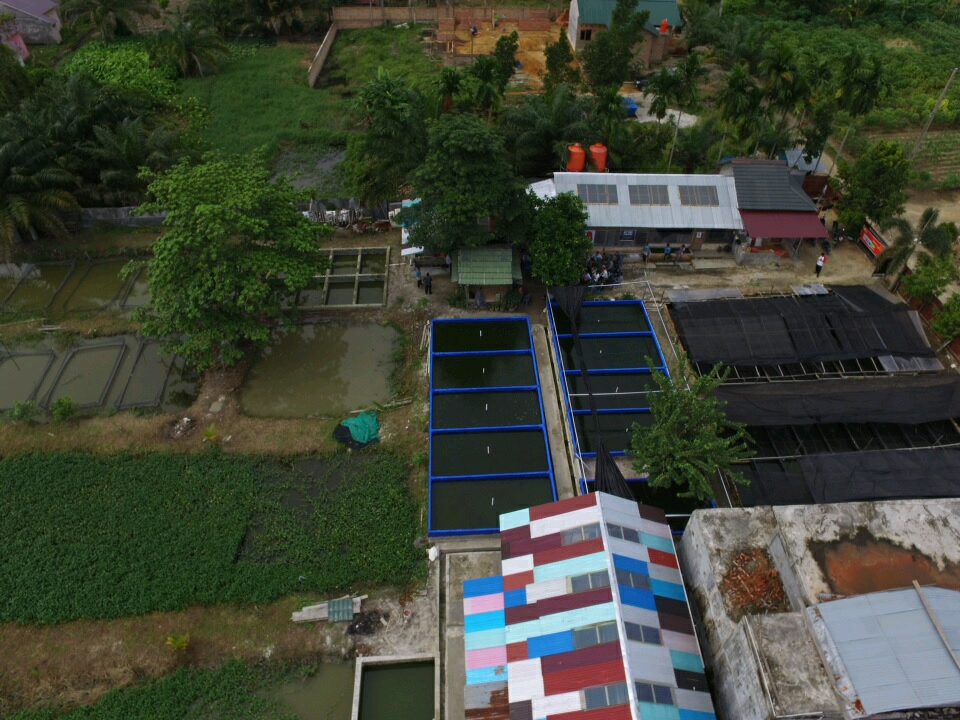
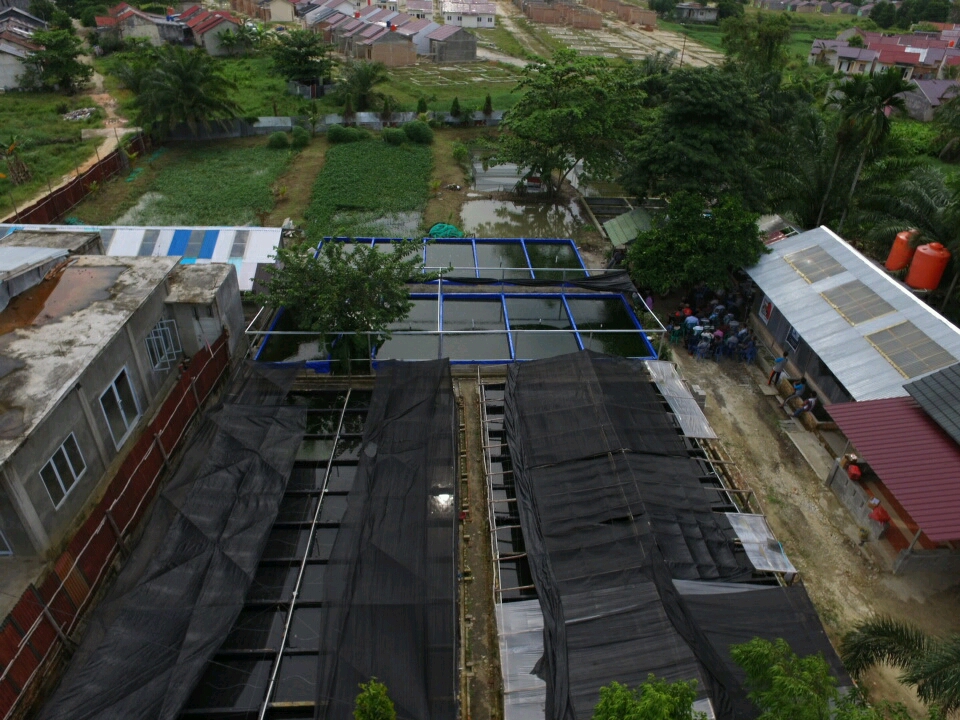
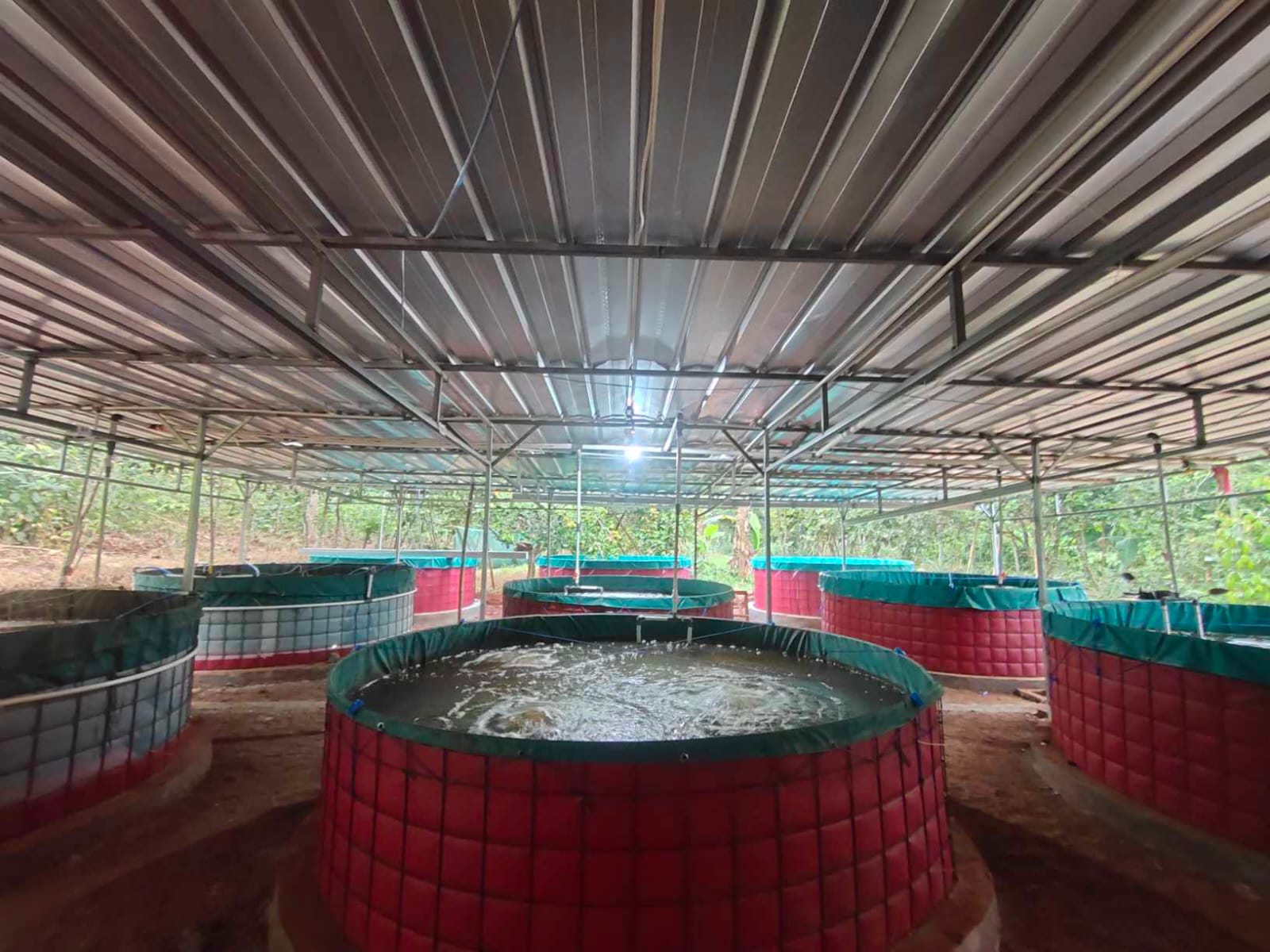
Vannamei shrimp (Litopenaeus vannamei) is one of the most economically valuable commodities in the global aquaculture industry. Its consistently growing market demand, both domestically and internationally, has positioned it as a key export product in the fisheries sector. The shrimp’s primary advantages include rapid growth, high survival rates, and adaptability to diverse environmental conditions. Due to these benefits, many aquaculture farmers have shifted to vannamei shrimp as their main farming commodity.
One of the most critical phases in vannamei shrimp farming is the harvest and post-harvest stage, particularly concerning shrimp larvae. The success of this stage significantly influences the quality of larvae destined for the market, ultimately impacting the sustainability of shrimp farming operations. Improper harvesting techniques can cause stress, increase mortality rates, and degrade product quality, which in turn affects market prices and buyer satisfaction. Therefore, implementing proper techniques and management practices at every stage is essential to ensure that vannamei shrimp larvae remain healthy, high-quality, and viable when they reach buyers.
In Indonesia, vannamei shrimp farming is widely practiced in coastal regions such as East Java, South Sulawesi, and Lampung. Given the vast potential of this industry, effective harvest and post-harvest management play a crucial role in enhancing the competitiveness of vannamei shrimp in the global market. This article will explore the essential aspects of harvesting preparation, the harvesting process itself, and the techniques used for packaging and transporting vannamei shrimp larvae.
Pre-harvest preparations
Before harvesting, several preparatory measures must be taken to ensure that vannamei shrimp larvae do not experience excessive stress. One of the most crucial steps is adjusting the water salinity, a process typically carried out 3–5 days before harvest. Salinity reduction is performed gradually, at a rate of approximately 2–3 ppm per day, depending on market requirements. This gradual adjustment allows the larvae to adapt to changing conditions, preventing environmental shock that could be detrimental to their survival.
Salinity regulation is particularly important for buyers who maintain their shrimp in environments with different water parameters. If the salinity of the shipping container differs significantly from that of the destination, the larvae may experience severe osmotic stress, increasing mortality rates.
Beyond salinity adjustment, proper preparation of harvesting equipment is essential. Key materials include double-layered plastic bags for packaging, rubber bands for sealing, oxygen cylinders to maintain adequate oxygen levels, and activated carbon to ensure water quality during transportation. The double-layered plastic prevents leakage during transport, while oxygen cylinders help sustain the larvae’s oxygen supply throughout the journey.
Research conducted by the Balai Besar Perikanan Budidaya Air Payau (BBPBAP) Jepara indicates that using activated carbon in the packaging water can absorb toxic compounds generated by the larvae’s metabolism during transit. This practice significantly improves their survival rates, particularly for long-distance shipments.
Proper scheduling is another critical aspect of pre-harvest planning. Harvesting is typically conducted at night or during the early morning hours to minimize stress caused by temperature fluctuations and direct sunlight exposure. Additionally, the timing of harvest is often adjusted based on the shipment destination and buyer requirements. For instance, when transporting larvae to distant locations, nighttime harvesting ensures that they remain in optimal condition upon arrival.
By implementing these meticulous pre-harvest procedures, shrimp farmers can enhance the resilience and survival rates of vannamei shrimp larvae, ultimately improving the efficiency and success of aquaculture operations.

Natural feed for vannamei shrimp larvae : DJPB Karangasem
Harvesting process of vannamei shrimp larvae
The harvesting process of Vannamei shrimp larvae is generally carried out when the larvae have reached the Post Larvae-8 (PLs-8) to Post Larvae-10 (PLs-10) stage. Harvesting is typically conducted at night or in the early morning to minimize stress caused by temperature fluctuations and exposure to sunlight. This timing is also adjusted according to the destination and buyer demand.
Various equipment is used during harvesting, including small slides, scouple nets, holding tanks for the post-larvae, and storage baskets. The quantity of equipment must be tailored to the number of Vannamei shrimp larvae being harvested to ensure an efficient and effective process.
The harvesting process begins by reducing the water volume in the rearing tanks. Water is drained through an outlet equipped with a filter to prevent the larvae from being carried away. This filtration system is crucial to ensure no larvae are lost during the process.
Once the water level has been lowered, the remaining larvae are carefully filtered using soft-material small slides to prevent injury. The collected larvae are then transferred to a round holding tank made of profile tank material, chosen for its ability to maintain stable conditions for the larvae.
The counting process involves the use of a scouple net, with each full net typically containing approximately 2,000 to 2,500 larvae. The larvae are then transferred to a bucket for recounting using the rubber band method, where each rubber band represents 100 larvae. This method ensures that the number of larvae in each packaging unit aligns with the predetermined capacity.

Harvesting vannamei shrimp larvae : DJPB Karangasem
Packaging and transport of vannamei shrimp larvae
After the successful harvesting of vannamei shrimp larvae, the next crucial step is packaging. This process must be carried out swiftly and carefully, as larvae in their early stages are highly vulnerable to drastic environmental changes. Proper packaging is essential to ensure high survival rates during transport until they reach the buyer.
The first step in the packaging process involves filling plastic bags with pre-prepared water and adding activated carbon to maintain water quality throughout the journey. The larvae are then placed into the bags with a water-to-oxygen ratio of 1:1. Oxygen is supplied to ensure that the larvae receive adequate oxygenation during transport. The plastic bags are securely sealed using rubber bands, ensuring a firm yet easily removable closure.
These filled plastic bags are then arranged inside specially prepared boxes. Each box typically holds around ten bags containing vannamei shrimp larvae. To regulate temperature during transportation, ice packs are placed on top of the plastic bags within the box. The box is then sealed with adhesive tape to ensure security throughout the shipping process.
The transportation of vannamei shrimp larvae is carried out using trucks or pickup vehicles with large carrying capacities. During transit, the top and bottom sections of the vehicle are covered with tarpaulin to shield the larvae from direct sunlight. This protection is vital, as excessive exposure to high temperatures can significantly reduce the larvae's survival rate.
Challenges in harvesting and post-harvest handling of vannamei shrimp
Despite advancements in harvesting and post-harvest techniques, Vannamei shrimp farmers continue to face several challenges, including:
1. Stress in larvae
One of the primary concerns in the harvesting and post-harvest process is the stress experienced by shrimp larvae. Sudden environmental changes, particularly in salinity and temperature, can lead to significant stress, resulting in high mortality rates. According to research by the Food and Agriculture Organization (FAO), environmental stress can cause larval mortality rates to reach 20–30% if not properly managed.
2. Water quality during transport
Maintaining water quality in packaging during transport is crucial. If not properly managed, oxygen levels in the water may decrease, while toxic compounds such as ammonia can accumulate, potentially leading to larval mortality. Studies have shown that using activated carbon in packaging can reduce ammonia levels by up to 40%, thereby helping to preserve water quality throughout transportation.
3. Fluctuations in market demand
Market demand variability presents another challenge for shrimp farmers. During periods of high demand, farmers must ensure adequate larval supply while maintaining quality standards. Conversely, during periods of low demand, they need to adjust harvest schedules to avoid losses due to unsold stock. Data indicates that Vannamei shrimp exports can increase by up to 30% during certain months, particularly in the lead-up to holiday seasons in major importing countries.