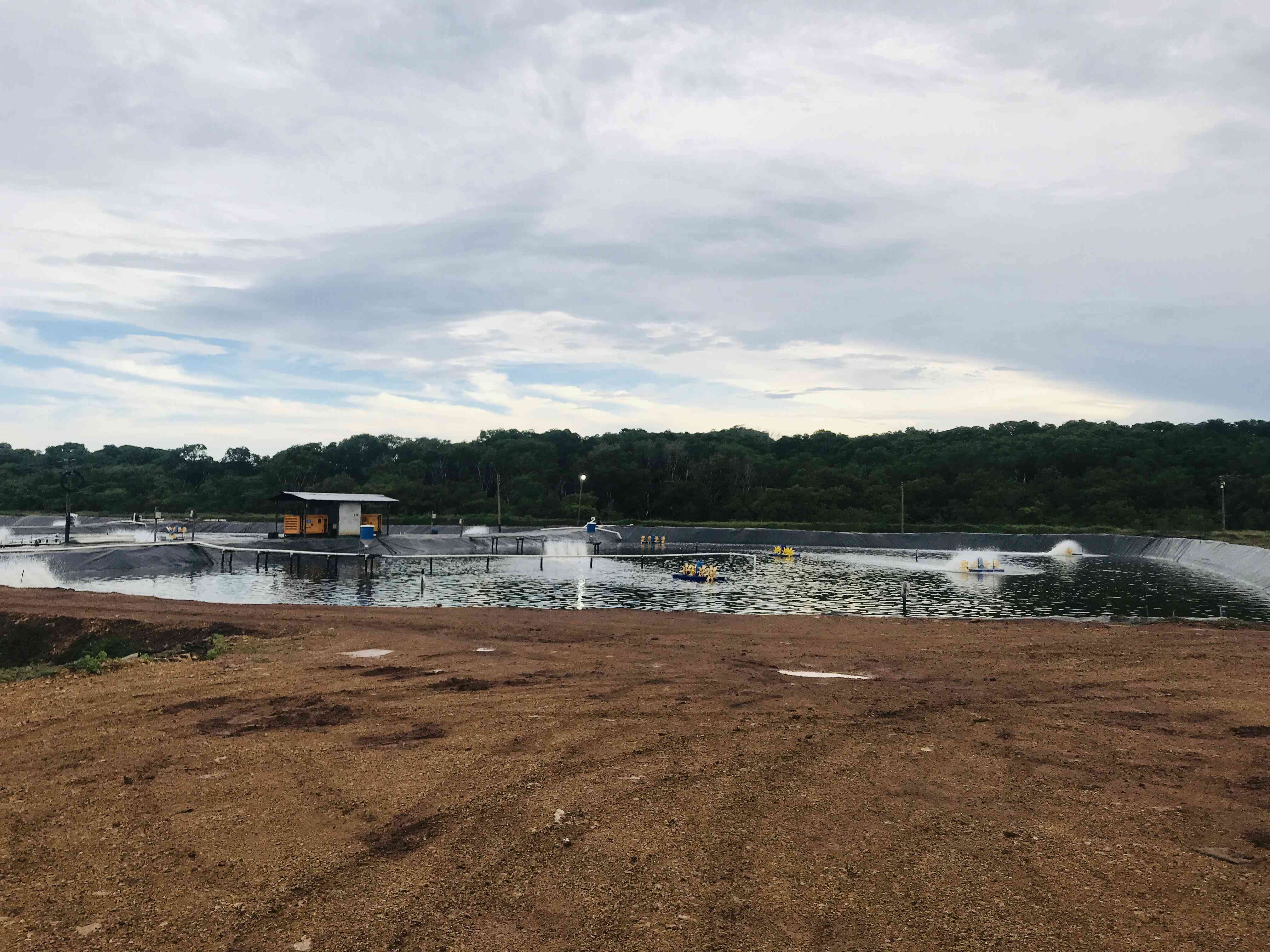
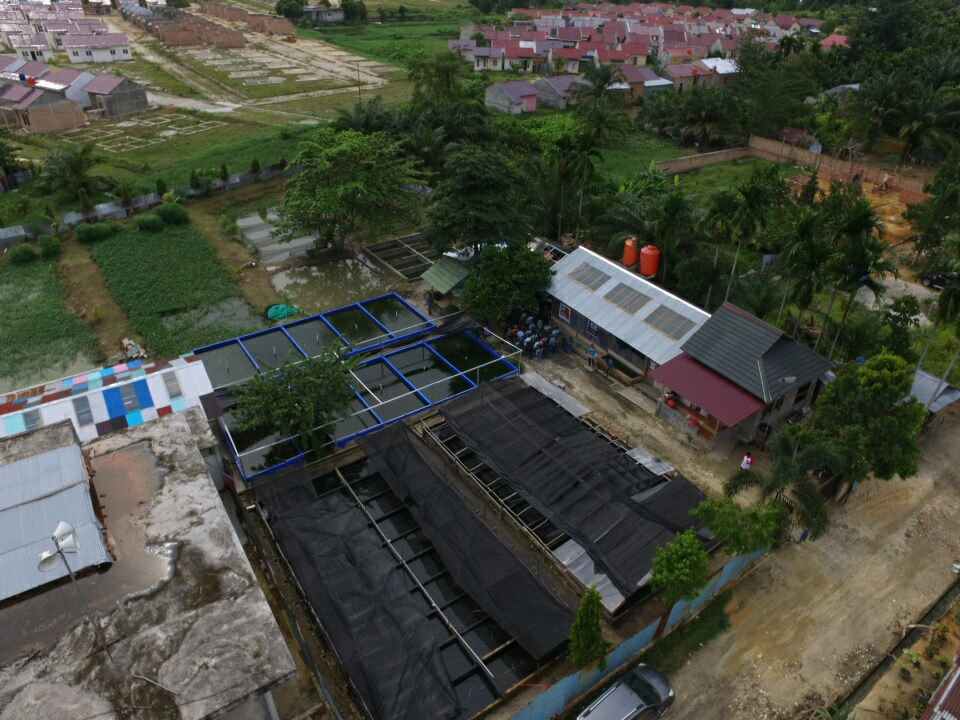
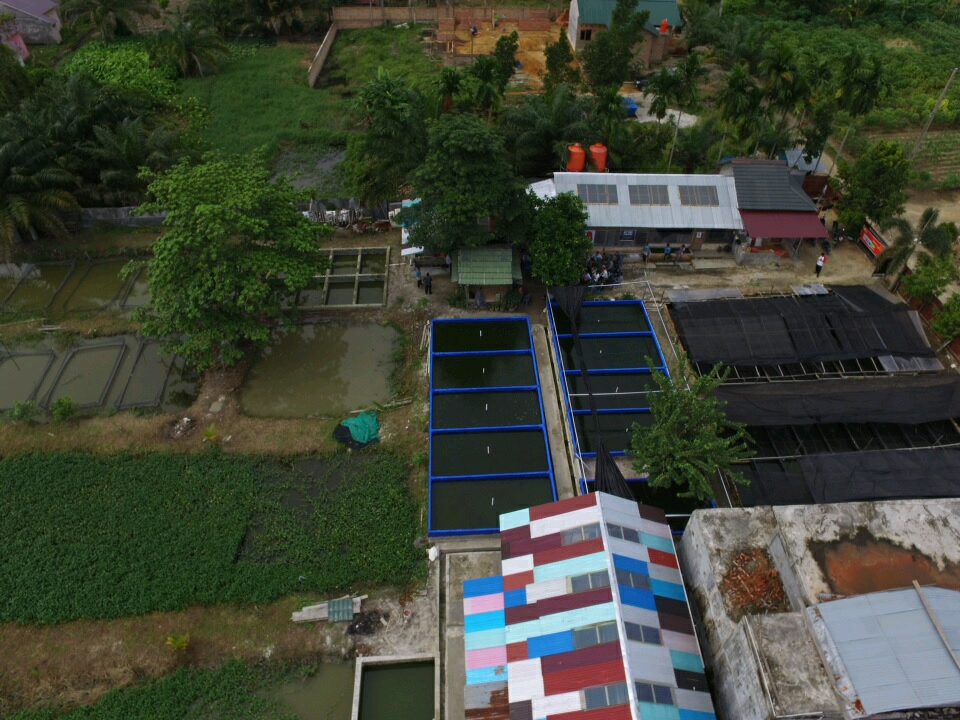
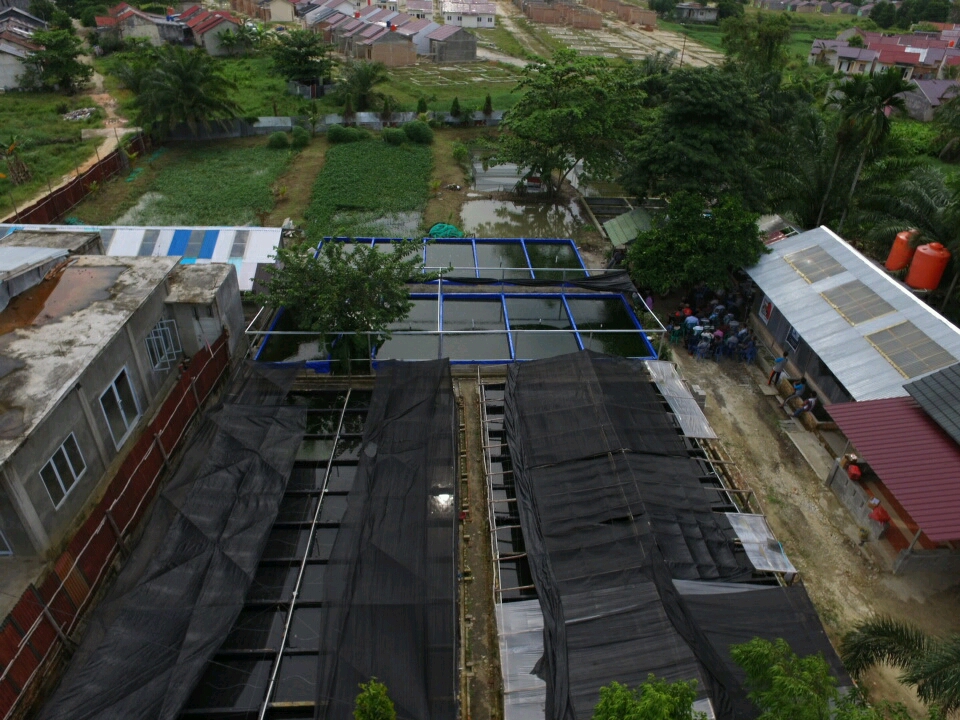
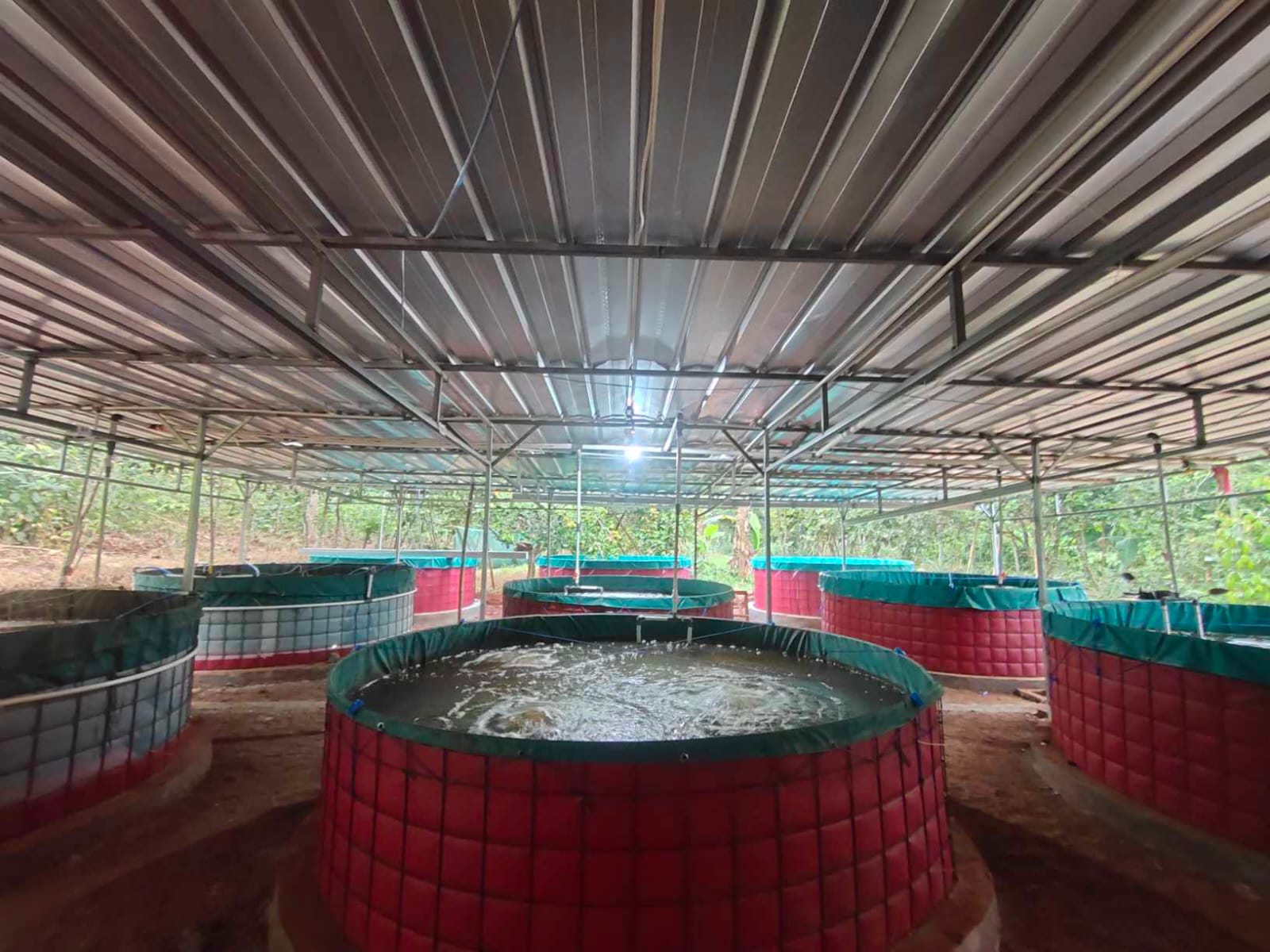
Vannamei shrimp (Litopenaeus vannamei) is one of Indonesia's flagship commodities in the fisheries sector. Demand for this shrimp continues to rise in tandem with increasing public awareness of the importance of high-quality animal protein consumption. According to data from the Ministry of Marine Affairs and Fisheries (KKP), shrimp production in 2023 reached 1.097 million tons, with 75% comprising vannamei shrimp. Production is distributed across various regions, including Sumbawa, East Lombok, and Bima (West Nusa Tenggara Province); Ogan Komering Ilir and Banyuasin (South Sumatra Province); Indramayu and Karawang (West Java Province); Tulang Bawang (Lampung Province); Banyuwangi, Lamongan, and Gresik (East Java Province); Kolaka and North Kolaka (Southeast Sulawesi Province); and Pohuwato (Gorontalo Province).
However, behind its economic potential, vannamei shrimp farming generates significant waste. If not properly managed, this waste can pollute aquatic environments and threaten ecosystem sustainability. Shrimp waste is categorized into two types: solid waste and dissolved waste. Solid waste includes uneaten feed, feces, and bacterial colonies, while dissolved waste comprises ammonia, carbon dioxide, phosphorus, hydrogen sulfide, phosphate, and nitrogen. Studies indicate that dissolved waste from vannamei shrimp farming contains 77% nitrogen and 85% phosphorus. Additionally, waste from shrimp processing industries such as heads, shells, and legs also contains high nutritional value, including crude protein (36.75%), crude fat (5.72%), crude fiber (14.49%), calcium (13.99%), and phosphorus (1.28%).
Research has demonstrated that vannamei shrimp waste holds great potential for conversion into economically valuable products. Below are some innovations in utilizing vannamei shrimp waste that align with sustainable principles:
1. Producing organic compost from solid waste in vannamei shrimp farms
Solid waste from vannamei shrimp farms contains various essential nutrients, including calcium carbonate (CaCO₃), nitrates, phosphorus, and potassium. These nutrients make solid shrimp farm waste a highly promising raw material for producing organic compost. Such nutrients are vital for supporting the optimal growth and development of plants.
Utilizing solid shrimp farm waste as organic compost offers a practical solution to the recurring scarcity of chemical fertilizers. The high demand for chemical fertilizers, particularly in the agricultural sector, often leads to price surges. By transforming shrimp farm waste into compost, farmers can access a more economical and environmentally friendly alternative to conventional fertilizers.

The production of organic fertilizer from shrimp pond solid waste involves critical monitoring of environmental parameters such as pH, salinity, moisture, and temperature: BRPBAPPP Maros
Beyond its economic advantages, repurposing solid shrimp farm waste into organic compost addresses significant environmental concerns. If not properly managed, this waste can accumulate around shrimp farms, emitting foul odors and posing health risks to surrounding communities. By processing it into compost, the negative environmental impacts are mitigated, while the resulting product contributes directly to soil fertility improvement.
Organic compost enhances soil structure, increases the soil's water retention capacity, and boosts the activity of beneficial soil microorganisms. Thus, the use of organic compost not only supports sustainable agricultural practices but also promotes environmental health and resilience.
2. Utilizing solid shrimp farm waste as a medium for microalgae culture
Solid waste from vannamei shrimp farms has significant potential as a medium for cultivating microalgae, particularly Chlorella sp. This microalga is widely recognized as a nutrient-rich natural feed for various aquatic organisms. Chlorella sp. requires nitrogen and phosphorus as primary nutrients to support its growth, both of which are naturally present in solid shrimp farm waste.
Research indicates that the nutrient content in shrimp farm waste, such as nitrogen and phosphorus, adequately meets the growth requirements of Chlorella sp. Additionally, the waste contains various macro- and micronutrients essential for microalgae's photosynthesis and reproduction processes. This nutrient composition makes solid shrimp farm waste a cost-effective alternative to conventional microalgae culture media.
The process of utilizing this waste involves the crucial role of heterotrophic and nitrifying bacteria. Heterotrophic bacteria decompose the organic material in the solid waste into inorganic compounds such as ammonia (NH₄⁺), nitrate (NO₃⁻), and phosphate (PO₄³⁻). These inorganic compounds serve as nutrients for Chlorella sp., facilitating the growth of new cells. This decomposition process is optimized within 24 hours, producing an ideal nutrient concentration for microalgae cultivation.

The microalga Chlorella sp. has been closely observed using Neubauer chamber show the algae to be in healthy condition and exhibiting optimal growth: flickr/Juan Camilo Jaramillo
The cultured Chlorella sp. offers numerous benefits across fisheries and energy sectors. It can be used as natural feed in aquaculture, enhancing the quality and efficiency of fish or shrimp production. Moreover, Chlorella sp. can be processed into bioenergy resources, such as biodiesel and bioethanol, contributing to the development of renewable energy solutions.
3. Utilizing chitosan from shrimp shell waste for edible coating applications
The shells of vannamei shrimp are a promising resource for obtaining chitin and chitosan, two compounds with significant economic value. Chitin, a natural polysaccharide, forms the primary structural component of crustacean exoskeletons, including shrimp. It is also found in fungal cell walls and certain insect species. Through deacetylation, chitin can be processed into chitosan, a compound widely utilized in food and healthcare industries due to its versatile properties.
The transformation of chitin into chitosan involves several stages: demineralization to remove calcium carbonate, deproteinization to eliminate proteins, and deacetylation to convert acetyl groups into amino groups. This deacetylation process is crucial, as it imparts chitosan with unique characteristics such as antimicrobial properties and high water absorption. These features make chitosan highly valuable, particularly in applications like edible coatings for food preservation.
One of the most promising applications of chitosan is as an edible coating. Chitosan can form thin protective layers that shield food products from microbial contamination and slow down oxidation processes. For instance, applying a chitosan coating to tuna fish balls can extend their shelf life by up to two additional days compared to products without a coating. This extended shelf life provides significant benefits to producers by reducing losses due to spoilage.
In addition to its functional benefits, using chitosan as food packaging material supports environmental sustainability. Unlike conventional plastics, chitosan is biodegradable and decomposes naturally. Its adoption can help reduce plastic waste and promote eco-friendly packaging solutions. Furthermore, the antimicrobial properties of chitosan contribute to food safety by minimizing the risk of contamination from pathogenic bacteria.
4. Producing livestock feed from shrimp head and shell waste
The heads and shells of vannamei shrimp are not only useful for human food products but also hold significant potential as high-quality livestock feed. These byproducts are rich in essential nutrients, particularly proteins and minerals such as calcium and phosphorus, which are vital components of livestock diets. The protein content in shrimp head and shell waste reaches approximately 36.75%, while the calcium content is about 13.99%, playing a crucial role in bone development and shell formation in poultry and aquaculture species.

A survey conducted at PT Misaya Mitra, Kotabaru, South Kalimantan, assessed the potential of shrimp heads and shells as raw materials for fishmeal production: Luhkan Kotabaru/Sakdun
To enhance economic value and ease of use, shrimp head and shell waste are often processed into shrimp meal. This involves drying to reduce moisture content and milling to produce fine powder. Shrimp meal is widely used as an ingredient in livestock feed, especially for poultry such as broiler and layer chickens, as well as for aquaculture species like catfish and tilapia. Drying not only extends the shelf life of the meal but also prevents microbial growth, ensuring a stable and safe final product.
Feeds containing shrimp meal have been shown to improve livestock growth and productivity. Studies indicate that using shrimp meal in fish feed can boost daily growth rates by 15–20% compared to conventional feeds. Additionally, the calcium and phosphorus content in shrimp meal enhances eggshell quality in layer chickens and strengthens bone structure in poultry.
Utilizing shrimp waste as a raw material for livestock feed also supports resource efficiency and sustainability in the agriculture and aquaculture sectors. Processing these byproducts into value-added products helps reduce the volume of organic waste, which could otherwise pollute the environment. Moreover, shrimp-based feed is more affordable than imported alternatives, aiding farmers and aquaculture operators in lowering production costs.
This innovative approach transforms shrimp industry byproducts into a valuable resource, contributing to sustainable practices and offering economic benefits for producers and the broader livestock sector.