Toliara, a province in southern Madagascar, is renowned for its substantial potential in tourism and aquaculture. Its capital city, also named Toliara, is situated on the southern coast and separated from mainland Africa by the Mozambique Channel. Despite its remote location, the province boasts captivating natural beauty and abundant natural resources. With an extensive coastline and a rich marine ecosystem, Toliara has the potential to become a center for sustainable economic development through both nature tourism and aquaculture.
As a relatively undiscovered region, Toliara offers pristine natural landscapes, ranging from mangrove forests to stunning coral reefs. Its marine resources are vast, encompassing fisheries and marine aquaculture, providing hope for improving the livelihoods of local communities. Additionally, the allure of its natural tourism, such as tranquil beaches and unique habitats of endemic flora and fauna, makes Toliara an attractive destination for both domestic and international tourists. This potential positions Toliara as a region worthy of further development in the economic, environmental, and social sectors.
Access and travel to Toliara
There are two primary ways to reach Toliara: by air and by land. Air travel from Madagascar's capital, Antananarivo, takes approximately 1 hour and 20 minutes. However, for those who prefer land travel, the journey can take up to 48 hours due to the considerable distance. The overland journey to Toliara is quite challenging, as the terrain is not only winding but also includes significant stretches of damaged roads. This poses a major obstacle to accessibility to Toliara.
Nevertheless, for nature enthusiasts and photographers, the overland journey is an attraction in itself. Throughout the journey, travelers are treated to stunning natural landscapes, including mountains, rice paddies, vast savannas, and the unique flora and fauna of Madagascar. Lemurs, one of Madagascar's endemic species, and the iconic baobab trees are part of Madagascar's unique natural appeal found nowhere else. Madagascar's relatively pristine natural environment offers rare beauty that must be preserved to remain a global asset.
According to Muhammad Fauzi (37), a local staff member of the Indonesian Embassy in Antananarivo who traveled overland from Antananarivo to Toliara, the journey offered breathtaking views of mountains, rice paddies, and savannas. Madagascar's authentic and unique flora and fauna were a significant draw. He believes that Madagascar possesses extraordinary natural potential but requires greater attention from the government and relevant stakeholders to transform these natural riches into world-class tourist assets.
Tourism potential of Toliara
Madagascar is renowned not only for its biodiversity and natural beauty but also for its significant natural and cultural heritage recognized internationally. Several sites, such as the Atsinanana rainforest, home to numerous endemic species, and the Tsingy de Bemaraha National Park, known for its spectacular karst formations, have been designated as UNESCO World Heritage Sites. This natural heritage reflects the richness of Madagascar's ecosystems, while cultural sites mirror the unique history and culture of local communities. This immense potential positions Madagascar as a compelling destination for nature and cultural tourism, particularly the coastal region of Toliara, which boasts marine beauty and coastal riches.

A breathtaking sunset over the coastal shores of Toliara
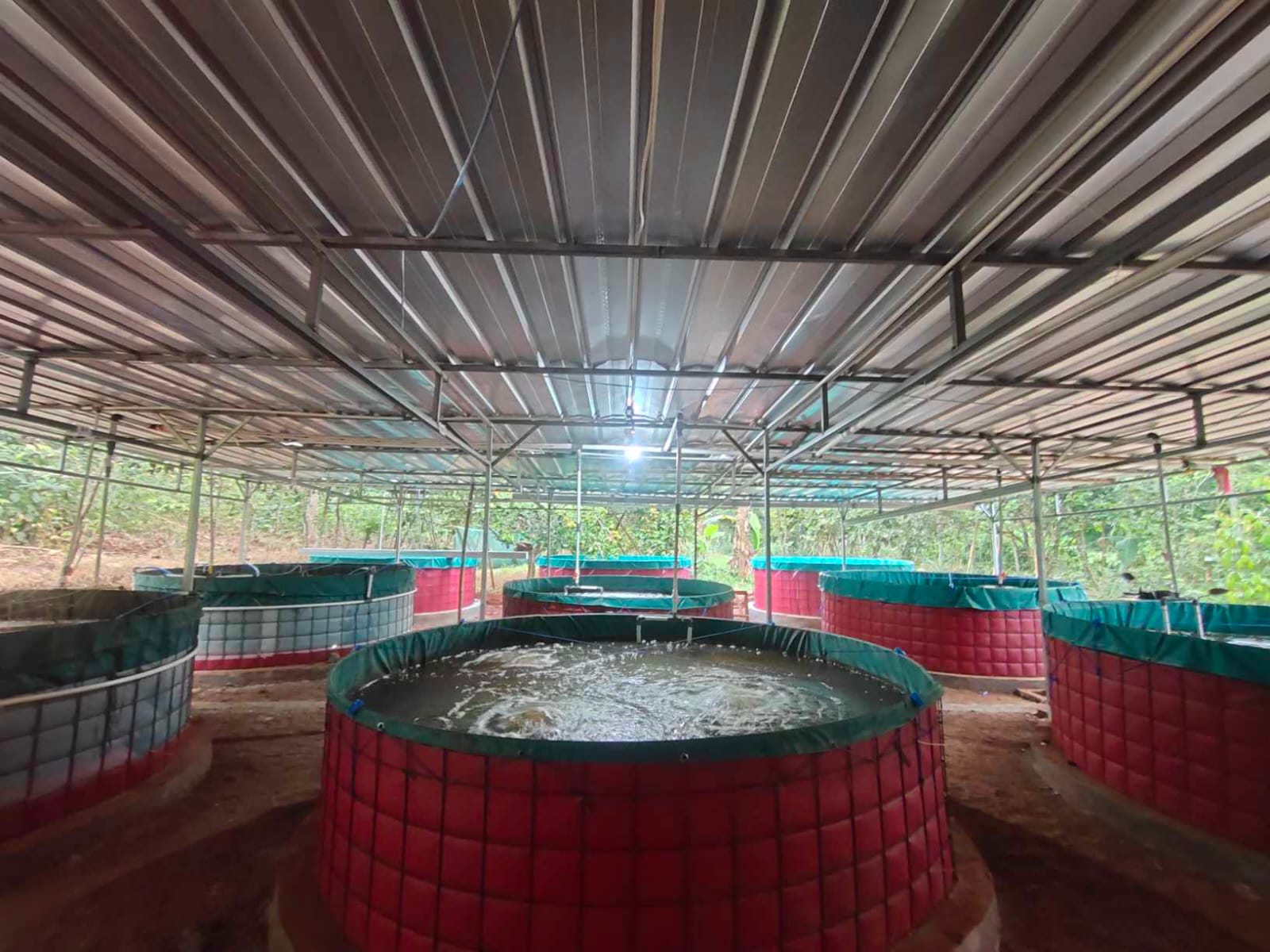
On the other hand, while Toliara offers significant potential for nature-based tourism and infrastructure development, the region faces substantial limitations. Poor and winding road conditions, especially those connecting Toliara to the capital Antananarivo, pose a major obstacle to improving accessibility. Additionally, an unstable electricity supply and a lack of supporting facilities such as a land transportation network hinder the distribution of fish and shrimp feed, thereby impeding the development of aquaculture in the region. Given its extensive coastline and rich marine ecosystem, Toliara should be able to optimize the aquaculture sector to boost the local economy.
This infrastructure deficit necessitates serious attention from local government and international partners to fully develop Toliara's potential. Developing roads, electricity, and other supporting infrastructure will not only facilitate the growth of the tourism sector but also open up more opportunities for economic development. With adequate infrastructure, tourists will find it easier to access tourist attractions in Toliara, which in turn will stimulate the local economy through increased tourist visits, both domestic and international, and the development of small and medium-sized enterprises.
Banglele Indonesia’s visit to Toliara
A delegation from Banglele Indonesia’s visit to Toliara, facilitated by the Indonesian Embassy in Antananarivo, has provided a fresh impetus for the development of the tourism sector in the region. This visit has sparked innovative ideas for developing Tourism Villages in Toliara, highlighting the region’s immense potential as a world-class tourist destination. With its abundant coastal natural resources and unique local culture, Toliara is considered highly suitable for developing Tourism Villages that can alleviate poverty through inclusive and sustainable tourism approaches. These Tourism Villages are expected to attract both domestic and international tourists while empowering local communities through their involvement in the tourism sector.
Banglele Indonesia’s aquaculture diplomacy has been warmly received by various stakeholders in Madagascar. The University of Toliara and the Institute of Fisheries and Marine Sciences (IHSM), leading institutions in marine science and fisheries, have expressed interest in collaborating on the development of aquaculture and nature-based tourism in Toliara. Additionally, the Toliara Department of Fisheries and Marine Affairs has expressed full support, committing to assisting in resolving various administrative and regulatory challenges that have previously hindered the development of the aquaculture and tourism sectors in the region. This engagement opens up significant opportunities to promote Toliara as a more organized and attractive tourist destination for both local and international visitors.

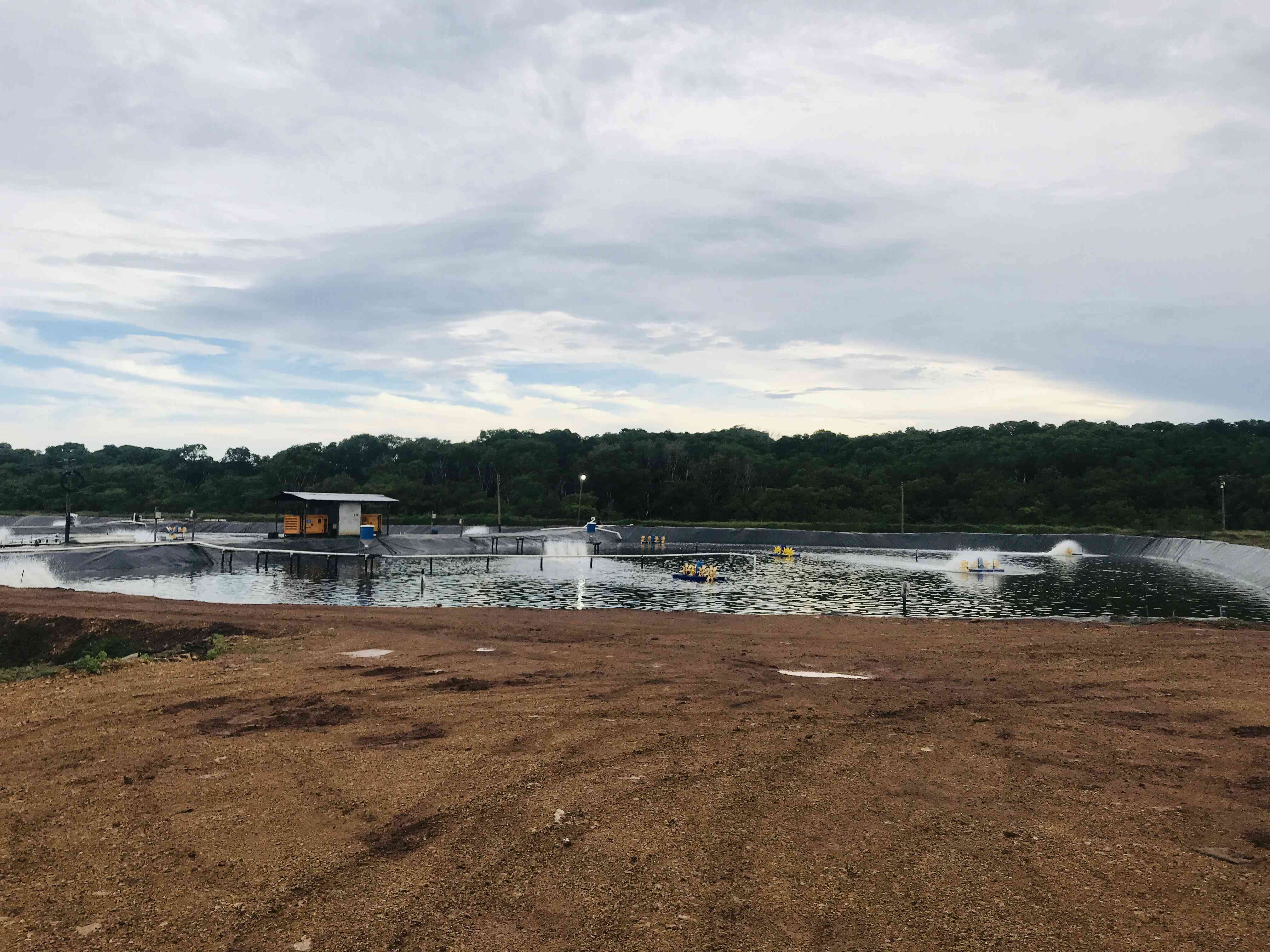
A delegation from Banglele Indonesia and the Indonesian Embassy in Antananarivo visiting a traditional fish pond in Toliara
This visit has also received a positive response from the Madagascar Ministry of Tourism and local government. Both parties agree that the development of aquaculture-based Tourism Villages in Toliara can be a primary solution to addressing various local economic challenges and food security, particularly in coastal areas prone to poverty. The concept of sustainable aquaculture tourism introduced by Banglele Indonesia, where local communities are actively involved in the management of Tourism Villages, has become a highly sought-after topic. They believe that community-based tourism will not only boost the local economy but also help preserve the culture and natural environment that are the main attractions of Toliara.
Learning from Indonesia's village tourism experiences
Indonesia has accumulated valuable experience in developing successful Tourism Villages, particularly after facing the significant challenges posed by the COVID-19 pandemic. One of the most prominent examples is Nglanggeran Tourism Village in Yogyakarta, which has successfully leveraged local natural resources and transformed into a hub for Micro, Small, and Medium Enterprises (MSMEs). This village has managed to alleviate poverty through community-based tourism, where locals are directly involved in the management and utilization of tourist destinations. Nglanggeran has now not only become a premier tourist destination but also a concrete example of how tourism can serve as the backbone of sustainable economic growth.

Griya Cokelat Nglanggeran, selling iconic chocolate products produced locally from bean to bar in the Nglanggeran Tourism Village: Desa Wisata
The success of Indonesia's tourism sector, especially in developing Tourism Villages, is inseparable from the active role of the Ministry of Tourism and Creative Economy. Post-pandemic, the sector has rebounded and become one of Indonesia's largest foreign exchange earners, second only to mining and commodity exports. This success reflects the resilience of Indonesia's tourism sector, which has been able to adapt quickly and leverage local potential for economic growth. This experience in developing community-based tourism can serve as an inspiration and model for other countries seeking to develop sustainable tourism sectors, including Madagascar.
Madagascar, particularly the Toliara region, can learn from Indonesia's experiences. Developing aquaculture-based Tourism Villages in Toliara will not only improve the livelihoods of local communities but also create new economic growth opportunities. With adequate infrastructure, this sector is expected to have a significant impact on reducing poverty and creating jobs in coastal areas. Furthermore, the development of this tourism is expected to lower Madagascar's Gini coefficient, which still reflects a rather high level of economic inequality.

Income inequality in Madagascar is striking, as evidenced by data from the World Inequality Database. The top 10% of the population holds 50.8% of the total income, while more than 50% of the population in the poor category only earns 15.2%. This reflects a significant imbalance in the distribution of wealth, where a small group of people enjoy most of the economic resources, while the majority of the population continues to struggle with difficult living conditions. This inequality indicates the need for serious attention from the government and stakeholders to develop policies that can reduce social and economic disparities in the country.
Ifaty Beach; a potential icon for Tourism Villages in Toliara
Ifaty Beach, located on the coast of Toliara, holds immense potential to be developed into a premier tourist destination. With calm waves and warm waters, this beach is ideal for various water activities such as snorkeling, swimming, and simply relaxing while enjoying the natural beauty. Additionally, Ifaty Beach is cleaner compared to other beaches in the region, making it a prime choice for tourists seeking a more comfortable and pristine beach experience. These advantages make the Ifaty coastal area highly suitable for developing environmentally friendly and sustainable aquaculture-based Tourism Villages.

Local vendors selling their wares near Ifaty Beach
Beyond its beautiful beach, Ifaty also boasts a rich cultural heritage. The local people living around the beach are known for their friendliness. They are accustomed to interacting with tourists, both domestic and foreign, making them a valuable asset in supporting the development of the tourist area. The experience of interacting with local communities adds value for visitors, who not only enjoy the beautiful natural scenery but can also experience the warmth of the local culture firsthand.
Not far from Ifaty Beach, there is the iconic Baobab Forest, a major attraction for tourists visiting the Toliara region. The Baobab trees, known as "upside-down trees" due to their unique shape with branches that resemble roots reaching for the sky, are a natural symbol found only in a few regions of the world, including Madagascar. This forest adds an extra attraction for visitors who want to experience the uniqueness of Madagascar's nature more deeply. In addition to being a natural icon, the Baobab Forest also holds significant historical and cultural value for the local community.
Access to the Baobab Forest around Ifaty Beach is by traditional oxcart, which traverses scenic spots that add to the appeal for tourists. The experience of traveling along the coastal road surrounded by natural beauty while using traditional transportation provides an exotic touch rarely found in other tourist destinations. Visitors are not only invited to enjoy the beauty of Madagascar's nature but are also invited to experience a simple yet authentic traditional lifestyle. This potential for natural and cultural tourism makes Ifaty Beach and its surroundings a highly promising area for developing unique and sustainable aquaculture-based Tourism Villages.

An oxcart, a traditional mode of transportation to reach Ifaty Beach
The integration of aquaculture development and tourism can make the Ifaty Beach area an attractive destination for both domestic and international tourists. The Ifaty Beach area has great potential to become a pilot project for cooperation between Indonesia and Madagascar in developing aquaculture-based Tourism Villages, given its various advantages for becoming a Tourism Village.
Bilateral collaboration and cooperation
The development of aquaculture-based Tourism Villages in Toliara holds immense potential through the synergy of academia, business, communities, and government (ABCG). Collaboration between Indonesia and Madagascar will strengthen bilateral relations and open up significant opportunities for the sustainable development of the tourism and aquaculture sectors. Through the spirit of "Recover Stronger, Recover Together" championed by Indonesia during its G20 presidency, this cooperation can support developing countries impacted by the global crisis.
From an academic perspective, the development of aquaculture-based Tourism Villages in Toliara can begin with academic cooperation between universities in both countries. Forms of cooperation could include student exchanges, international community service, overseas internships, joint research, and student exchanges. To realize this collaboration, inter-university MoUs are needed as a legal framework. One Indonesian university, IPB University, has experience in international community service programs, as well as domestic community service programs that have had a real impact on rural economic development in Indonesia.
Dr. Iqbal Irfany (41), Deputy Director of Agromaritime Community Development (PMA) at IPB University, emphasized that the downstreaming of innovations carried out by IPB University through the "One Village One CEO" (OVOC) program has made a significant contribution to rural development and transformation. Through OVOC, innovations and technology are integrated with government programs and funding schemes such as corporate CSR, opening up significant opportunities for the development of Tourism Villages-based aquaculture in Toliara. In terms of regulations and finance, the matching fund scheme already implemented in Indonesia can serve as a reference in supporting this collaboration.
Support from Madagascar itself has been shown by the Minister of Higher Education and Research of Madagascar, Prof. Laulla Chaminah, who explicitly stated her readiness to bridge cooperation between universities in Indonesia and Madagascar. Her great hope is that this collaboration can develop a highly competitive aquaculture sector, especially in the Toliara region.

Lemur, an endemic animal and iconic symbol of Madagascar's tourism
From a business perspective, hotel entrepreneurs in Toliara and other cities in Madagascar, such as Mr. Marco (37), who is married to an Indonesian woman, welcomed the plan to develop aquaculture-based Tourism Villages. As a native son of Toliara and Honorary Consul of the Republic of Indonesia to Madagascar, Mr. Marco is committed to being part of the driving force in developing aquaculture-based Tourism Villages in the Toliara region. He is also determined to support every positive step of cooperation between the two countries, especially in tourism and aquaculture, intending to improve the living standards of local people and strengthen the regional economy.
Local communities also play an important role in the development of Tourism Villages in Toliara. Students studying aquaculture and oceanography at the University of Toliara are expected to become pioneers in the Aquapreneur movement in the region. They have the potential to be agents of change that lead local communities towards food and economic self-sufficiency. With the involvement of local communities, the formation of cooperatives, new MSMEs, and community-based educational centers are expected to strengthen the local economy and create new opportunities for the development of tourism and aquaculture in Toliara.
From the government side, the Indonesian Embassy in Antananarivo, through the Chargé d'Affaires a.i. (KUTAP) of the Republic of Indonesia in Madagascar, Mr. Lanang Seputro (56), stated that all the great opportunities that have opened up must be immediately executed with planned and sustainable steps. In this regard, the Indonesian Embassy in Antananarivo is ready to support every initiative for cooperation between Indonesia and Madagascar, both in the development of Tourism Villages and the aquaculture sector, in line to strengthen bilateral relations between the two countries