Guyana and Suriname are two countries close to each other in South America. In recent years, both have been the subject of discussion in the mass media due to the discovery of large reserves of underwater oil resources. Guyana is even on the list of countries with the highest economic growth in the world. These two countries also have excellent bilateral relations, supported by a solid history, and are closely linked.
Guyana and Suriname both have inland and coastal waters. Guyana itself is nicknamed "The land of abundant water" and in fact, has enormous water potential but has not yet been fully exploited. Suriname is also nicknamed "The Country with the Largest Forests in the World" because 93% of its territory is forest which provides abundant water reserves for the country.
However, when discussing the aquaculture sector in these two countries, it is still far from advanced because it has not been managed well despite its rich nature. We have conducted surveys and observations in these two countries in 2021. Several factors and challenges that we think are hampering the development of the aquaculture sector are as follows:
1. Fishermen's catches are still the backbone
Guyana and Suriname have been blessed with vast areas of land and water. These two countries have several large and long rivers. Many residents work as fishermen, both on the river and at sea. Both countries also face the Atlantic Ocean, making it one of their natural sources of marine catches. This makes people, especially fishermen, dependent on natural catches from land and sea waters. These two countries also do not have large enough populations compared to developing countries in Asia and Africa, so much of their catch is exported to several countries in North America, the Caribbean, the European Union, and several countries in Asia.
2. Hatchery fish and shrimp are not easily accessible
The dependence of fishermen in Guyana and Suriname on wild catches has been one of the main obstacles to the development of the aquaculture sector in these two countries. This condition is closely related to the limited facilities for hatchery fish and shrimp in the area. Our observations show that the amount of hatchery available is very limited, so fish and shrimp farmers have difficulty obtaining the necessary fish and shrimp seeds.
As a result, the aquaculture sector is more often an option for individuals who have financial resources and better access to fish and shrimp seeds that must be imported from other countries, such as Brazil and the United States. This creates a gap in the accessibility of the aquaculture sector that only those with sufficient capital, established markets, and adequate information can participate in.
Dependence on supplies of fish and shrimp seeds from other countries also indicates that the aquaculture sector in Guyana and Suriname is not yet fully self-sufficient. This is the main obstacle to achieving independence for this sector in reducing dependence on imports.
3. High prices for fish and shrimp feed
Apart from the problem of limited fish and shrimp seeds, the problem of the availability of fish and shrimp feed is also a serious challenge in developing the aquaculture sector in Guyana and Suriname. These two countries face dependence on imported fish and shrimp feed because they do not yet have adequate feed factories in their regions.
Fish and shrimp feed supplies that must be imported from countries such as Brazil and others not only increase production costs for local farmers but also make the aquaculture sector more vulnerable to international price fluctuations and unstable supplies. Dependence on imported fish and shrimp feed also creates vulnerability to supply disruptions that can affect the availability of feed for aquaculture.
4. Fisheries production facilities are still limited
The limited availability of production facilities that support the fisheries sector is the main obstacle to the development of aquaculture in Guyana and Suriname. This production facility involves vital fisheries equipment such as tarpaulins, ponds, and various other equipment needed in cultivation operations.
Although some of these facilities can be found, most of them still have to be imported from other countries. Reliance on imports of these facilities not only increases aquaculture production costs, but also makes the sector more vulnerable to international price fluctuations, supply problems, and logistical challenges.
Guyana and Suriname need to consider measures that can increase the availability of independent fisheries production facilities. Investment in the production and distribution of fishing equipment can provide better support for local fish and shrimp farmers, help reduce dependence on imports, and create business and employment opportunities in this sector.
5. Lack of experts in the field of aquaculture
The lack of experts in the field of fisheries and maritime affairs in Guyana and Suriname is a serious challenge in the development of the aquaculture sector in these two countries. Quality and knowledgeable human resources in this sector are key elements for managing aquaculture activities effectively and sustainably. In this context, serious efforts are needed to improve education and training in the field of fisheries and maritime affairs, including the establishment of relevant academic programs and practical training for prospective experts.
Experts in the field of fisheries and maritime affairs must be considered as the main drivers in the development of the aquaculture sector. They can provide the technical knowledge, research, and guidance needed to increase productivity and sustainability in the sector.

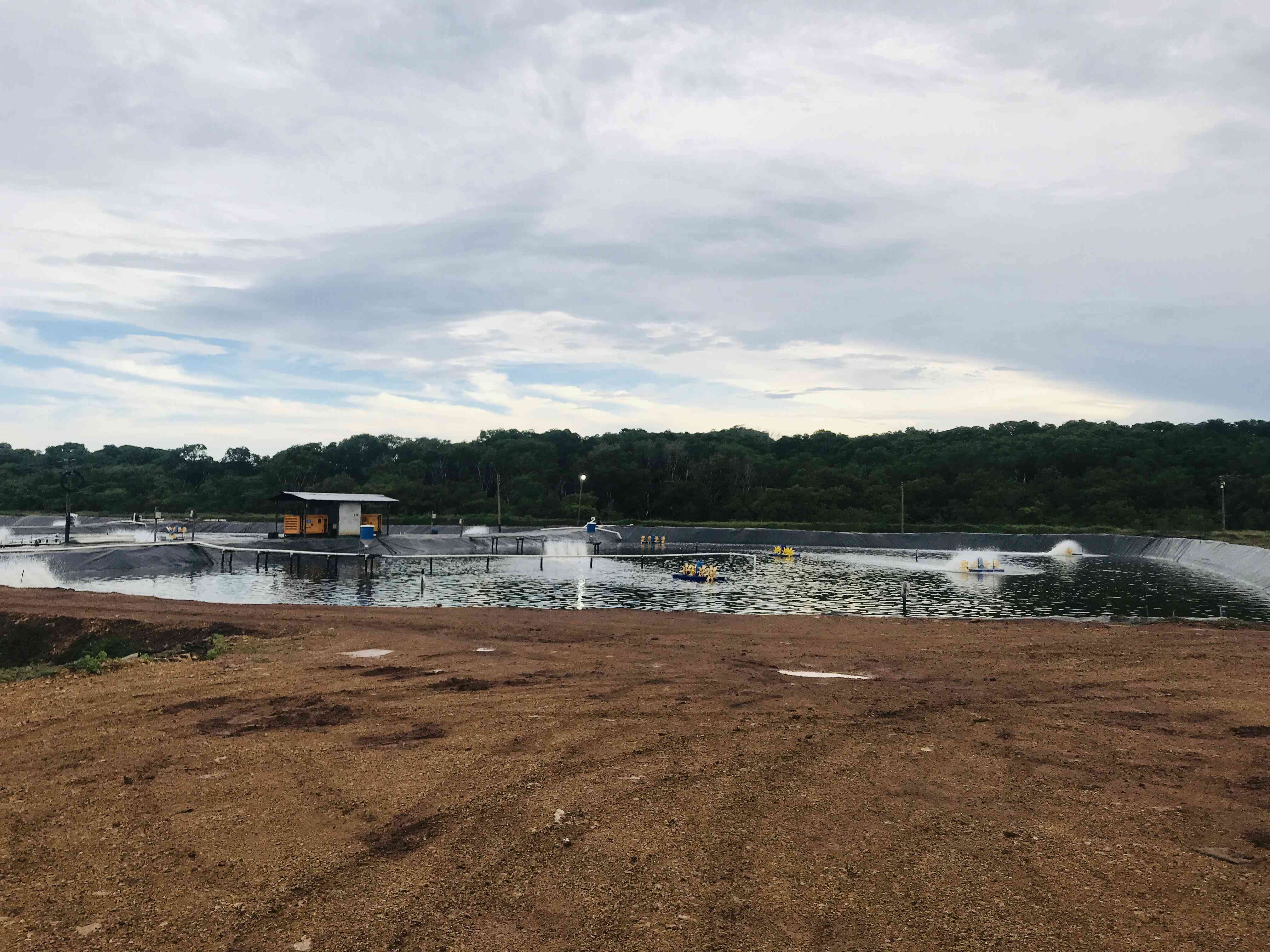
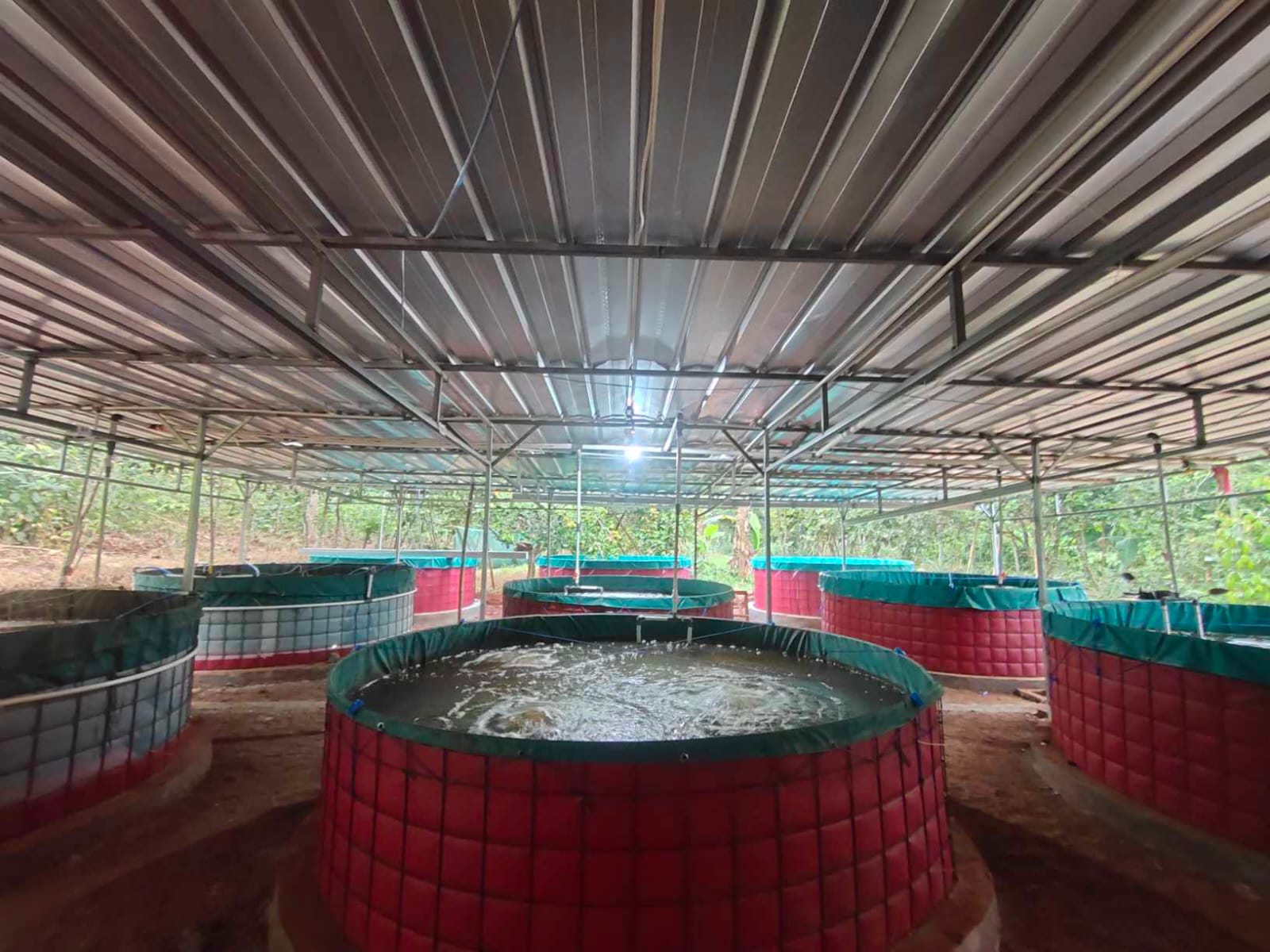
Hubu Aqua Farm, one of the vannamei shrimp hatchery and cultivation locations in Guyana
Prospects for the development of aquaculture in Guyana and Suriname
Although there are several challenges to be overcome, Guyana and Suriname have great potential in developing the aquaculture sector. Here are some promising prospects:
1. Diversify cultivator income
Diversification from wild catches to the aquaculture sector is an important step in reducing the economic risks faced by fish and shrimp farmers in Guyana and Suriname. High dependence on natural catches makes fishermen's income very vulnerable to seasonal fluctuations and variations in fish populations they experience. By including aquaculture as an additional source of income, fishermen can reduce the economic risks associated with changes in natural and market conditions. This creates greater income stability for them, which in turn can improve economic and social well-being in fishing communities.
In the long term, diversification into the aquaculture sector can also provide sustainable benefits for marine ecosystems. By reducing pressure on captive fish populations, aquaculture can help maintain the balance of marine ecosystems and protect vulnerable species. Apart from that, this can contribute to the sustainability of fish resources, and most importantly to the sustainability of fisheries production in the future.
2. Job creation
The development of the aquaculture sector has great potential to create new jobs in Guyana and Suriname. In this context, various aspects of the aquaculture production chain provide significant employment opportunities. First of all, development hatchery or fish and shrimp hatchery centers require workers to manage these facilities, monitor seed development, and maintain water quality. Apart from that, the production of fish and shrimp feed also requires work in processing raw materials, making feed, and distribution.
In addition, cultivation facilities such as ponds need to be maintained and managed well, which creates jobs in the maintenance and management of these facilities. Thus, the development of the aquaculture sector not only contributes to economic growth but also has the potential to reduce unemployment levels in the two countries.
Increasing employment opportunities in the aquaculture sector can also bring social benefits. By providing employment opportunities to local communities, especially in coastal and inland areas who often rely on natural catch for livelihoods, this sector can help reduce poverty levels and improve living standards (welfare). In addition, these employment opportunities can reduce the migration of people from rural to urban areas in search of work, and can also help maintain local communities and local cultural heritage.
3. Improve food safety
With global population growth continuing to increase, the need for sufficient and quality food resources is becoming increasingly important. In particular, food safety has become one of the main issues throughout the world. In this context, the development of the aquaculture sector in Guyana and Suriname has a significant role in meeting the increasing need for animal protein, both in the domestic and international markets.
Fish and shrimp are sources of highly nutritious protein and are needed by the global community. By developing efficient and sustainable aquaculture, these two countries can contribute to a better and more stable supply of animal protein for their populations.
Apart from that, the aquaculture sector can also help reduce pressure on caught fish resources which often experience overfishing. By producing fish and shrimp through aquaculture, Guyana and Suriname can help protect their marine ecosystems and maintain a more balanced fish population. This has a long-term positive impact on food security because maintaining the availability of healthy catch fish resources is key to meeting growing global food needs.
4. Export of fishery products
By developing a quality aquaculture sector, Guyana and Suriname have a great opportunity to increase the export of their fishery products. Sustainable and efficient fish and shrimp cultivation can produce high-quality products that can be marketed internationally. This creates the potential for a significant additional source of income for both countries.
Additionally, by relying less on exports of wild catches, Guyana and Suriname can offset the risk of fluctuations in marine catches and mitigate negative impacts on their marine resources.
The development of the aquaculture sector can also help create diversification in the economies of the two countries, which currently rely heavily on the mining sector and other natural products. By increasing exports of fishery products, Guyana and Suriname can create a stronger and more sustainable economic balance.
Efforts to improve the aquaculture sector
Achieving successful development of the aquaculture sector in Guyana and Suriname requires coordinated efforts involving the government, the private sector, and local communities. To achieve this goal, the following steps can be taken:
1. Investment in infrastructure
The governments of Guyana and Suriname need to give top priority to investment in fisheries production infrastructure. Facilities like hatcheries, feed mills, and cultivation facilities are key components in strengthening the aquaculture sector. By building and improving this infrastructure, both countries can create a conducive environment for the growth of this sector.
Investments in fisheries production infrastructure will not only increase production capacity but will also help create local job opportunities and reduce dependence on imports. In this way, both countries can move towards self-reliance in fisheries production and contribute to sustainable economic growth.
2. Education and training support
Education and training in the field of aquaculture is an important aspect that must be improved in Guyana and Suriname. The first step is to increase access to formal education at colleges and universities in programs relevant to aquaculture. This will create a strong knowledge base for future experts and leaders of the sector.
In addition, it is also important to provide more focused practical training for fish and shrimp farmers who wish to get involved in aquaculture. This training may include efficient cultivation techniques, facilities management, and sustainability practices. With formal education and strong practical training, Guyana and Suriname can produce a highly skilled and knowledgeable workforce that will be a pillar in the development of a successful aquaculture sector.
3. Partnerships with other countries
Guyana and Suriname have a great opportunity to establish partnerships with other countries that have experience and knowledge in developing aquaculture. This international collaboration can help both countries gain access to the latest technology, best practices, and in-depth knowledge in sustainable aquaculture management. The exchange of technology and knowledge between countries can also enrich human capital in both countries, allowing local experts and farmers to broaden their horizons.
By establishing partnerships with countries that have competence in aquaculture, Guyana and Suriname can accelerate the growth of this sector and overcome existing challenges. This collaboration can also promote economic and trade diplomacy that benefits both parties while maintaining the principles of sustainability in the development of fisheries cultivation.

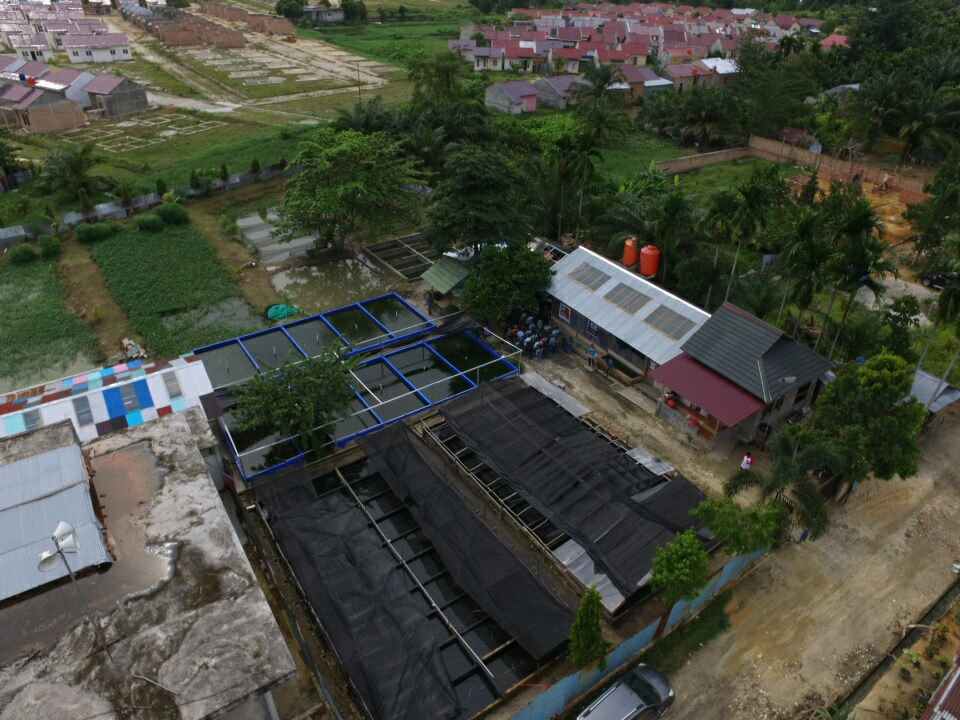
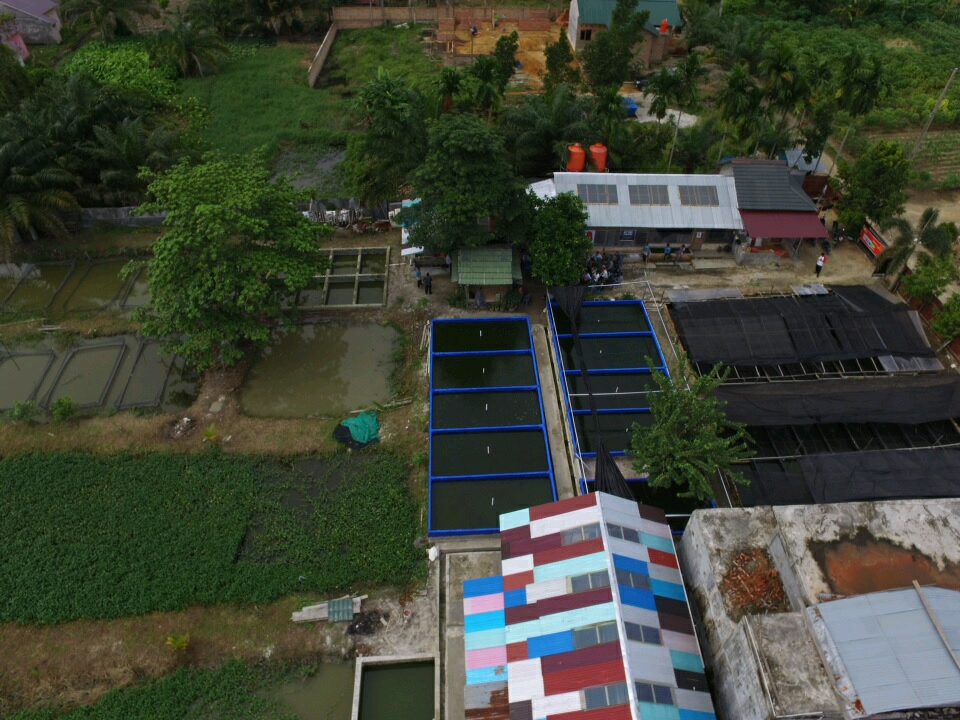
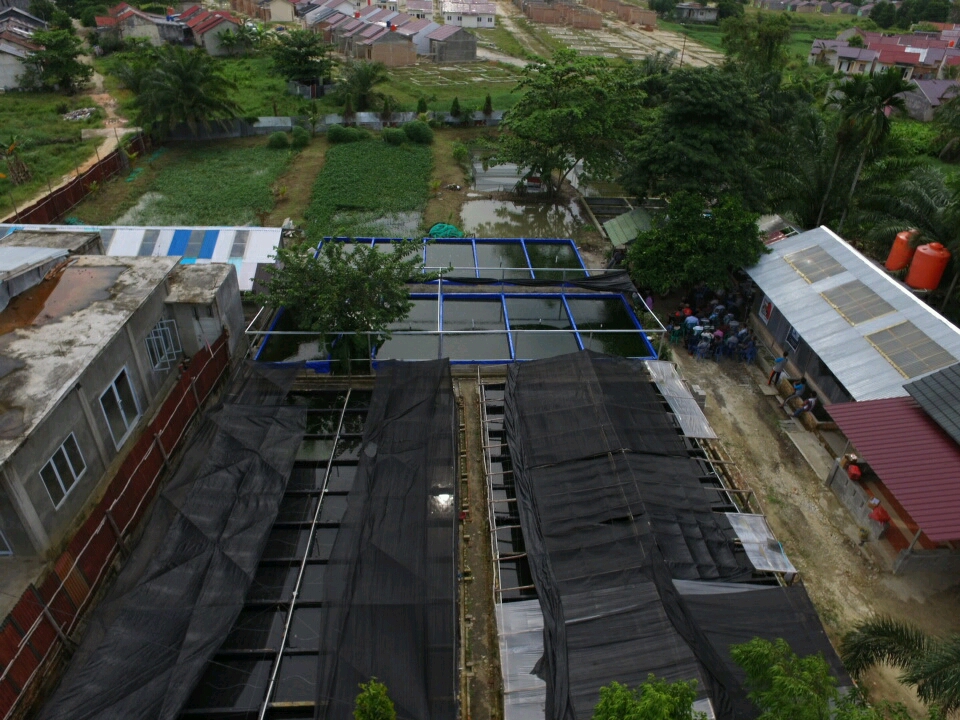
The partnership between Banglele Indonesia Maju Company and Food and Agriculture Organization Guyana
4. Market development and product promotion
Close cooperation between the government and the private sector is key to developing domestic and international markets for aquaculture products in Guyana and Suriname. The government can provide policy and regulatory support that allows better access to global markets, while the private sector can play a role in the production and marketing of aquaculture products. This partnership needs to be encouraged to ensure the smooth flow of trade and promotion of the products produced.
The promotion of high-quality products is also an important factor in attracting consumer interest, both in domestic and international markets. By ensuring aquaculture products meet high-quality standards, governments and the private sector can improve the image of these products and increase their competitiveness in the global market.
Effective promotion also includes good marketing and branding strategies to create a strong product identity. With good cooperation between the government and the private sector in promoting quality aquaculture products, Guyana and Suriname can take significant steps towards the growth of this sector
5. Sustainability and conservation
In developing the aquaculture sector, the principles of sustainability and conservation must be a top priority. This includes wise monitoring and management of fisheries resources, aimed at maintaining the balance of marine ecosystems and ensuring the continuity of fish populations. These measures include establishing sustainable fishing quotas and strict regulations to prevent overfishing.
Apart from that, the development of the aquaculture sector must also focus on reducing negative impacts on the environment. This includes the use of environmentally friendly farming practices, such as the use of sustainable feed, good waste management, and water quality monitoring. By adhering to these principles, Guyana and Suriname can ensure that the growth of the aquaculture sector is not only economically profitable but also sustainable in the long term and does not damage marine or inland water ecosystems.