Mauritius, a nation with a land area of just 2,040 km², faces significant challenges in utilizing its local resources to develop its aquaculture sector. These challenges stem not only from limited land availability but also from the growing demand for sustainable food solutions amid global threats such as climate change and supply chain instability. In this context, it is crucial for Mauritius to adopt innovative and inclusive business models that address local needs while tackling global challenges.
One promising approach is the implementation of the "nucleus-plasma" model, a concept emphasizing collaboration among various stakeholders, including corporations, small-scale farmers, government entities, and research institutions. This model aims to create a sustainable business ecosystem by leveraging local strengths and environmentally friendly technologies. In the context of inland aquaculture, the nucleus-plasma model offers a strategic solution to enhance food security while boosting household and medium-scale enterprise economies.
Mauritius holds unique advantages in adopting this model. The country has already demonstrated success in renewable energy management, particularly through the utilization of sugarcane waste. This robust energy infrastructure provides a solid foundation for supporting aquaculture development. Such capabilities position Mauritius to effectively and efficiently implement the nucleus-plasma model while reinforcing its commitment to environmental sustainability through principles of the Blue Economy.
This article delves into how the nucleus-plasma model can be applied in Mauritius, with a specific focus on inland aquaculture development. It explores the potential of this approach to foster sustainable growth, empower local communities, and contribute to global food security solutions.
The urgency of food security in Mauritius
Although poverty is not a critical issue in Mauritius, food security has emerged as a pressing concern. The global food supply chain has faced significant disruptions due to the COVID-19 pandemic, which severely affected food production and distribution. According to data from Lemhannas, export restrictions imposed by several countries during the pandemic led to soaring food prices and supply uncertainties.
Geopolitical conflicts, such as the Russia-Ukraine war, have further exacerbated the situation. This conflict has disrupted the balance between supply and demand, causing supply chain breakdowns and driving food prices to unprecedented levels. Reports from Antara News indicate that this situation is projected to worsen, placing numerous countries at risk of food shortages.
Climate change is another major factor impacting food security. Rising sea temperatures, for instance, affect marine ecosystems by altering species distribution, causing coral bleaching, and shifting weather patterns. In Mauritius, the effects of global warming, such as rising sea levels and changing water temperatures, threaten the delicate balance of marine ecosystems, which could negatively impact local fisheries and marine resources.
In the face of these challenges, the development of aquaculture based on the nucleus-plasma model offers a strategic solution. This model fosters collaboration between core companies, which provide technology and resources, and small- to medium-scale farmers. Its goals include boosting local food production, reducing dependence on imports, and ensuring the availability of protein sources for the Mauritian population. Furthermore, this approach aligns with efforts to promote environmental sustainability, emphasizing the effective and eco-friendly management of natural resources to mitigate the impacts of climate change.

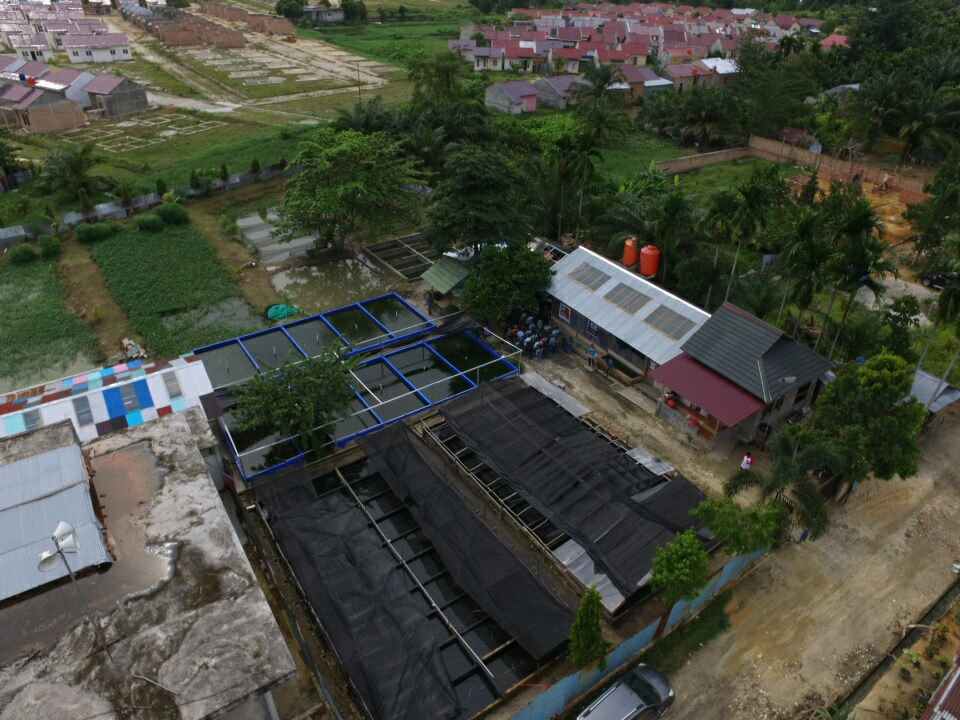
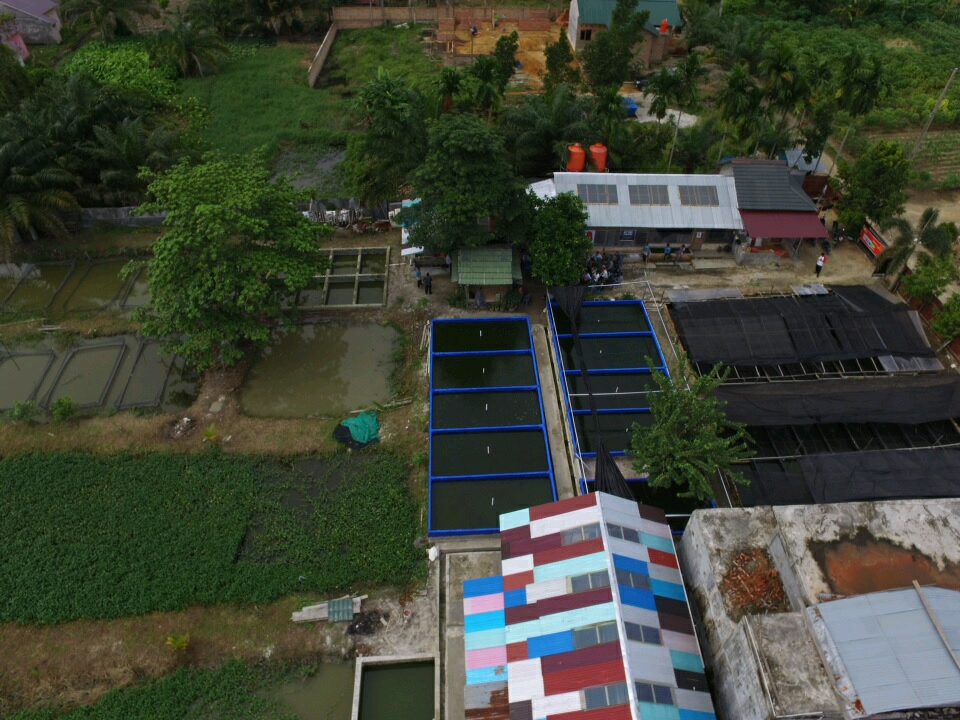
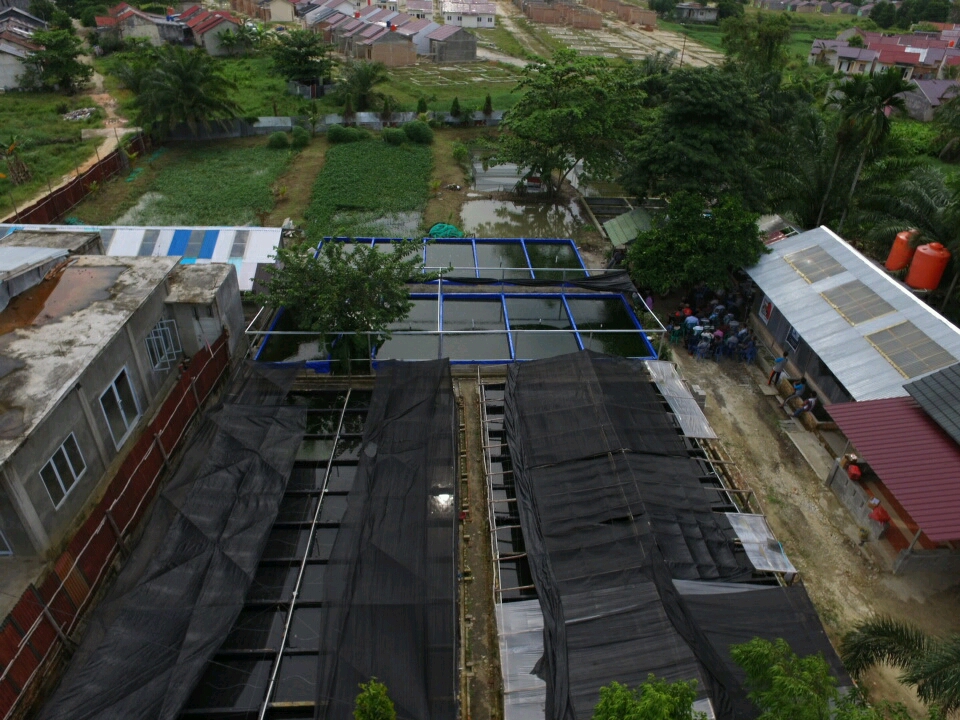
The phenomenon of budikdamber (fish cultivation in buckets) is gaining popularity in Indonesia as an alternative aquaculture method suitable for household-scale implementation: Luhkan Kab. Siak/Ivan Purba
The structure of the nucleus-plasma model
The nucleus-plasma model in aquaculture fosters close collaboration among various stakeholders to establish a sustainable and inclusive ecosystem. This partnership structure integrates the strengths and expertise of each party to deliver optimal economic, social, and environmental benefits. Proven effective in various agribusiness sectors, this approach holds significant potential for application in aquaculture, particularly in developing nations such as Mauritius.
1. Nucleus
The nucleus entity, typically a company, plays a pivotal role in the nucleus-plasma partnership by providing technology, resources, and expertise to support aquaculture operations. These companies supply high-quality seeds, efficient feed, and environmentally friendly systems, while also connecting plasma farmers to domestic and international markets. By enhancing the productivity and sustainability of plasma farmers, the nucleus entities ensure the long-term viability of the partnership.
2. Plasma
Plasma refers to small- and medium-scale farmers or entrepreneurs who partner within this model. They are responsible for day-to-day production activities, such as fish rearing or pond maintenance. With technical guidance and support from the core entity, plasma farmers can improve their production capacity and the quality of their aquaculture yields. In Mauritius, the plasma model could engage coastal communities with traditional fishing practices, empowering them economically while preserving local wisdom and heritage.
3. Government
The government serves as a regulator and facilitator, playing a crucial role in the success of the nucleus-plasma model. Through supportive policies, clear regulations, and infrastructure development, the government creates an enabling environment for the partnership to thrive. Investments in infrastructure such as roads, irrigation systems, and aquaculture processing facilities are essential for advancing the sector and ensuring its sustainability.
4. Research Institutions
Innovation and knowledge are key elements in the success of the nucleus-plasma model. Research institutions contribute by providing scientific insights and technologies that can be applied in aquaculture. Their research might focus on developing fish species resilient to environmental changes or creating more efficient and eco-friendly farming systems. These advancements ensure the model remains adaptable and sustainable in the face of evolving challenges.
Benefits of the nucleus-plasma model
The implementation of the nucleus-plasma model in aquaculture offers numerous significant advantages, particularly for promoting sustainable development in countries like Mauritius. This model not only addresses challenges related to productivity and food security but also drives economic growth, empowers communities, and fosters awareness of environmentally friendly practices.
1. Sustainable production growth
By optimizing local resources, the nucleus-plasma model enables efficient and sustainable increases in production. Advanced technologies provided by core companies, such as sophisticated water management systems and high-quality feed, allow plasma farmers to enhance both the quality and quantity of their output. In Mauritius, this approach can make optimal use of available land and freshwater resources, boosting aquaculture yields without causing environmental degradation or overexploitation of natural resources.
2. Increased farmer income
Participation in the nucleus-plasma model grants small- and medium-scale farmers access to training, technology, and markets that were previously out of reach. This support helps improve their productivity and the quality of their aquaculture products, leading to higher income levels. Moreover, income stability fosters a sense of security and encourages further investment in the aquaculture sector.
3. Reduced dependence on imports
By boosting local production, the nucleus-plasma model helps Mauritius reduce its reliance on imported fishery products. This is especially crucial in light of global supply chain uncertainties caused by pandemics, geopolitical conflicts, or climate change.
4. Job creation
The development of the aquaculture sector through this model contributes to job creation across various stages of the value chain. From hatcheries to processing facilities, the expanded activities provide employment opportunities in multiple areas of production.
5. Development of downstream industries
The success of the nucleus-plasma model extends beyond production to include the growth of downstream industries, such as processing and marketing of aquaculture products. Value-added items like fish fillets, nuggets, and other processed foods can be marketed both domestically and internationally, further stimulating economic growth.
6. Environmental awareness
The nucleus-plasma model promotes environmentally friendly aquaculture practices. The technologies employed often aim to minimize environmental impact, such as using recirculating water systems and organic feed, ensuring that production aligns with sustainable principles.
7. Local economic self-reliance
Implementing the nucleus-plasma model can help Mauritius achieve self-reliance in food and protein production. This approach also positions Mauritius as a model for other small nations seeking to develop their aquaculture sectors inclusively and sustainably.
The concept of environmental sustainability
Environmental sustainability is a cornerstone of the nucleus-plasma model, particularly in the aquaculture sector. A key concept reinforcing this approach is the Blue Economy, which emphasizes the sustainable use of marine resources. The synergy between the nucleus-plasma model and the Blue Economy not only boosts production but also ensures the preservation of ecosystems for future generations.
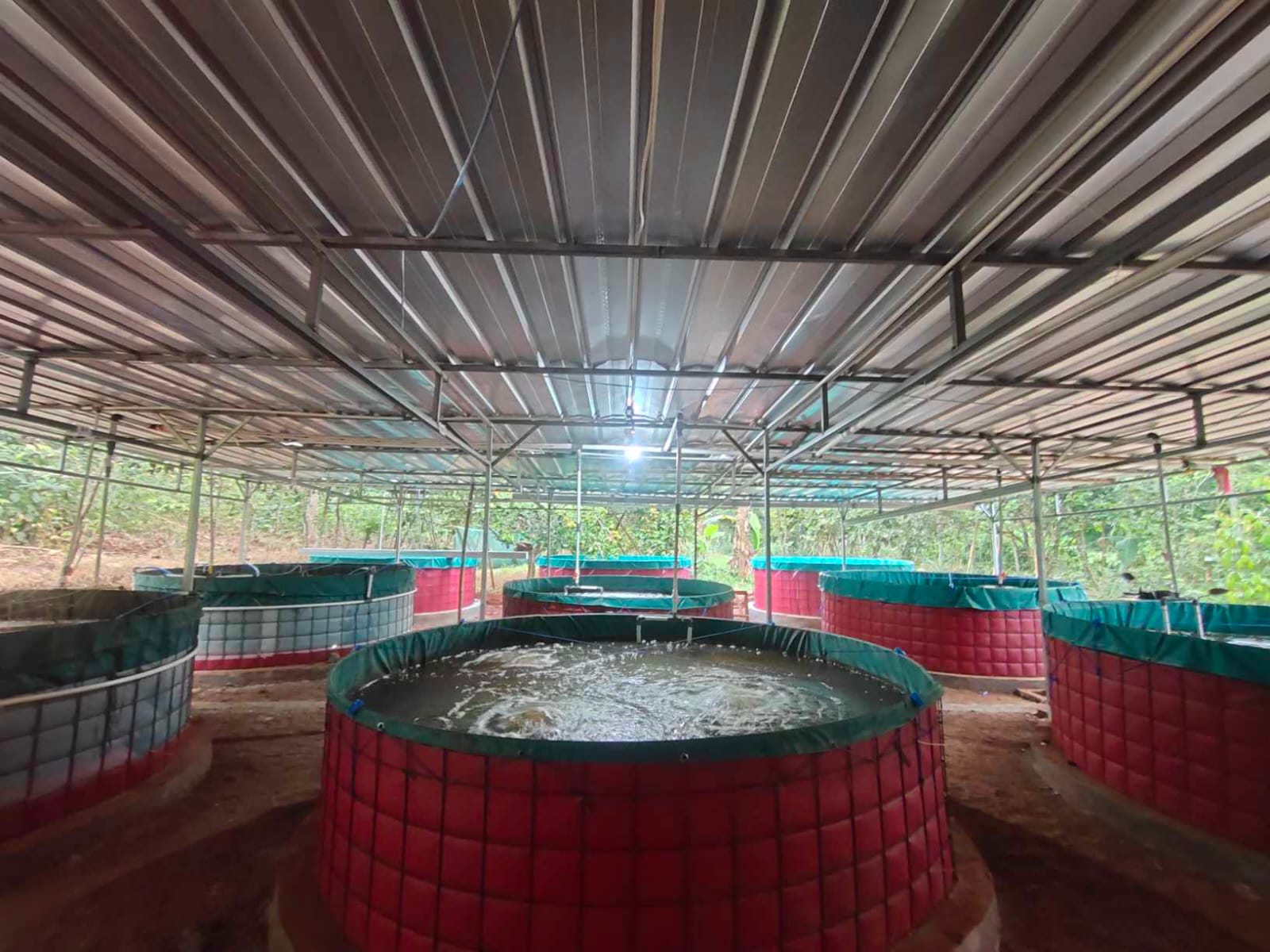
The integration of environmentally friendly technologies is a critical first step. Innovations such as Recirculating Aquaculture Systems (RAS) and biofloc technology help minimize waste and reduce the environmental impact of aquaculture. Additionally, the use of renewable energy sources, such as solar power, enhances energy efficiency within the sector.

The Recirculating Aquaculture System (RAS) facility at BPBL Lombok serves as a model for sustainable and efficient aquaculture practices: DJPB Lombok
Efficient natural resource management is another essential element. This involves optimizing the use of water, feed, and other inputs to minimize waste. For instance, utilizing locally sourced, sustainable feed materials not only reduces dependency on imported feed but also promotes resource efficiency. Reducing waste and pollution is a central focus, with strategies like adopting zero-waste principles. For example, aquaculture byproducts can be repurposed as organic fertilizers or supplementary feed, reducing environmental burdens while creating economic value.
The nucleus-plasma model also supports biodiversity conservation by restricting aquaculture activities to non-invasive species and adhering to the carrying capacity of the environment. This approach ensures that ecosystem balance is maintained. Furthermore, it includes safeguarding natural habitats near aquaculture sites, preserving their ecological integrity.
Examples of nucleus-plasma model implementation
In Indonesia, the nucleus-plasma model has been effectively implemented in the palm oil sector through the Nucleus Estate and Smallholders Program (PIR) since the 1980s. Under this scheme, large companies partner with local farmers, providing technical support, market access, and processing facilities, while farmers manage their own land. For instance, the collaboration between Asian Agri and plasma farmers has significantly boosted farmers’ incomes, reaching tens of millions of rupiah per month.
In aquaculture, a successful example can be seen in Kampung Patin Riau, where the farming of catfish (patin) is integrated with downstream product processing, such as smoked fish and shredded catfish products, marketed online. A similar approach has been adopted in shrimp farming, where core companies provide technology and high-quality feed to improve productivity and harvest quality.

The smoked pangasius production facility in Kampung Patin showcases an innovative approach to downstream processing of cultivated pangasius products
In Malaysia, a comparable model is implemented through the Federal Land Development Authority (FELDA) scheme. Here, the government opens new agricultural lands and allocates them to small-scale farmers. These farmers receive support in the form of financing, infrastructure, and market access, enabling them to achieve sustainable livelihoods.
In African nations like Ghana and Nigeria, the nucleus-plasma model is applied in the cocoa and palm oil industries. Core companies supply high-quality seeds, training, and market access, while plasma farmers manage on-ground production. This collaboration has improved yields and strengthened the economic stability of smallholder farmers.
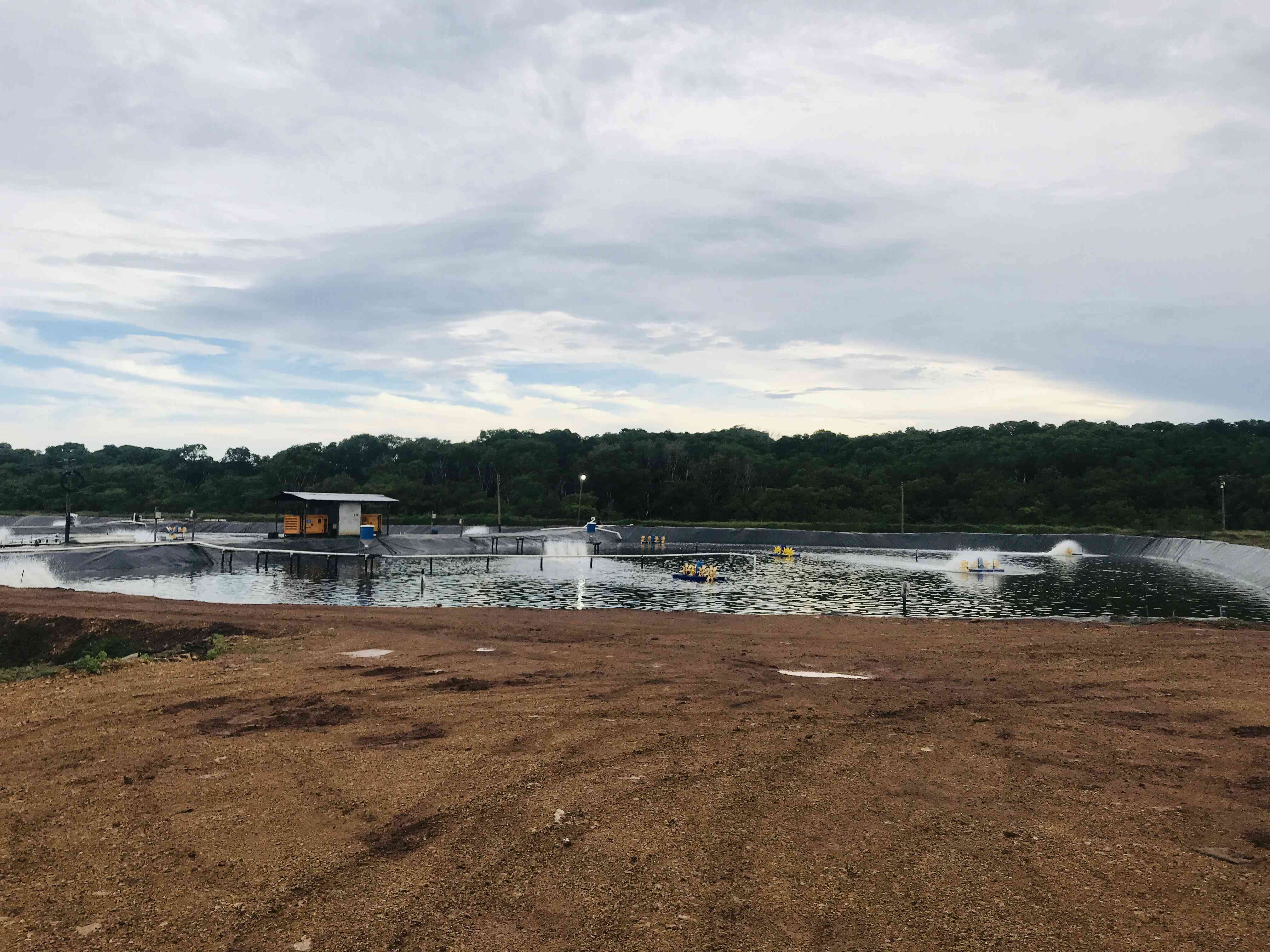
For Mauritius, the nucleus-plasma model holds great promise in aquaculture ventures such as pond-based fish farming, biofloc shrimp systems, and aquaculture product processing. Core companies can provide high-quality feed, superior seeds, and marketing infrastructure to ensure business sustainability. Meanwhile, plasma participants could be drawn from the general population, trained, and mentored to operate these businesses effectively.
Economic potential and challenges
Mauritius, with a population of approximately 1.3 million and a land area of 2,040 square kilometers, has a significant population density of around 618 people per square kilometer. This makes Mauritius one of the most densely populated countries in Africa, as cited by Kumparan.
Additionally, Mauritius is a popular tourist destination, attracting nearly 2 million international visitors annually. The combination of a dense local population and high tourist influx creates substantial demand for various products and services, including locally made goods.
The high population density and significant tourist flow present a golden opportunity for local producers to market their products. Items such as handicrafts, textiles, traditional foods, and agricultural products have considerable market potential. Tourists often seek authentic experiences, including sampling local cuisine and purchasing unique souvenirs, which can drive demand for these goods.
Implementing a nucleus-plasma model in Mauritius holds promise but faces several challenges requiring strategic solutions. A key obstacle is the lack of infrastructure to support aquaculture, including limited access to clean water, processing facilities, and the absence of local feed producers. Addressing these gaps necessitates collaboration between nucleus-plasma stakeholders and the government to ensure adequate infrastructure development, leveraging both public and private investment.
Another major challenge is the limited technical knowledge among small-scale farmers. This knowledge gap can hinder the adoption of modern technologies and efficient farming practices. Additionally, reliance on imported raw materials, such as fish feed, poses a significant barrier. Identifying and utilizing locally available resources, such as agricultural waste or underutilized marine products, could provide viable alternatives.
Finally, restrictive regulations often impede the successful implementation of the nucleus-plasma model. Policy advocacy is essential to promote the establishment of more supportive regulatory frameworks. This includes streamlining business permits, offering tax incentives, and strengthening environmental protection policies that align with sustainable aquaculture growth.