The pangasius industry has dominated the Indonesian fisheries sector as one of the main commodities. With a high level of availability and well-managed management from upstream to downstream, starting from seed production, feed, maintenance, to hatchery, as well as the spread of aquaculture production areas in various aquaculture centers throughout Indonesia, especially in South Sumatra as the center, pangasius has opened a new chapter in our fishing economy.
Related to the increase in food safety requirements enforced by the Ministry of Maritime Affairs and Fisheries (KKP) through the Indonesian National Standards (SNI), this is a golden momentum for local pangasius to excel in the domestic and international markets. With an import prohibition policy for pangasius implemented by the KKP, opportunities for the pangasius industry are increasingly wide open, stimulating domestic exploration potential.
Since the implementation of the import protection policy for pangasius fish several years ago, Indonesian pangasius has recorded an encouraging development record. In 2016, productionfish National pangasius reached a peak of 437,111 tons, experiencing a significant increase compared to 2017 which recorded a production figure of 339,069 tons. Although in 2020, national scale pangasius production only reached 408,538 tons, this does not reduce the enthusiasm of the Indonesian pangasius in competing in the global market. According to the KKP in 2022, pangasius production in 2021 had decreased to as much as332 tons, but will almost double in 2022, to 635 tons.
Full support from the KKP in monitoring and encouraging productionfish National pangasius is a key factor in maintaining the competitiveness of this industry in the global market. The Sumatra region has become the main pillar in contributing to national pangasius production. With Sumatra contributing 68.07 percent of the total national pangasius production, and South Sumatra being the largest contributor with a percentage reaching 47.23 percent. Not only South Sumatra, Riau Province is also considered to be one of the largest producers of pangasius production on the island of Sumatra. This makes Indonesia stronger in facing international market challenges.

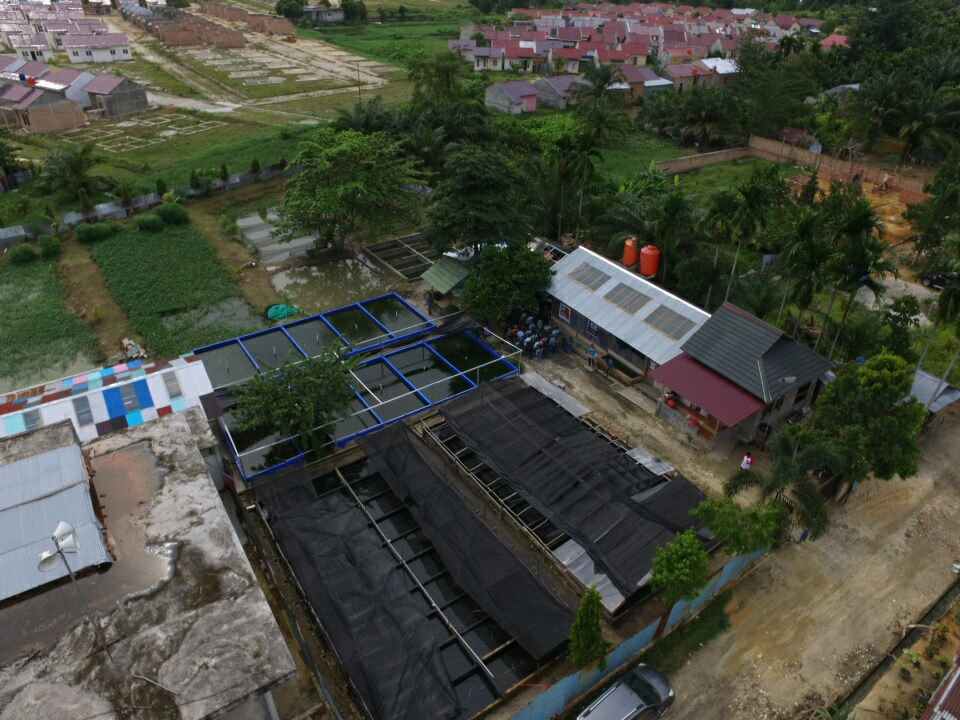
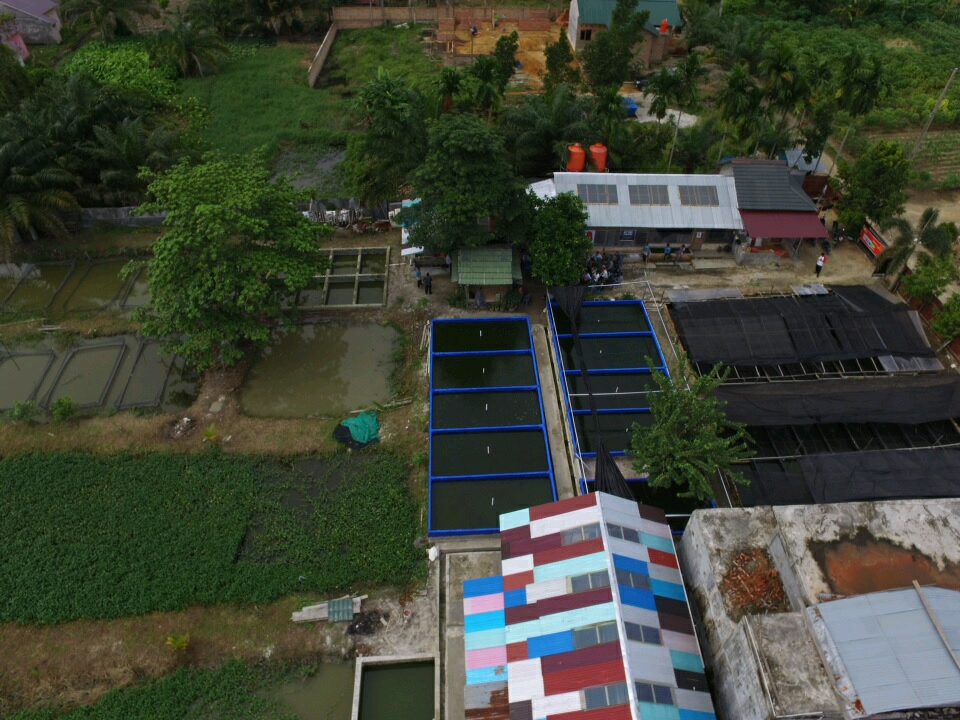
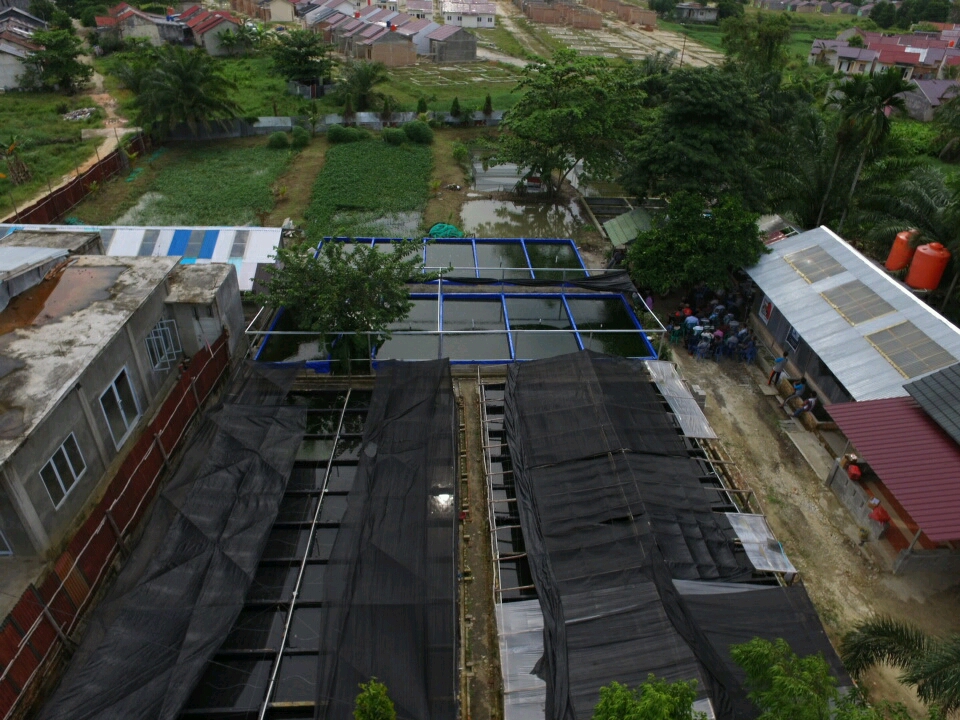
Kampung Patin, one of the pangasius producers in Riau Province
This positive momentum is also supported by the ambition of the Ministry of Maritime Affairs and Fisheries which has set ambitious targets for the aquaculture sector in 2024. With a production target of reaching 20.65 million tons worth IDR 250 trillion, or an increase of around 60 percent from 2020, Indonesia is ready to strengthen its position as a major player in the global fishing industry.
Meanwhile, domestic market demand also continues to show a consistent upward trend from year to year. Per capita consumption of pangasius fish in Indonesia continues to increase, reaching 21.9 percent from 2017 to 2020. This is directly proportional to public awareness of the consumption of pangasius to improve nutritional needs and prevent stunting which continues to increase.
From the data described above, it is clear that the production sector of Indonesian pangasius has been able to demonstrate its readiness to compete in the international market. Full support from the government through the KKP and related agencies, as well as production results that continue to increase every year, provide a solid foundation for this industry in facing global competition.
However, apart from production factors, quality standards are also a fundamental factor that should not be ignored in maintaining product competitiveness of Indonesian pangasius in the international market. This was acknowledged by Rina, as Head of the Quarantine Agency Iable to for Quality Control and Safety of Fishery Products (BKIPM) KKP. According to him, Indonesian fishery products have been successfully accepted in 150 countries spread throughout the world, which is an achievement to be grateful for. To ensure the product pangasius fish remains in demand on the international market, BKIPM continues to communicate with business actors and fisheries stakeholders to produce goods in accordance with the quality standards required by the market, including quality standards in export destination countries.
Not only that, there are 59 Indonesian fishing companies that are considered to have succeeded in meeting fisheries quality standards in the world, including in the Middle East, showing that Indonesia has taken the right steps in maintaining the quality of its products.
The Middle East region has emerged as fertile ground for Indonesia in marketing products for fish and pangasius. Data from International Trade Center (2020) revealed that during the 2017-2019 period, average demand for fishery products from Middle Eastern countries grew by 4.3% per year.The import value of Middle Eastern fishery commodities in the same period averaged around 2.64 percent of the total value of world fishery commodity imports.
In 2017, the value of imports of Middle Eastern fisheries commodities reached USD $3.05 billion and in 2019 increased to USD $3.32 billion or around 2.67 percent of the total value of world fishery commodity imports.This shows great potential that can be further explored by Indonesia in meeting these market needs.
The Head of BKIPM highlighted that Indonesia has been exporting fish, pangasius, tuna, and several other products to a number of regions in the Middle East. However, Indonesia's export achievements are still far behind when compared to neighboring countries such as Thailand and Vietnam. Of course, Thailand has challenges fisheries import market share is 71 percent in the Middle East for TTC products (tuna & skipjack) and Vietnam which dominates the market for pangasius fish throughout the world, including the Middle East, is the main focus that must be faced by Indonesia. These two countries have established their position as major players in the fishing industry in the region, and competition with countries that have established their footing in the fishing industry first is not easy.
Thailand is known for its fisheries export strength which is well established and strong in the international market. With a market share of fishery imports for TTC products (tuna & skipjack) reaching 71 percent in the Middle East, Thailand has built a solid reputation and an extensive trading network in the region. This shows that Thailand has succeeded in gaining the trust of Middle Eastern consumers through its products, fishery quality and reliable service.
On the other hand, Vietnam is no less strong in controlling the market for pangasius throughout the world including the Middle East. Vietnam has succeeded in developing effective marketing strategies and building a positive image for pangasius fish produced by his country. With competitive prices and guaranteed quality,fish Vietnamese pangasius has become the top choice for most consumers around the world.

Indonesian pangasius is ready to compete in the Middle East market
Nevertheless, the potential for the Middle East's market share to continue to grow provides a great opportunity for Indonesia to increase its exports. In facing competition with Thailand and Vietnam, Indonesia has great potential to increase its market share in the Middle East by taking the right strategic steps.
First, Indonesia needs to strengthen trade cooperation with Middle Eastern countries. A stronger and more profitable trade agreement could open the door wider for exports of Indonesian fishery products, including pangasius fish to the Middle Eastern market.
Second, improving product quality is very important. By improving quality fish Indonesian pangasius complies with international standards, as emphasized by the HeadBKIPM KKP, Indonesia can win the trust of Middle Eastern consumers and compete better with Thailand and Vietnam.
Third, taking advantage of competitive advantages in production of pangasius is a step that is no less important. Government support through the KKP in monitoring and increasing production of pangasius on a national scale and ensuring high quality standards in pangasius production will be the key to success in penetrating international markets, including the Middle East market.