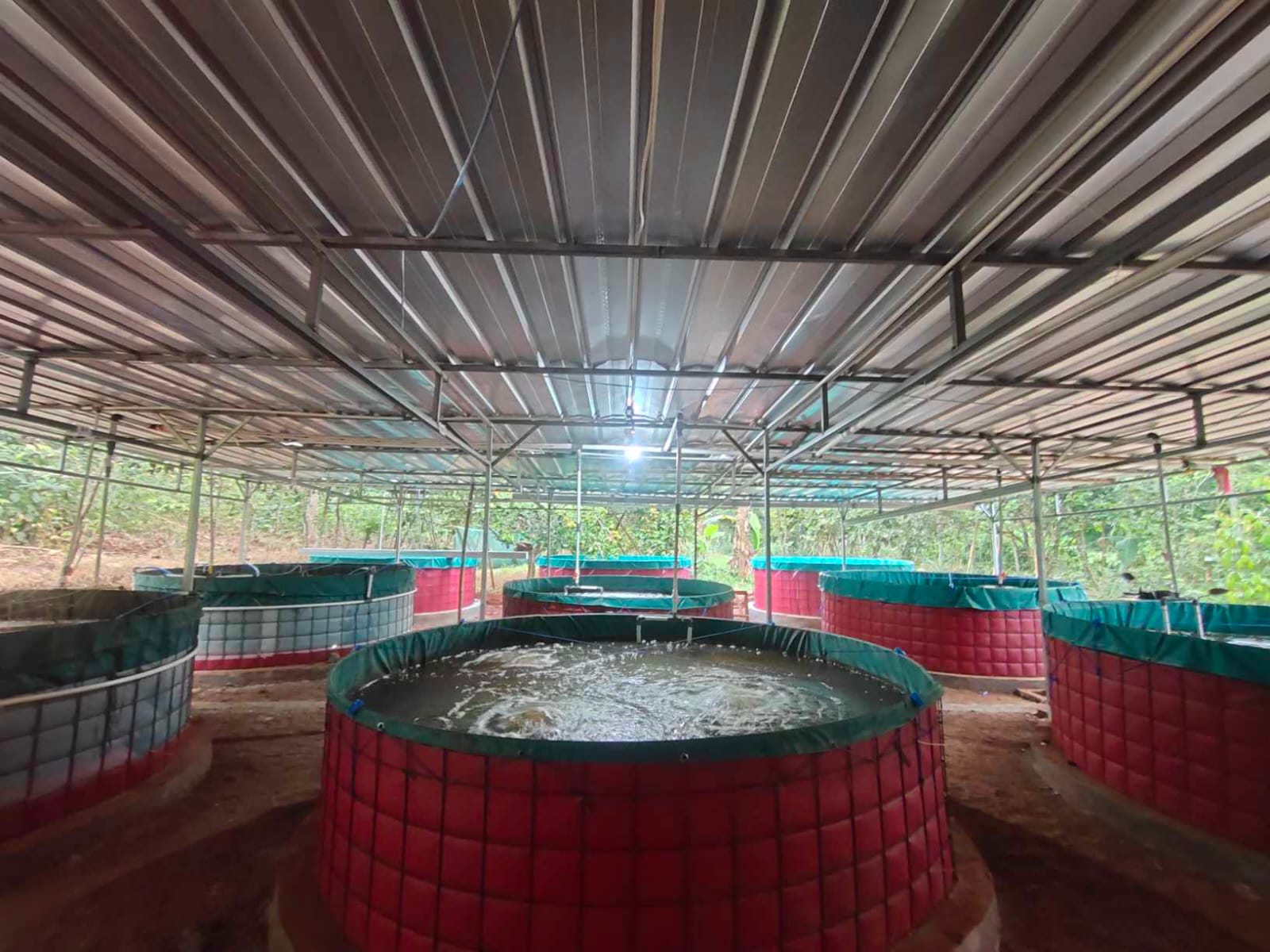
Vannamei shrimp cultivation has become the backbone of the global fishing industry, making a significant contribution to providing an important supply of animal protein for the world's population. However, the growth of this industry is also accompanied by major challenges related to maintaining environmental and economic sustainability.
One strategy that is increasingly popular in vannamei shrimp cultivation is partial harvest. This approach is considered smart because it not only focuses on increasing productivity and economic profits, but also takes into account the resulting environmental impact. Partial harvesting involves harvesting some of the shrimp from the pond at certain times during the cultivation period, which differs from the traditional approach of waiting for the final harvest to collect the entire production.
This strategy has become popular because it accommodates several main needs in vannamei shrimp cultivation. First of all, by carrying out partial harvesting, farmers can control the density of the shrimp population in the pond. Too high a density can cause competition for resources such as feed and oxygen, which in turn can stunt growth and increase the risk of disease. By harvesting a portion of the shrimp population, population density can be kept within the optimal range, ensuring healthy environmental conditions for shrimp growth.
Additionally, partial harvesting allows the remaining shrimp in the pond to have more space and resources available, which will support better growth. Larger shrimp tend to have a higher selling value on the market, so this strategy can also increase potential economic profits for farmers. By providing more space for growth, shrimp can grow larger and faster, producing a higher quality crop.
The partial harvest process should be carried out over a period of 1-3 times, with a gap between harvests of around 7-14 days. The amount of shrimp taken ranges from 20-30% of the estimated shrimp biomass in the pond, based on the estimated biomass that can still be accommodated in two weeks forward. The first partial harvest is generally carried out when the shrimp reach a weight of 10-13 grams per head or reach size 100, because at that size, shrimp are known to have quite good selling value.

Vannamei shrimp that have reached ideal weight for harvested
Benefits of partial harvest
Partial harvest is an important strategy in vannamei shrimp cultivation, with various significant benefits that can be obtained from practice. One of the main advantages of partial harvesting is the ability to produce larger shrimp in the final harvest. By reducing the shrimp biomass in the pond, the carrying capacity of the pond can be increased, allowing the remaining shrimp to grow larger and healthier.
The reduction in shrimp density in ponds obtained through partial harvesting also has a positive impact on shrimp health. By having more space and resources available, shrimp can avoid excessive competition for food and oxygen, which can cause stress and increase the risk of disease. This allows the remaining shrimp to grow better and have a stronger immune system, reducing the chance of disease attacks that could harm the harvest.
From an economic perspective, partial harvest also provides significant benefits for shrimp farmers. Larger shrimp tend to have a higher selling price in the market, because their selling value is higher and consumer demand for large shrimp tends to be higher. Thus, partial harvesting allows cultivators to gain greater economic profits from their crops.
Apart from that, partial harvest is also a strategy that can help cultivators with limited capital in maintaining sustainable cultivation costs. By harvesting portions of shrimp at regular intervals, farmers can spread their production costs over several periods, reducing the financial stress associated with a single large harvest at the end of the farming period. This allows farmers to better manage their finances and maintain the sustainability of their shrimp farming business.
However, the benefits of partial harvesting are not only limited to productivity and economic benefits. Environmental impact is also a major consideration. By controlling shrimp population density and minimizing environmental stresses such as the buildup of organic waste and the risk of disease, this practice can help maintain the balance of the ecosystem in the pond. This is important to maintain the long-term sustainability of vannamei shrimp farming, as a responsible fishing industry must consider not only financial returns, but also the impact on the environment.
Sustainability factors
When carrying out partial harvest practices in vannamei shrimp cultivation, it is important to always consider sustainability factors. By paying attention to these aspects, farmers can ensure that their farming activities not only produce economically optimal results, but also maintain the ecological balance and long-term sustainability of their shrimp farms.
One of the most important aspects in considering sustainability is maintaining the continuity of the cultivation itself. This involves efforts to avoid stress to the shrimp during the partial harvest process. Excessive stress can disrupt shrimp health and growth, and increase the risk of disease. Therefore, the harvesting process must be carried out carefully and in a planned manner, so that the shrimp do not experience excessive stress.
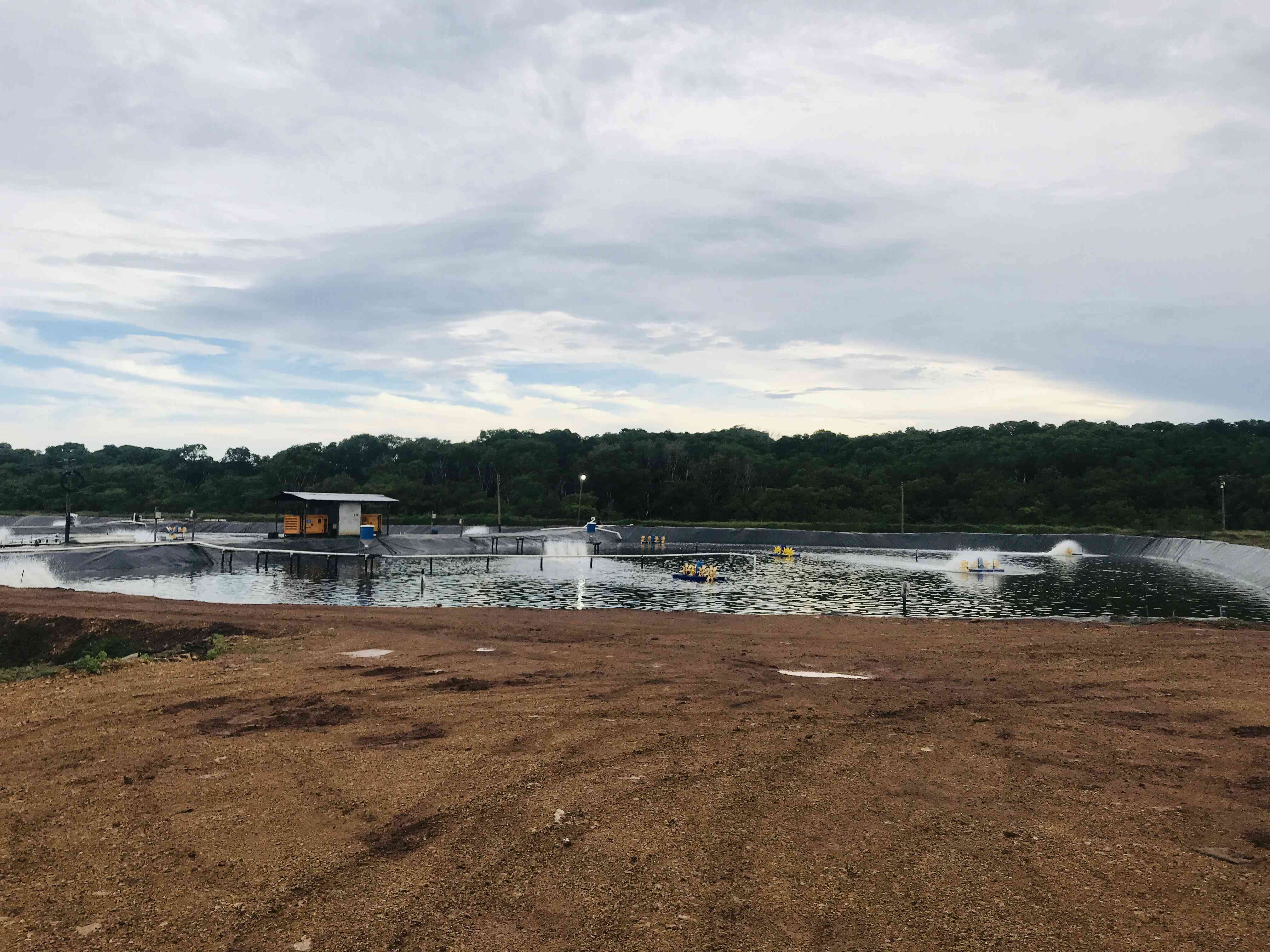
Additionally, it is important to minimize the environmental impacts resulting from partial harvest practices. One way to do this is to ensure that pond water is not completely drained or reduced during harvest. A drastic reduction in water volume can disrupt the pond ecosystem and cause detrimental environmental imbalances. Instead, choose environmentally friendly fishing equipment, such as throwing net, which can help keep the shrimp habitat maintained and undisturbed.

The shrimp harvesting process uses throwing nets
Partial harvest tips
In vannamei shrimp cultivation, the practice of partial harvest is key in ensuring the sustainability and success of the business. The first step that must be considered is the cleanliness of the equipment. Make sure all harvesting equipment is cleaned and sterilized, especially throwing nets, to prevent the spread of diseases that could harm the farm. Furthermore, providing high-quality feed is very important to maintain shrimp health. Feeding supplemented with additional vitamins, minerals and immunostimulants several days before harvest will help ensure the shrimp remain healthy and productive.
Apart from that, also pay attention to the environmental settings around the arrest location. It is recommended to turn off one or two windmills to reduce disturbance to the shrimp during the harvest process. Management of harvest time also has a significant impact; It is best to harvest when the temperature is low or when the sun is not too hot to reduce stress on the shrimp. Furthermore, it is important to ensure that the pond bottom at the fishing location remains clean and free of mud to keep the pond ecosystem balanced and functioning well.
In maintaining the sustainability of shrimp cultivation, management of shrimp populations is a key factor that must be considered carefully. It is important to ensure that the number of shrimp in the pond does not exceed 30 percent of the total population, this aims to prevent destabilization of pond conditions which could have a detrimental impact on crop yields. Furthermore, so that the harvesting process can run smoothly and efficiently, preventive measures need to be taken to prevent any shrimp from falling back into the pond during the harvesting process.
The final step which is no less important, after carrying out partial harvesting, is to remove dead shrimp from the pond. This action is very important to maintain the cleanliness and health of the pond environment, as well as preventing the potential spread of disease and detrimental ecosystem disturbances.