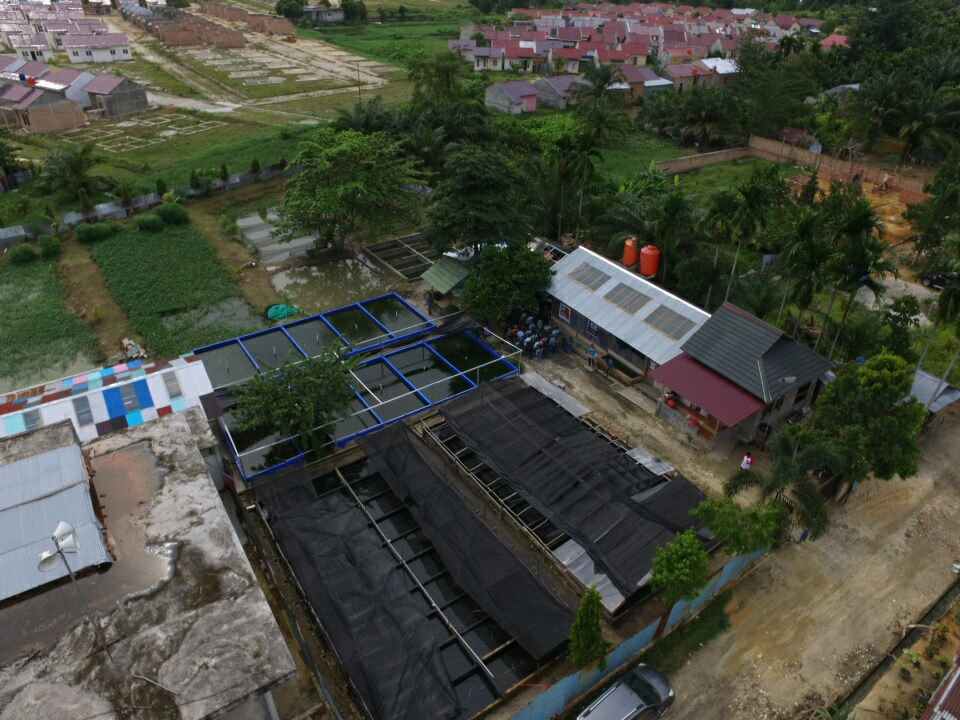
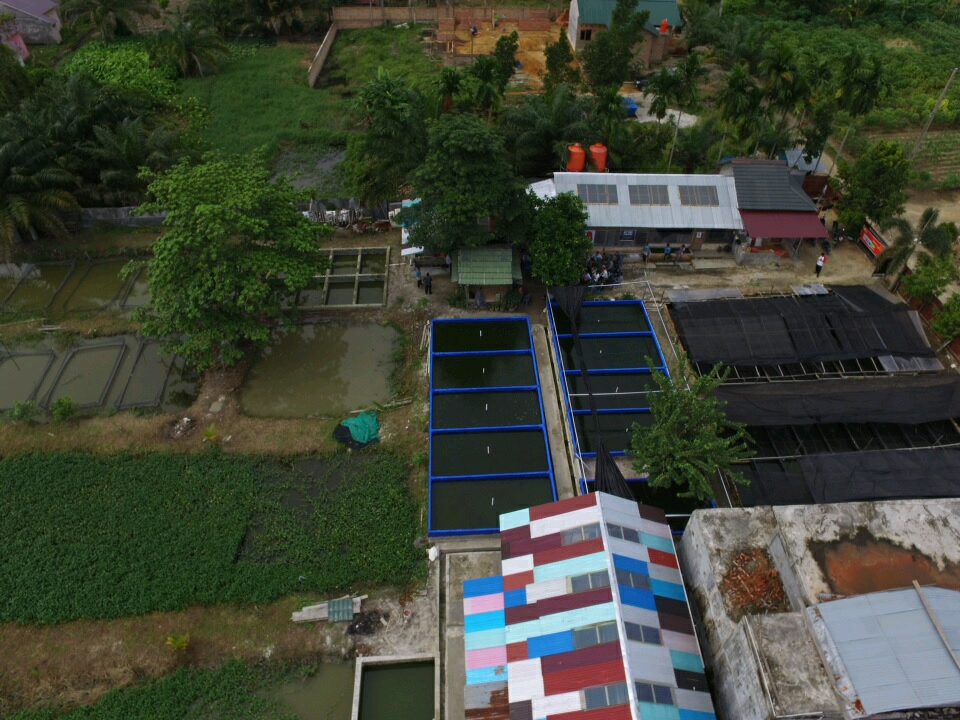
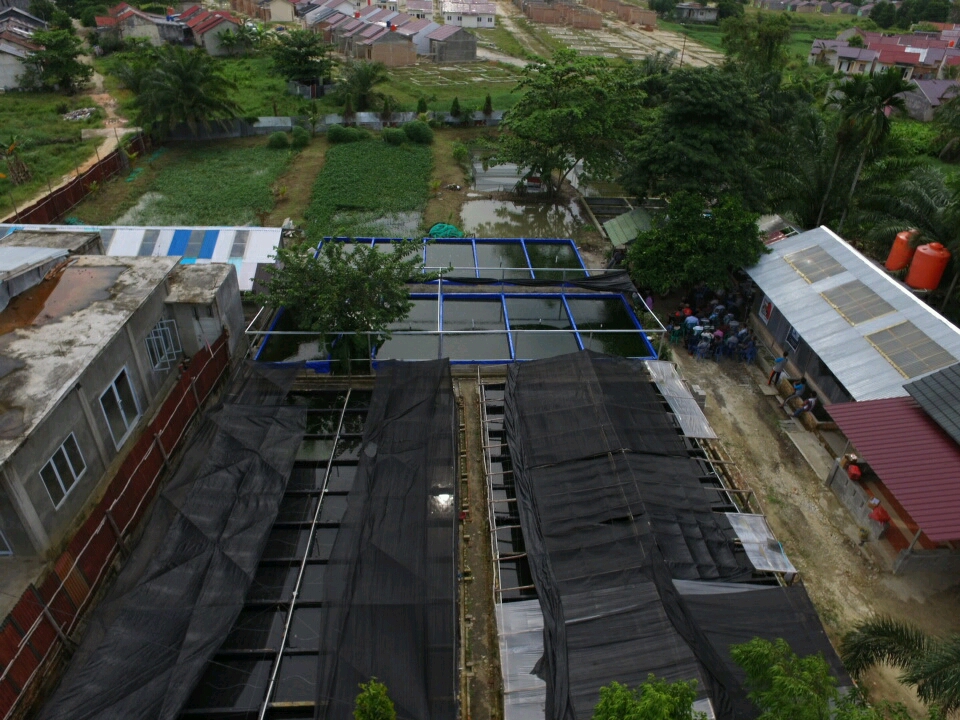
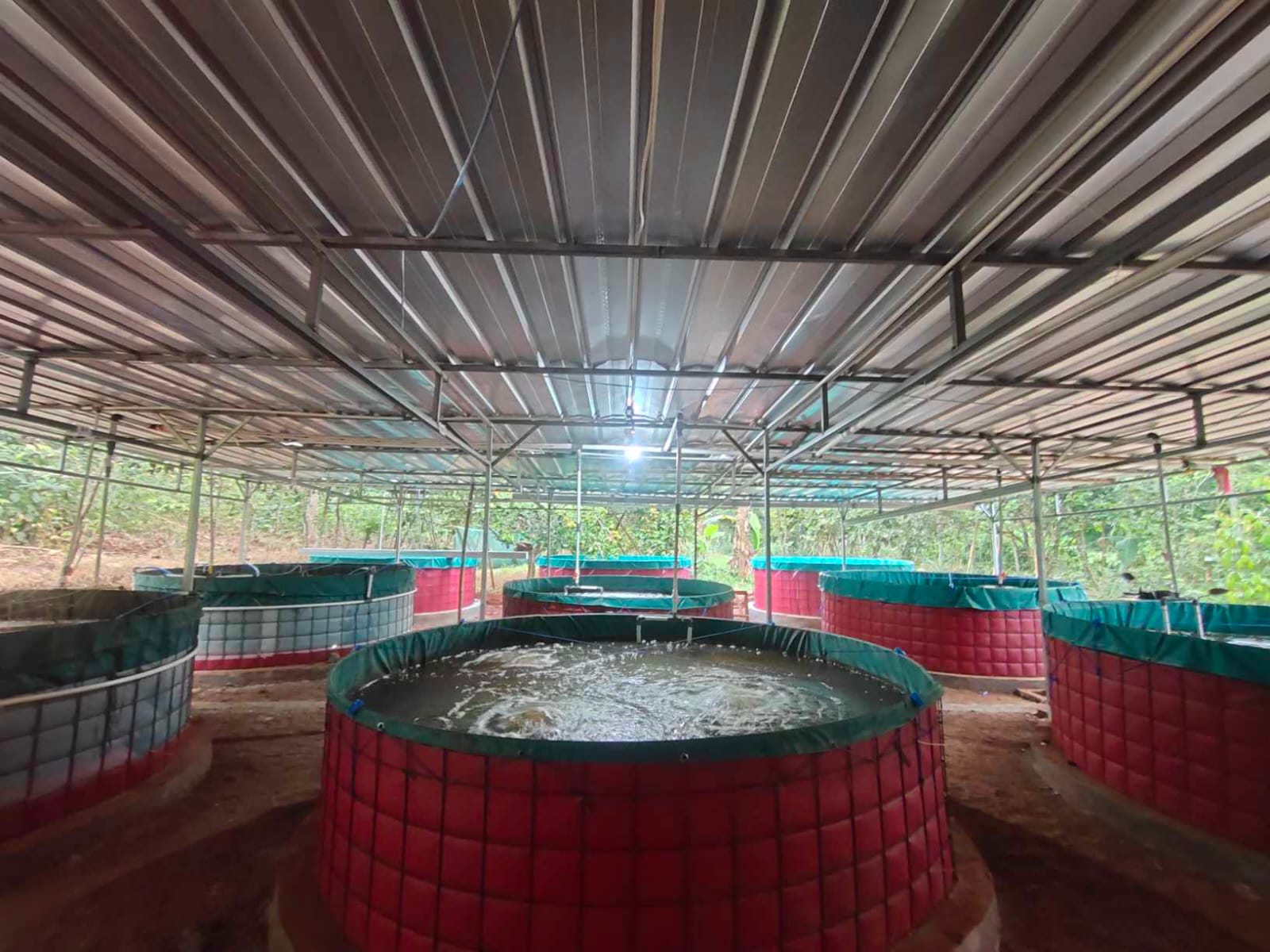
Pangasius fish is a freshwater species native to Indonesian waters that holds significant economic value. It has been successfully domesticated and has emerged as a leading commodity in the fisheries sector, thanks to its immense potential for aquaculture development. With its delicate taste and rich nutritional content, pangasius has become a sought-after product, both in domestic and international markets.
In pangasius aquaculture, selecting the appropriate farming technology or system is critical for enhancing productivity and production efficiency. This species is renowned for its exceptional adaptability to diverse environments, including its resilience in low-oxygen conditions. Such characteristics make it an ideal choice for cultivation across regions with varying water conditions.
According to recent data from Indonesia's Central Bureau of Statistics (BPS), pangasius production in the country has been steadily increasing each year. In 2022, production reached 342,297 tons, an increase from 332,035 tons in 2021 and 327,146 tons in 2020. This upward trend highlights the species' significant potential for aquaculture expansion, particularly with the adoption of more efficient and sustainable technologies.
Beyond meeting domestic market demands, pangasius fish also presents substantial export opportunities. In recent years, international demand for pangasius has grown, particularly in Asia, Europe, and the Americas, partly due to restrictions on Vietnamese pangasius imports in the United States. Consequently, implementing modern and efficient aquaculture technologies not only aims to boost production volume but also to enhance the quality of pangasius products, ensuring competitiveness in the global market.
Pangasius fish farming technology
Various technologies and cultivation systems can be applied in Pangasius farming, including biofloc systems, recirculating aquaculture systems (RAS), aquaponics, integrated agriculture-aquaculture systems, and others. Each system offers unique advantages in improving resource efficiency, maintaining environmental quality, and enhancing fish production. These technologies provide Pangasius farmers with the flexibility to select systems that align with local conditions and production requirements.
One increasingly popular trend is the adoption of the biofloc system. This technology utilizes microorganisms to convert organic waste into nutrients that can be reused by the fish. Biofloc systems not only improve feed efficiency but also help maintain water quality, thereby reducing the need for excessive water replacement. This approach is particularly suitable for intensive farming in limited spaces, offering a sustainable solution to boost productivity.
Additionally, recirculating aquaculture systems (RAS) are gaining attention in Pangasius farming. These systems enable the repeated use of water through mechanical and biological filtration, ensuring optimal water quality. With RAS, farmers can better control key environmental parameters such as temperature, pH, and oxygen levels, all of which are crucial for the growth and health of Pangasius.
Beyond these two well-known systems, another emerging innovation is the use of protein-sparing technologies. This approach focuses on reducing the reliance on protein-rich feeds while maintaining or improving fish growth and productivity. The adoption of protein-sparing technology presents a promising avenue for the sustainable development of the Pangasius farming sector.
The concept of protein-saving technology
This technology aims to replace protein as the primary energy source in fish feed with carbohydrates. The concept arises from the need to reduce the use of fishmeal, which is often the main ingredient in fish feed. Fishmeal is one of the most expensive components in feed formulations, and partially substituting protein with alternative energy sources can significantly lower production costs.
The use of protein-sparing technology is based on the fact that fish, including pangasius, do not require protein as their primary energy source. Instead, protein should be prioritized to support tissue growth in fish. By substituting a portion of the protein with carbohydrates, the energy needed for daily fish activities can be met without compromising the protein required for growth.
Protein-sparing technology emphasizes the use of fats as the main energy source to replace protein in fish feed. Fats are a vital nutrient essential for the growth and development of fish. They provide higher energy content compared to proteins and carbohydrates, making them an efficient energy source for fish. Moreover, fats contain fat-soluble vitamins such as A, D, E, and K, as well as essential fatty acids that are crucial for the health and biological functions of fish, such as maintaining cell membrane structure and boosting immune responses.
Fish utilize the nutrients in fats for various daily activities, including swimming, survival, growth, foraging, and evading predators. By utilizing fats as the primary energy source, the protein in feed can be optimally allocated to support tissue growth in fish. This approach is known as "protein sparing" or protein conservation.

Providing carbohydrate-rich feed, BPBAT Tatelu
Benefits of using fat in feed
The inclusion of fats as an energy source in fish feed offers several significant benefits:
1. Protein utilization efficiency
Fats serve as an alternative energy source, replacing protein in this role. This allows dietary protein to be allocated primarily for supporting the growth and repair of fish body tissues, optimizing its utilization.
2. High energy content
Fats provide a higher energy value compared to proteins and carbohydrates, ensuring that fish receive sufficient energy to sustain their daily activities and overall metabolic needs.
3. Essential nutrient content
Fats are a rich source of essential fatty acids, which play a critical role in biological functions. These include maintaining cell membrane integrity and supporting the immune system, both of which are vital for the health and resilience of fish.
4. Cost efficiency
Incorporating fats into fish feed can help reduce reliance on costly fishmeal by substituting it with fat-based ingredients. This substitution lowers production costs without compromising the nutritional quality of the feed.
Challenges in the use of fat in fish feed
Although the inclusion of fats in fish feed offers numerous benefits, it also presents certain challenges that must be addressed. One major concern is the limitation on fat content in feed formulations. Excessive fat levels can inhibit fish growth and lead to the accumulation of fatty acids in their bodies. Therefore, precise feed formulation is crucial to ensure that fat levels remain optimal. These formulations should balance the energy requirements of fish without adversely affecting their health and growth.
According to the Indonesian National Standard (SNI) 7548:2009, issued by the National Bureau of Statistics, the recommended maximum fat content in Pangasius fish feed is 14%. The draft standard RSNI 9043-12:2024 further specifies the fat requirements for Pangasius feed: a minimum of 5% fat for juvenile and grow-out stages, and a minimum of 7% for broodstock.
Replacing protein with fat in fish feed requires careful attention to overall nutritional balance. Fish rely on a variety of essential nutrients, including vitamins, minerals, and amino acids, to support their metabolism and growth. Disrupting this balance can hinder growth and increase the risk of health issues.
The quality of fat used in feed is another critical factor. Fat sources must be of high quality and free from contaminants. Harmful substances, such as heavy metals or toxic chemicals, can compromise fish health and reduce the safety of the final product for human consumption.
Moreover, fats must be evenly distributed within the feed to ensure uniform nutrient availability. Fats are also susceptible to oxidation, which can degrade their nutritional quality and result in rancid odors. Proper handling and storage are essential to maintain the integrity and efficacy of fat components in fish feed.
An integrated approach to protein-sparing technologies
To effectively implement protein-sparing technology in pangasius aquaculture, an integrated approach is required, encompassing the following key aspects:
1. Feed formulation
The development of optimal feed formulations is a crucial first step. The formulation must ensure a balanced composition of fats, carbohydrates, and proteins tailored to the specific needs of pangasius at various growth stages. For instance, juvenile fish require a higher protein content compared to adult fish. Continuous research and trials are essential to refine feed formulations and achieve optimal results.

Making pangasius fish feed formulation, BPSDM
2. Selection of fat sources
The choice of high-quality fat sources is critical to the success of protein-sparing technology. Fats, such as fish oil, vegetable oils, or animal fats, should be rich in essential fatty acids like omega-3 and omega-6. Additionally, these fat sources must be free from contaminants such as heavy metals or harmful chemicals that could adversely affect fish health.
3. Fish health monitoring
Routine monitoring of fish health and growth is essential to ensure that changes in feed composition do not have negative impacts. Parameters such as growth rates, feed conversion ratios, and the physical condition of the fish should be regularly evaluated. Early identification and resolution of issues can prevent significant losses and maintain optimal production.
4. Efficient feed processing
Feed processing should utilize advanced technologies to preserve the nutritional stability of ingredients, including fats. This involves the use of high-tech machinery to ensure uniform feed quality and prevent lipid oxidation. The inclusion of natural antioxidants during processing can also help maintain fat quality during storage.
5. Performance evaluation
Regular assessments of feed efficiency and production outcomes are vital to evaluate the effectiveness of protein-sparing technology. Key performance indicators, such as feed conversion ratio (FCR), specific growth rate (SGR), and harvest quality, should be thoroughly analyzed. Consistent performance evaluation allows aquaculture practitioners to refine their methods and continuously improve production efficiency.