
The prevailing trajectory of freshwater aquaculture throughout the Indonesian archipelago, particularly regarding the commercial cultivation of catfish (Clarias sp.), continues to demonstrate a robustly exponential growth curve, occupying an exceptionally strategic position within the government's comprehensive blueprint for long-term national food security. According to official data released by the Ministry of Marine Affairs and Fisheries (KKP), the national aquaculture sector is actively targeted for continuous expansion, a directive that is heavily aligned with the sustainable principles of the blue economy. During the first semester of 2024 alone, the realized production volume of Indonesia's aquaculture sector successfully touched the figure of 3.34 million tonnes, which contributes a significant percentage toward fulfilling the ambitious annual target of 12.5 million tonnes. This striking growth robustly represents the strong commitment of the government, in tandem with industry players, to permanently shift the economic focal point from capture fisheries toward an aquaculture model that is significantly more measurable, environmentally sustainable, and capable of generating high economic added value.
Behind these highly promising macroeconomic figures, however, the catfish aquaculture supply chain at the grassroots farmer level actually still harbors a systemic vulnerability that is often neglected: the absence, or minimal application, of the nursery phase. The nursery phase functions as a critical bridge between the highly controlled hatchery phase (larval stage) and the final grow-out phase. At present, the practice that is generally encountered among conventional fish farmers in Indonesia involves directly stocking seeds of a very small size measuring 2 to 3 centimeters (0.8 to 1.2 inches) into large-scale grow-out ponds. This widespread practice is visibly evidenced by the fact that larger juvenile catfish seeds (such as the 7 to 9 centimeters, or 2.8 to 3.5 inches, and the 9 to 12 centimeters, or 3.5 to 4.7 inches sizes) remain quite scarce in the commercial market, because this intermediate stage is generally bypassed by hatchery operators.
Empirically and through the rigid lens of business feasibility calculations, skipping the nursery phase represents a step with an exceptionally high financial risk profile. Success in meticulously executing the nursery phase is not merely about suppressing the mortality rate of the seeds; rather, it represents a strategic aquaculture ecosystem engineering approach (Creating Shared Value) to ensure that the capital investment deployed in the grow-out stage will ultimately yield maximal profit margins. The structured application of the nursery phase is highly aligned with the sociopreneur vision of "Connecting Farmers for a Better Indonesia," wherein the proactive mitigation of biological risks at the beginning of the cycle directly culminates in the stability of the farmers' economic welfare at the end of the cultivation cycle.
The following is a comprehensive elaboration regarding the fundamental reasons why the nursery phase serves as a crucial pillar that directly determines the success rate of catfish grow-out:
Increasing the survival rate through controlled adaptation
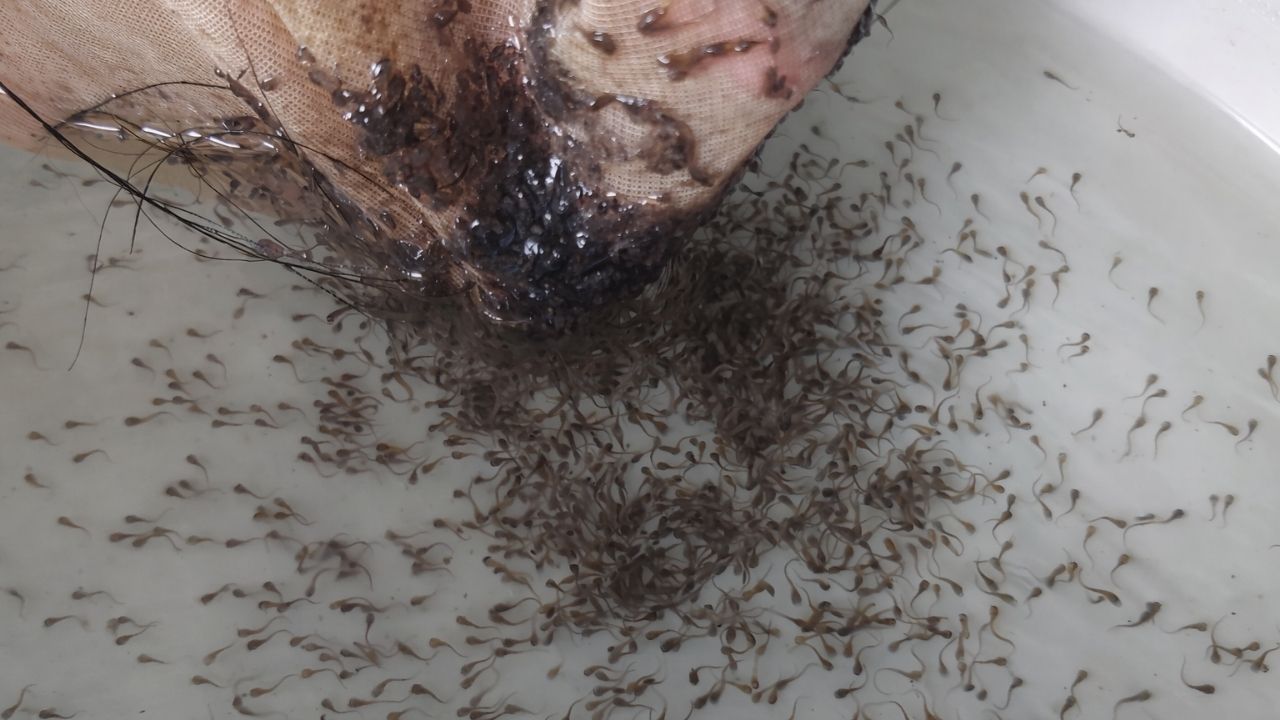
Catfish at the early seed stage, particularly those at the extremely delicate 2 to 3 centimeters (0.8 to 1.2 inches) size exist at a point of extreme physiological vulnerability. During this early life phase, the immunological system, the complex osmoregulatory mechanisms, and the vital organ functions of the fish have not yet developed perfectly. Stocking seeds this small directly into open grow-out ponds, which generally have a water volume that is significantly larger, a highly fluctuating depth level, and direct exposure to extreme weather changes and temperature anomalies, will immediately trigger an environmental shock. This sudden shock routinely results in a high mortality rate or a severe plummet in the overall Survival Rate (SR). The mass mortality of seeds is often caused by the failure of the physiological adaptation process from the highly sterile hatchery pond environment to the grow-out pond, which is heavily laden with fluctuating organic matter.
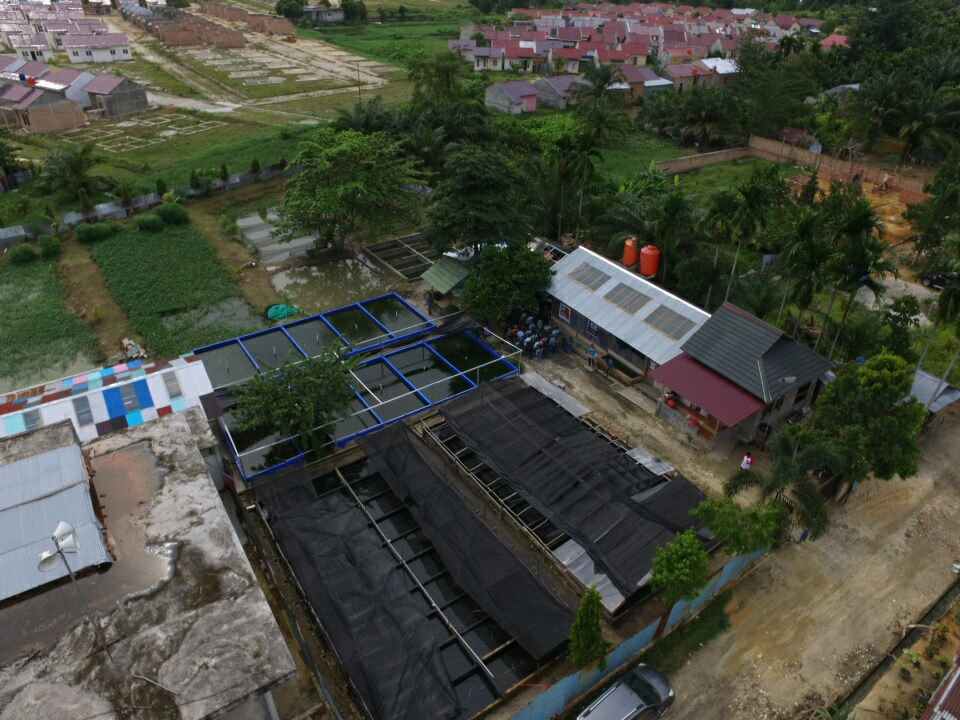
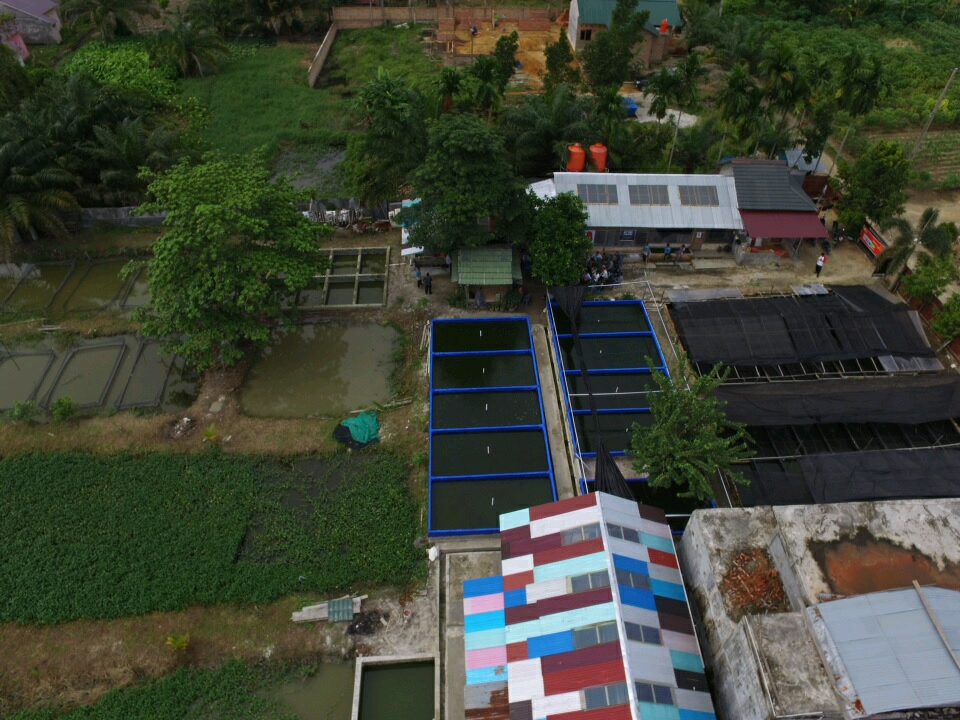
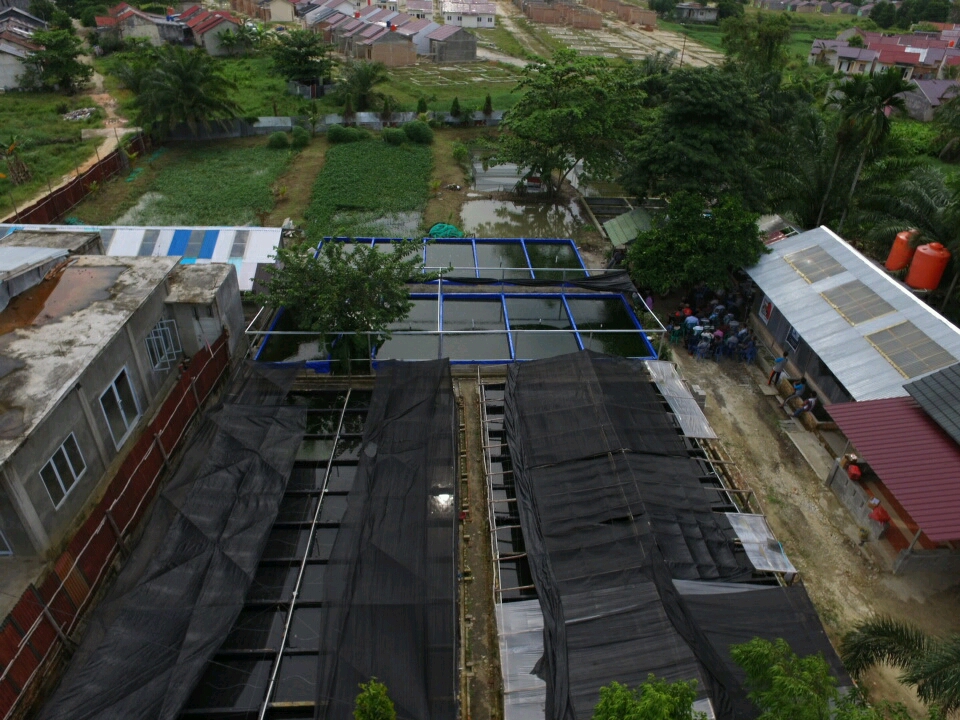
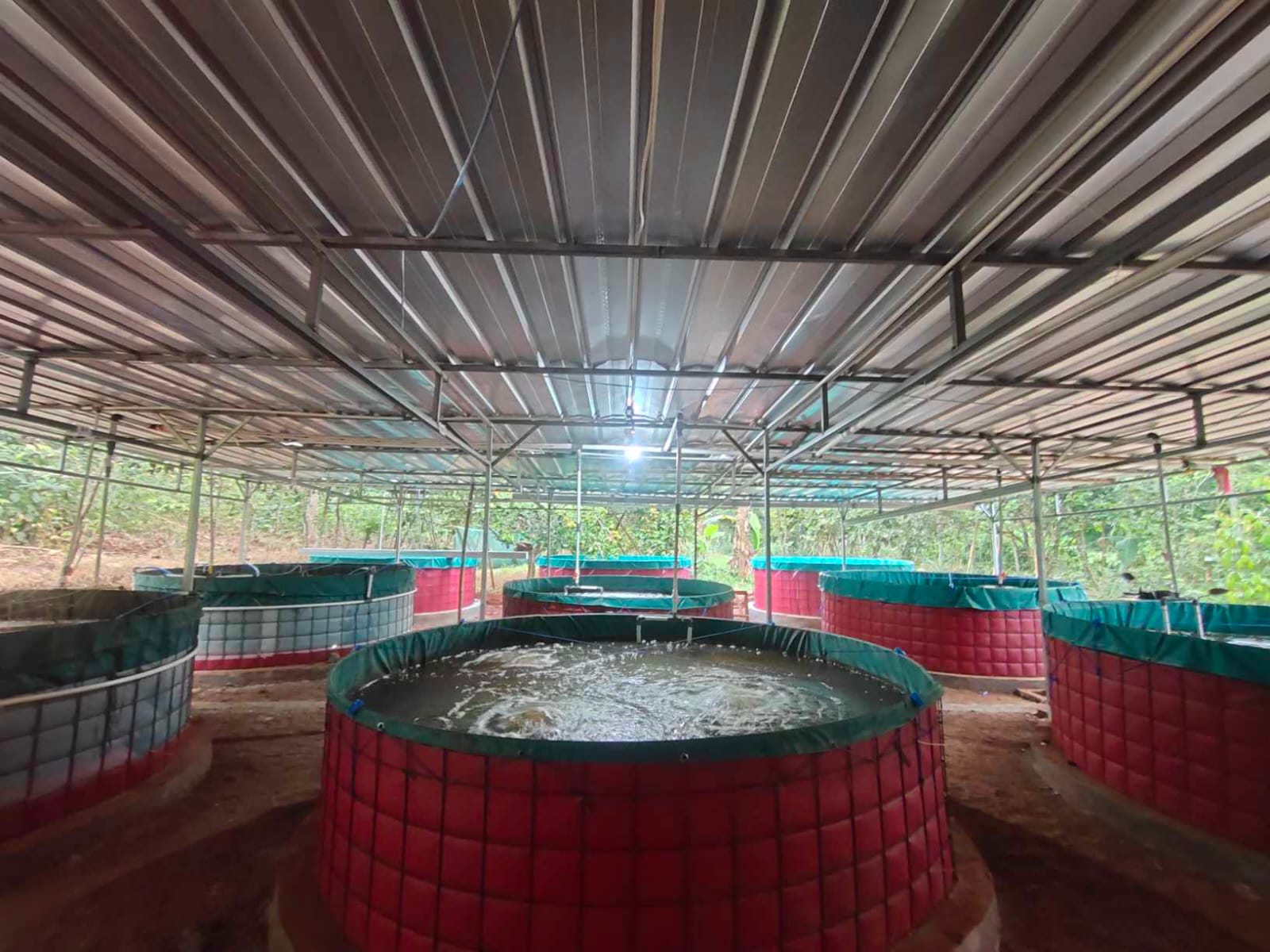
The nursery phase effectively functions as a buffer zone, allowing the fish seeds to be carefully conditioned in rearing containers that are far more precise in size, meticulously controlled, and highly protected from external weather anomalies. Intensive nursery systems whether they actively utilize concrete ponds, fiberglass tanks, or the circulated "budikdamber" (cultivating fish in buckets) method facilitate farmers in strictly calibrating the biochemical parameters of the water on a daily basis. This adaptation, which is carried out in a measured and gradual manner, not only prevents severe osmotic stress but also acts as a rigorous mechanism of natural selection. Seeds that possess genetic defects or display weak vigor will be automatically eliminated from the ecosystem, ensuring that the population eventually transferred to the grow-out stage consists exclusively of seeds that are truly healthy (viva), agile, and equipped with resilient internal immunity.
To definitively guarantee that the survival rate of the seeds reaches an optimal ratio (above 85 percent), nursery management strictly demands absolute compliance with rigorous water quality standards. The following are the essential water quality indicators that are crucial to monitor constantly during the nursery phase:

Reducing cannibalism rates through grading management
One of the most profound biological obstacles encountered in the cultivation of catfish (Clarias gariepinus) is the aggressively carnivorous nature that naturally drives cannibalistic behavior. This inherent cannibalistic tendency can escalate destructively if there is a glaring disparity in body size within the exact same stocking container population. Catfish possessing a more dominant growth genotype will not hesitate for a moment to prey upon other individuals of a smaller size, a predatory dynamic that ultimately destroys the final survival percentage of the harvest and entirely ruins the overall feed conversion ratio calculations.
The application of the nursery phase provides a highly vital space for mechanical intervention, namely the continuous grading or sorting process. Technically speaking, grading is a specialized procedure involving the measured separation of the fish population, utilizing specially specified sorting tubs or buckets to actively ensure that all seeds within a single rearing pond possess a strictly uniform body length and mouth opening size.
To monitor the growth curve meticulously and completely eliminate the biological risk of cannibalism, this grading process is mandatory and must be conducted routinely. Intensive nursery practices highly recommend that periodic sorting cycles be performed strictly once every two weeks (14 days) over the total duration of the nursery cycle, which usually takes between 4 to 6 weeks to complete. By standardizing the physical size of the biomass, the competition within the localized aquatic ecosystem becomes entirely balanced. Uniformity acts as equity in nutritional access; fish no longer have to violently fight for feed based on an established physical hierarchy, nor are they intimidated by larger dominant individuals, effectively ensuring that nutritional absorption is distributed evenly across the entire fish population.
Suppressing the innate hunting instincts of catfish also depends heavily on the established rhythm of feeding frequency. Considering that the stomach of a larval fish still possesses a very small carrying capacity but operates with an exceptionally rapid digestion rate, farmers are strongly encouraged to apply the strategic feeding principle of "small but frequent". Providing small portions of specialized feed once every 2 to 3 hours will safely ensure that the stomach is never entirely empty, a practice that will significantly minimize the aggressive nature of the seeds.

Grading of catfish seeds that will subsequently be restocked for further nursery rearing: BPBAT Tatelu
Feed efficiency and growth nutrition management
A fundamental error that often occurs in conventional aquaculture management is broadly generalizing the precise nutritional quality between the nursery phase and the final grow-out phase. In reality, the complex macronutritional requirements of catfish are highly dynamic and change sharply alongside their rapidly increasing age. The nursery phase represents an unparalleled period of absolute exponential growth, wherein the fish's metabolic system will aggressively prioritize every single unit of absorbed nutrition toward the division of cell numbers (hyperplasia), the enlargement of muscle cell volume (hypertrophy), and the critical maturation of vital organs and immunological glands.
Consequently, fish seeds navigating the nursery phase are in dire need of artificial feed (pellets) with a highly specific formulation, featuring a concentrated protein content that far exceeds the standard dietary needs of adult fish. If, during the grow-out (consumption) phase, catfish generally only require a protein level of around 28 percent to 32 percent, the nursery phase absolutely demands the intensive intake of premium quality pellet feed strictly aligned with specific macronutritional parameters. This begins with an extra-high crude protein content of at least 39 percent to 40 percent, which plays a crucially important role as the primary building block for the structural tissues of the fish. This ensures that internal organs form perfectly to support high daily growth rates; if this vital nutrition is lacking, the underlying risk of cannibalism will increase drastically as an instinctual effort by the fish to systematically patch the amino acid deficit by consuming their peers.
Furthermore, the feed requires a minimum of 5 percent crude fat, which efficiently provides highly dense calories and concentrated energy for the exceptionally active movements of the seeds, while also functioning as an essential biological solvent for the core vitamins that build overall bodily immunity. This must be balanced with a low maximum crude fiber content of 4 percent, a deliberate parameter that thoughtfully takes into account the fragile anatomy of the seed's digestive system, which is still quite simple and has not yet developed the enzymatic capacity to safely break down complex structural carbohydrates in large quantities. Quality is further monitored via an ash content maximum of 11 percent, an indicator that the feed utilizes exceptionally high-quality raw materials (such as pure unadulterated fish meal) without the addition of harmful inorganics or excessive bone residue that the sensitive larval stomach would find immensely difficult to digest. Finally, a strict maximum moisture content of 10 percent reliably guarantees the hygiene of the commercial feed during prolonged storage, serving to completely prevent the dangerous emergence of toxic aflatoxins directly caused by insidious fungal contamination.
Fulfilling these rigorous nutritional requirements with immense precision and control during the nursery phase will produce a powerful "carry-over effect" that heavily impacts the holistic economic value of the cultivation. Catfish seeds whose internal growth is optimally spurred from the very beginning will permanently possess a mature gastrointestinal (digestive) anatomical structure and a highly elastic stomach wall. As a direct result, when these robust seeds having safely reached the 9 to 12 centimeters (3.5 to 4.7 inches) size are subsequently introduced to the final grow-out stage, their metabolic processes become highly stable, and their rate of energy absorption from the standard feed is entirely maximized. This profound biological efficiency ultimately culminates in the achievement of a highly optimal Feed Conversion Ratio (FCR), which continuously operates as the central key in heavily reducing the largest operational expenditure (OpEx) across the entirety of the aquaculture chain.
Shortening the grow-out cycle and stabilizing cash flow
Within the highly competitive landscape of fisheries agribusiness, time efficiency is the direct equivalent of aggressively cutting structural operational costs. Ignoring the nursery phase by irresponsibly stocking small-sized seeds (2 to 3 centimeters, or 0.8 to 1.2 inches) directly into large grow-out ponds is not only highly risky from a biological standpoint but is also tremendously uneconomical from a strict financial analysis perspective. To successfully reach a highly consumable commercial harvest size (approximately 8 to 11 fish per kilogram, or 3.6 to 5.0 fish per pound), fragile seeds measuring 2 to 3 centimeters require an exceptionally long rearing period, taking as much as 3.5 to 4 full months. Throughout those four agonizing months, the primary utility of the pond assets remains entirely locked, while accompanying operational expenses—such as daily labor, water pump electricity, constant aeration, and chemical water supplements—will continue to blindly swell with each passing day.
Conversely, substituting this antiquated paradigm by proactively introducing nursery-reared seeds that have safely reached a highly strong juvenile stage for example, seeds graded cleanly at the 7 to 9 centimeters (2.8 to 3.5 inches) or the 9 to 12 centimeters (3.5 to 4.7 inches) sizes will fundamentally revolutionize and drastically shorten the production cycle chain. Fish properly stocked at this advanced developmental phase only require an expedited rearing period of 2 to a maximum of 2.5 months inside the primary grow-out pond to definitively surpass the commercial consumption selling weight.
In terms of macro-level financial analysis, this significant shrinkage of the overall rearing cycle by up to 50 percent offers immense profitability implications that fundamentally alter the entire business feasibility map, often expressed as the Return Cost of Ratio (RCR). Primarily, a significantly faster harvesting cycle directly creates an acceleration of capital turnover and cash flow, meaning that the invested capital (expertly encompassing both Capital Expenditure and Operational Expenditure) can be quickly liquidated back into liquid cash. This aggressive velocity allows the diligent farmer to reinvest immediate profits to rapidly expand the scale of the enterprise entirely without needing to rely on burdensome external debt.
This speed translates directly to increasing the annual harvest frequency. Through the widely conventional system of stocking 2 to 3 centimeter seeds, a dedicated farmer might only be able to harvest their primary grow-out pond exactly 3 times in a single calendar year. However, with the strategic integration of the late-nursery seed stocking method (9 to 12 centimeters), the daily intensity of pond rotation can be aggressively pushed to successfully produce 5 to 6 consumption harvest cycles annually. Consequently, shortening the costly holding time at the grow-out facilities naturally forces a heavy reduction of fixed costs. This reduced waiting period notably lowers the technical depreciation ratio of expensive aquaculture infrastructure, such as protective tarpaulins, high-capacity water pumps, and mechanical aerators, directly and predictably widening the final net profit margin.
Although in terms of sheer initial investment, purchasing the robust 9 to 12 centimeters seeds commands a noticeably higher premium price (ranging between Rp 1,000 to Rp 1,400 per fish), or the intermediate 7 to 9 centimeters size (around Rp 135 to Rp 145 per fish), when strictly compared to the vulnerable 2 to 3 centimeters seeds (Rp 50 to Rp 70 per fish), the final rigorous calculations undeniably prove their worth. Actively trimming the mortality risk, accelerating the harvest velocity, and optimizing FCR efficiency will inevitably yield an operational profit projection that is profoundly more rational, highly certain, and sustainably profitable over the long term.
Disease resistance through nursery biosecurity
The nursery phase is essentially akin to a specialized incubator facility expertly designed to build and permanently mature the immunological shield of the fragile fish before they are finally released into the high-risk, unconstrained environment of the open grow-out ponds. At a very young age, catfish seeds are highly vulnerable to contracting devastating freshwater endemic pathogen outbreaks, the most completely destructive of which are lethal infections from the gram-negative bacteria group Aeromonas hydrophila.
This lethal pathogen is the direct etiological agent responsible for the horrific Motile Aeromonad Septicemia (MAS) outbreak, an incredibly progressive systemic disease characterized clinically by severe subcutaneous bleeding (hemorrhaging), gaping open ulcers or lesions actively deteriorating the skin's surface, massive fluid swelling trapped in the abdominal cavity (dropsy), and aggressive necrosis that totally ravages the liver and kidney tissues of the dying fish. Without heavily adequate health management, an unchecked MAS outbreak can violently wipe out 80 percent to 100 percent of the entire catfish larval population in just a terrifying matter of a few short days.
Therefore, the nursery phase is highly positioned as an absolute golden period to actively inject the fish with internal bodily resistance (antibodies) through advanced biosecurity management that categorically does not rely on synthetic antibiotics—especially considering the severe biological danger of carcinogenic residues and the rapidly peaking global crisis of antimicrobial resistance (AMR). This immense reinforcement of immunity is safely applied via the meticulous integration of three primary holistic approaches.
The first defense relies on the administration of modulator probiotics, which involves systematically integrating superior probiotic microbiome agents, highly regarded strains such as Bacillus sp. or Lactobacillus casei, directly into the rearing water media or routinely mixing them deeply with fermented pellet feed. The robust probiotic bacteria will compete spatially and completely cut off the critical nutritional access (competitive exclusion) for any pathogenic bacteria attempting to colonize inside the fish's intestines. The regular application of Bacillus during this specific phase is clinically proven to be highly capable of safely increasing macrophage production, actively boosting the cellular phagocytosis process, and fiercely protecting the survival rate of the catfish seeds to greatly surpass 92 percent even when faced head-on with the deadly threat of MAS.
Second, natural immunostimulant supplementation serves as the absolute perfect time to organically fortify the specialized feed using pure herbal phytobiotics. Potent natural rhizome extracts and traditional herbal ingredients, such as crushed garlic (Allium sativum)—which is exceptionally rich in the highly bioactive compound allicin—as well as chamberbitter leaves (Phyllanthus niruri), are mixed proportionately into the daily feed. This complex botanical concoction acts directly as a highly potent immunomodulator to actively trigger a massive surge in the number of white blood cells (leukocytes) and circulating erythrocytes, strongly ensuring that the antigen cells of the fish's body permanently remain in a heightened state of absolute combat readiness.
Lastly, because one of the most disastrous hidden sources of mass infection secretly enters through high-nutritional-value natural feed, specifically highly sought-after sludge worms (Tubifex sp.) an antibiotic-free disinfection protocol is paramount. Sludge worms are generally harvested directly from heavily organic river sediments that covertly act as sprawling nests for deadly pathogens. The stringent sterilization innovation deeply recommended within the Banglele Indonesia ecosystem is to forcefully deactivate all disease agents completely before the live worms are ever fed to the sensitive larvae. This uncompromising process strictly demands safely soaking the sludge worms in a remarkably low-dose formalin solution (400 ppm) for exactly 30 minutes to aggressively eradicate millions of pathogen colonies (CFU) fully down to zero. Afterwards, it unequivocally must be accompanied by a rigorous double rinse process using clean running water to totally erase all traces of formalin residues. The incredibly triumphant end result is a highly potent super-protein natural feed intake that is exactly 100 percent hygienic and strongly supports the immediate resurgence of the catfish seed's overall body mass.

Feeding sludge worms to catfish seeds measuring 2 to 5 centimeters in the nursery tank: BPBAT Tatelu
Business aspects
Eliminating or flippantly trivializing the nursery phase entirely within the overarching architectural system of catfish aquaculture, and prematurely stocking incredibly early-age seeds directly into the highly unpredictable open waters of a grow-out pond, establishes a profoundly fatal precedent that exponentially multiplies the dreaded operational bankruptcy risk index.
From the elevated perspectives of modern macroeconomics and advanced applied science, the Nursery Phase unequivocally must be recognized as an absolutely fundamental instrument deeply embedded within the framework of contemporary aquaculture risk management. Success in meticulously executing this highly structured stage will ultimately lead straight to the birth of a remarkably robust and highly insulated business portfolio. Farmers who tenaciously and professionally safeguard the nursery phase will undoubtedly harvest massive biological dividends directly in the form of the ready availability of highly homogeneous stocking material that is uniform in physical size, overwhelmingly superior immunological systems, and an extraordinarily efficient overall feed nutrient absorption rate (FCR).
These three unwavering pillars of biological excellence simultaneously hold a highly critical role in proactively suppressing any potential financial losses during the immensely capital-intensive final rearing stage. Ultimately, a thoroughly structured transition actively moving toward the widespread implementation of a rigorously science-backed nursery phase not only definitively guarantees the rock-solid stability of profitability ratios and exponentially multiplies the annual velocity of capital turnover (cash flow), but it simultaneously serves as a deeply tangible manifestation of the inspiring sociopreneur spirit. This exceptionally thoughtful approach flawlessly ensures that the ongoing empowerment of local freshwater aquaculture in Indonesia continues to aggressively contribute to permanently breaking the systemic chains of poverty, cementing an entirely independent, deeply sustainable, and fiercely economically self-reliant national food security granary.