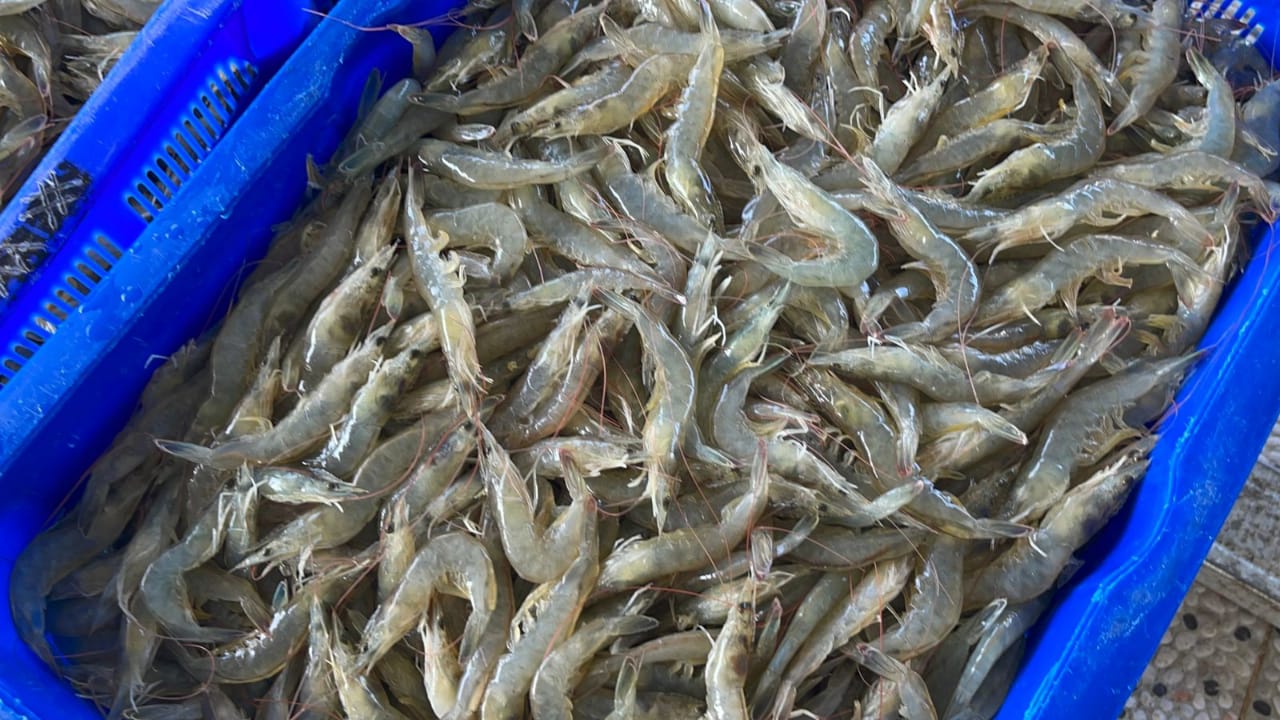

Vannamei shrimp (Litopenaeus vannamei) or also known as Pacific White Shrimp, West Coast White Shrimp, and Camaron Blanco Langostino are quite popular cultivated animals in Indonesia. Morphologically, vannamei shrimp consists of a head that is fused to the chest. This part is often referred to as the head-chest or cephalothorax. This fused part consists of 13 segments, with 5 segments being the head and the rest being in the chest (Admin dkpp, 2019).
Cultivating vannamei shrimp in brackish waters is increasingly popular because their immune system is high against disease, so the mortality rate for these shrimp is relatively low. Apart from that, vannamei shrimp cultivation also has a fairly high level of productivity. Vannamei shrimp cultivation is currently one of the important activities in Indonesia, especially in Probolinggo Regency, East Java. East Java is one of the largest shrimp industry centers in Indonesia, especially vannamei shrimp. Various types of shrimp business activities, from hatching, maintenance, to storage, as well as shrimp processing factories are available in East Java.
The increasing popularity of vannamei shrimp cultivation cannot be separated from the many advantages of its cultivation, including the following:
1. Tolerant of low salinity
One of the main advantages of vannamei shrimp is its ability to survive in various water salinity conditions. This is due to nature euryhaline which is owned by the vannamei shrimp species. Characteristic Euryhaline This allows vannamei shrimp to adapt to varying water salinities. In other words, vannamei shrimp are able to survive in water with low salinity levels. This makes it an ideal choice for cultivation in coastal areas that may have significant fluctuations in water salinity.
White vannamei shrimp shows optimal growth at certain salinity levels. Although able to survive at lower salinities, vannamei shrimp grow best in water salinities ranging from 15 to 25 ppt. At this salinity level, vannamei shrimp can achieve rapid growth and high productivity. Even at salinity levels as low as 5 ppt, vannamei shrimp can still grow well.
The ability of vannamei shrimp to adapt to variations in water salinity is one of the key factors that makes it a superior species in shrimp cultivation, especially in coastal areas which often experience significant fluctuations in water salinity.
2. The growth rate is fast
The fast growth of vannamei shrimp is one of its main characteristics that makes it popular in aquaculture. The main factor that influences the growth rate of shrimp is the amount of feed given. Research conducted by aquaculture experts has revealed that the daily growth rate of white vannamei shrimp increases as the percentage of feed provided increases.
This means that the more feed provided to the shrimp, the greater the energy consumed by the shrimp. This energy is an important resource to meet growth needs. In Darmono's (1993) view, shrimp will grow well if the energy requirements for growth are met.
It is important to remember that the energy obtained by shrimp from food is not only used for daily activities, but also to support growth. In this case, increasing the feed provided contributes to increasing energy intake by the shrimp. When energy requirements for growth are met, vannamei shrimp tend to show optimal growth.
Therefore, proper feeding management is very important in vannamei shrimp cultivation. By ensuring that shrimp receive sufficient amounts of feed, farmers can support rapid growth and satisfactory yields. This underlines the importance of careful feed management in vannamei shrimp cultivation, so that the growth potential of this species can be maximized.

Results of vannamei shrimp cultivation in Bali
3. High survival rate
One impressive aspect of vannamei shrimp farming is the very high survival rate that can be achieved. Data shows that the survival rate for vannamei shrimp ranges from 88 to 95 percent. This high survival rate is an indicator of success in shrimp farming, which directly affects harvest yields and the sustainability of farming operations. Some of the main factors that contribute to this high survival rate include stocking density, proper feed management, and monitoring water quality in aquaculture ponds.
Research conducted by Zarain-Herzberg et al. in 2006 revealed the importance of managing stocking density in vannamei shrimp cultivation. For the seeding stage, the optimal stocking density ranges from 950 to 1600 individuals per square meter, while for the rearing stage, the recommended density range is between 45 to 180 individuals per square meter. Feeding management also has a key role in maintaining the survival of shrimp, because fulfilling appropriate feed intake is very important for growth and successful cultivation.
Apart from that, monitoring the quality of pond water is also needed to ensure environmental conditions that support the survival of shrimp. By understanding and managing these factors well, shrimp farmers can achieve high survival rates in vannamei shrimp cultivation, which in turn will increase the productivity and yields of their cultivated crops.
Providing good feed can stimulate more optimal growth of vannamei shrimp. Apart from that, the quality of the pond water must be well controlled so that the growth and survival of the vannamei shrimp can be optimal as well. This is in accordance with the statement by Yustianti et al. (2013) who stated that the factors that most influence shrimp survival are feeding management and water quality management in the rearing media.
4. Relatively short maintenance time
The maintenance time for vannamei shrimp until they reach the partial harvest stage is one of the interesting aspects in cultivating this species. In general, this period lasts for about 90 to 100 days per cultivation cycle. This relatively short rearing time is possible because of the very fast growth rate of vannamei shrimp.
Due to rapid growth, harvesting can also be done quickly, which in turn supports productivity in cultivation. In vannamei shrimp cultivation, harvesting can be done in two stages, namely partial harvest and total harvest. Partial harvesting is done to reduce the density of shrimp in the pond and is usually done when the shrimp reach the age of around 90-100 days. At this stage, the average weight of shrimp ranges from 21.85 to 22.70 grams and the size of shrimp is around 44-45 per kilogram.
Meanwhile, total harvest is the stage where all the shrimp in the pond are harvested completely dry. Total harvest is usually carried out when the shrimp reach the age of 125-126 days with an average weight ranging from 28.07 to 29.23 grams and a shrimp size of around 34-35 per kilogram.
The relatively short maintenance time until harvest is an advantage in cultivating vannamei shrimp. The growth speed of vannamei shrimp allows farmers to obtain harvest results quickly, which directly impacts the return on their investment.
With two harvest stages, namely partial harvest and total harvest, farmers have the flexibility to manage the density of shrimp in their ponds, which in turn affects environmental quality and shrimp growth. The combination of fast growth and structured harvest methods makes vannamei shrimp cultivation an attractive option for fishery business owners.

Vannamei shrimp cultivation pond with intensive technology in Bali
5. High stocking density
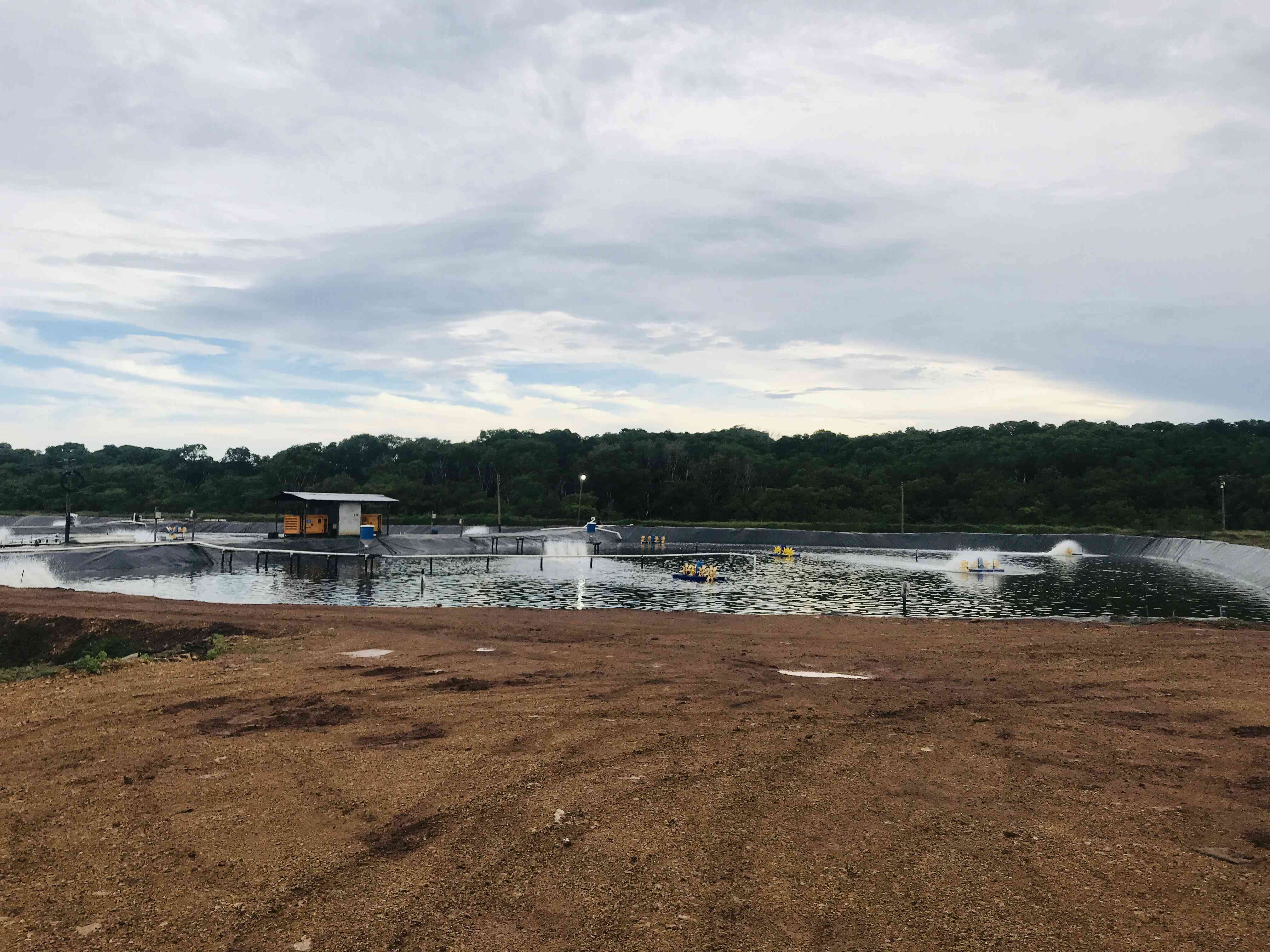
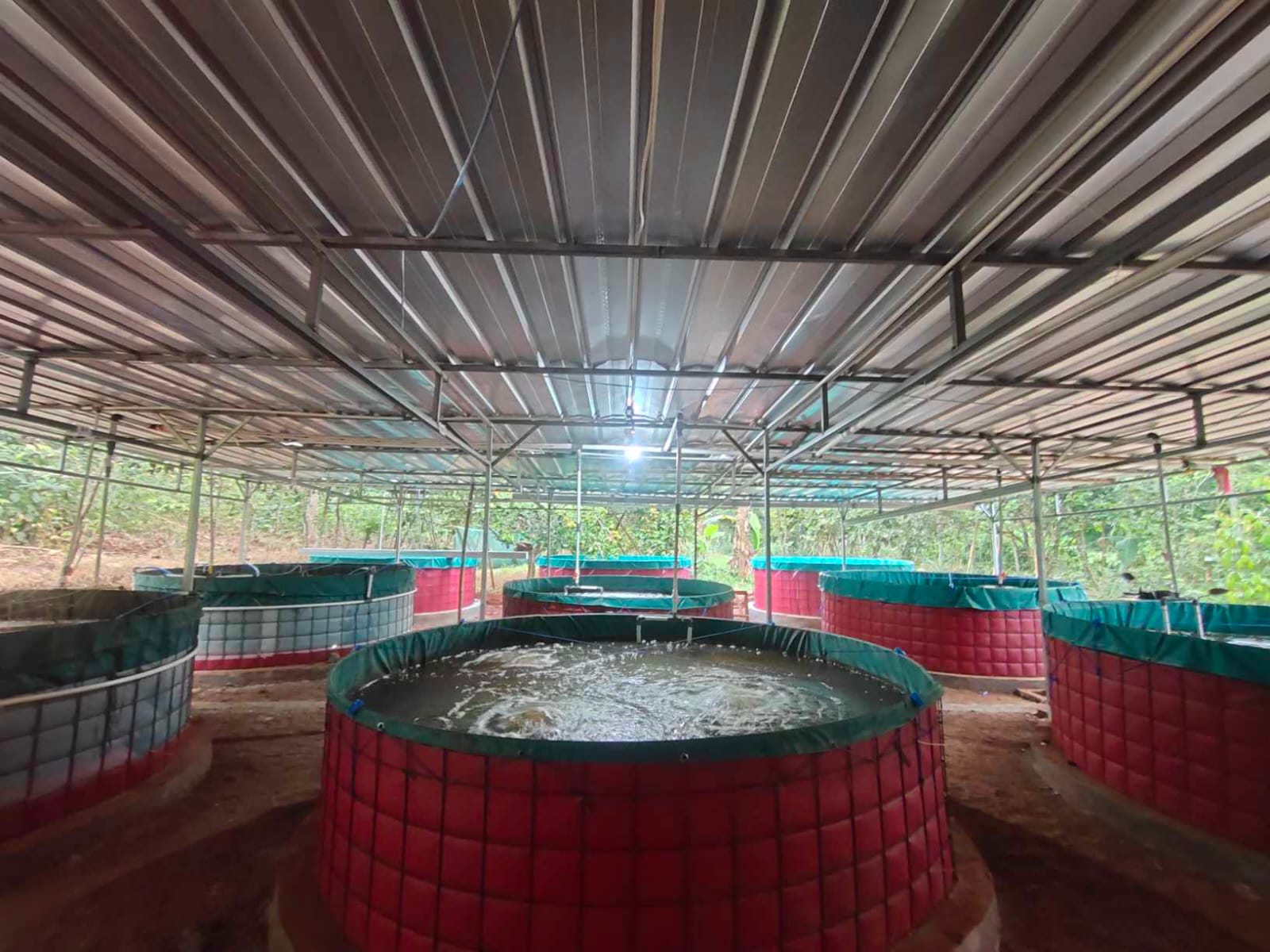
Vannamei shrimp cultivation with intensive technology is an approach that has its own advantages. In this intensive cultivation, shrimp stocking densities reach relatively high levels, ranging from 100 to 300 individuals per square meter. This approach requires the use of sophisticated facilities and technology to achieve optimal results. Intensive cultivation ponds are often equipped with various equipment such as plastic mulch that covers the entire pond to keep the water clean and stable.
In addition, this system includes the use of a water pump, water wheel, aerator, and provides feed in the form of pellets with the right nutritional levels. In a study conducted by Indah Purnamasari et al. from the marine science study program, Faculty of Agriculture, Bengkulu University, found that stocking densities of 170 and 175 fish per square meter resulted in a better average weight and survival rate. This approach shows that careful and optimal stocking density management is one of the keys to achieving successful results in cultivating vannamei shrimp using intensive technology.
Cultivating vaname shrimp using an intensive approach has several significant benefits. High stocking density allows farmers to produce larger quantities of shrimp in a smaller space. This optimizes land and resource use. In addition, with the use of sophisticated equipment and technology, intensive cultivation allows for better control of the pond environment, including water quality management and more controlled feeding.
Study results showing better average weights and survival rates at certain density levels also suggest that this approach can produce more profitable yields. In this case, intensive cultivation of vannamei shrimp is an attractive alternative for farmers who want to optimize productivity and efficiency in the shrimp cultivation business.
Vannamei shrimp cultivation has become a very important fishing industry in various regions in Indonesia, especially East Java. This species has various advantages that support its popularity, including the ability to survive various levels of water salinity, fast growth, high survival rate, relatively short rearing time, and high stocking density in an intensive cultivation approach. These advantages illustrate the great potential in vannamei shrimp cultivation and its contribution to the economy in the regions where this cultivation is carried out.
References
Admin dkpp, 2019. Advantages of vannamei shrimp cultivation. [On line]
Available at: https://dkpp.bulelengkab.go.id/information/detail/article/keunggulan-budidaya-udang-vaname-71 [Accessed 6 December 2021].
Darmono. 1993. Shrimp cultivation Penaeus, Canisius, Yogyakarta.
Indah Purnamasari, D. P. d. M. A. F. U., 2017. Growth of vannamei shrimp (Litopenaeus vannamei) in intensive ponds. Enggano Journal, II(1), pp. 58-67.
Zarain-Herzberg, M., A.I. Campa-Cordova, and R.O. Cavalli. 2006. Biological viability of producing white shrimp Litopenaeus vannamei in sea water floating