The independent feed revolution: deconstructing the dilemma of Indonesian aquaculture and engineering a new architecture for national food security


Image Source : Banglele Indoensia
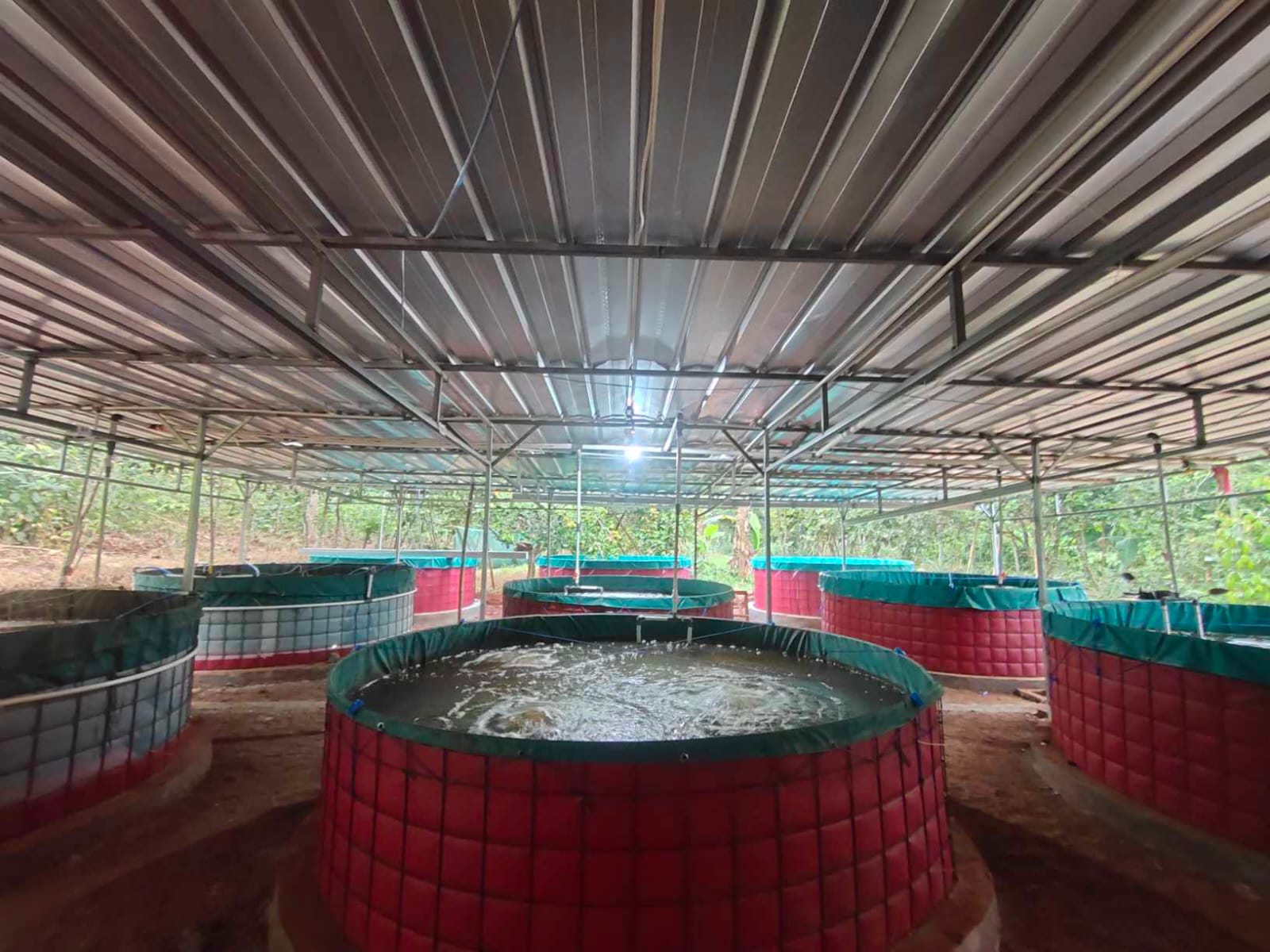
In the sprawling archipelago of Indonesia, a nation defined by its maritime vastness and agrarian potential, a quiet crisis undermines the stability of the freshwater fisheries sector. For the legions of smallholder fish farmers—the backbone of the country’s protein supply chain—a single operational expenditure looms disproportionately large, threatening both profitability and sustainability: the cost of feed.
Data released by the Ministry of Marine Affairs and Fisheries (KKP) elucidates the severity of this economic bottleneck. Feed expenditure currently absorbs between 60 and 70 percent of total production costs in freshwater aquaculture. This is not merely a line item on a ledger; it is a structural shackle. Such a lopsided cost structure places cultivators in a position of extreme vulnerability, where a minor fluctuation in input prices can obliterate profit margins entirely.
The geopolitics of fish meal
The root of this dilemma is systemic and inextricably linked to global trade dynamics. The vast majority of commercially manufactured feed—which commands prices as high as 12,500 Indonesian Rupiah (IDR) per kilogram in provinces such as Riau—remains heavily reliant on imported raw materials. The primary culprit is fish meal, a commodity whose price is dictated by global supply chains, foreign exchange rates, and international catch quotas.
This reliance creates a strategic fragility within Indonesia’s national food security architecture. When global commodity markets experience volatility or the Rupiah weakens against the dollar, the shockwaves travel instantly from global trading hubs to the ponds of small and medium-scale farmers in remote villages. The dependence on imported protein sources also implicates the sector in broader environmental concerns, specifically the pressure on global ocean stocks due to overfishing for fish meal production.
The emergence of "Gerakan Pakan Mandiri"
Recognizing this vulnerability, the Indonesian government has initiated high-level policy interventions. The "Gerakan Pakan Mandiri" (Independent Feed Movement), or GERPARI, was launched to reduce reliance on imported commercial feeds. This national directive seeks to foster self-sufficiency, a goal supported by international development partners. For instance, the Asian Development Bank (ADB) has engaged with the Ministry of Marine Affairs and Fisheries (MMAF) to boost productivity and profitability through sustainable aquaculture infrastructure, explicitly supporting farmers' capacity to produce their own feed aligned with GERPARI.
However, policy requires translation into practice. While government initiatives provide the framework and often the "hardware"—such as machinery support—there remains a critical gap in "software": the technical expertise, formulation science, and operational confidence required at the grassroots level.
Banglele Indonesia: a grassroots antithesis
Amidst this structural impasse, Banglele Indonesia has emerged with a strategic initiative designed to bridge the gap between high-level policy and ground-level reality. Their program, "Transfer Knowledge Pembuatan Pakan Ikan Mandiri" (Independent Fish Feed Manufacturing Knowledge Transfer), operates as a potent antithesis to the import-dependent status quo.
The initiative is not merely a vocational training course; it is an empowerment movement aimed at establishing feed sovereignty based on 100 percent local raw materials. By drastically depressing production costs and enhancing cultivation efficiency, the program lays a new foundation for a fisheries sector that is both self-reliant and competitively robust.
Philosophy of decentralized production
The core tenet of the program is the radical decentralization of feed production. Banglele Indonesia’s philosophy is encapsulated in the motto "Connecting farmers for better Indonesia". This slogan translates into a tangible shift in the cultivator's identity: from a passive consumer of expensive manufactured goods to an active producer exercising sovereignty over their supply chain.
The primary objective is to democratize the technical proficiency required to formulate and manufacture high-quality feed. This is achieved by leveraging local and indigenous raw material potential suited to the unique characteristics of each region. The program’s central promise is quantifiable and ambitious: independent feed production can reduce feed costs by up to 50 percent.
Economic validation in the field
This promise of cost reduction is substantiated by empirical data from various pilot locations. The disparity between manufactured feed prices and independently produced alternatives highlights the massive economic incentive for farmers to switch models.
In Riau, where farmers have historically lamented prices of Rp 12,500 per kg, locally produced independent feed has been driven down to Rp 6,500 per kg. In Mandiangin, the costs were suppressed even further to Rp 5,500 per kg. These margins represent the difference between subsistence and profitability for thousands of households.
The science of local assets: mapping raw materials
The success of the independent feed model relies entirely on the intelligent utilization of local resources. The program does not hand participants a static, "one-size-fits-all" recipe. Instead, it teaches the methodology of "resource mapping," compelling participants to audit the agricultural and organic wealth of their specific territories.
This mapping process uncovers a wealth of ingredients often categorized as agricultural by-products or waste. By applying nutritional sciences, these materials are reclassified as valuable inputs.
1. Palm kernel expeller (bungkil sawit)
In regions like Riau and Sumatra, the abundance of palm oil plantations offers a strategic advantage. Bungkil Sawit, known internationally as Palm Kernel Expeller (PKE) or Palm Kernel Cake (PKC), is a primary by-product of palm oil extraction.
Technical profile & utility:
Scientifically derived from Elaeis guineensis, PKE is a solid residue obtained after the extraction of oil from palm kernels.6 While commonly used in ruminant feed, its application in aquaculture requires precise handling.
- Nutritional Characteristics: PKE is characterized by medium protein content and a high oil content. It is generally considered to have low starch, making it safe from a fermentative perspective, but its high fiber and shell content can limit digestibility if not processed correctly.
- Risks and Formulation: In livestock contexts, high fat content in PKE can lead to metabolic issues like acidosis if used as the sole ration. Similarly, in aquaculture, inclusion rates must be carefully managed (often recommended around 10-20% depending on the species) to avoid compromising water quality or fish liver health.
- Availability: As Indonesia is a top global producer of palm oil, this material is abundant, cheap, and often exported under HS Code 23066010. Diverting this export-grade material for local feed production represents a significant efficiency gain for the domestic economy.
2. Coconut by-products (ampas kelapa)
Another ubiquitous resource in the tropical Indonesian landscape is the coconut. Ampas kelapa, or coconut pulp, is the residue left after the extraction of coconut milk.
Cultural and nutritional context:
While fresh shredded coconut is a staple in Indonesian cuisine—used in dishes like urap (spiced salad) or serundeng (sautéed coconut)—the "ampas" is often discarded or relegated to low-value uses.
- Composition: Coconut pulp is a high-energy by-product but poses challenges due to its very high water content (up to 85%) and lower protein density compared to fish meal.
- Strategic Use: In the context of "independent feed," this material serves as a carbohydrate and fiber source. However, due to its low protein, it cannot stand alone. The training emphasizes its role as a filler or energy supplement, necessitating combination with higher protein sources like BSF maggots or fish meal to achieve a balanced diet.
3. The "waste-to-value" paradigm: maggot BSF
Perhaps the most transformative element of the Banglele program is the adoption of waste-to-value technologies, specifically the cultivation of Black Soldier Fly (Hermetia illucens) larvae, commonly referred to as Maggot BSF.
Mechanism of biomanufacturing:
The Black Soldier Fly is not a pest but a bioconverter. The larvae act as engines of bio-manufacturing, capable of processing organic waste—such as market refuse, rotting vegetables, or household scraps—into high-quality protein and fat.
- Conversion Efficiency: The efficiency of this biological system is profound. Data indicates that approximately 5 kilograms of organic waste can be converted into 1 kilogram of high-quality maggot biomass in a cycle of just 12 days.
- Nutritional Superiority: BSF larvae are rich in protein and lipids, making them an ideal substitute for imported fish meal. Studies indicate that BSF oil inclusion in diets for species like Common Carp (Cyprinus carpio) supports growth performance effectively.
- Circular Economy: This creates a closed-loop system. Waste that previously incurred disposal costs or contributed to landfill methane emissions is transformed into an asset. The by-product of maggot cultivation, known as "frass" (insect excreta and exoskeletons), serves as a potent organic fertilizer, further benefiting local agriculture.
Functional feeds: the integration of traditional wisdom
The program distinguishes itself by integrating modern nutritional science with Indonesia's deep heritage of herbal medicine, known as Jamu. This fusion results in "functional feeds" that do more than satiate hunger; they actively promote health.
The role of Temulawak (Curcuma xanthorrhiza)
A key innovation taught in the program is the creation of "herbal feed" or "fermented feed" using Temulawak (Javanese Turmeric).
Botanical and pharmacological profile:
- Taxonomy: Curcuma xanthorrhiza Roxb., belonging to the Zingiberaceae family, is native to Indonesia and widely distributed across Southeast Asia.
- Active Compounds: The rhizome is rich in curcumin and xanthorrhizol. It has been utilized since time immemorial in Jamu formulations for its hepatoprotective (liver-protecting) properties.
- Aquaculture Application: In the context of fish farming, liver health is paramount, especially when using high-energy feeds like those containing palm oil residues. The inclusion of fermented Temulawak is scientifically proven to increase appetite, enhance digestibility, and boost the immune system.
- Mechanism: The active substances protect the fish's liver from metabolic stress, leading to a better Feed Conversion Ratio (FCR) and higher survival rates against diseases.
Fermentation technology
The program employs fermentation—often utilizing molds like Rhizopus oligosporus (commonly used in Tempeh production) or other starter cultures—to break down complex fibers in ingredients like palm kernel cake and cassava pulp. Fermentation increases the bioavailability of nutrients, reduces anti-nutritional factors (like the high fiber in palm by-products), and improves the palatability of the feed. This biological processing step is crucial for converting "low-grade" waste into "high-grade" feed.
The pedagogy of independence: a holistic training module
The "Transfer Knowledge" program is designed to be fundamentally applicative. It rejects the passive seminar model in favor of an intensive, hands-on workshop structure that ensures skills transfer. The curriculum is divided into four critical modules that guide participants through the entire industrial lifecycle of feed production.
Module a: raw material selection and mapping
Participants learn to identify and audit the resources within their immediate vicinity. The training prompts critical questions: Is the area rich in bungkil sawit (Riau)? Is there access to communal organic waste for BSF (Samarinda)? Is there a tradition of herbal medicine?. This contextualization ensures that the feed formulas are economically viable for the specific geography of the participant.
Module b: nutritional formulation science
This module constitutes the intellectual core of the program. Participants are not just given recipes; they are taught the science of nutrition. They learn to calculate the balance of proteins, lipids, carbohydrates, vitamins, and minerals required for different aquatic species and life stages (larva vs. adult). This knowledge is critical when using variable ingredients like food waste or palm by-products, as the nutritional content can fluctuate. Understanding formulation prevents nutritional deficiencies or metabolic diseases (such as the acidosis risks associated with improper oil content).
Module c: operational proficiency (machinery)
Theory is solidified through practice. Participants operate MSME-scale feed production machinery, learning the physical processes of grinding, mixing, pelletizing (printing), and drying.
- Removing the Fear Factor: By physically handling the machines, participants overcome the psychological barrier to technology adoption. They learn that producing feed with consistent physical quality (water stability, floatability) is achievable without industrial-scale factories.

Practical training on using a small-scale feed production machine.: Banglele Indonesia
Module d: sustainable mentoring
Recognizing that the transition to independent production is fraught with challenges, Banglele Indonesia provides continuous post-training support. This mentorship ensures that the "software" of knowledge remains updated and that farmers can troubleshoot issues as they arise in their own production facilities.
Strategic deployment: The 2025 National Roadmap
To catalyze widespread adoption, Banglele Indonesia has devised a chronological execution plan for 2025. The roadmap targets key urban centers in Sumatra, Kalimantan, and Sulawesi—regions identified as "fishery barns" with high potential but high cost pressures.
National program execution roadmap (2025)
- Phase 1 – Aceh–Sumatera–Kalimantan (November 2025)
- Banda Aceh: 1–2 November 2025
- Pekanbaru: 8–9 November 2025
- Samarinda: 15–16 November 2025
- Palembang: 22-23 November 2025
- Medan: 29-30 November 2025
- Phase 2 – Sumatera & Sulawesi (December 2025)
- Sumatera:, Jambi, Bengkulu, Bandar Lampung, Bangka Belitung, and Batam.
- Sulawesi: Kendari, Makassar, Mamuju, and Palu.
The selection of these cities is strategic. For instance, Riau (Pekanbaru) is a hub for palm oil, making the education on bungkil sawit highly relevant. Samarinda and Makassar represent major aquaculture centers where logistics costs often inflate the price of imported feed. By "picking up the ball" and traveling to these hubs, the program maximizes its intervention impact.
Multi-dimensional impact assessment: the domino effect
The implications of the program extend far beyond the immediate reduction of operational expenses. The shift toward independent feed production generates a "domino effect" across economic, social, and environmental dimensions.
1. Economic impact: micro savings and macro industry
- Micro-Level (The Farmer): The most immediate impact is the restoration of profit margins. With savings exceeding 50%, the break-even point for fish cultivation is significantly lowered, making the business resilient to market price fluctuations of the harvested fish.
- Macro-Level (The Economy): The program catalyzes the creation of a new industrial layer. By training individuals to manufacture feed, it births a new sector of local MSMEs dedicated to feed production. This localizes the economic turnover; money that formerly flowed out to multinational importers now circulates within the village or district economy. It creates a new value chain: waste collectors (for BSF), raw material aggregators, feed manufacturers, and distributors.
2. Social impact: welfare mobility
The correlation between feed independence and social welfare is not theoretical; it is quantitative. Case studies from similar interventions in Jambi reveal profound shifts in poverty metrics.
- Data Evidence: Prior to the intervention, 88 percent of participating cultivators were categorized as having "low welfare." Post-intervention, this category was eradicated (0%). Instead, 56 percent of participants ascended to the "high welfare" category. This demonstrates that the "feed dilemma" is a primary driver of poverty among fish farmers, and solving it is a direct route to upward social mobility.
3. Environmental impact: sustainability and circularity
The program aligns aquaculture with the principles of the circular economy.
- Waste Diversion: The widespread adoption of BSF cultivation diverts organic waste from landfills, reducing methane emissions and leachate pollution.
- Ocean Preservation: By reducing the demand for commercial feed, the program indirectly lowers the demand for marine fish meal, alleviating pressure on wild fish stocks utilized for industrial feed production.
- Safeguards: The focus on local ingredients also aligns with ADB safeguards regarding sustainable environmental management in aquaculture projects.

A BSF female perches on her egg-laying nest.: Banglele Indonesia
Conclusion: a foundation for the golden indonesia 2045
The "Transfer Knowledge Pembuatan Pakan Ikan Mandiri" program by Banglele Indonesia represents a sophisticated alignment of grassroots action with high-level national strategy. It functions as a force multiplier for government policy.
While the Ministry of Marine Affairs and Fisheries (KKP) has allocated significant resources for 2025—including aid for 130 machine units and raw materials to target 141,887 kg of independent feed production—machinery alone is insufficient. The government provides the hardware of independence; Banglele Indonesia provides the software—the skills, the proprietary formulations, and the confidence to operate.
This synergy is the prerequisite for achieving the vision of "Golden Indonesia 2045." A generation that is healthy, intelligent, and competitive requires a secure, affordable, and high-protein food supply. Fisheries are the cornerstone of this nutritional requirement. However, a sovereign fisheries sector cannot be built on a foundation of imported feed.
By teaching a farmer in Riau to process palm waste, or a community in Samarinda to bioconvert market refuse with insects, Banglele Indonesia is doing more than lowering costs. They are dismantling the vulnerability of the food system and laying the first stone of true national food sovereignty. Feed independence is not merely an operational efficiency; it is the bedrock of a resilient nation.