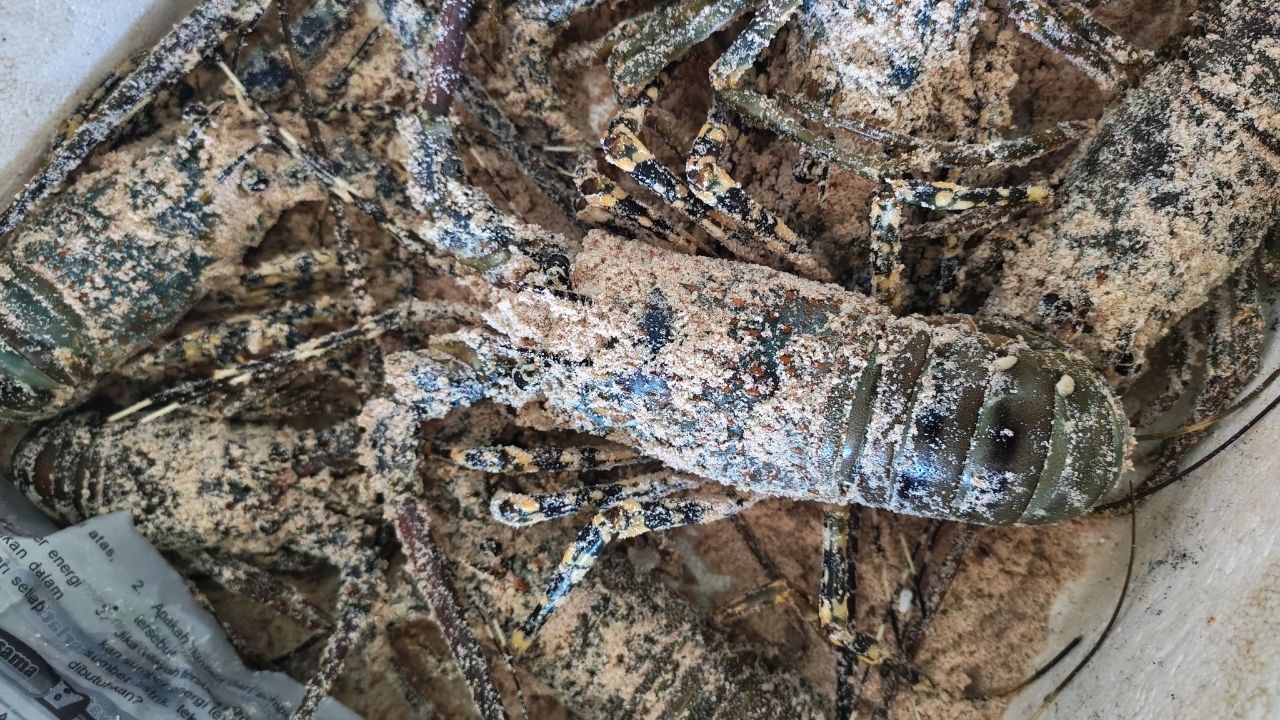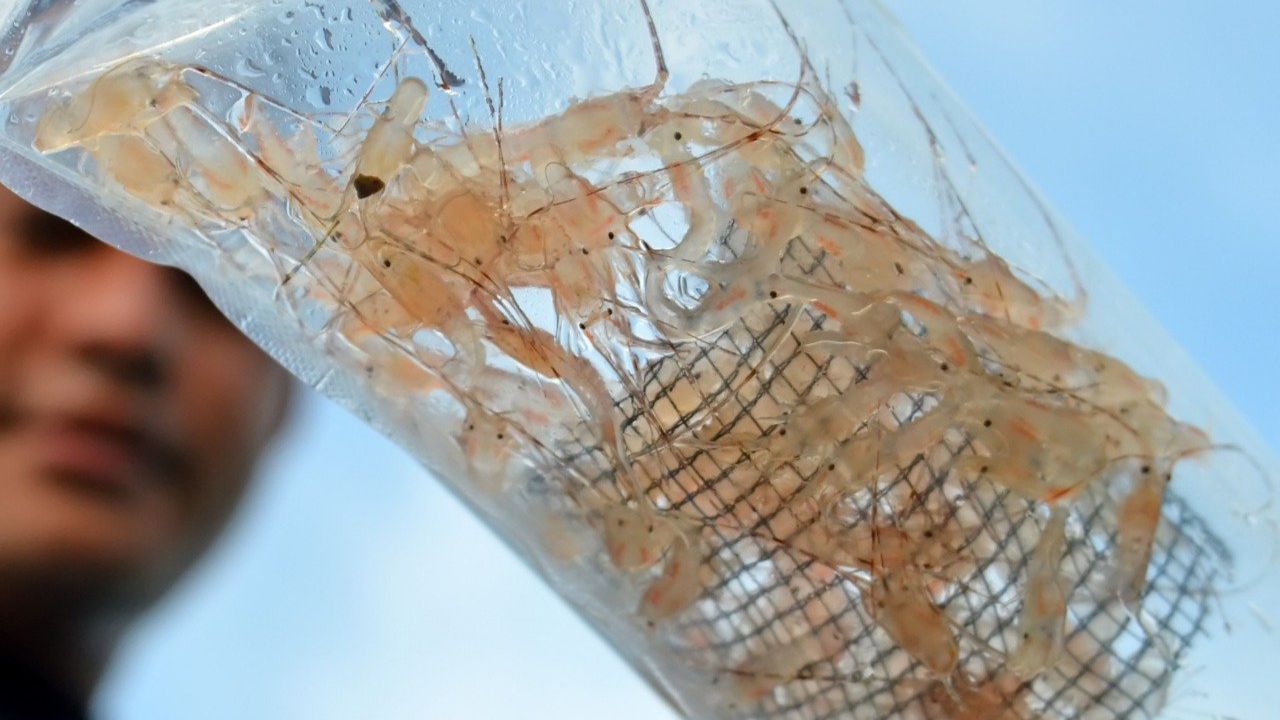

Indonesia’s new permanent ban on exporting spiny lobster seed (Benih Bening Lobster, BBL) via a regulation from the Ministry of Marine Affairs and Fisheries (KKP) is a sweeping intervention aimed at cutting off a high-value raw resource flow to rival countries. In effect, it places Indonesia at a critical crossroads between conserving marine biodiversity and securing the livelihood of coastal communities. For years Indonesia has been in a strategic loss: as a major producer of sand lobster (Panulirus homarus) and ornate lobster (Panulirus ornatus) seed, it allowed this natural wealth to flow overseas to strengthen aquaculture industries in competing countries like Vietnam. Vietnam, heavily reliant on Indonesian seed, could convert these cheap juveniles into high-profit seafood for global markets, dominating export markets in China and elsewhere.
Indonesia’s current vision of downstream processing (hilirisasi) is based on the reality that exporting raw seed or pueruli forfeits opportunities for value addition. The ministry estimates that Indonesian waters could produce up to 500,000,000 seed lobsters per year. If those are exported as seed at minimal prices, Indonesia gains only a tiny share of the profit. By closing the BBL export tap, the government aims to force the entire supply chain – from hatcheries and nurseries to feed production and cold-chain processing – to remain in country. The goal is to build a robust domestic industry ecosystem that prevents the loss of tens of trillions of rupiah in potential value.
However, the policy is not driven solely by agribusiness economics. The survival of wild lobster stocks, now threatened by massive overfishing for seed, has become an urgent ecological concern. In Fisheries Management Area 573 (south of Java to the Nusa Tenggara islands), the exploitation rate for Panulirus lobsters has already exceeded the optimal limit of 0.5, reaching critical levels above 0.7. By mandating domestic breeding with obligations to restock the wild population, the Ministry is trying to balance its ambition to lead the global aquaculture market with its moral duty to preserve genetic diversity for future generations.
Short-term economic disruption vs long-term potential
On the ground, the BBL export ban has delivered a sharp economic shock to small-scale seed fishers, especially in southern Java, Bali, and West Nusa Tenggara. The immediate disruption appears in the loss of daily cash flow. Previously, BBL fishers had direct access to an export supply chain controlled by middlemen, receiving immediate cash payment at competitive prices due to high foreign demand.
This sudden income drop is worsened by the lack of an effective domestic market to absorb the catch. Limitations in infrastructure, capital, and technology mean that local growers cannot consistently handle the entire supply of BBL. As a result, extreme price disparities have emerged. At the local West Nusa Tenggara level, the price of a lobster seed can crash as low as Rp 8,500 (IDR) apiece, while in the black market international trade, Vietnamese buyers have been paying between Rp 50,000 and Rp 100,000 per seed when supplies run low.
This vast economic gap fuels booming black-market trade and smuggling syndicates that exploit the fishers’ bargaining position. Cash flows from BBL smuggling to Vietnam – often transiting via Batam and Singapore – are estimated at hundreds of billions of rupiah per single bust, representing an aggregate national economic loss up to Rp 40 trillion per year.
On the other hand, from a long-term macroeconomic perspective, the export ban holds massive strategic potential. This transformation promises a broad multiplier effect for coastal economies. Full downstream processing of lobsters is projected to boost the Gross Regional Domestic Product (PDRB) of coastal provinces such as West Nusa Tenggara and East Java through the creation of many new jobs in breeding, ice production, logistics, and processing.

Ecological and technical transition challenges: turning fishers into farmers
Directing BBL fishers to transition into grow-out farmers is more than a job change; it is a biological and technical paradigm shift. Unlike instant-capture activities, local grow-out faces steep technical and bioeconomic learning curves.
The first challenge is mastering technology and the Survival Rate (SR). The early grow-out cycle – from puerulus seed to the juvenile stage – is a critical phase with naturally high mortality. Among traditional Indonesian growers, SR still fluctuates widely between roughly 50 and 90 percent, lagging behind Vietnam’s standards. Small fishers often struggle to manage water quality and biosecurity. As a result, bacterial diseases such as Milky Hemolymph Disease of Spiny Lobster (MHD-SL), caused by Rickettsia-like bacteria, have become major killers. This disease often breaks out in shallow floating net cage (Keramba Jaring Apung, KJA) systems polluted by feed waste and ammonia, leaving lobsters with milky-white hemolymph and leading to mass die-offs.
The second challenge is feed efficiency and cost (OPEX). In lobster aquaculture, feed accounts for over 60 percent of total operating cost. To date, most local fishers rely on low-cost trash fish or shellfish as feed. However, long-term use of trash fish creates ecological problems, like ammonia pollution on the sea floor that triggers disease. Nutritionally, trash fish also yields a poor feed conversion ratio (FCR), typically between 7 and above 15 – meaning up to 15 kilograms of wet feed are needed to produce 1 kilogram of lobster meat.
Shifting to precision formulated pellets remains difficult. Ideal lobster feed requires high protein (42%–50%) and a lipid profile (~9%) rich in essential amino acids and omega-3 fatty acids (EPA and DHA), to mimic wild crustacean nutrition and ensure smooth molting. Limited access to high-quality local feed mills forces farmers to stick to inefficient traditional practices.

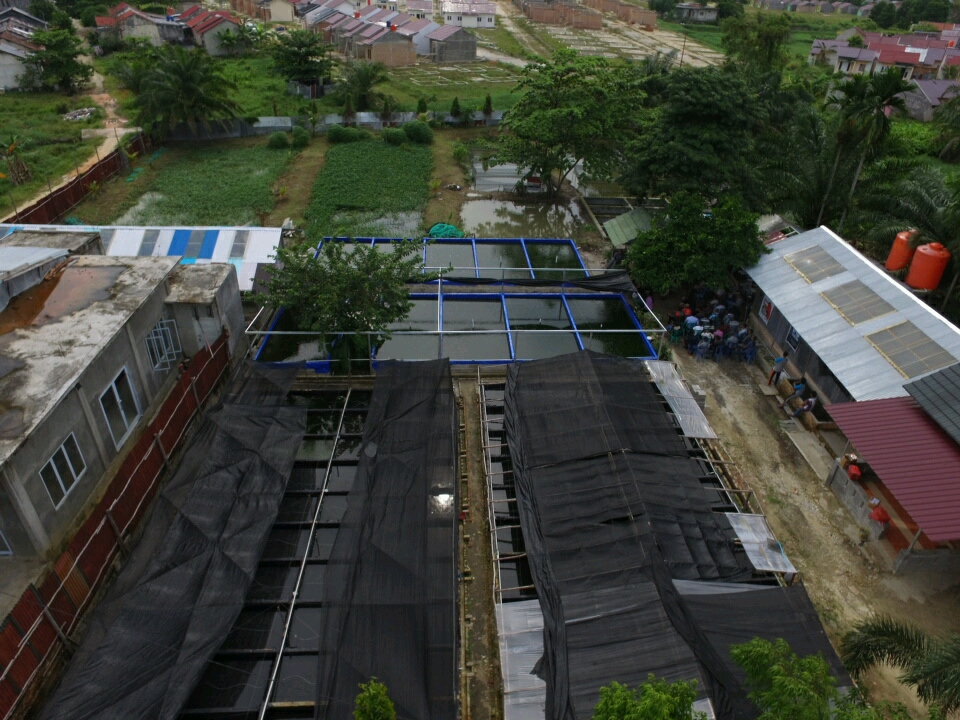
The verification of floating net cage (KJA) assistance for lobster aquaculture across Bima Regency and City: DJPB LOMBOK
The third challenge is the lack of financing schemes and guaranteed markets (off-takers). Changing the business model from daily catch to an 8–12 month grow-out cycle requires fishers to have strong financial buffers. The capital expenditures (CapEx) needed to build KJA modules, purchase nets, and nursery equipment are significant barriers for small fishers. Without standby investors or buyers guaranteeing to absorb their output at a fair price above the production cost, seed fishers will always be tempted to revert to the shortcut: selling their BBL catches to smuggler middlemen.
Five concrete solutions to sustain fishermen’s cash flow
To ensure this grand vision does not sacrifice the weakest link in the national fishery supply chain, short-term solutions for BBL-catch fishers must focus absolutely on preserving daily cash flow and providing a social safety net. The following five steps can be rapidly implemented through pro-fisher policy instruments:
- Create standby off-takers and set a floor price. The government must ensure a daily cash absorption guarantee. Through intervention by fishers’ cooperatives, village enterprises (BUMDes), or state fisheries companies like Perum Perikanan Indonesia (Perindo), the state becomes a standby buyer that legally purchases BBL catches and pays in cash. A standardized floor price for local seed purchases (based on Fisheries Directorate calculations) must be enforced so that fishers are not exploited by panic-driven black-market speculators.
- Coastal labor-intensive programs and direct aid (social safety net). As a substitute for daily income, BBL catch fishers should be absorbed into coastal labor programs focused on ecosystem restoration. Projects such as mangrove rehabilitation, clearing port channels, and creating and sinking fish apartment structures can provide daily cash wages. Additionally, properly targeted transitional social aid should be prioritized for BBL fishers who are registered in the KUSUKA database (Marine and Fisheries Business Participant Card).
- Debt moratoriums and soft loan schemes. Collaboration with national banks is needed to restructure loans, providing payment postponements (moratoria) on micro-enterprise loans (Kredit Usaha Rakyat, KUR) or boat capital loans. In parallel, ultra-fast microloans with very low flat interest rates (e.g. 3 percent per year) through the Fisheries Business Capital Management Agency (LPMUKP) must be accelerated to bridge fishers’ transition without heavy collateral burdens.
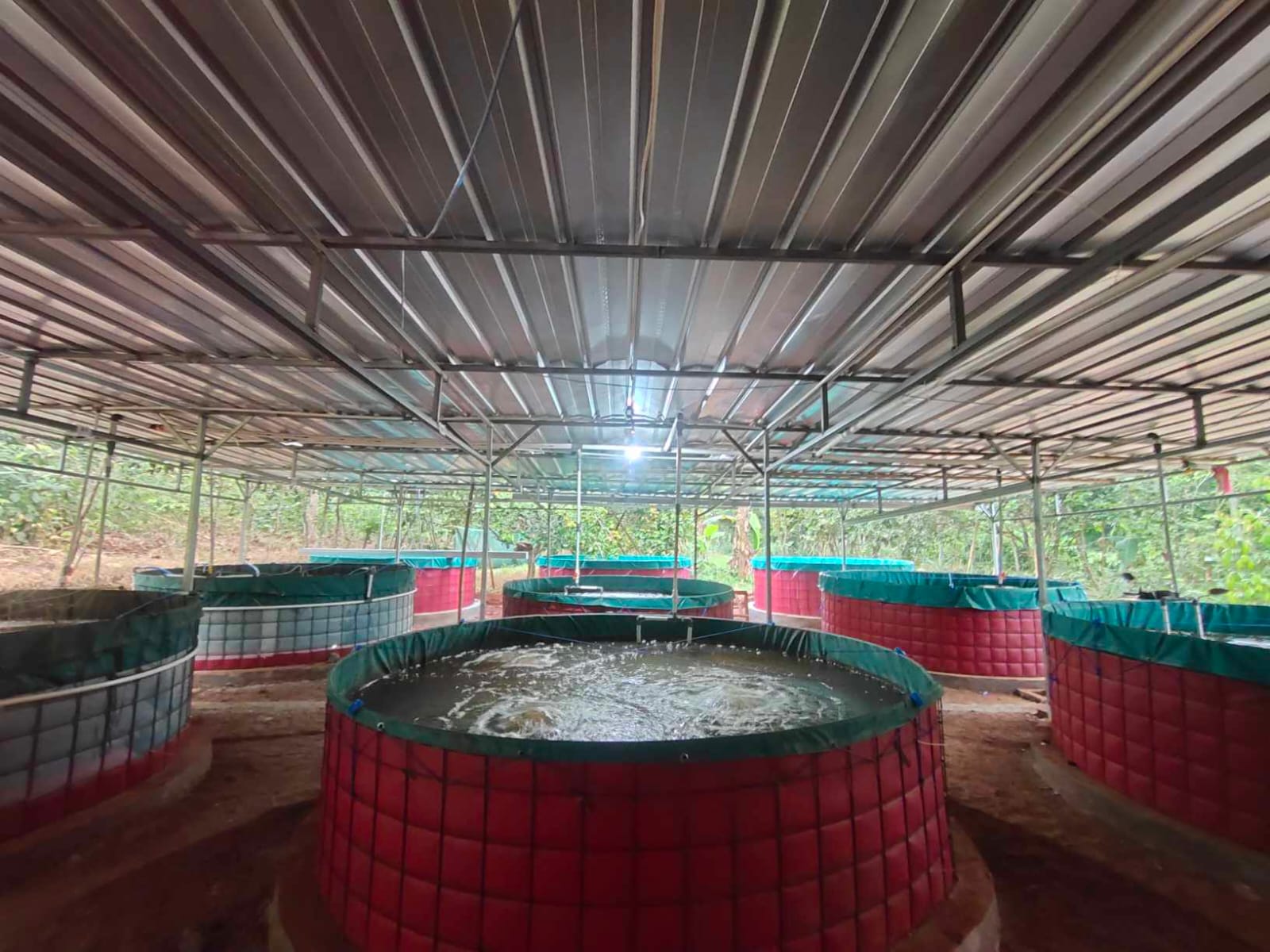
- Short-cycle nursery transition packages (KJA starter packs). To reduce the psychological risk of waiting for long grow-out, the government can encourage gradual adaptation with nursery culture models. By providing “starter packs” – mobile KJA or micro-scale community Recirculating Aquaculture Systems (RAS) – plus high-quality initial feed from the Lampung Marine Aquaculture Research Center (BBPBL Lampung) or BB RBLPP Gondol, fishers can be taught to nurture BBL for just 30–45 days. Once they reach the early juvenile stage, the lobsters are sold to mid-to-large grow-out companies. This 1.5-month money cycle is far more logical for fishermen’s family finances than waiting for full grow-out.
- Diversification of catch gear for consumable species. To keep daily sea operations going, provide environmentally friendly alternative gear packages. BBL fishers could be equipped with crab traps or gill nets (modified for commercial reef fish) or modern squid jigs. This is crucial so small-scale boats can still fish for commodities that can be quickly sold at local auctions. An example of infrastructure support is the integrated ice plant and cold storage at Kampung Nelayan Merah Putih, Ekas Bay, East Lombok, which preserves sea catch quality before marketing.
Why not export 50-gram juveniles?
With the launch of short-cycle nursery systems, some fishers have questioned the logic of allowing the export of juvenile lobsters around 50 grams. From an analytical standpoint and under current Ministry regulations, permitting 50-gram exports is an economic paradox that undermines domestic aquaculture. The nursery focus is meant to build a reliable supply chain of quality seed for domestic grow-out, not for export commodity.
The first justification is survival risk mitigation. The growth phase from puerulus to a 50-gram juvenile is a biologically vulnerable window. During this critical phase, lobsters undergo multiple molts, with mortality rates that spike sharply due to cannibalism and ammonia stress. If Indonesian nursery farmers master this highest-risk stage and stabilize the Survival Rate (SR), then the juvenile lobsters they produce have superior hardiness. Exporting these tough 50-gram lobsters is effectively exporting “half-finished goods,” giving competitor countries certainty of harvest without having to endure nursery risks.
The second justification is value-added equilibrium. Government and international trade regulations consistently cap exports at market-size weights. For premium markets in China and Hong Kong, sand lobsters (Panulirus homarus) only fetch a high price above about 150 grams, while the exclusive ornate lobster (Panulirus ornatus) must reach 200–500 grams. Cutting the cycle short at 50 grams yields discounted purchase prices, undermining projections of optimal foreign exchange revenue.
Without full downstream processing, supportive industries will die prematurely. Without grow-out to edible size, investments in lobster-specific feed mills, aquaculture medicines, and cold-chain export infrastructure at ports will never reach competitive economies of scale.
Investment partnership architecture (Ministry Regulation No. 7 of 2024)
To rapidly catch up on aquaculture technology, Ministerial Regulation (Permen KP) No. 7 of 2024 on Lobster, Crab, and Swimming Crab Management opens a structured gateway for investment partnerships. Foreign capital involvement (PMA) is not unrestricted; it is bound by operational obligations requiring every investor entity to partner equitably with a local fishers’ cooperative.
The regulation is implemented through five non-skippable licensing and supply-chain stages:
- Stage 1: Entity formation & notarized partnership. Every foreign investor must incorporate a domestically licensed entity (PT PMA) under the Indonesian Standard Industrial Classification (KBLI) for marine aquaculture. Each PT PMA must sign a notarized Cooperation Agreement (Perjanjian Kerja Sama, PKS) with a local fishers’ cooperative that has validated its BBL-catching members through the KUSUKA system. The agreement is then officially registered with the Directorate General of Aquaculture (DJPB).
- Stage 2: Location permits and facility audit. Before operating, the PT PMA must obtain a sea-use permit (KKPRL) for placing KJA structures or land-based nurseries. Access to BBL quotas requires passing a KKP technical team’s physical facility audit, ensuring adequate water systems, aeration capacity, feed, and biosecurity protocols to prevent disease spread.
- Stage 3: Quota allocation and one-door supply chain. BBL capture quotas are set by the central government based on sustainable potential estimates in each Fisheries Management Area. PT PMAs are strictly forbidden from bypassing the system by buying seed directly from individual fishers. Seed purchases must go through the partner cooperative’s single outlet. All BBL movement is tracked with a Seed Source Certificate (SKAB) from capture to nursery to ensure legality.
- Stage 4: Cultivation operations and technology transfer. During grow-out, a crucial mandate on technology transfer kicks in. The PT PMA must provide experts or technical mentors to train cooperative members. This knowledge transfer covers SR standards, feed formulation, and disease/biosecurity management, building domestic human-capital capacity.
- Stage 5: Restocking obligations and export quota issuance. To care for wild genetics and stocks, this partnership must return 2 percent of cultivated lobster to the wild (restocking) under the direct oversight of the Surveillance and Fisheries Resources Directorate (PSDKP). In proportion to their investment, infrastructure, and domestic grow-out success, the MMAF will grant the PT PMA a pegged BBL export quota tied to their actual edible-size production.

KKP oversight layers (control points)
A major worry with PMA investment is abuse, where high-end farms serve only as temporary holding pens before syndicates launder the product and smuggle seeds illegally across borders. In response, KKP governance applies three integrated oversight layers:
Layer one: Periodic SR audit. KKP monitors the survival rate and biomass volume of lobsters in PMA-operated KJA facilities. If audits reveal an asymmetry – for example, seeds purchased through the cooperative not matching the live biomass, or implausibly high mortality rates with no disease outbreak – smuggling is suspected. In such cases, seed allocations can be unilaterally frozen and export permits tightly reviewed.
Layer two: Digital logistics monitoring. The BBL supply chain is controlled in real time by KKP’s integrated digital logistics system. Every movement from SKAB issuance to nursery entry is recorded in a tamper-resistant database, narrowing room for exploitation by unregistered traders.

The moment the F1QR Team of the Palembang Naval Base successfully thwarted the smuggling of over 380,000 lobster seeds (BBL) valued at over Rp54 billion aboard a wooden boat in Muara Betara waters, Jambi, on April 25, 2025: Pusat Penerangan TNI
Layer three: Enforcement and special task force. Enshrined in Presidential Regulation No. 69 of 2026, the Task Force for Eradicating BBL Smuggling (Satgas P2BBL) consolidates intelligence and maritime security elements. Its repressive strategy focuses on key smuggling routes at Sumatra and Riau Islands sea corridors and suspect air cargo channels to Vietnam and Singapore. By “following the money,” the task force now targets the financiers behind the networks, not just the field couriers, aiming to dismantle the smuggling syndicate’s anatomy.
Policy recommendations
The true success of the permanent BBL export ban will be measured not just by the boldness of the decree, but by the depth of the government’s commitment to building an alternative coastal economy. This disruptive transition demands acceleration of social safety nets, expansion of low-interest fisheries credit (via LPMUKP), and development of downstream-support infrastructure, such as cold-chain bases and availability of affordable high-protein commercial feed.
This transformation requires capture fishers to evolve into proficient farmers who can master technical parameters (SR, biosecurity, FCR) to compete in the regional aquaculture arena. Through the PMA–Cooperative partnership framework under Permen KP No. 7 of 2024, Indonesia lays the foundation for technology transfer while enforcing full oversight via the P2BBL Task Force and SR audits. With a synergy of social justice and uncompromising maritime law enforcement, the vision of halting the seed flow and making Indonesia the world’s main producer of market-sized lobsters will surely become a sustainable economic reality.