Indian Ocean Trepang (IOT) is a prominent sea cucumber aquaculture company based in Toliara, Madagascar. Specializing in the cultivation of Holothuria scabra, or sandfish—a high-value sea cucumber species with strong demand in Asian markets—IOT utilizes intensive aquaculture methods and advanced technology to produce around 200 tons of live sea cucumbers annually. These are then processed into high-quality dried sea cucumber products, exported to various Asian countries including China, Hong Kong, Singapore, South Korea, and Japan.
Currently, IOT maintains a breeding stock of approximately 15,000 sea cucumbers and cultivates around 450,000 sea cucumbers each year to achieve consistent production volumes. This enables the company to produce 8-9 tons of dried sea cucumber, highly sought after due to its exceptional quality. The broad export market in Asia encourages IOT to continuously enhance its production capacity and aquaculture standards. The company’s dried sea cucumber products are known for their quality, achieved through rigorous cultivation systems that adhere to international standards, meeting the demand for premium sea cucumber in the culinary, cosmetics, and health industries.
The species and cultivation challenges
IOT’s aquaculture efforts are focused on Holothuria scabra, commonly referred to as sandfish or sand sea cucumber. This species is favored for its high economic value and stable market demand. Sandfish are prized for their nutritional benefits and health properties, making them highly sought after in the food, health, and cosmetics industries, especially in Asia. The unique qualities of sandfish contribute to its high market value, establishing it as one of the most valuable aquaculture commodities internationally.
Each mature Holothuria scabra can produce up to 40,000 juvenile sea cucumbers per year. However, despite this high reproductive rate, there are significant challenges in ensuring the survival of young sea cucumbers during the hatchery phase. In this stage, survival rates are particularly low, with only about 1% of juveniles successfully reaching the next growth phase. This hatchery phase requires careful management and modern technology to improve survival rates, presenting a primary challenge for sea cucumber farmers, including IOT.
The low survival rate during the hatchery stage directly impacts the high market price of sea cucumber. The time-intensive and high-risk cultivation process makes sea cucumber a valuable commodity. On the international market, dried sea cucumber can fetch prices between USD 60-120 per kilogram, depending on quality and market conditions. This price reflects the strong demand for sustainably produced, high-quality sea cucumbers, making IOT’s products highly desirable in the marketplace. According to Polaris Market Share data, the global sea cucumber market was valued at USD 824.04 million in 2022 and is projected to grow at a compound annual growth rate (CAGR) of 17.6%, reaching approximately USD 4.161 billion by 2032.

Polaris Market Research Analysis
Modern technology and facilities in the hatchery phase
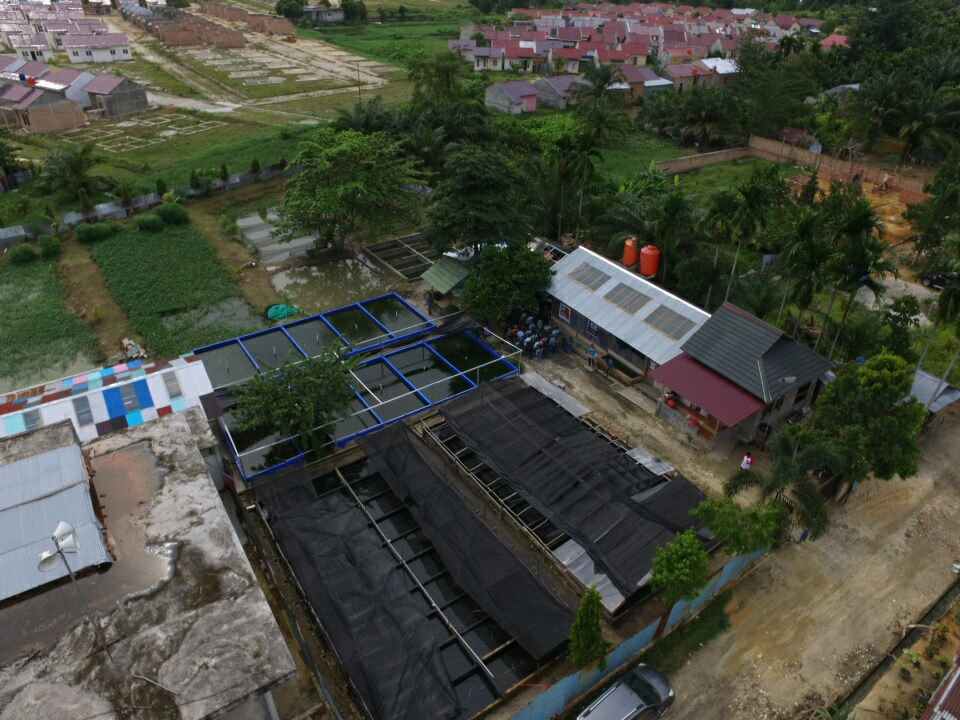
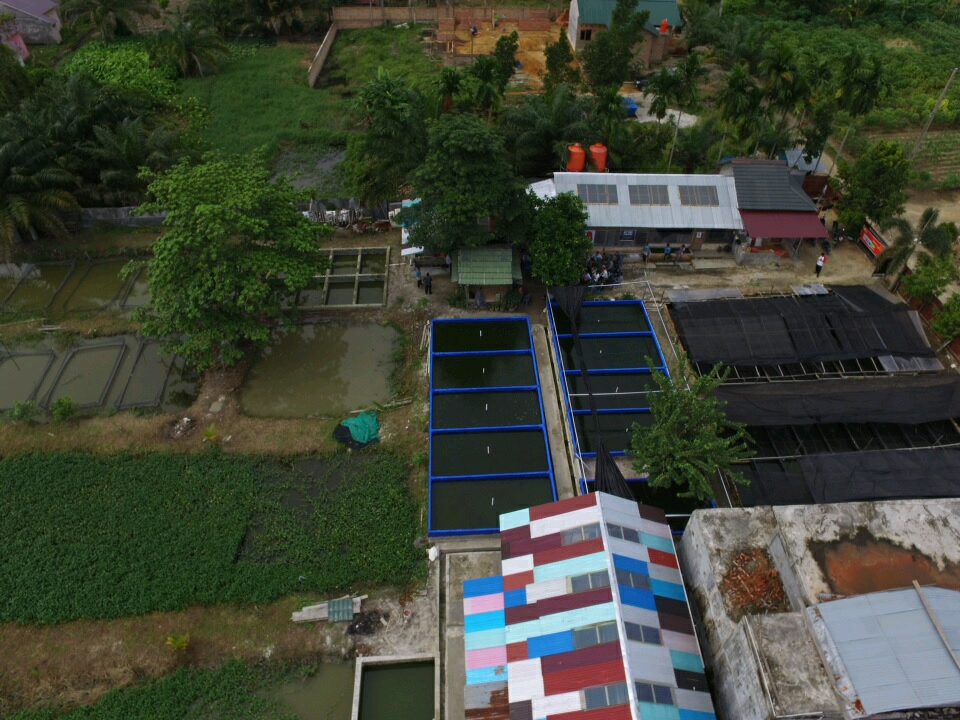
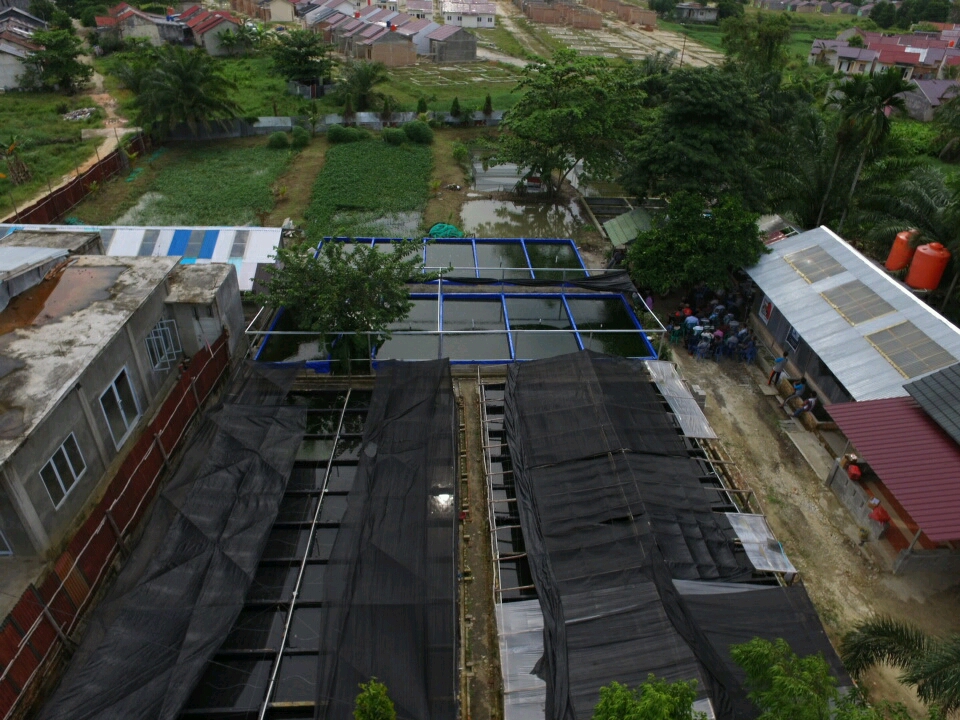
IOT applies intensive sea cucumber farming with modern technology using indoor hatchery facilities that meet Good Aquaculture Practice (GAP) standards. GAP ensures that farming practices not only produce high-quality sea cucumbers but also support environmental sustainability. With these standards, IOT ensures that all stages of farming, from spawning to juvenile management, follow safe, hygienic procedures that comply with international regulations.
In the hatchery, juvenile sea cucumbers receive intensive care for about a month. Here, modern technology plays a crucial role in maintaining optimal growth conditions, including temperature control, water quality, and pH balance. This facility is specifically designed to create stable, supportive conditions for vulnerable juveniles. All parameters are tightly controlled to minimize stress on the young sea cucumbers, thereby increasing their chances of survival as they progress through early stages. After one month in the hatchery, juveniles are transferred to nursery ponds, where they are gradually acclimated to more natural environmental conditions.
Nursery systems and natural nutrition
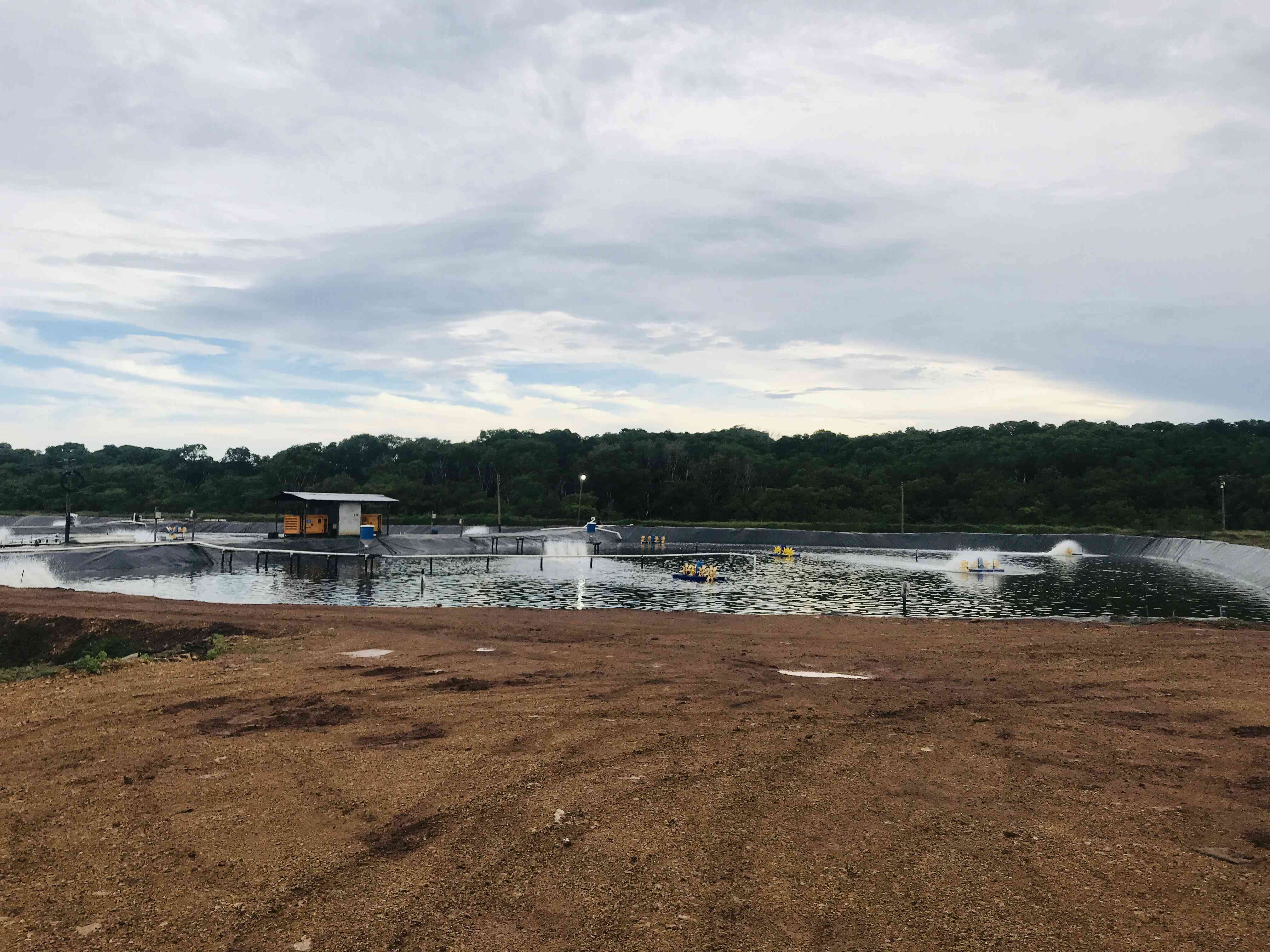
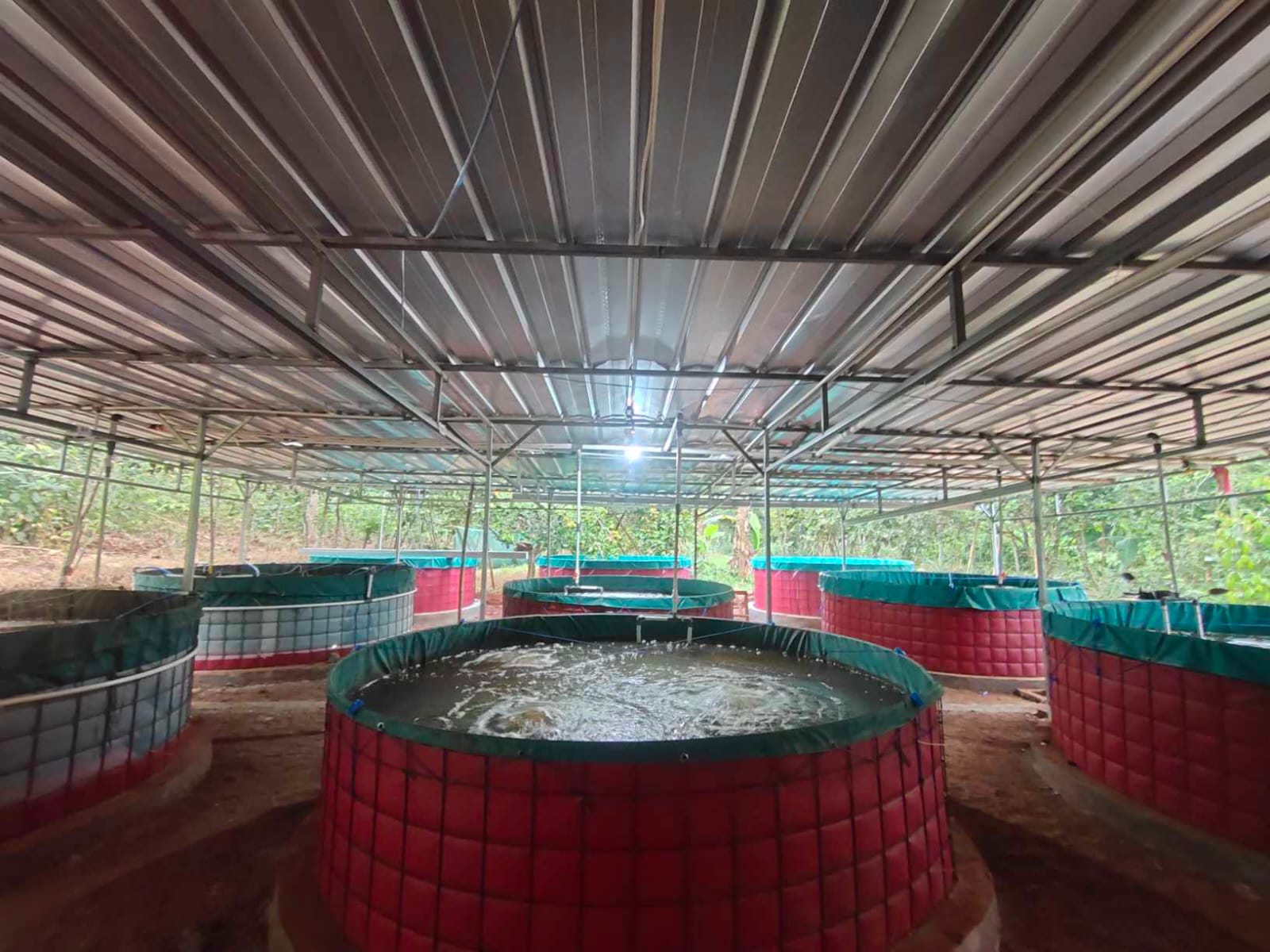
Once the hatchery phase is complete, juveniles that have developed resilience are moved to outdoor nursery ponds for another month to prepare them for open-sea environments. These nursery ponds are constructed from specialized materials like HDPE (High-Density Polyethylene) or geomembrane, commonly used in various aquaculture systems, including shrimp ponds. These materials are chosen for their durability, water quality preservation, and prevention of contamination from external sources.
In the nursery ponds, unlike typical fish or shrimp farming, the juvenile sea cucumbers are not fed artificial feed. Instead, they rely on natural food sources within the ponds, primarily algae. Algae like Chaetomorpha and Ulva grow naturally in the ponds, providing essential nutrients for the sea cucumber juveniles’ growth. These algae are rich in key nutrients, including protein and fiber, supporting the overall health and growth of the juveniles. Using algae as a natural food source also contributes to the sustainability of the ponds by eliminating leftover feed residue.
The presence of natural algae in the nursery ponds not only provides nutrition but also helps maintain a balanced pond ecosystem. Algae like Chaetomorpha and Ulva act as natural biofilters, absorbing excess nutrients in the water, such as nitrogen and phosphorus, thereby preserving water quality. This is essential for maintaining ecological balance and preventing stress conditions for the juveniles. Additionally, relying on natural algae as feed makes the cultivation process more economical, as IOT can reduce its dependence on costly commercial feed, lowering operational expenses.
Marine grow-out phase and the advantages of natural feeding
After completing the nursery phase, sea cucumbers are transferred to open sea environments for the final grow-out stage. This phase, which takes place in the open sea using small enclosures resembling fish net traps, typically lasts around one year. During this time, the sea cucumbers grow until they reach the ideal weight of approximately 400 grams. The natural marine environment provides ideal conditions, enabling sea cucumbers to thrive and adapt due to its richness in natural nutrients, closely mirroring their native habitat. Unlike many farmed species, sea cucumbers do not require artificial feed in the grow-out phase, as they naturally derive their nutrition directly from the marine ecosystem.

The sea cucumber farming sites for the grow-out phase are located in open sea areas: Ocean Farmers
In this phase, sea cucumbers feed on various sources of natural marine nutrients, including detritus and microorganisms available in their habitat. Detritus—organic particles from decomposed marine organisms—serves as a primary source of nutrition, while microorganisms such as plankton complement their dietary needs, allowing them to grow without additional feeding. The success of this open-sea farming method is evident in the survival rate, which reaches 55%, a high figure for aquaculture in natural open environments. This survival rate reflects the effectiveness and environmental sustainability of a farming approach that relies on natural feeding within the sea. Additionally, the results underscore the sea cucumbers' capacity to adapt and thrive in conditions that mimic their natural habitat, ensuring both health and product quality.
Processing and benefits of dried sea cucumbers
IOT utilizes an efficient processing system to produce high-quality dried sea cucumber products. Freshly harvested sea cucumbers are processed into dried form with a yield of approximately 20–25%. This means that 100 kilograms of live sea cucumbers yield about 20–25 kilograms of dried product. This process is highly efficient and eco-friendly, leaving no waste, as most of the water content evaporates, resulting in a dense and nutrient-rich dried product.
One key reason why sea cucumbers, particularly Holothuria scabra (commonly known as sandfish), are in high demand is due to their boneless structure, which simplifies processing compared to many other marine species. Their soft texture and high nutrient content allow them to be preserved for longer periods and easily reprocessed for international markets. Taxonomically, Holothuria scabra belongs to the phylum Echinodermata and the class Holothuroidea, placing it among spiny marine animals, though it has a smoother skin texture than other echinoderms like starfish. This species is highly valued for its abundant nutrients and widely recognized health benefits, providing essential proteins, amino acids, and important minerals.
In the cosmetics industry, sea cucumbers are prized as key ingredients in anti-aging and skincare products, such as serums and creams. Their collagen content and bioactive compounds are known to support skin elasticity and accelerate cell regeneration. Meanwhile, in the healthcare industry, sea cucumber extracts are used in products that aid wound healing, bolster the immune system, and promote joint health.
Economic impact and local workforce empowerment
As a key economic driver in Toliara, Madagascar, the IOT has made a substantial impact on local economic empowerment and development. With an investment of $4–5 million USD and operations on a 40-hectare site in collaboration with the local community, IOT has played a vital role in the area’s growth since its launch in 2013 following two decades of research. Beyond sea cucumber production, IOT has become a significant source of employment, hiring around 80 permanent local workers and an additional 120 seasonal laborers, primarily during harvest periods. This has greatly uplifted the economic conditions of the community.

Local residents are employed at the IOT
IOT’s presence in Toliara goes beyond business, evolving into a regional economic growth hub. Its activities create a positive economic ripple effect, boosting the purchasing power and well-being of the local population. By providing training in the sea cucumber farming industry, IOT empowers the community with skills that enhance their long-term economic prospects.
In addition to direct employment, IOT has established strategic partnerships with local fishers to supply sea cucumber seeds. Through this collaboration, local fishers supply seeds that IOT cultivates in its farming facilities. This partnership not only ensures a steady supply of sea cucumber seeds for IOT but also generates supplementary income for the fishers. IOT’s operations strengthen the local economy by offering reciprocal benefits to Toliara’s fishing and coastal communities, supporting a sustainable and mutually beneficial relationship.
Synergy of aquaculture and tourism
IOT’s presence in Toliara has also created an opportunity to develop an innovative, educational aquaculture-based tourism sector. This concept aligns with the vision to establish Toliara as an educational tourism destination, where visitors can directly learn about sea cucumber farming and its role in supporting the local economy. By offering guided tours that showcase the farming process—from hatchery to harvest—Toliara can stand out as a unique destination that combines environmental awareness, educational value, and cultural experiences, setting it apart from other tourist spots in Madagascar.
This approach aligns with the ABCG (Academic-Business-Community-Government) synergy framework, aimed at poverty reduction and sustainable economic development in Toliara. Collaboration among academics, businesses like IOT, local communities, and government agencies creates a solid foundation for promoting sustainable growth. The aquaculture tourism initiative also encourages local community involvement, with opportunities to serve as guides or craft local products, providing additional income streams for residents.