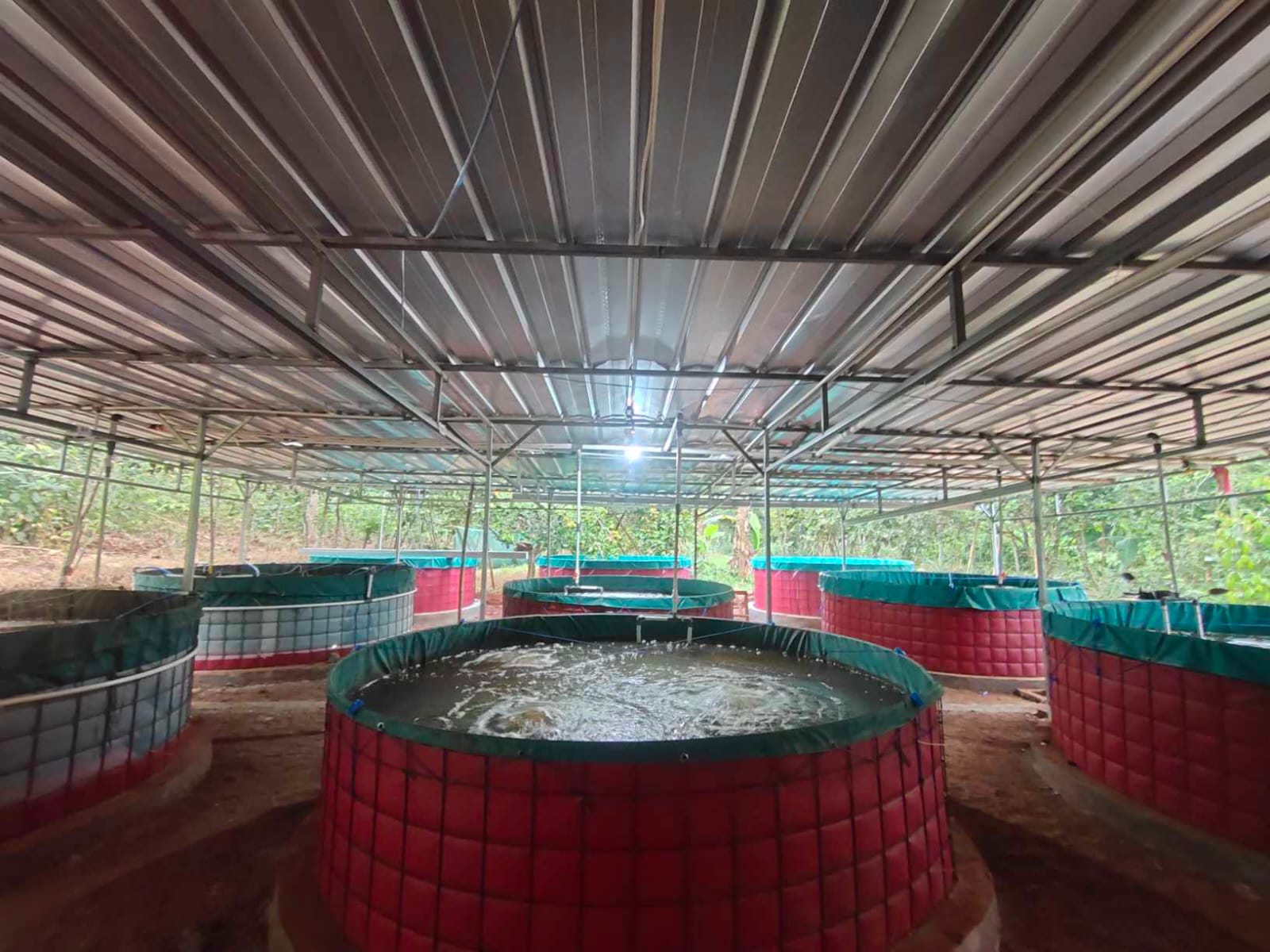
Adopting sustainable practices in tilapia farming not only benefits productivity but also has a significant positive impact on the environment. By implementing more environmentally friendly methods, fish farmers can reduce excessive use of natural resources and minimize pollution resulting from cultivation activities. These practices help maintain the balance of the ecosystem, ensuring that natural resources remain available for future generations.
In addition to environmental impacts, sustainable practices also have a positive impact on the efficiency and health of the cultivation system itself. For example, by using a water recirculation system, cultivator Fish can save water and reduce operational costs. The adoption of sustainable practices also has the potential to improve the quality of products produced, making them more attractive to consumers who are increasingly aware of the importance of sustainable consumption.
Implementing sustainable practices also opens up opportunities for community engagement and education. Involving local communities in sustainable fish farming efforts can create greater awareness about the importance of protecting the environment and build social support for environmentally friendly practices. Education about the importance of consuming sustainable food from fish can also help encourage changes in consumer behavior, creating a market that is more supportive of products produced through responsible farming methods. Here are some key sustainable practices that can be implemented in tilapia farming:
1. Integrated aquaculture
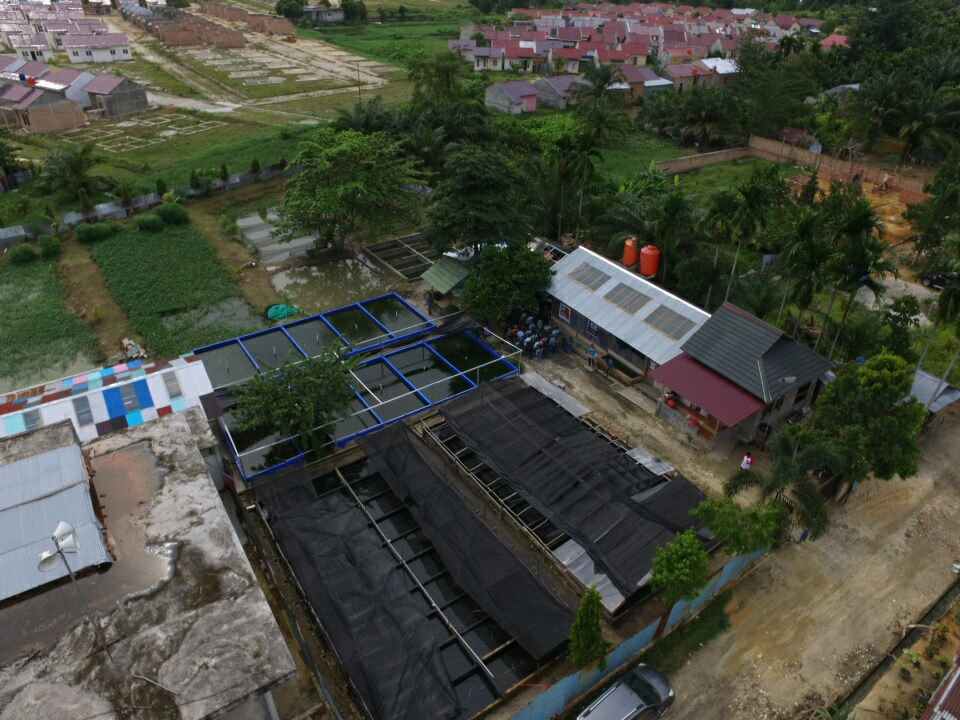
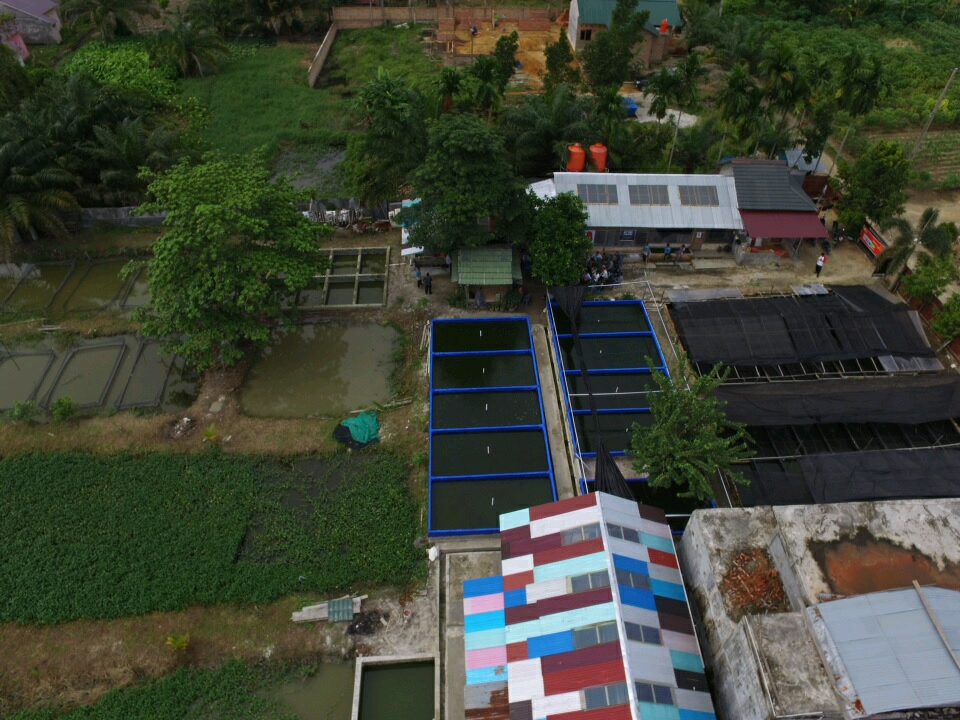
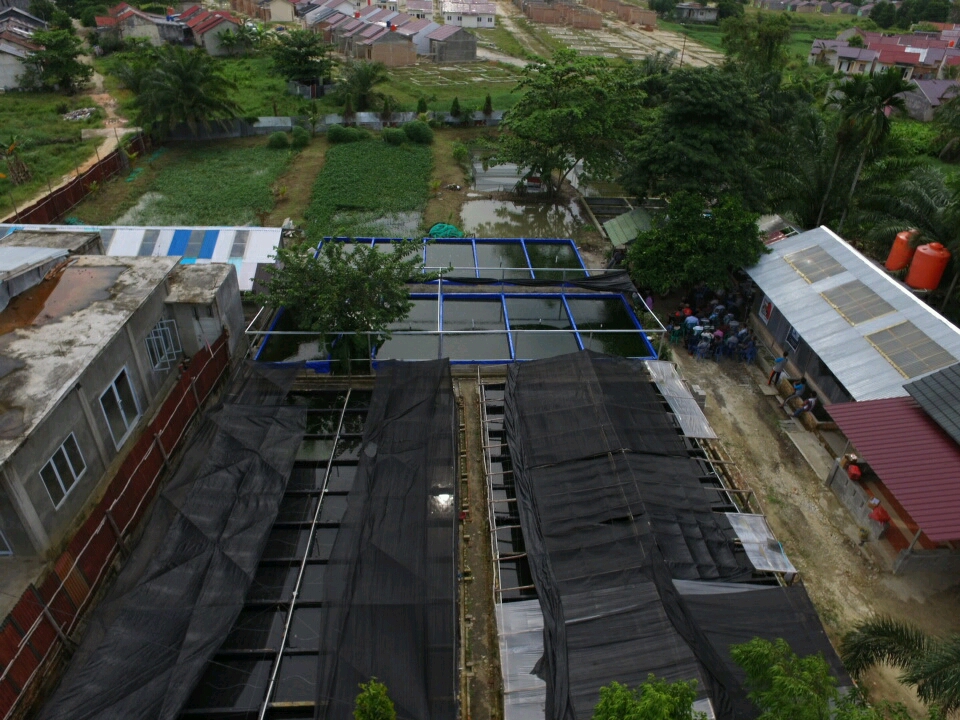
Integrated aquaculture is an innovative approach that combines fish farming with agriculture, creating a mutually beneficial system between the two practices. In this concept, waste produced from fish farming is used as a source of nutrition for plants. One of the most well-known forms of integrated aquaculture is aquaponics, where fish and plants are cultivated simultaneously in a symbiotic system.
In an aquaponics system, fish waste is broken down by bacteria into nutrients that can be absorbed by plants. This process involves nitrifying bacteria that convert ammonia from fish waste into nitrates, which are then used by plants as natural fertilizer. The plants that grow in this system, in turn, help purify the water by absorbing existing nutrients, so that clean water can be returned to the fish pond. This creates an efficient and environmentally friendly closed cycle, reducing the need for synthetic chemical fertilizers.

Example of an aquaponics system: PSM Jogja
The main advantages of integrated aquaculture are increased productivity and reduced waste. By using fish waste as fertilizer, farmers can reduce costs associated with purchasing chemical fertilizers and reduce negative impacts on the environment. In addition, this system also allows the simultaneous production of plants and fish in the same space, increasing the efficiency of land and water resource use.
Integrated aquaculture also offers advantages in terms of sustainability. This system helps reduce water pollution which is often a problem in conventional fish farming. By processing waste efficiently, water quality can be maintained, reducing the risk of contamination of the surrounding environment. This practice also promotes wiser and more sustainable use of resources, supporting more environmentally friendly agriculture and fisheries.
2. Recycling and water management
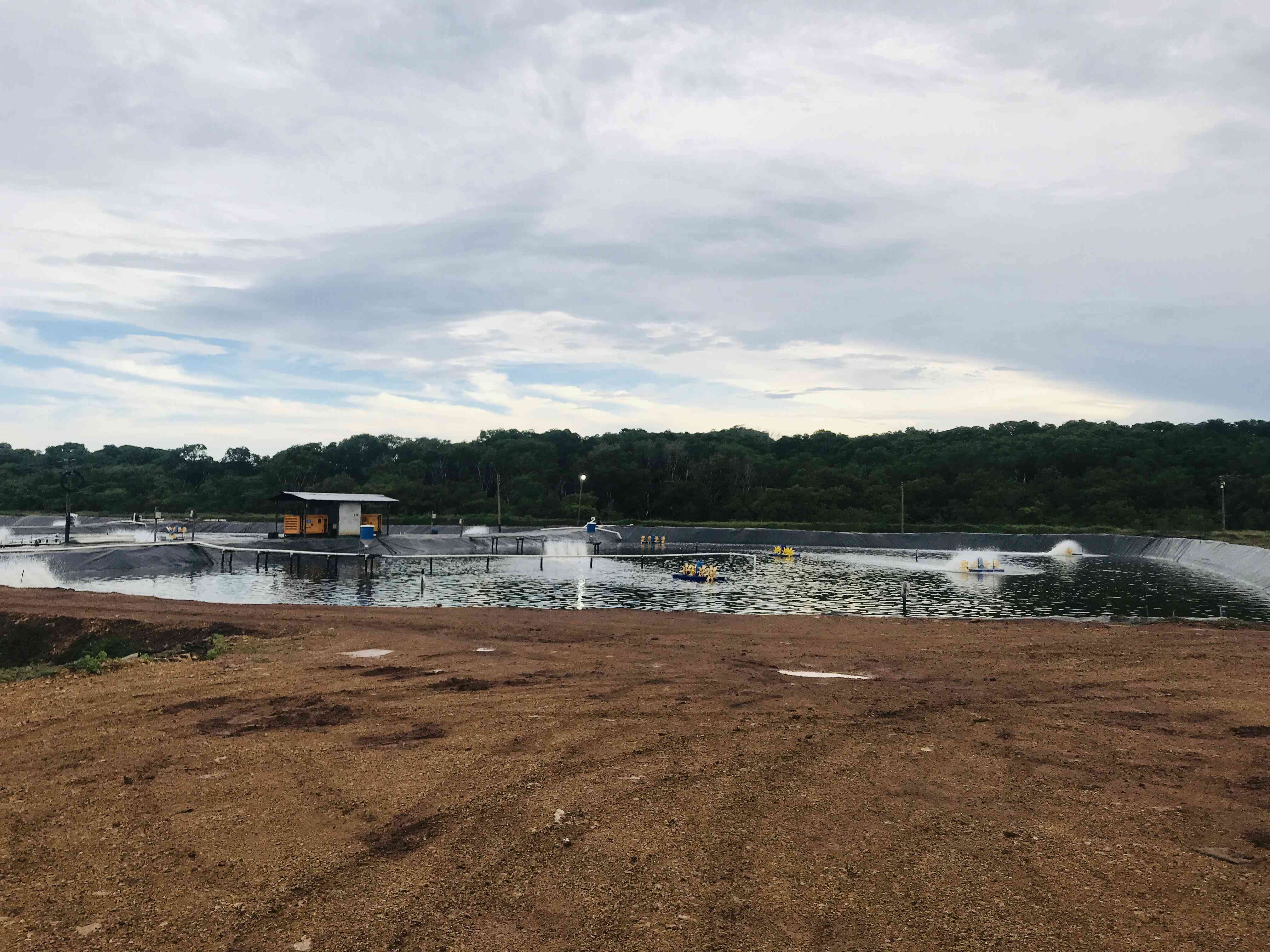
Usage recirculating aquaculture system (RAS) is an important innovation in sustainable fish farming, because it is able to minimize water use by recycling the water used. In RAS, water from fish ponds is processed through various stages of filtration to remove waste and organic particles, then the clean water is returned to the pond. This process allows water to be reused repeatedly, reducing waste and conserving precious water resources, especially in areas facing water shortages.
The main advantages of RAS are significant water savings and better water quality management. By recycling up to 90 percent of the water, this system reduces the need for new water supplies and helps fish farmers save on operational costs. In addition, RAS ensures that the water released back into the environment meets established quality standards, so that it does not pollute the local ecosystem. This system also includes a biological filtration process that converts ammonia into nitrate, which is safer for fish, ensuring fish health and optimal growth.
In addition to saving water and managing water quality, RAS enables better environmental control in fish farming. By adjusting parameters such as temperature, pH and oxygen levels, farmers can create optimal conditions for fish growth, reducing the risk of disease and stress in fish. The use of advanced technology to monitor and manage the system in real-time also helps farmers optimize their operations, ensuring the system runs efficiently and effectively. RAS is the best solution to increase productivity and sustainability in fish farming, as well as supporting the sustainability of natural resources and development of the fisheries sector towards a better direction.

Cultivation pond with RAS: FisTx Indonesia
3. Providing organic feed
The use of organic feed and local food sources in tilapia farming is an important step to reduce the environmental footprint of this farming activity. Organic feed derived from local resources has a double advantage; first, supporting the local economy by creating demand for local products; secondly, reducing negative impacts on the environment. Organic feed is usually produced using more environmentally friendly methods, without the use of synthetic chemicals that can pollute soil and water. By reducing dependence on commercial feed which is often produced from imported raw materials and through energy-intensive processes, fish farmers can reduce carbon emissions and the ecological footprint of their farming.
In addition to supporting the local economy and reducing environmental impact, organic and local feed also plays an important role in improving fish health. Organic feed is usually richer in natural nutrients and free from harmful contaminants found in commercial feed. This better nutrition can improve fish growth, increase their resistance to disease, and produce fish with better nutritional quality. In addition to organic feed, incorporating natural food sources such as algae and plankton into your fish's diet can provide additional benefits. Algae and plankton are natural food sources rich in essential nutrients such as protein, vitamins and minerals. The use of these natural foods can also help maintain ecosystem balance in the cultivation system, because they are part of the natural food chain.
4. Energy efficiency
The application of energy-saving technology in aeration, filtration and heating processes is very important to achieve sustainable fish farming. The aeration and filtration process requires quite a lot of energy, and by using more efficient technology, energy consumption can be reduced significantly. For example, pumps and blowers designed for high efficiency can reduce energy consumption without sacrificing performance. In addition, more efficient heating technology can ensure optimal temperatures for fish growth with lower energy use.
Using renewable energy sources such as solar or wind power to run cultivation operations also offers great advantages. Renewable energy sources can reduce dependence on fossil fuels and reduce carbon emissions, which is important for reducing the environmental footprint of fish farming. Solar panels, for example, can be used to power aeration and filtration equipment, while wind turbines can provide the additional power needed for cultivation operations. Investing in this technology may require high initial costs, but the long-term benefits of energy savings and reduced environmental impact make it a viable option.
5. Promotion of biodiversity
Maintaining a variety of fish and plant species in aquaculture systems can increase ecosystem stability and reduce the risks of monoculture. Monoculture, or reliance on a single species, often results in serious problems such as the rapid spread of disease and reduced genetic quality due to lack of variation. When a disease attacks one species in a monoculture system, the entire population is at risk of being affected, which can cause major losses for the farmer. In addition, a decrease in genetic quality can occur due to a lack of internal diversity gene pool (gene pool), which reduces the species' ability to adapt to environmental changes and increases the risk of cultivation failure in the long term.
By maintaining biodiversity, fish farmers can create a system that is more balanced and resistant to external disturbances. Keeping a variety of fish and plant species allows for beneficial interactions between species, such as natural control of pests and diseases, and more efficient use of nutrients. For example, some species of fish can eat pests or parasites that bother other species, while certain plants can help purify water and provide shelter for fish. Apart from that, biodiversity also provides economic benefits for cultivators by providing various marketable products.
6. Waste management
Effective waste management practices are essential in fish farming to minimize pollution and negative impacts on the environment. Waste produced from fish farming, if not managed properly, can pollute the water and soil around the farming location, causing damage to the local ecosystem. One innovative solution to overcome this problem is to convert fish waste into biofertilizer which can be used in the cultivation process. This process involves breaking down organic waste through methods such as compost or anaerobic fermentation, which produces nutrient-rich organic fertilizer. By utilizing fish waste as biofertilizer, not only reduces pollution but also provides added value by creating products that are beneficial to the fisheries sector.
Apart from economic benefits, a good waste management system can significantly reduce the risk of water contamination and maintain water quality around cultivation sites. Effective waste processing ensures that waste water released back into the environment has gone through an adequate purification stage, so that it does not contain dangerous substances that can damage aquatic ecosystems. This management system includes the use of technology such as biofilters, sedimentation ponds and artificial wetlands which are able to filter and decompose organic materials and pollutants.
7. Habitat conservation
Protecting natural waters and surrounding habitats from pollution and degradation is a crucial component of sustainable fish farming practices. Natural waters are often the primary source of water for fish farming, and degradation of water quality due to pollution can disrupt local ecosystems and negatively impact fish health and productivity. Seeing this, it is important for fish farmers to implement conservation practices aimed at maintaining local biodiversity and ensuring that farming activities do not damage the local ecosystem. Steps such as managing waste well, reducing the use of chemicals, and maintaining vegetation around water bodies can help protect the environment.
8. Community Engagement
Education and involvement of local communities play an important role in increasing awareness and participation in sustainable cultivation practices. By providing information about environmentally friendly cultivation techniques and their impact on the ecosystem, communities can understand how important it is to maintain a balance between food production and environmental conservation. Educational programs involving workshops, seminars and information campaigns can help local communities understand the benefits of sustainable cultivation practices and how they can contribute to conservation efforts. This involvement not only increases awareness but also strengthens the community's commitment to environmental conservation.
Promoting sustainable consumption of fish foods and raising awareness about the environmental impacts of fish farming can create market demand that is aware of environmental issues. More educated consumers tend to choose products produced using environmentally friendly methods, supporting a market focused on sustainability.
Source
Yousef Eltahawy, https://www.linkedin.com/posts/yousef-eltahawy-62006b115_tilapiafarming-sustainablefarming-aquaculture-activity-7218705895227047937-cJyd/?utm_source=share&utm_medium=member_android