
On the pristine western shores of Java, a systemic transformation is quietly redefining Indonesia’s approach to coastal development. The Tanjung Lesung Special Economic Zone, traditionally a hub for conventional leisure, is now pivoting toward a sustainable future by merging high-end tourism with aquaculture education and marine conservation.
The Tanjung Lesung Special Economic Zone (SEZ) stands as the very first specialized economic area in Indonesia that is exclusively focused on the tourism sector. Situated strategically in the Pandeglang Regency of Banten, this expansive area is specifically designed to be a seamlessly integrated, international tourist destination. Geographically, the Tanjung Lesung SEZ possesses a highly strategic position, effectively serving as a vital maritime tourism gateway at the far western tip of Java Island.
Formally established through Government Regulation Number 26 of 2012, the Tanjung Lesung SEZ officially commenced its operations in 2015. The designated zone encompasses approximately 1,500.0 hectares (3,706.6 acres) of land, featuring a long, verdant, and beautifully untouched coastline. Its prominent location on the westernmost tip of Java provides visitors with unhindered, easy access to iconic natural tourist attractions in the vicinity, notably including the Ujung Kulon National Park and the historically significant volcanic Mount Anak Krakatau.
As a special economic zone explicitly dedicated to tourism, the developmental trajectory of the Tanjung Lesung SEZ has largely materialized through the construction of five-star hotels, high-end resorts, and luxury villas. Furthermore, future development plans within the Tanjung Lesung SEZ articulate that a yacht marina and a comprehensive water sports center will also be developed. Crucially, supporting infrastructure—such as the ongoing construction of the Serang-Panimbang Toll Road—will significantly cut travel time from Jakarta, reducing what was previously a tedious journey of 4.0 to 5.0 hours to a much shorter, highly efficient transit of merely 2.0 to 3.0 hours.
The Indonesian government proactively offers various attractive administrative and financial incentives for investors injecting capital into the region, ranging from highly streamlined licensing processes to favorable taxation facilities, specifically including comprehensive tax holidays and tax allowances. The overarching objective behind these policies is to create vital new employment opportunities for the local communities residing in Banten, increase foreign exchange earnings through a projected surge in international tourist arrivals, and accelerate the equitable distribution of economic development across the broader southern Banten region.
Furthermore, the Tanjung Lesung SEZ operates as an integral component of the government's ambitious "10 New Balis" program, an initiative designed to successfully diversify premier tourist destinations beyond the celebrated Island of the Gods. Given its location being relatively close to the nation's capital, the region is officially projected to become a new epicenter of economic growth within the broader leisure and hospitality sectors.

Various tourism packages available in Tanjungjaya Village range from marine nature attractions, coral reef transplantation, and Banten Sundanese arts and culture, to local handicrafts that serve as the signature souvenirs of Tanjung Lesung: Jadesta Kemenpar
At present, the developmental direction of the region no longer relies solely on static natural beauty; rather, it has begun structurally transforming toward the concept of "Aquatourism". This innovative concept elegantly integrates mainstream tourism activities with vital aquaculture education and rigorous environmental conservation efforts, an approach that is hoped to create a tourism experience that is both more meaningful and ecologically sustainable over the long term. Ultimately, Aquatourism is expected to deliver inclusive, far-reaching benefits for all involved stakeholders across the spectrum.
Revitalization of Fish Aggregating Devices: the gateway to interactive governance
Based on the rigorous results of a 2022 social-ecological system research study, there are exactly 51 defined components that directly influence the regional governance within this area. Although the private sector currently occupies a central, commanding role in operations, the current performance of the region's governance is comprehensively assessed as needing significant improvement to avoid becoming permanently trapped in a traditional "business as usual" paradigm.
The subsequent development of marine fish aggregating devices (known locally as rumpon) is no longer solely intended as a mechanism to create artificial "fish houses" for local fishermen; rather, it functions as a highly valuable educational tourism asset. Through an innovative Co-Governance model, these devices are managed collaboratively between the zone's administrators and the local community, effectively repurposing them into designated spots for recreational snorkeling, eco-friendly fishing practices, and dedicated centers for learning about delicate marine ecosystems.
'Economy Plus' Lift-Net Fishermen
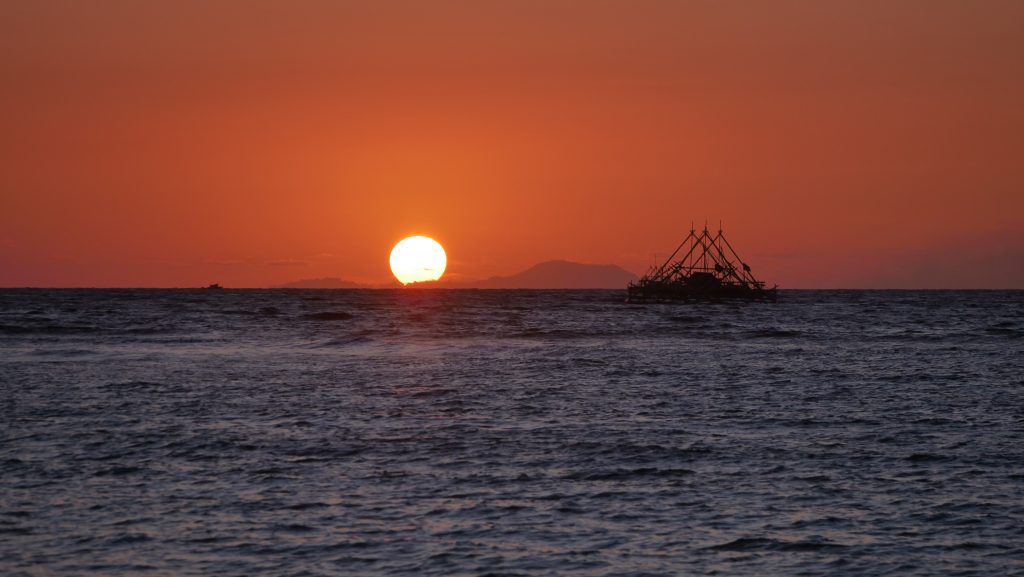
Transforming the traditional lift-net fishing platforms (Bagan) in the Pandeglang Regency into prominent marine tourism objects represents a highly potential strategic step, particularly bolstered by the presence of the Tanjung Lesung Special Economic Zone (SEZ). Under this framework, the platforms are no longer viewed merely as industrial production tools, but rather as multifaceted recreational units that elegantly offer a uniquely immersive experiential tourism opportunity.
The following outlines the specific strategies implemented to transform these traditional fishing platforms into high-value marine tourism objects:
1. The "Night Light Fishing Experience" concept
These aquatic platforms notably possess extraordinary visual appeal at night due to their brightly illuminated lamps situated isolated in the middle of the sea. Interested tourists are invited to stay overnight or simply visit during the evening hours to directly observe the intricate, labor-intensive process of setting and subsequently hauling the massive nets. The captivating phenomenon of marine fish biologically gathering beneath the bright lights presents an exotic and mesmerizing sight, particularly for urban dwellers unfamiliar with such marine environments.
2. Gastronomy tourism: "Catch & Cook"
One of the most common logistical weaknesses of conventional marine tourism is the considerable delay between the time of the catch and the eventual time of consumption. Addressing this, tourists may directly prepare their freshly caught seafood—such as highly sought-after anchovies, fresh squid, or other small pelagic fish—right on the wooden deck of the platform. Eating fish that one has personally caught against the breathtaking backdrop of the open sea undeniably provides an authentic and luxurious culinary experience.
3. Integration with fish aggregating device revitalization (aquatourism)
The fishing platforms may effectively serve as a maritime transit point or an interactive information hub for other surrounding maritime tourism activities. This explicitly involves connecting the platforms directly with the newly revitalized fish aggregating device zones. Visitors could easily participate in snorkeling around these specific devices, which seamlessly serve as thriving natural habitats for colorful reef fish, before finally resting comfortably on the platforms. Furthermore, the initiative works by positioning the platform fishermen to act as trained "conservation guides" who carefully explain the critical importance of protecting the ocean to ensure the long-term biological sustainability of the daily catch.

A view of fish aggregating devices (rumpon) from the roadside of Jalan Taman Nasional Ujung Kulon
4. Improvement of facility and safety standards (tourism SOP)
In order to become a viable tourism product suitable for international marketing—especially to appropriately support the overarching goals of the Tanjung Lesung SEZ—there must be stringent, uncompromising standardization. This necessarily includes the mandatory provision and enforced use of standard life jackets during sea crossings and while aboard the platforms. Additionally, it fundamentally requires the structural renovation of the platforms to ensure far greater physical stability, the addition of clean seating areas for guests, and the absolute provision of adequate, eco-friendly sanitation facilities. This intensive effort must be coupled with scheduled shuttle boat partnerships that adhere strictly to the exact same rigorous safety standards.
5. Edu-Tourism for students and researchers
The traditional fishing platforms may effectively serve as floating field laboratories for students or university scholars eager to study a diverse variety of scientific subjects. These include distinct aspects of marine biology, specifically concerning the various types of fish that are naturally attracted to light, direct field comparisons between traditional and modern fishing technology, and the broader, highly critical management of natural marine resources.
6. Branding: "The Floating Lanterns of Pandeglang"
From a strategic marketing perspective, the platforms may be elegantly branded and subsequently portrayed as "The Floating Lanterns of Pandeglang". The curated experience involves narrating the deep socio-cultural history of the platform fishermen in Banten, detailing how they historically learned to read natural environmental cues, and explaining how this indigenous maritime technology has remarkably survived through generations. It also respectfully involves providing iconic photography spots without interfering with the fishermen's rigorous daily work routines, thereby ensuring that the "authenticity" of the local atmosphere remains wholly and permanently preserved.
7. Community and Tanjung Lesung SEZ collaboration
This socio-economic transformation must be heavily rooted in Community Based Tourism; the local fishermen strictly remain the primary owners and chief managers of the maritime assets. The formal tourism management operators, such as those stationed at Tanjung Lesung, function primarily as external guest distributors and strict guarantors of quality service standards. Consequently, the fishermen safely secure a highly beneficial dual income stream: one derived directly from their daily maritime catch and another generated from the provision of tourism services. The most immediate practical step forward could be initiated by establishing exactly one "Pilot Platform" situated in the absolute calmest wave area around Pandeglang, which would be specifically and robustly designed to receive a highly limited number of guests under very strict safety protocols.

Tanjung Lesung culinary tourism as one of the activities within the creative economy tourism village in Tanjungjaya Village: Jadesta Kemenpar
Attraction diversification: pacific whiteleg shrimp and marine fish aquaculture
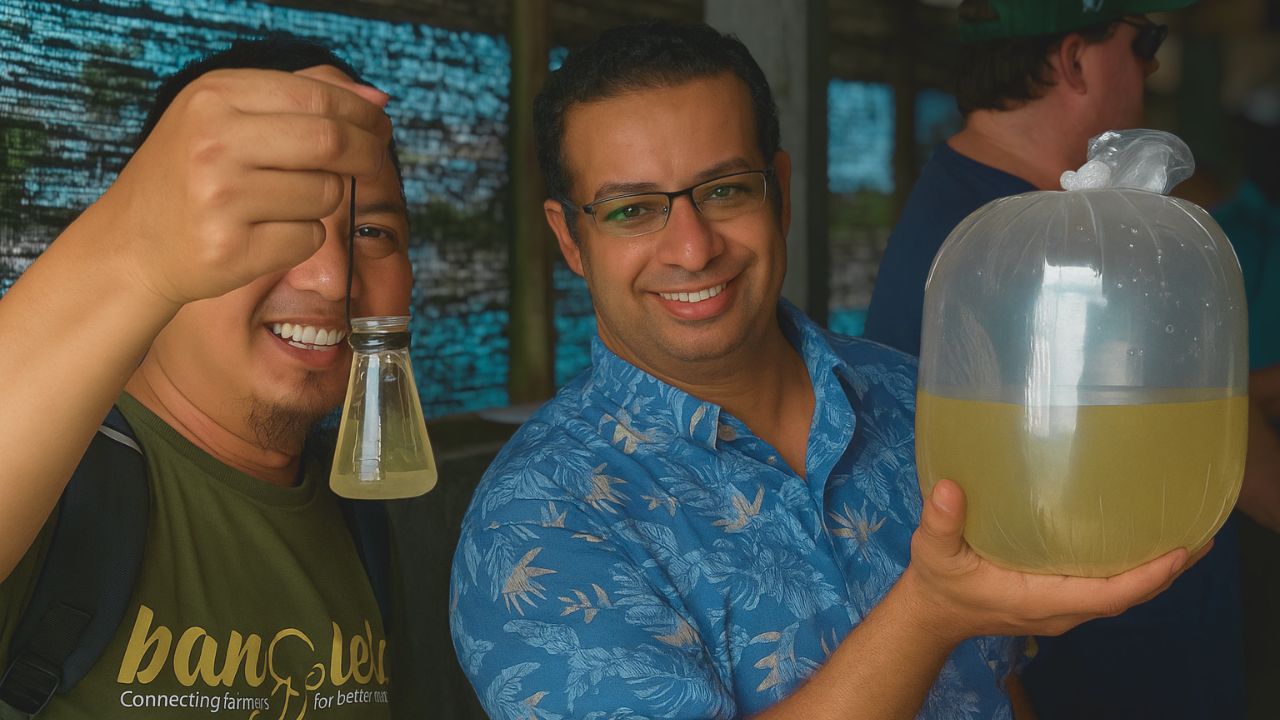
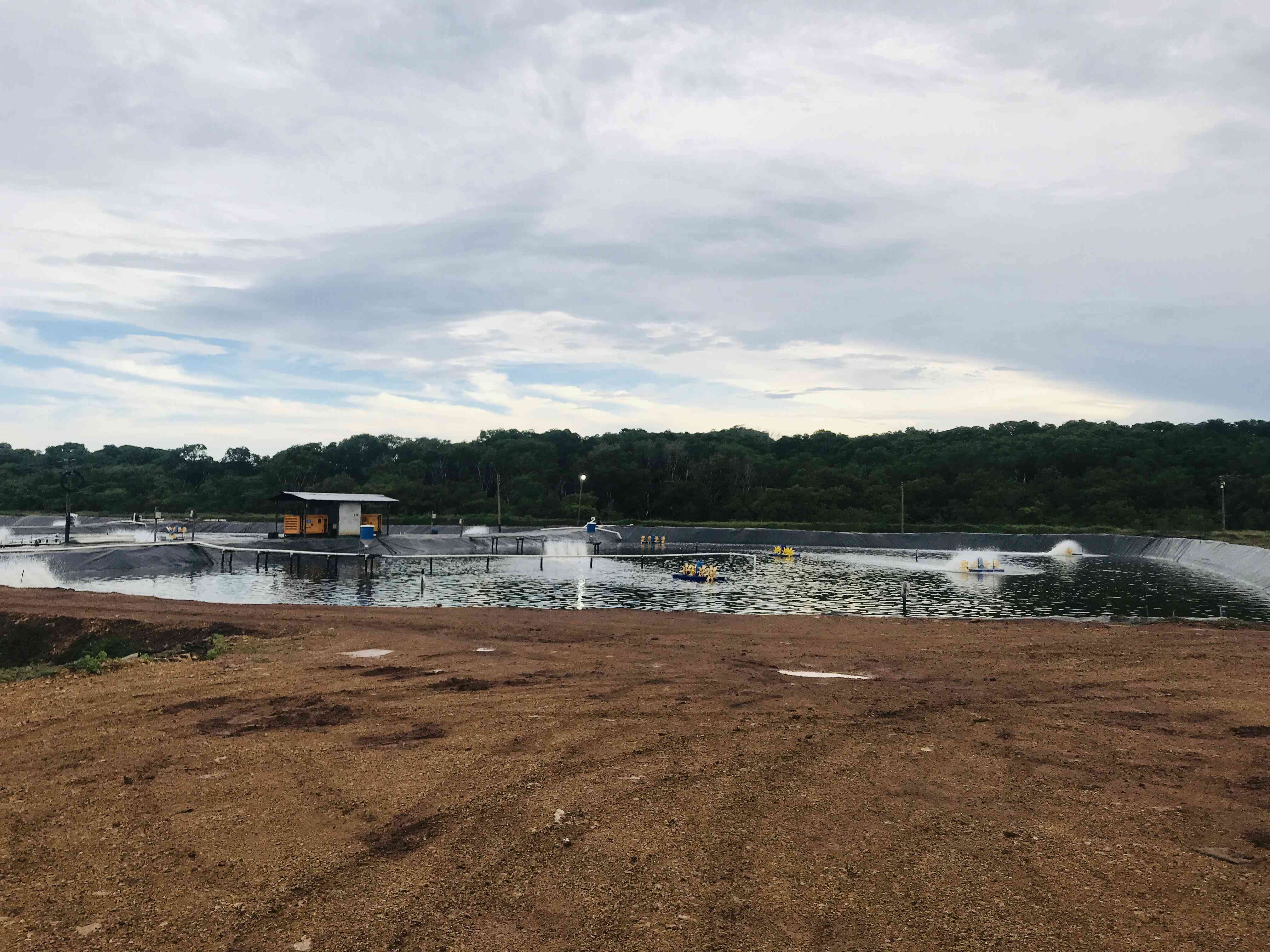
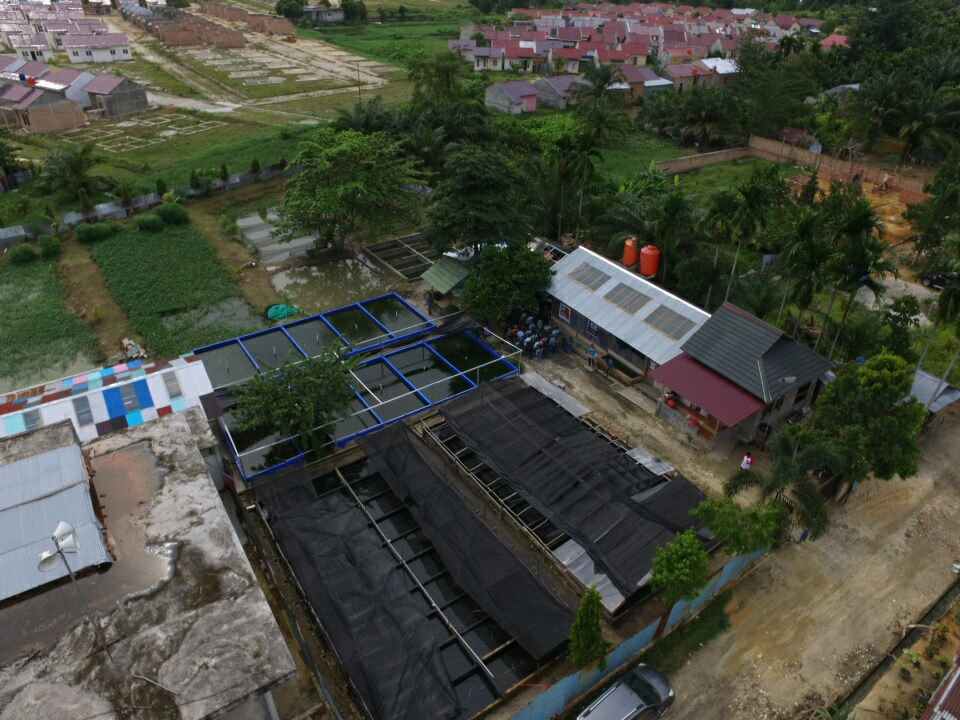
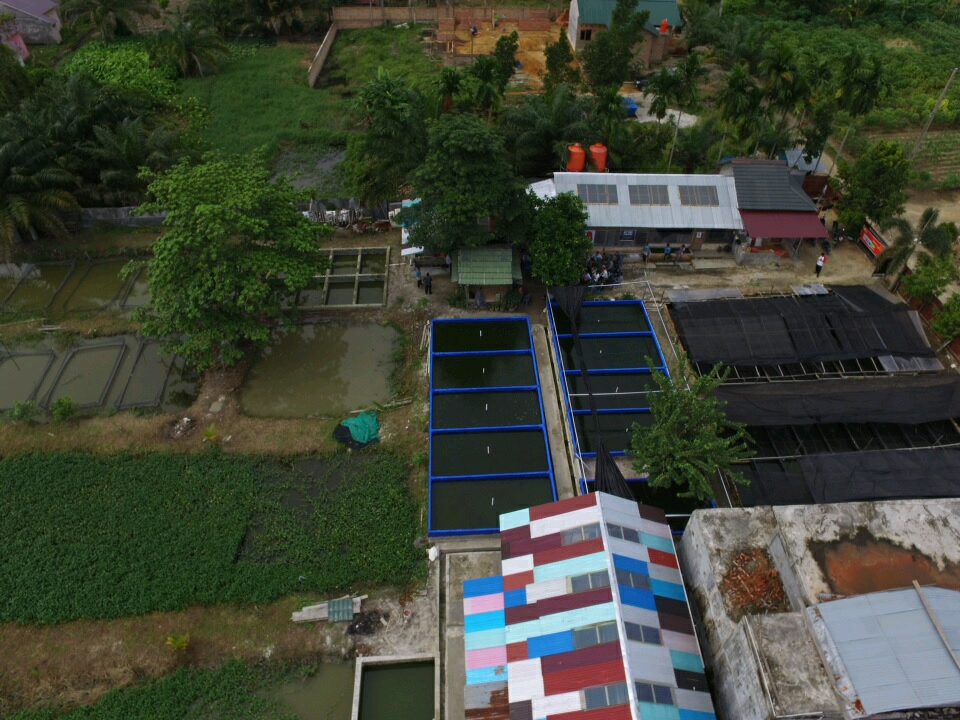
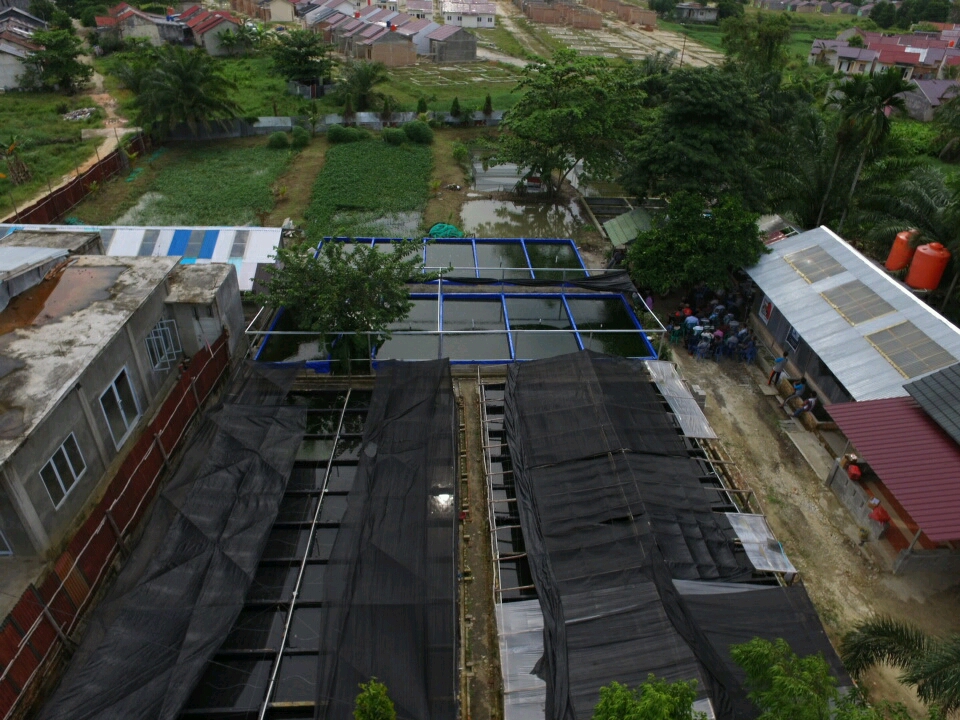
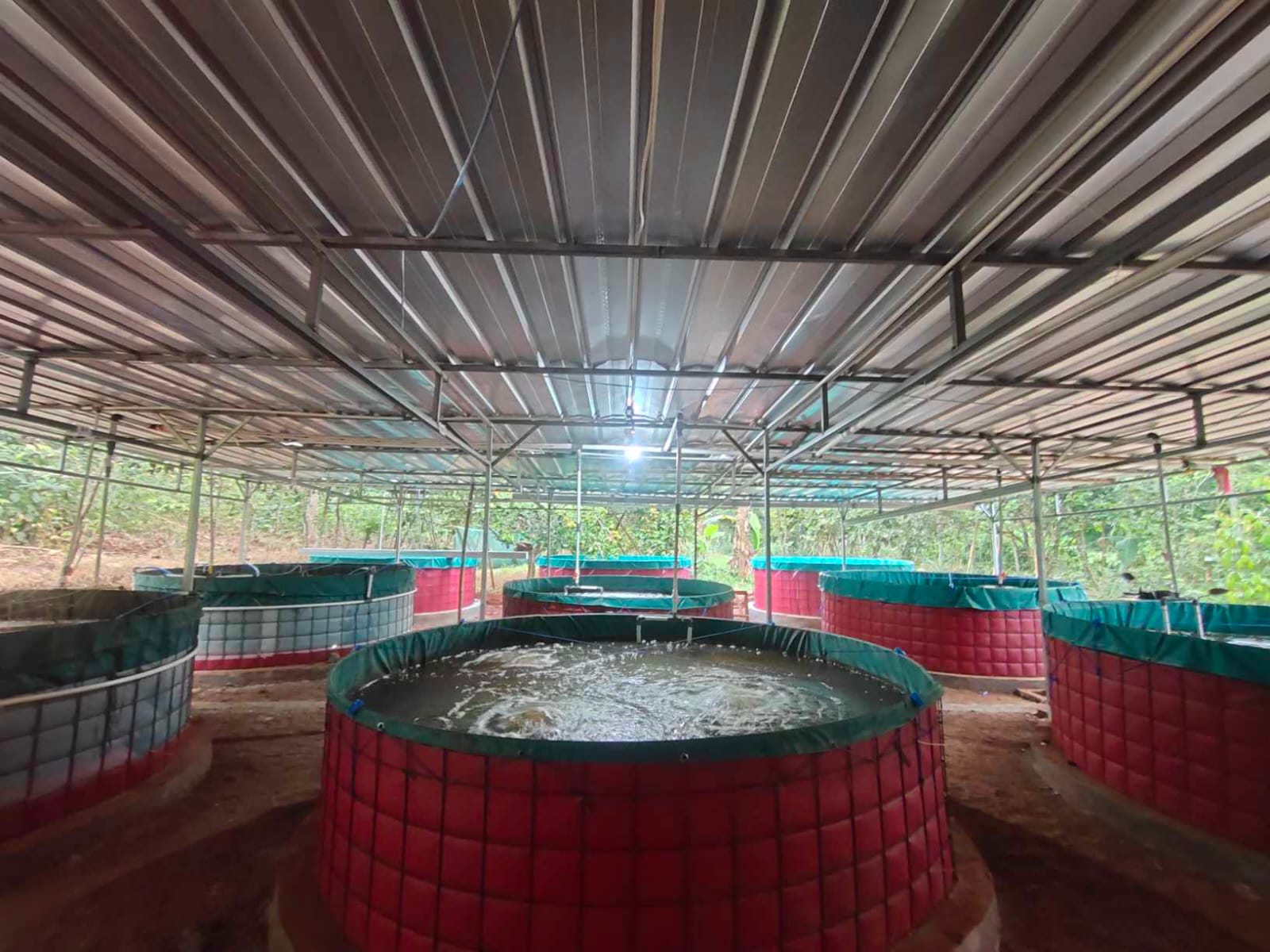
Aquatourism in Tanjung Lesung clearly possesses significantly broader underlying potential by structurally integrating the modern aquaculture sector directly into its curated tourism packages. The specialized cultivation of Pacific whiteleg shrimp (Vaname) can seamlessly integrate professionally managed intensive shrimp ponds, which may structurally become an engaging educational attraction regarding the absolute latest aquaculture technologies. These lessons range comprehensively from advanced feed management to the highly complex implementation of eco-friendly waste processing systems.
Furthermore, sophisticated marine fish farming utilizing Floating Net Cages (KJA) specifically intended for high-value aquatic commodities may be robustly developed as a premier culinary tourism destination. Simultaneously, it can act as a venue for interested tourists to learn practical, hands-on fish rearing techniques directly at sea. This thoughtfully creates a powerful, ongoing conservation synergy that subsequently exposes visitors to the rare, highly protected footprints of the rhinoceros in Ujung Kulon. The fundamental potential of this Aquatourism initiative will predictably grow increasingly robust if it is carefully connected with the expansive wealth of conservation efforts currently active in the surrounding areas. The exceptionally close geographical proximity of the Tanjung Lesung SEZ directly to the Ujung Kulon National Park realistically allows for the creation of immersive cross-ecosystem tourism packages. Tourists may initially enjoy the rich educational side of aquaculture in Tanjung Lesung, and then subsequently continue their regional journey to learn extensively about the critical conservation of the iconic Javan Rhino.
This purposeful, structured synergy optimally positions Pandeglang as a world-class destination center that harmoniously combines the rapid, ongoing advancements in modern aquaculture technology with the vital, unyielding preservation of ancient wildlife. Serving as a compelling magnet for foreign tourists and a dedicated center of interactive learning, a major expectation fundamentally underlying this expansive development is the successful attraction of international tourists who align philosophically with the rising global trends of slow travel and educational tourism. Discerning travelers from various international nations now tend to actively seek out specific destinations that explicitly offer new knowledge and profoundly enriching learning experiences.
Learning while vacationing at the Tanjung Lesung SEZ could easily serve as a dynamic natural laboratory for eager university students, industry practitioners, and curious international travelers hoping to deeply explore Indonesian tropical aquaculture techniques within a luxurious, highly exclusive holiday atmosphere. By rigorously adhering to international standards heavily coupled with a deeply participatory approach that actively involves local community members as professional guides, the overarching quality of service will substantially increase. This holistic improvement will ultimately provide a direct, highly tangible economic impact for the local residents of Pandeglang.
Toward modern participatory collaboration
The systematic transformation of Tanjung Lesung into a world-class Aquatourism hub absolutely requires modern collaboration. The old institutional paradigm, which was characteristically top-down in its operational nature, must consciously shift into a fundamentally more participatory approach where the private sector, the national and regional government, and the local community actively operate on one shared, highly coordinated frequency. By seamlessly combining the vast potential of marine fish aggregating devices, advanced shrimp and marine fish farming technologies, and the dedicated protection of the delicate rhinoceros habitat in Ujung Kulon, the Tanjung Lesung SEZ will eventually not only be recognized as a beautiful place for leisure, but rather as a defining, global symbol of the intricate balance between robust economic progress, expansive global education, and the unyielding preservation of the underwater natural world.