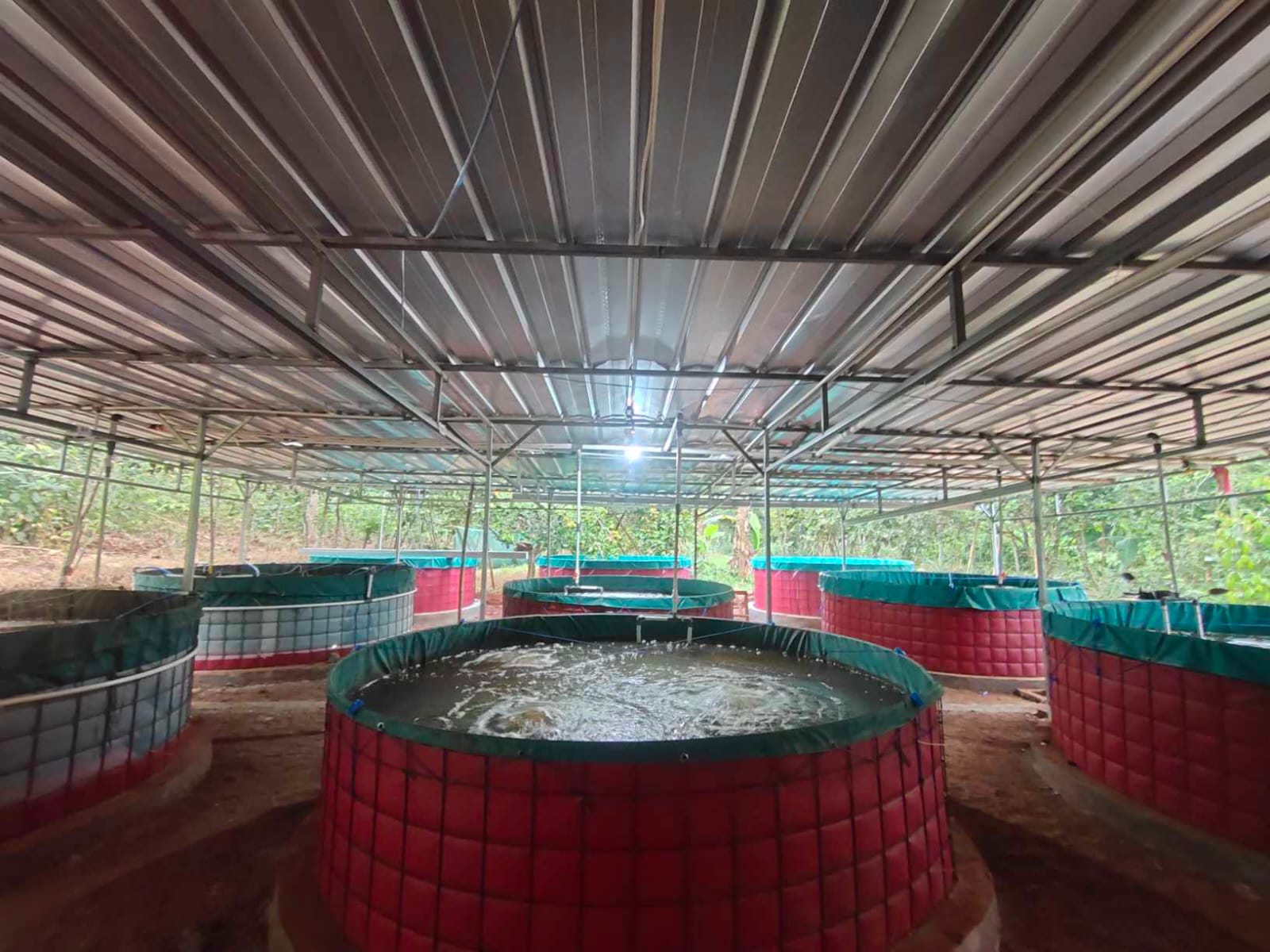
Vannamei shrimp cultivation is a promising fisheries sector, both in terms of economics and food security. In this cultivation, water quality plays a very important role as the main medium for the growth and development of vannamei shrimp. One effective method for maintaining water quality is through changing pond water. This article will comprehensively review the importance of changing pond water in cultivating vannamei shrimp, the benefits obtained, the principles of changing water, the right time to change water, and how to change pond water properly and correctly.
The importance of changing pond water in vannamei shrimp cultivation
Changing pond water is a safe and effective water quality management step that must be carried out during shrimp farming. The water in shrimp ponds not only functions as a habitat, but also as a medium that provides oxygen, nutrients and other environmental parameters that support shrimp growth. Therefore, maintaining optimal water quality is very important. Decreased water quality can occur at any time due to various factors, such as the buildup of organic matter, increased ammonia concentrations, or plankton blooms.
The benefits of changing pond water in cultivating vannamei shrimp are very large to maintain optimal water quality and support shrimp growth. One of the main benefits of changing water is regulating the temperature of the pond water so that it remains stable, avoiding fluctuations that can cause stress in shrimp. Apart from that, water changes also play an important role in preventing an increase in salinity, especially in the dry season where water evaporation can increase salinity. With regular water changes, salinity can be controlled to a level suitable for shrimp growth.
Water changes also increase the concentration of dissolved oxygen (DO) in the pond, because new water generally has higher oxygen levels. Additionally, water changes help reduce excessive phytoplankton, which can cause decreased water quality and reduce dissolved oxygen. A buildup of nutrients such as nitrogen and phosphorus can stimulate excessive growth of algae and phytoplankton, but water changes help reduce the concentration of these nutrients.
Other benefits include reducing the concentration of ammonia, nitrate and nitrite which are the results of shrimp metabolism and feed waste. These substances, when accumulated, can be toxic to shrimp. Water changes also help remove metabolic waste and organic matter that accumulates at the bottom of the pond, as well as replace water lost due to evaporation, so that water volume and quality remain optimal.
Principles of changing pond water
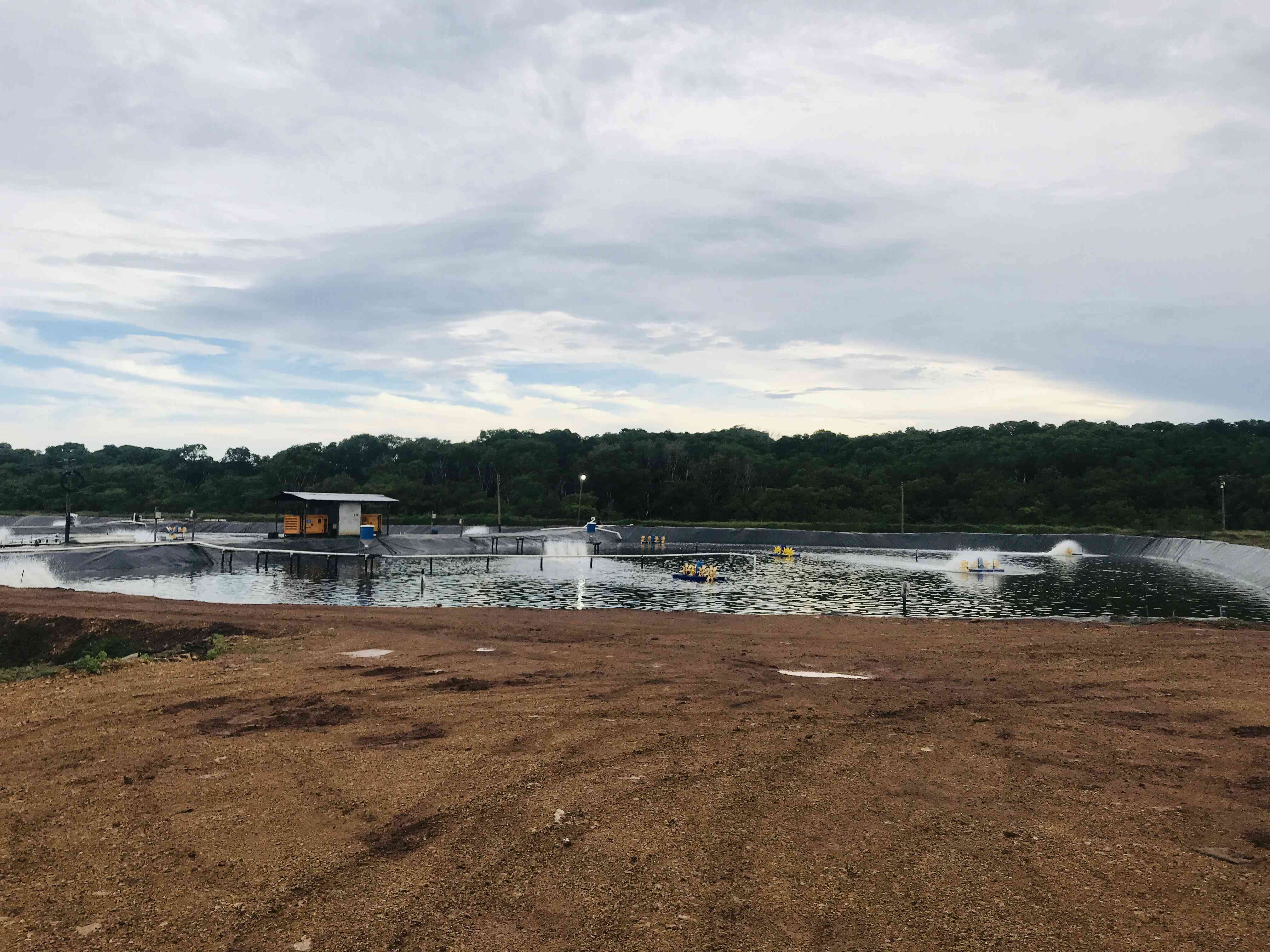
The main principle of changing pond water is to replace poor quality water with better water. Water changes should be done in small amounts to avoid stress on the shrimp and prevent a sudden decrease in dissolved oxygen due to plankton death. To avoid stratification of water quality, it is necessary to use an aerator or water wheel so that the poor quality water at the bottom mixes with freshwater.
It is not recommended to change large amounts of water that can change water quality variables significantly, such as changes in salinity of more than 5 ppt or changes in pH of more than 0.5. The volume of water replacement must be considered to minimize changes in composition and mass death of phytoplankton, so that the pond ecosystem remains stable.

Use of water wheels in shrimp ponds
The right time to replace pond water
There is no water change in shrimp ponds that can be done haphazardly and must be implemented at the right time to ensure effectiveness and avoid stress to the shrimp. One indication of the right time to change the water is if the pH of the water increases by more than 0.5 or exceeds a predetermined limit. This is necessary to stabilize the pH and maintain the balance of the pond environment.
Apart from that, changes in water color are also an important sign; water that is too clear with a brightness of more than 80 cm or cloudy water with a brightness of less than 30 cm indicates the need for water changes to maintain its quality. High organic matter content in pond water can damage water quality, so water changes are needed to reduce excessive organic matter.
Decreased appetite for shrimp too can. This is a sign that water quality is declining, so changing the water can help restore water conditions and increase the shrimp's appetite. When a plankton bloom occurs, water changes are very important to reduce the excessive amount of plankton and maintain the balance of the pond ecosystem. Increased shrimp mortality is a serious indicator of water quality problems that require immediate action in the form of water changes to address the causes of mortality.
The appearance of the valve or sheets formed from algae attached to shrimp waste in ponds, also shows the need for water changes to prevent water quality degradation. Klekap can rise to the surface due to the oxidation process triggered by the intensity of sunlight. If left unchecked, the clamp can cause water quality problems, thereby endangering the shrimp. In addition, high levels of pathogenic bacteria such as Vibrio in ponds can be detrimental to shrimp, so water changes help reduce the population of these bacteria and reduce the risk of disease.
Before changing the water, it is recommended to do a siphon first to remove the mud at the bottom of the pond. This process is important to prevent upwelling, namely the rise of mud containing dangerous gasses to the surface of the pond, which can harm shrimp.
Water and siphon change schedule
The water and siphon change schedule is very important in maintaining the water quality of vannamei shrimp ponds, as well as ensuring the pond environment remains optimal for shrimp growth. Based on cultivation days or DOC (days of culture), the water change schedule can be adjusted to accommodate different needs at each stage of shrimp growth. At DOC 0-30, water changes are carried out 4 times a week with a water change percentage of around 2-4 percent.
Then, in DOC 31-37, the frequency of water changes was reduced to 3 times a week with a percentage of 5 percent. After DOC 38, water changes are carried out every day with a percentage of between 3-10 percent depending on the condition of the pond water. Apart from changing the water, siphoning also needs to be done regularly according to a schedule to ensure that the sludge and metabolic waste at the bottom of the pond is disposed of properly. This siphon process helps maintain water quality and prevents the accumulation of organic material which can damage the pond environment.

Illustration of the basic pond siphon process
How to change pond water properly and correctly
How to change shrimp pond water needs to be adapted to the specific conditions of the pond to maintain water quality and shrimp health. First, if the organic material content in the pond is high, the first step that must be taken is to suction using a siphon at the bottom of the pond to remove mud and organic remains. After that, carry out the water tap process, namely removing water and sediment through the central drain without going through the siphon. The final step is to fill the pond with new water according to the volume of water that has been wasted, ensuring that the water quality returns to optimal levels.
Second, when the shrimp's appetite decreases, which is often caused by a decrease in water quality, a pond bottom siphon or water tap needs to be installed to remove organic waste. Filling with new water should be done in the morning to grow plankton which can provide additional nutrition for the shrimp. Apart from that, regular monitoring of water quality is very important to adjust the shrimp's needs and keep the pond environment healthy.
Third, in situations where shrimp mortality increases, the first step is to investigate the cause of death or clinical symptoms that appear. Once the cause is known, a pond bottom siphon is carried out to remove dead shrimp and ensure the pond environment is clean. Water replacement of around 10 percent of the pond water volume is carried out to improve water quality. If the cause of mortality is disease, water filling is carried out in the morning. However, if it is caused by plankton blooming, water filling should be done at night to reduce plankton.
Fourth, when a plankton bloom occurs, the step taken is to drain the water from the pond because plankton is usually on the surface of the water. After that, lime is applied during the day to inhibit the growth of plankton. New water filling is carried out at night to ensure better water quality and reduce excessive amounts of plankton.
Fifth, the emergence of klekap, which is a mixture of pond bottom waste and plankton carcasses, needs to be overcome by removing and filling the water in the morning. Lime is applied in the morning before sunrise, which functions as fertilizer for plankton. In the evening, lime is given again to tie up the klekap that appeared in the afternoon, and the water tap process is carried out at 10:00 PM to ensure the cleanliness of the pond.
Lastly, during the rainy season, rainwater mixing with pond water can dilute minerals that are important for shrimp. Therefore, it is necessary to replace the water with clean water to maintain optimal water quality and anticipate the effects of mineral dilution by rainwater