
The Free Nutritious Meal (MBG) program, executed under the command of the National Nutrition Agency (BGN), has massively transformed the socioeconomic landscape and national food security architecture. Targeting tens of millions of beneficiaries—ranging from schoolchildren and boarding students to pregnant women—this initiative has evolved beyond an instrument for handling stunting to become a macroeconomic catalyst driving the downstream aquaculture economy.
At the operational level, this program absorbs fish supplies at an unprecedented volume. As an estimate, the Ministry of Marine Affairs and Fisheries (KKP) projects that the fish supply required to support the MBG program in Java alone reaches 70,000 metric tons per year, of which about 30,000 metric tons are projected to be consumable catfish. In specific regions with dense student populations, such as Kutai Kartanegara Regency, specialized fish consumption for students spiked, touching 1,831 metric tons. This monumental absorption scale ultimately creates a powerful downstream demand shock, which then ripples backward, exerting extraordinary pressure on the upstream hatchery sector.
Sub-district Nutrition Fulfillment Service Units (SPPG) that produce a constant average of 2,500 to 3,000 daily portions drain the availability of consumable-sized catfish in farmers' ponds. This condition forces cultivators to accelerate their harvest cycles and immediately refill their ponds to maintain the continuity of supply contracts. However, it is crucial to emphasize that the severe shortage of catfish (Clarias sp.) seeds currently occurring in the production epicenters of Java and Sumatra does not represent a mass production failure. This phenomenon is a tangible form of a supply-demand imbalance, where the downstream industry escalation driven by fiscal stimulus operates asymmetrically, far exceeding the biological adaptation capacity of upstream hatcheries. This momentum presents significant economic opportunities, yet simultaneously reveals structural vulnerabilities in the national inland fishery supply chain that demand a comprehensive strategic resolution.
Anatomy of the downstream market surge
Catfish penetration as a prima donna commodity in the MBG menu is driven by its ideal profile as a strategic protein source: affordable prices, even availability across various regions, ease of processing, and high nutritional and amino acid content. MBG regulations apply a "locality principle," mandating SPPGs to absorb raw materials from local cultivators within the closest radius. This system cuts out middleman distribution channels and provides direct absorption certainty (futures contracts) to farmer groups, effectively raising selling prices at the cultivator level. For example, the selling price of catfish at the farmer level in Pekanbaru jumped from 18,000 to 21,000 rupiah per kilogram (approximately 2.2 pounds) due to absorption competition with MBG vendors.
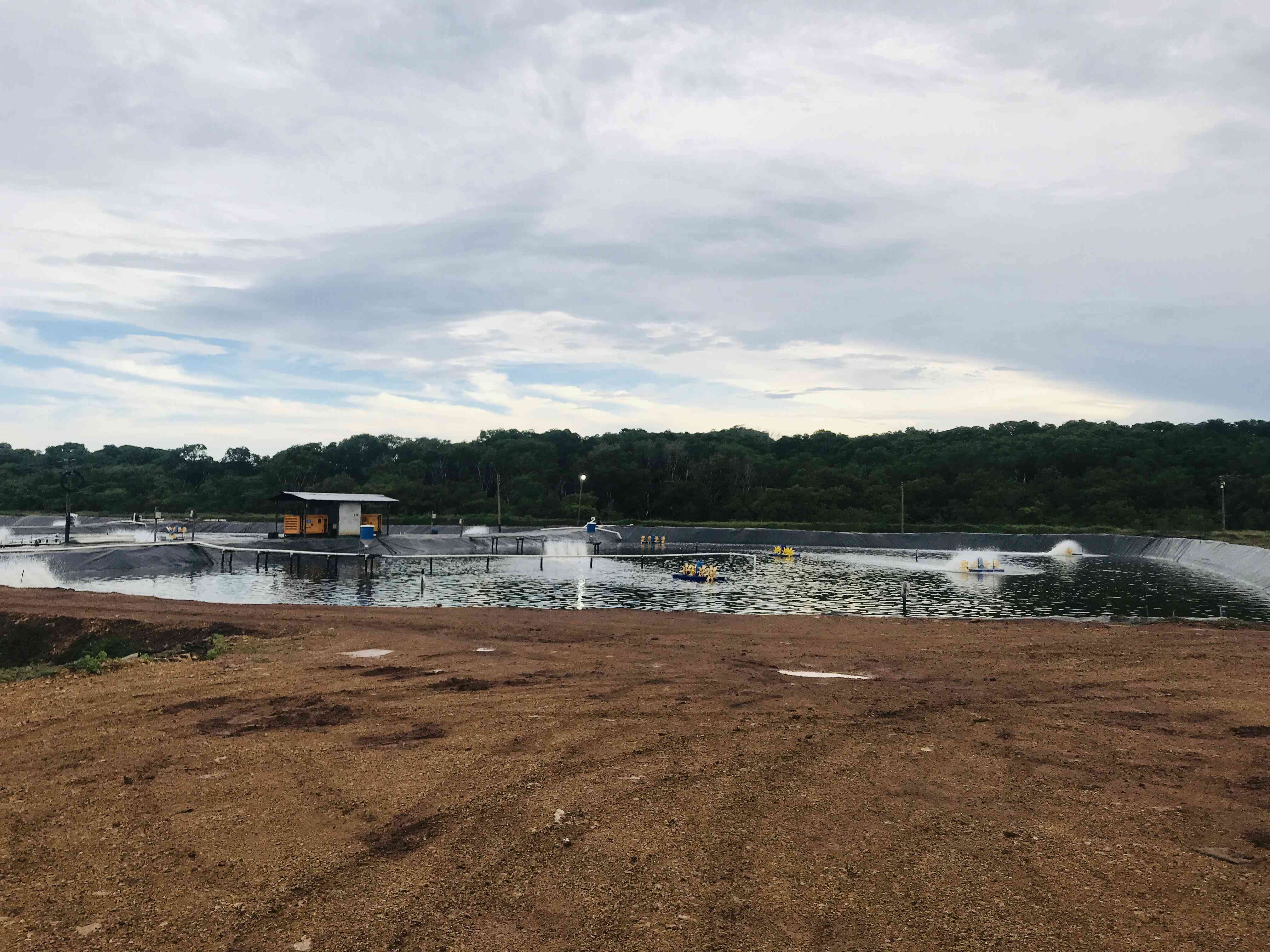
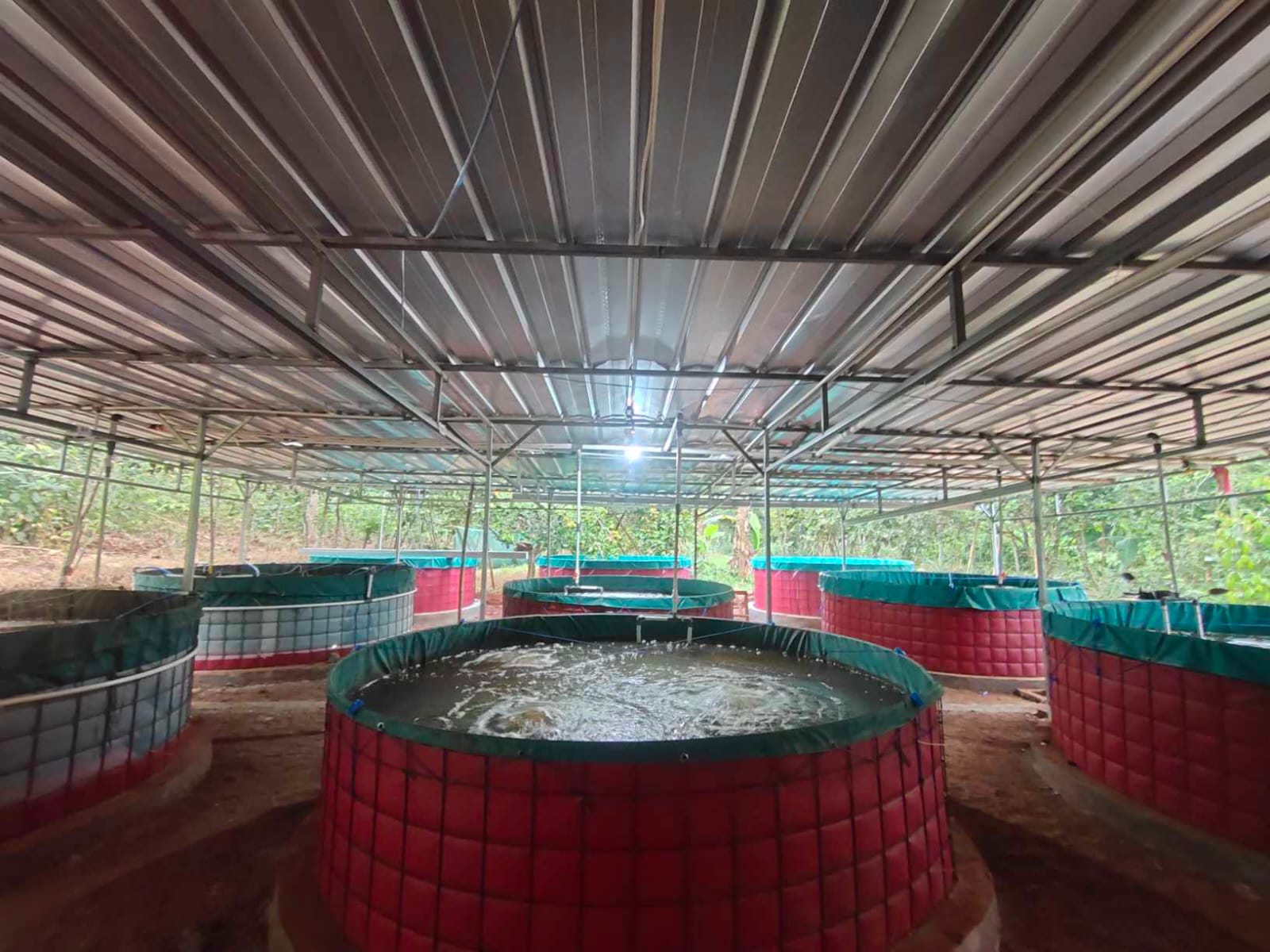
Responding to market certainty and high margins, a massive expansion occurred in the grow-out segment. Existing cultivators multiplied their production capacity, while a new wave of investors emerged to build intensive grow-out ponds—such as the biofloc system—to chase catering quotas. This rapid cultivation model is widely adopted due to its ability to accommodate high stocking densities on limited land. Furthermore, the MBG program's standardization and traceability requirements obligate cultivators to adopt Good Fish Farming Practices (CBIB). This includes a mandatory 100 percent commercial pellet feed usage and a total ban on waste feed to avoid raw material rejection incidents, as previously happened at the As-Salman SPPG in Pamekasan.
Dependence on pellets, which consume 60 to 70 percent of the Cost of Goods Sold (HPP), makes pond downtime highly detrimental. Consequently, when consumable sizes (measuring 6 to 8 fish per kilogram) are completely absorbed, farmers shift to continuous culture stocking patterns and instantly buy up nursery-sized seeds (5 to 7 centimeters or 7 to 9 centimeters, which is approximately 2.0 to 2.8 inches or 2.8 to 3.5 inches), triggering dramatic stock depletion in the seed market.
The hatchery bottleneck phenomenon
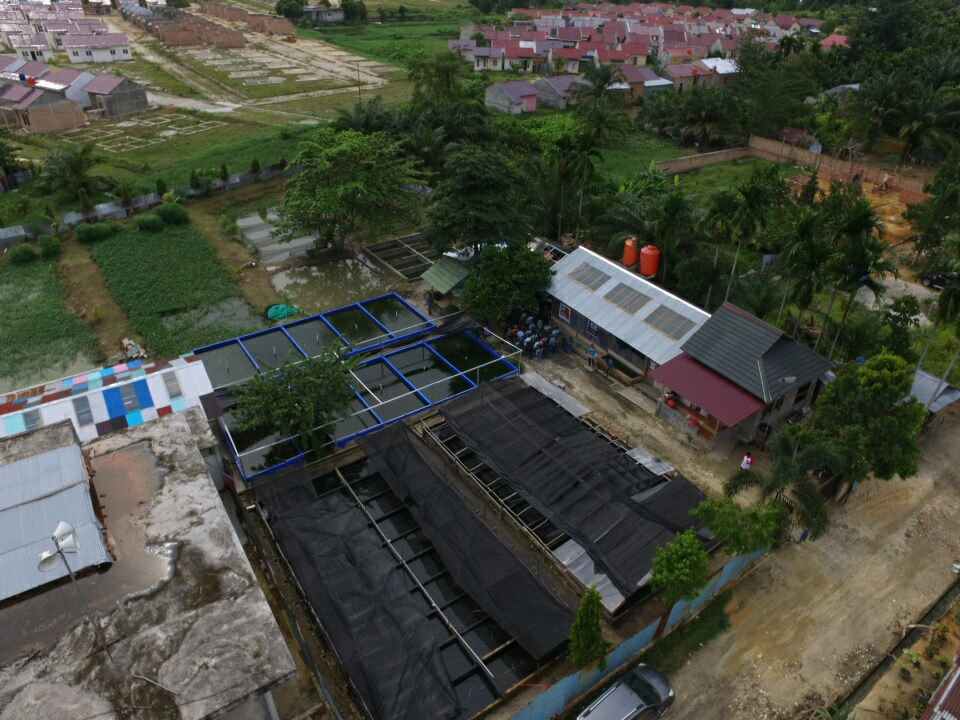
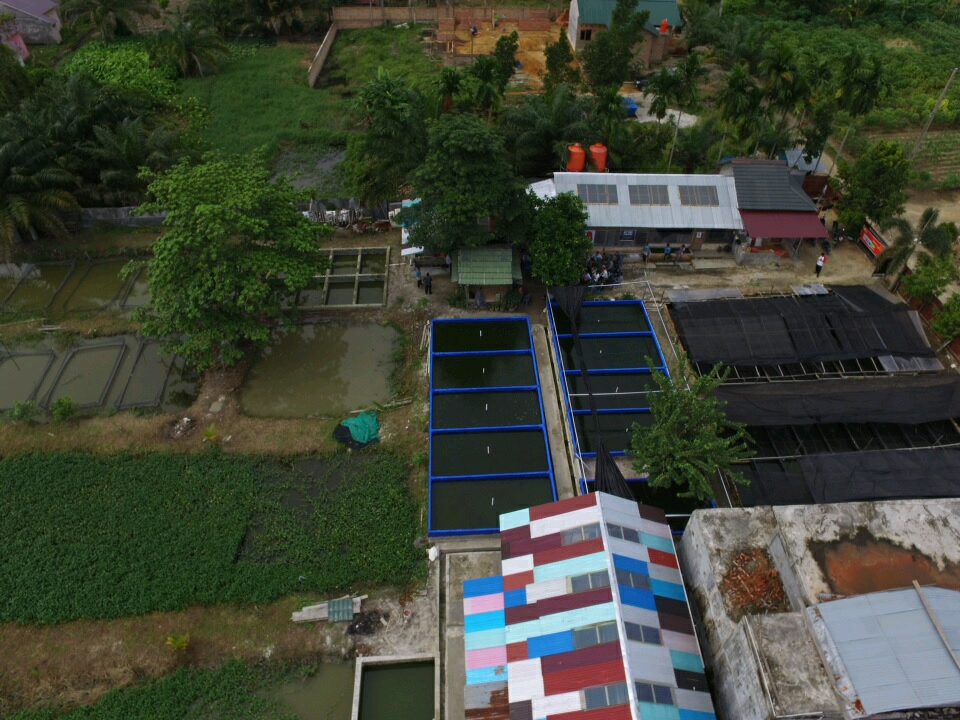
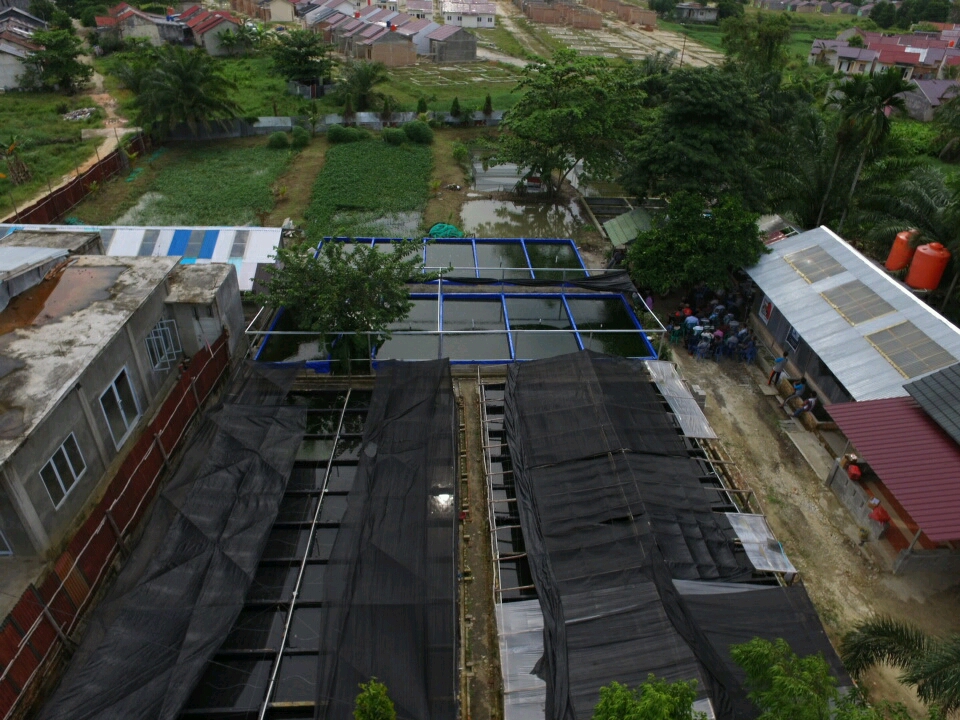
While the grow-out sector can be expanded linearly in a matter of weeks through the installation of new tarpaulin ponds, the hatchery sector faces production capacity bottlenecks that cannot be engineered instantly like manufactured technology. Seed production is tightly bound to a series of rigid biological reproduction laws. First, conventional hatcheries often run out of stock due to the slow gonadal maturation process of the broodstock. Physiological analysis indicates that female superior strains, such as the Mutiara catfish, which begin gonadal maturation at 10 months of age, require a post-spawning recovery time (latency period) of at least 1.5 months (about 45 days) to yield optimal fecundity during the next spawning. Forcing induced breeding using gonadotropin hormones like Ovaprim may accelerate egg release, but imprecise dosing when the broodstock is not perfectly recovered risks lowering the Fertilization Rate (FR) and drastically suppressing the larval Survival Rate (SR).

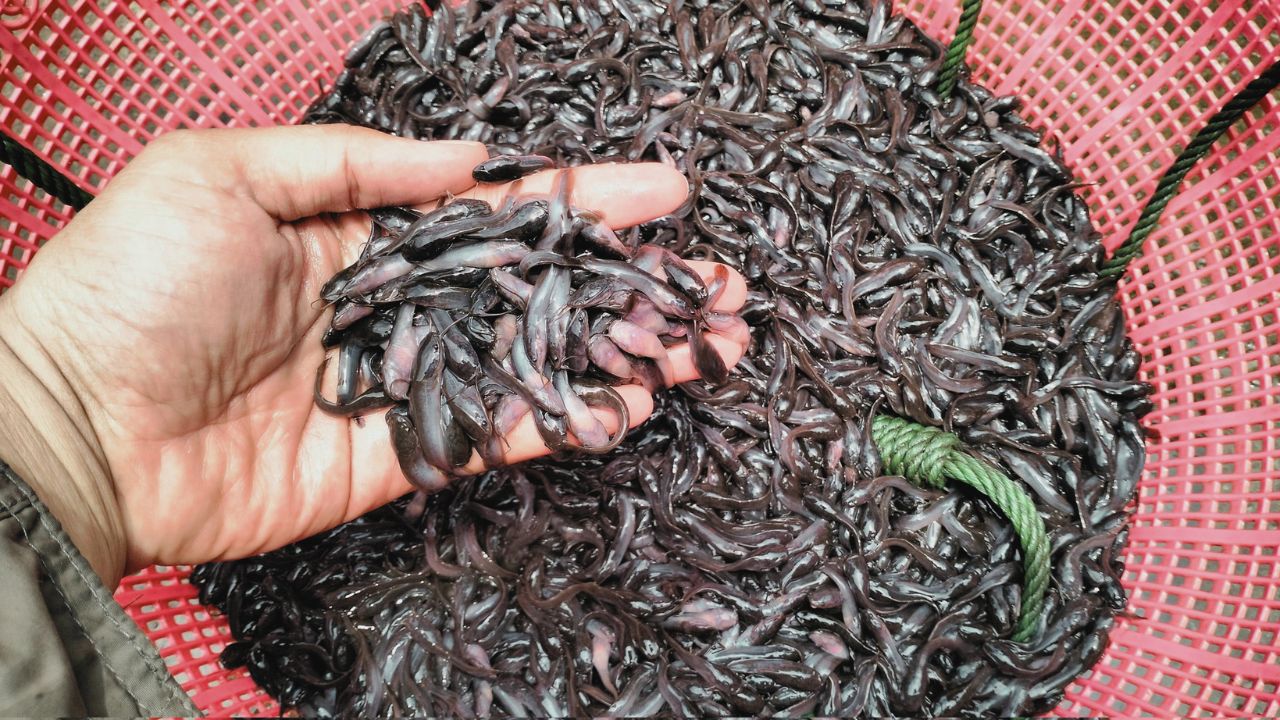
Panen benih ikan lele di Unit Pembenihan Rakyat (UPR) Lele Saptana, Desa Jambewangi Secang, Kab. magelang, Jawa Tengah: Luhkan Kab. Magelang/Taufiq Nurdin
Second, the nursery duration consumes time that cannot be compressed. From hatched eggs until reaching ready-to-stock seed size (5 to 7 centimeters), the natural cycle requires an absolute incubation and intensive rearing period of 30 to 45 days. Third, biosecurity and weather challenges increasingly narrow success margins. The nursery phase is highly vulnerable to the sensitivity of weather anomalies, which triggers larval mortality spikes. Additionally, the supply of crucial natural feed for larvae, silkworms (Tubifex), experienced a price spike alongside high demand. Using unsterilized wild silkworms from nature potentially carries pathogenic agents, which may transmit Motile Aeromonas Septicemia (MAS) into nursery ponds, triggering mass harvest failures that increasingly choke the supply chain.
Geographic crisis of the Java and Sumatra ecosystems
This seed scarcity manifests acutely in Java and Sumatra due to two highly contrasting demographic and infrastructure profiles. Java is the MBG consumption epicenter with the densest beneficiary quota in Indonesia. High demand caused major historical buffer seed production centers—such as Bogor and Sukabumi in West Java, and Kediri and Tulungagung in East Java—to become paralyzed and overwhelmed in fulfilling local market demands within their own provinces. Entire production volumes are completely absorbed to sustain internal SPPG chains, triggering severe deficits for inter-island export allocations.
On the other hand, Sumatra presents a crisis resulting from structural dependency. Developing regions with aggressive MBG programs, like Riau, North Sumatra, and Lampung, rely heavily on catfish in their kitchens. For example, the Integrated Cold Storage facility in Kampar, Riau, functions maximally to supply dozens of schools continuously. However, upstream hatchery infrastructure in Sumatra is not as massive as in Java. Sumatran cultivators, who typically bring in seed substitution supplies from Java, now have their logistical access severed. This condition birthed a dual scarcity phenomenon in Sumatra: downstream demand exponentially surged, while the Java seed import channel halted completely.
Formatting of technical constraint data
To map the hindrances comprehensively, the following details the field constraints pressing the supply recovery rates at the hatchery level:

The constraint table above shows that biological and infrastructural constraints intertwine to create seed supply bottlenecks. Regarding superior broodstock limitations, hatcheries cannot force spawning without sacrificing seed quality. Scientific research indicates female Mutiara catfish (Clarias sp.) have an average fecundity of up to 142,200 eggs per spawn, with a fertilization rate reaching 85.08 percent and a larval survival rate of 92.62 percent if spawned under ideal conditions. However, if forced to spawn again before the 45 days gonadal recovery period concludes, egg quality will plummet sharply.
In Sangkuriang catfish, artificial spawning using a standard gonadotropin hormone (Ovaprim) dose of 0.1 milliliters per kilogram (per 2.2 pounds) body weight is capable of yielding a very high larval survival rate (SR) of 94.61 percent. Conversely, if hatcheries raise the dose to 0.3 milliliters per kilogram to instantly force egg release in imperfectly mature broodstock, the larval survival rate plummets to 54.39 percent due to embryonic development failure. This proves that forcibly accelerating seed production actually triggers greater financial losses for the UPR.
Besides fish physiological factors, natural feed availability and price become economic stumbling blocks for hatcheries. Newly hatched catfish larvae heavily rely on silkworms (Tubifex) as their initial feed. Due to a 300 percent surge in hatchery activity across various regions, market silkworm prices spiked sharply, reaching a range of 35,000 to 50,000 rupiah per liter. This increase forces conventional hatcheries to seek wild silkworms from nature, which are often contaminated with pathogenic bacteria like Aeromonas hydrophila. Without quarantine and disinfection processes, disease transmission from silkworms to catfish larvae triggers Motile Aeromonas Septicemia (MAS) outbreaks capable of killing up to 90 percent of the larval population in nursery ponds within just 48 hours.
Business mitigation
Implementing the MBG program is undeniably a macroeconomic blessing giving fresh breath to grassroots freshwater aquaculture cultivator independence. However, the bottleneck created in the hatchery sector serves as a danger signal that upstream sector logistical readiness absolutely requires high management precision. To prevent this supply crisis from hindering the smooth distribution of schoolchild nutrition, a series of strategic mitigations touching the root technical problems must be executed immediately:
Intervention in Superior Broodstock Distribution: The government, particularly through the KKP and Regional Fish Seed Centers (BBI), must accelerate certified, ready-to-spawn superior broodstock distribution—both subsidized and free—to UPR clusters in Java and Sumatra to compensate for the exhaustion of local broodstock stocks.
Diversification of the MBG Protein Menu: The National Nutrition Agency alongside regional SPPG coordinators must design an animal protein rotation calendar. Periodically substituting catfish with tilapia (Tilapia), chicken, or eggs is not only good for nutritional variety but is crucial for providing a "biological breather" to the catfish hatchery sector so it can complete the 30 to 45 days nursery cycle without intervention from spontaneous purchasing pressure.
Standardized Natural Feed Management: The KKP and related agencies need to launch subsidies and assistance for independent natural silkworm (Tubifex) cultures. Furthermore, the adoption of mandatory biosecurity disinfection protocols must be promoted; soaking silkworms in a 400 parts per million formalin solution for 30 minutes with double rinsing effectively kills Aeromonas pathogens down to 0 colony-forming units per milliliter, saving larvae from mass death without creating antibiotic resistance threats (read more).
National aquaculture industry sustainability in the MBG era depends heavily on how stakeholders bridge the chasm between downstream program ambitions and upstream production realities. Proactive mass consumption policy synchronization alongside fundamental seed production strengthening is the decisive key so the nation's future generations' nutrition can be fulfilled sustainably without sacrificing future grassroots aquaculture ecosystem stability.