By 2050, the world population is expected to reach 10 billion people, causing a surge in global food demand of 56 percent. This naturally requires the exploration of new agricultural land to increase food productivity. Ironically, the area of agricultural land in Indonesia is shrinking every year, which results in stagnant food production. In response, blue food is considered as a potential solution to address future global food security challenges.
Blue food is defined as a variety of foods originating from aquatic resources such as fish, crustaceans, molluscs, seaweed and other aquatic organisms, whether obtained through arrest or cultivation. This concept emerged as part of a broader movement supporting sustainable food resources. Blue foods are gaining significant attention not only for their potential as highly nutritious food sources, but also because they are relatively more environmentally friendly compared to some land-based sources.
Realizing the great potential of blue food, the Indonesian National Development Planning Agency (Bappenas) organized the Blue Food Forum with the theme "Strengthening Blue Food Program Collaboration" in Lombok. This event gathered various stakeholders, including academics, entrepreneurs and government officials in the marine and fisheries sector. The aim is to discuss their respective contributions to the sustainable maritime and fisheries sector.
Industrialization of seaweed
According to Firman Hidayat, a representative from the Coordinating Ministry for Maritime Affairs and Investment (Kemenko Marves), one of the key commodities in developing blue food is seaweed. Known for its rich nutritional content and ease of cultivation, seaweed provides many health benefits. These include reducing obesity and cardiovascular disease, controlling blood sugar, as well as being a rich source of vitamins, minerals and fiber.
Additionally, from an agricultural perspective, seaweed can be a climate change mitigation strategy. Compared to land-based commodities, seaweed requires minimal land and emits the least carbon while maintaining high productivity. In contrast, seaweed naturally absorbs more carbon than it releases. Firman predicts that these profits will significantly increase demand for seaweed, potentially increasing it up to twelvefold.
From an economic perspective, the upstream and downstream seaweed industry has great potential to improve welfare cultivators. Currently, around 63,000 households are involved in seaweed cultivation, with the majority having only basic education. Only about 6 percent of them have access to banking services.
Promotion of the implementation of blue food is in line with Indonesia's 2045 vision, which aims to achieve a higher and more equitable level of prosperity for the Indonesian people with better human quality. However, to achieve this target, Indonesia must achieve an economic growth rate of 6-7 percent, where the maritime sector can play a significant role in driving national GDP.
Downstream potential includes commodities such as seaweed, which serves as a valuable raw material for food and non-food industries, including bioplastics, biostimulants and pharmaceuticals. The demand for seaweed is increasing rapidly. The market for seaweed derivative products is very large, with the market potential for biostimulants reaching USD 1,800 billion and USD 733 billion for bioplastics, according to a report from Standard Chartered Bank.

How to increase seaweed productivity in the Bappenas forum
However, the main key to advancing the seaweed industry is increasing productivity by expanding cultivation areas. It is hoped that increased productivity will make seaweed more affordable, making it a viable option for a variety of industries. With prices currently ranging between USD 1,000-2,000 per ton, seaweed is economically viable for only a few industries such as pharmaceuticals, health, food additives and biostimulants.
Coordinating Ministry Marves has proposed calculations regarding the price of seaweed as a raw material for several industries. If seaweed is considered as an alternative to wheat-based noodles, plastic and fossil fuels, prices should be reduced to USD 100-300 per ton. Increased supply volumes can offset these price reductions, tapping into a much larger market potential.
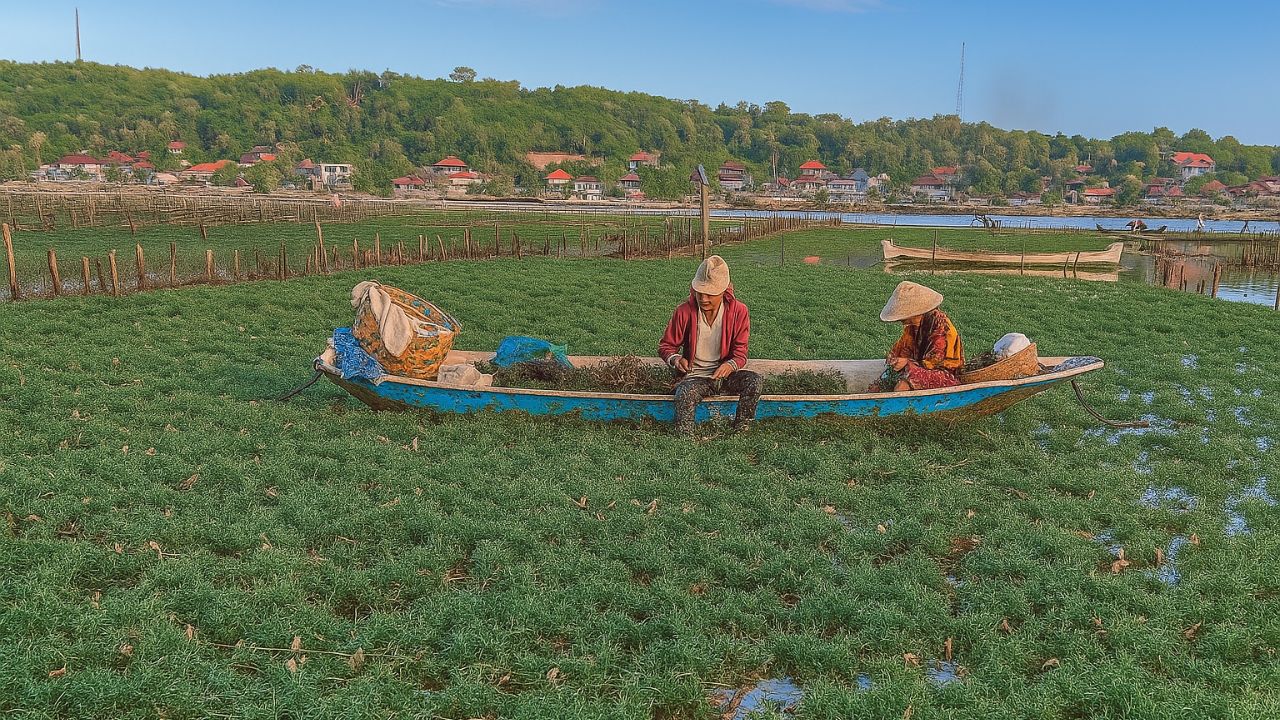
However, the cost of seaweed as a raw material is often less economical for industry because its supply is limited due to traditional small-scale cultivation. This traditional approach requires a lot of labor and is less efficient. Therefore, mechanization and the application of technology are needed to increase productivity.
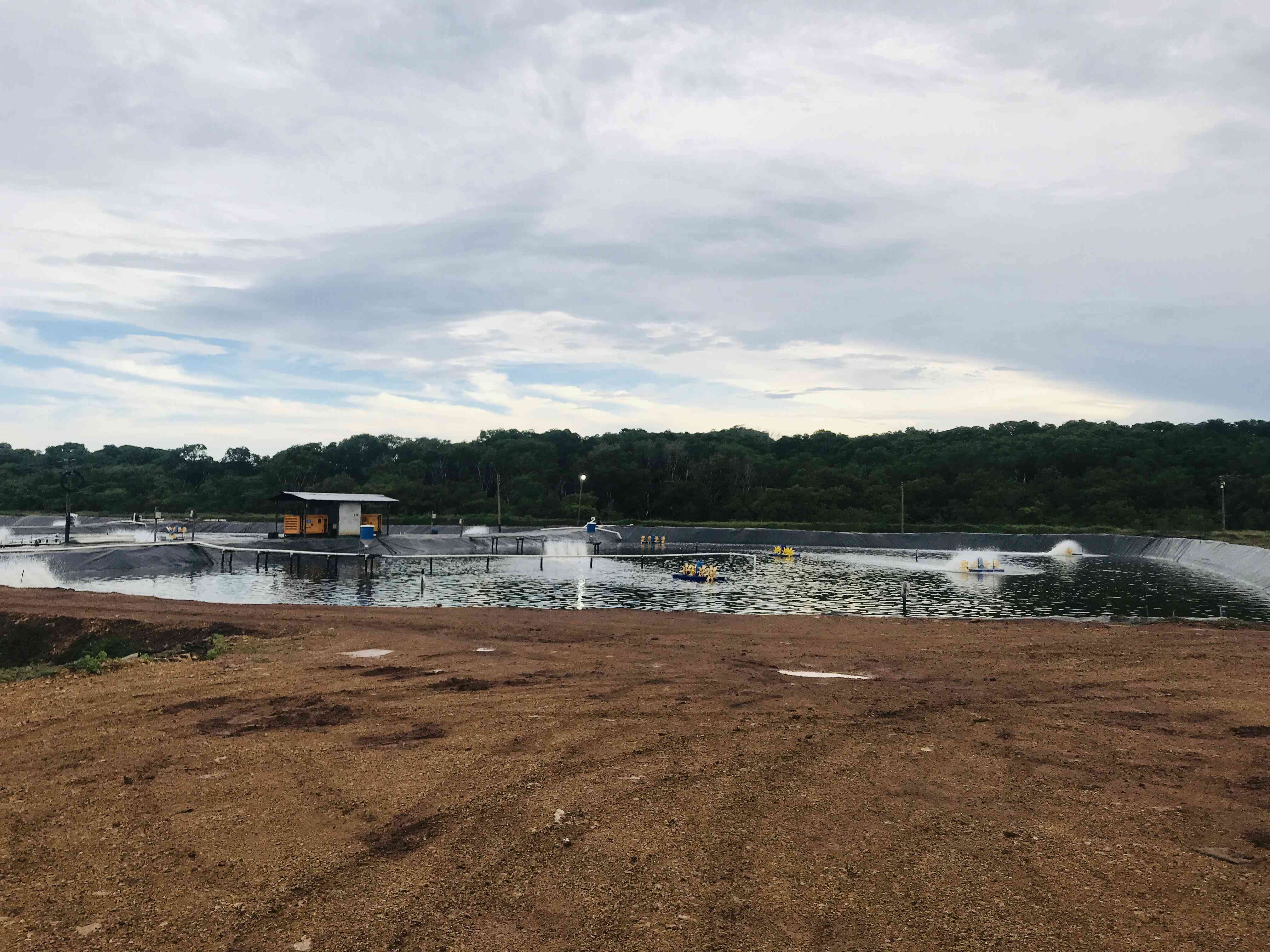
In terms of industrialization prospects, currently a company is preparing to start an integrated pilot project for seaweed cultivation in Lombok. This project will cover the entire production chain, from upstream to downstream stages, with the aim of creating a more efficient and coordinated process. This initiative aims to overcome various challenges that exist in traditional seaweed cultivation, such as the use of a large workforce and the lack of advanced technology.
The expected result of this project is a 9-10 times increase in productivity. This increase will not only have a positive impact on the companies involved, but also on... cultivator locals who can earn higher revenues through greater production and lower costs. With this project, it is hoped that a seaweed cultivation model will be created that can be widely adopted throughout Indonesia, thereby strengthening Indonesia's position as the world's main seaweed producer.
Seaweed-based blue food challenge
Developing a seaweed industry faces various challenges, one of the most significant being the need to expand cultivation areas. Coordinating Ministry Marves aims to increase the cultivation area from the current around 102,000 hectares to 1 million hectares. This increase requires policy support such as the Suitability of Marine Space Utilization (KKPRL). The importance of establishing clear zones between cultivator traditional and large agricultural companies also need to be highlighted. Large agricultural companies are ideally located offshore, temporarily cultivating small scale operations near the coast.

Cultivator seaweed operates near the coast
Collisions Prawiro, a representative of the United Nations Industrial Development Organization (UNIDO), suggested that the government establish quality standards for aquatic products, including seaweed, to facilitate industry compliance with processing standards. The lack of clear categories between seaweed and other marine products in certification has been limiting producers in the downstream sector to export their products, especially to Europe. In addition, bacterial contamination and hygiene issues during the production process often become challenges in entering the global market.
Ageng S. Herianto, representative of the Food and Agriculture Organization (FAO), stated that aquaculture will play an important role in the blue food transformation. He emphasized that sustainable aquaculture practices must increase by 35 percent to meet the 15 percent increase in food demand. In the seaweed sector, he recommends research institutions such as the National Research and Innovation Agency (BRIN) to conduct studies on seaweed seeds and varieties that are resistant to climate change and disease, and are highly productive and effective in sequestering carbon.
He also emphasized the importance of planning for blue food transformation from a broader perspective. This can start by assessing consumption needs and involve careful production planning to prevent excess supply, which has the potential to cause new problems such as food waste.